




Did you know how to create a memorable brand? Building a Brand – A Guide in 23 Easy Steps introduces you to the fundamentals, such as brand identity and the key elements that make a brand stand out.
You’ll get tips on creating your visual style, telling your brand story, and keeping your look consistent across the board.
We also cover how to design a great logo, pick the right colors, and keep your brand strong across all platforms.
You’ll find advice on personal branding, rebranding, and ways to keep your customers coming back.
Whether you’re starting from scratch or updating your brand, these steps will help you connect with your audience
Strong Brands: The Familiar Faces of Customer Connection
Today, strong brands are like familiar faces. People recognize them easily and feel a personal connection.
Customers build strong bonds with businesses that offer real value and improve their daily lives, much as we do with friends and family.
Your brand should stand out, be memorable, and connect deeply with what your audience cares about.
The Intricate Art of Brand Building
Building a brand involves several important steps.
Start by looking closely at your company to find what makes you different from others.
Next, figure out who your ideal customers are. Knowing what they value and how they interact with your brand will guide your choices.
It’s important to create a brand identity that connects your company’s values with what your audience wants.
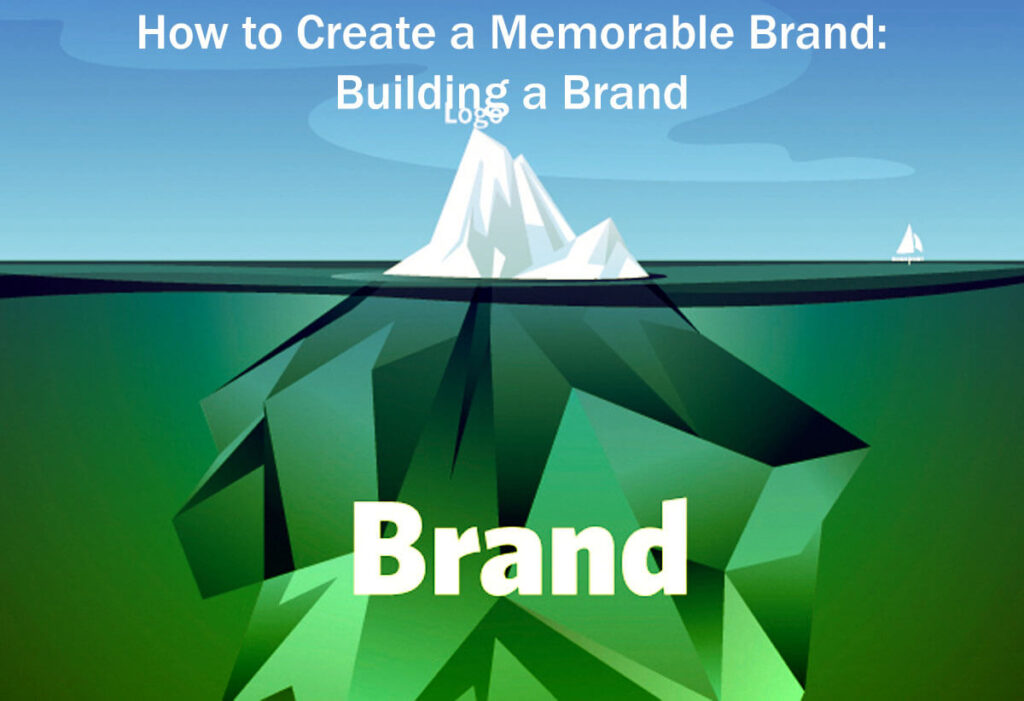
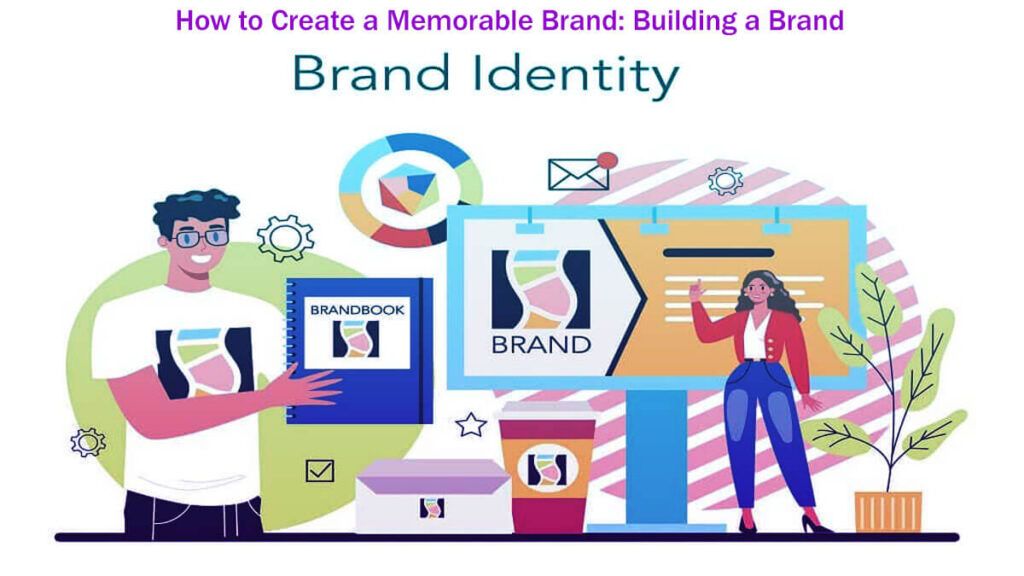
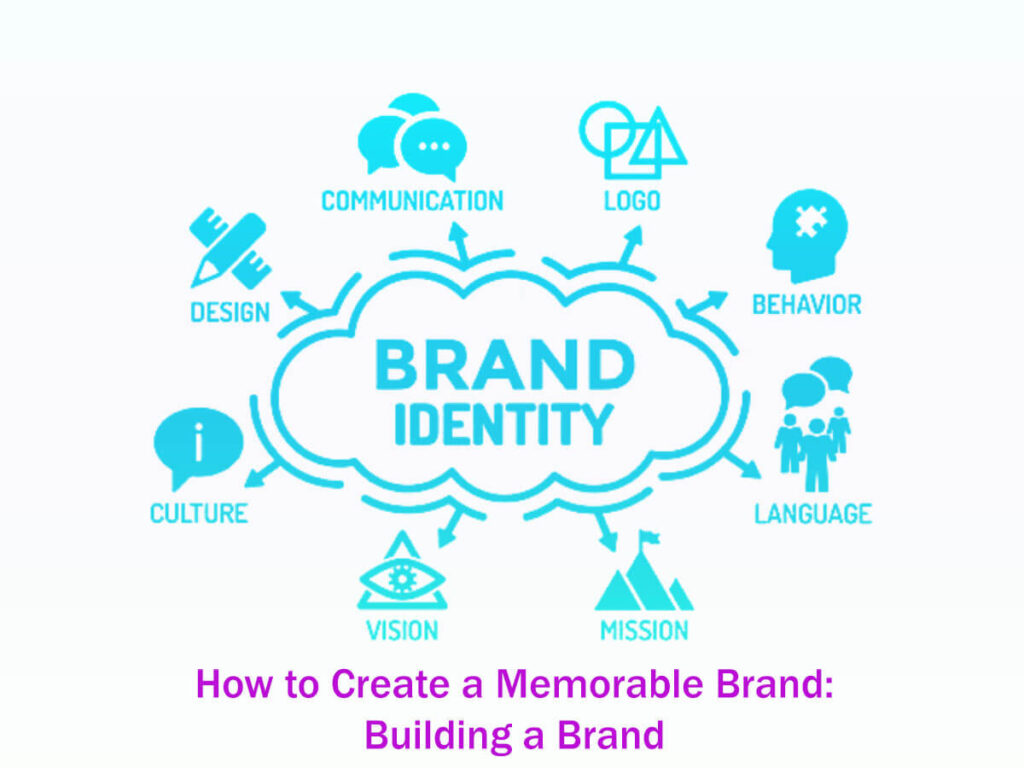
Visual elements like logos, colors, and packaging help people recognize your brand. But your brand identity also includes how you communicate, your values, and your story.
All these parts show people who you are and what you believe in, making it easier for customers to relate to your brand.
Differentiation and Connection
A powerful brand identity enables you to differentiate yourself and establish genuine connections with your customers.
It also helps develop marketing strategies that resonate with your audience, whether you’re launching a new business or rebranding an existing one.
We’ll explore various ways to help you establish a strong online presence that genuinely represents your brand.
How to Create a Memorable Brand: Building a Brand – A Guide in 23 Easy Steps
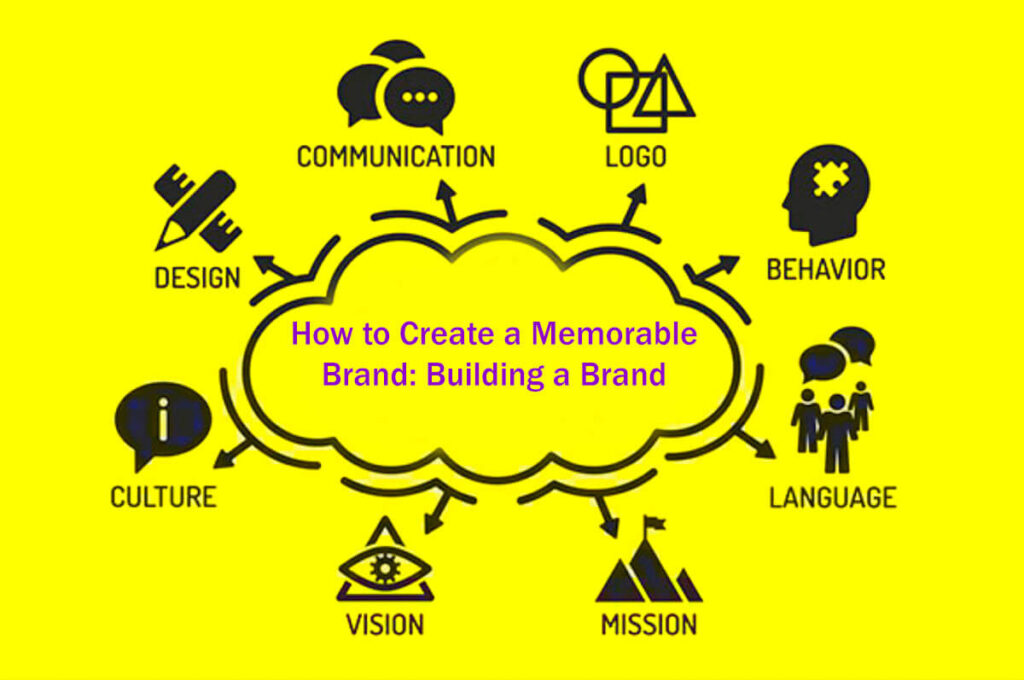
Contents and Topics
- Define Your Purpose
- Craft a Captivating Brand Narrative
- Create a Consistent Brand Identity
- Identify the Key Elements of Your Brand
- Evaluate Your Brand’s Value
- Rethink Your Taglines, Logos, and Brand Names
- Build a Personal Brand
- Assess Whether You Need a Full or Partial Rebranding
- Understand the Importance of Media Kits and Style Guidelines
- Use High-Quality Images to Keep Your Brand in the Spotlight
- Create a Canva Brand Kit
- Choose Color and Font Palettes that Align with Your Brand
- Implement Brand Templates to Simplify Your Design Workflow
- Build a Community on Social Media
- Engage Your Audience with Free, Educational Materials
- Encourage Brand Ambassadors to Share Approved Content
- Utilize Multimedia Content on Different Social Media Platforms
- Use Audience Polls and Questions to Maximize Your Marketing Effectiveness
- Set Up a Rewards Program
- Encourage Email Subscriptions
- Master the Skill of Content Repurposing
- Forge Strategic Partnerships with Similar Companies
- Start a Movement with a Clear Purpose
Define Your Purpose
A brand’s mission is about more than making money. It shows what your company values and the causes you support.
To define your brand’s purpose, start by asking yourself these important questions:
What core skills does our team have that can create a meaningful impact?
What motivates our organization and powers our daily work?
What positive impact do we aim to make on our community and the world?
A clear brand mission inspires your team, guides your decisions, and helps you connect with your customers.
For example, Patagonia’s mission is to inspire and create solutions for the environmental crisis, and this goal is part of everything they do.
This approach connects with customers who care about the environment and builds loyalty and trust.
How to Write An Effective Brand Story

Crafting a Captivating Brand Narrative
A good brand story blends real facts with the feelings your brand evokes in people.
Your story should have a few important qualities:
Authenticity: Be transparent and share your genuine origin story instead of fabricating a dramatic backstory.
Authenticity fosters trust and helps customers relate to your brand.
Engagement: Your story should ignite powerful emotions in your audience, fostering a deep connection to your mission and values.
Simplicity: Ensuring your narrative is clear and easy to digest makes it easier for your audience to remember and connect with your brand.
Give Your Brand Its Own Personality: Create a Brand Persona
Your brand’s character is shaped by the human traits you want people to notice. It makes your brand relatable and memorable.
Creating a distinctive brand personality helps you connect with your audience and foster long-term loyalty.
This personality should reflect your core values and align with what your customers care about, making every interaction more meaningful.
With careful planning, your brand can build an identity that people remember.
A brand’s personality can exhibit traits such as seriousness, playfulness, or sophistication, or a mix of these qualities.
It’s important to maintain your brand’s personality across all marketing and customer communications.
Consistency shapes how customers see your brand and helps build reliability and trust.
When customers notice a steady brand personality, they feel more confident choosing your brand.
Every brand is founded on core values, the beliefs that steer its decisions and actions.
These values help create strong emotional connections with customers who share similar beliefs.
When customers relate to a brand’s values, they become more emotionally invested and are more likely to recommend it.
Customers who feel connected to a brand are also more likely to buy again, which builds loyalty and long-term relationships.
Relatability is key to good branding. Your audience should be able to see themselves in your brand’s personality.
When people relate to a brand’s character and values, they’re more likely to trust it and choose it over others.
You can show this relatability through your messaging, images, and a friendly approach.
Building a strong brand doesn’t have to be complicated. Simple ideas often make the biggest impact.
Frank Body is a great example. This Australian beauty brand started with a simple coffee scrub in plain brown paper packaging.
Even with its modest start, Frank Body is now a favorite in the beauty industry.
Frank Body is transparent about its natural ingredients and avoids harmful chemicals, demonstrating a commitment to honest, clear communication with customers.
Instead of making big promises, the brand delivers reliable skincare products that match what’s promised on the label.
Frank Body also has a playful, friendly style, evident in its social media and witty product descriptions.
The brand uses a character named “Frank,” who loves coffee and interacts with customers in a friendly, lighthearted way. Makes the brand feel more relatable and easy to connect with.
Elements That Define Your Brand
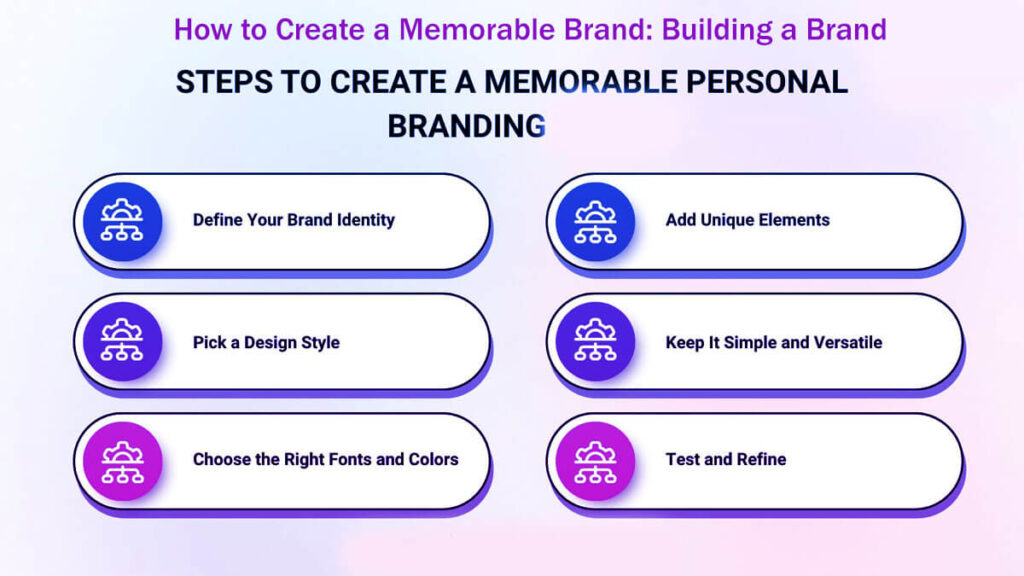
Establishing your brand is the first step toward building a strong identity.
This process involves several important parts, each helping to create a clear brand image:
Mission Statement: Write a short statement that explains your company’s goals, core values, and main purpose.
This statement guides all your branding and business decisions.
Logo Design: Your logo should stand out, be easy to remember, and clearly show your brand’s identity.
A good logo is the foundation of your brand’s visual look.
Signature Colors: Pick colors that match your brand’s personality and use them everywhere your brand appears.
Colors create feelings and associations, so they’re an important part of your branding.
Marketing Materials: Use your logo and brand colors in all your marketing materials, like brochures, ads, and online content, to keep your brand image consistent.
Being consistent helps people recognize and remember your brand.
Packaging Design: Your product packaging should catch people’s attention and clearly show your brand’s identity and values.
The design should show quality and creativity, making customers want to pick your product.
Product Design: Your product’s design should reflect your brand’s quality and values, helping you connect with your audience.
A well-made product shows your brand’s commitment to quality.
Spokespeople or Characters: Having a spokesperson or brand character can make your brand feel more alive and relatable.
A character can be a strong way to show your brand’s personality.
Sensory Cues: Add sensory elements like sounds, scents, or textures that people will associate with your brand and that improve their experience.
These cues help create a lasting, multisensory connection with your customers.
Pricing Strategy: Set your prices to match your brand’s value and identity.
Make sure your prices reflect the quality and reputation of your products while remaining affordable for your target customers.
Voice and Tone: Keep your brand’s voice and tone consistent across all communication.
Whether your brand is formal, casual, funny, or serious, being consistent helps people recognize it.
Customer Experience: Every time a customer interacts with your brand, whether it’s through service, social media, or buying something, it should leave a good impression.
A smooth, enjoyable experience is key to keeping customers happy and loyal.
Gauge Your Brand’s Worth
To understand your brand’s real value, look at brand equity, which is the value customers give to your brand.
You can regularly monitor how customers view your brand through online tools, focus groups, or surveys.
These checks help you see what customers like about your brand and where you can improve.
Finally, review your taglines, logos, and brand names regularly.
These should capture your brand’s spirit and be easy to remember, say, and understand.
If your name or tagline doesn’t do this, consider rebranding or looking to other successful brands for ideas.
Asking your audience for ideas can give you helpful feedback and new energy for your branding.
By staying open to feedback and new ideas, your brand can keep growing and stay strong in a changing market.
Building a Personal Brand: An In-Depth Guide
Today, personal branding is just as important as business branding, given the strong competition.
Building a personal brand is more than self-promotion. It takes thoughtful planning and honest self-reflection.
Here’s a guide to help you build a personal brand that truly shows who you are and matches your career goals:
1. Define Your Desired Perception
Start by thinking carefully about how you want others to see you at work.
Think about the qualities you want to be known for. For example, do you want people to see you as innovative, reliable, a thought leader, or an expert in your field?
Write down these goals clearly so you can focus on them.
This step will set the groundwork for your personal brand and gently guide your future choices.
2. Showcase Your Unique Style and Strengths

Next, figure out what makes you different from others in your field.
Might be certain personality traits, a unique way of communicating, or special skills you’ve developed over time.
Look back at your experiences to find what makes your story unique.
Emphasizing these qualities in your brand helps you differentiate yourself and facilitates stronger connections with your audience.
3. Develop Consistent Branding Strategies
Being consistent is key. Make sure your personal brand looks and feels the same on your website, LinkedIn, and other social media.
Every part, like your profile photo, bio, and posts, should match the image you want to show.
When your brand is consistent, people recognize and trust you more. It also helps them remember you.
4. Evaluate Your Branding Needs
Before you make changes, think about whether you need a full rebrand or just a few updates.
A strong personal brand is important because it supports your whole career.
But over time, you may need to check if your brand is still working and appealing.
Ask yourself these important questions:
Are you attracting clients or opportunities that don’t align with your values?
Does your branding feel outdated and lacking modern appeal in a constantly changing market?
Is your brand message clear and easy to understand, or does it confuse your audience?
Does your brand blend in too much with your competitors, making you forgettable?
If any of these questions sound familiar, it might be time to rebrand.
5. Consider the Scope of Your Rebranding Effort

If you’re thinking about rebranding, decide how much you want to change and what resources you’ll need.
A rebrand might be as straightforward as updating your logo and tagline, or as comprehensive as overhauling your entire product lineup and strategy.
Knowing how much time and money you’ll need will help you plan better.
6. Consider Partial Rebranding Strategies
You don’t always have to start over. If parts of your brand still work well, consider updating only what needs improvement.
Figure out which parts of your brand are strong and which ones could be better.
Your new brand should help you move from where you are now to where you want to be.
For example, United and Continental Airlines merged and created a new brand together, which is a great example of this process.
They combined the best parts of both brands, which helped them expand their market presence.
7. Inspire New Ventures Through Rebranding
A good rebrand can give your business new energy and open doors to new projects and opportunities.
For example, American Eagle launched the “Aerie” underwear line.
Aerie created its own brand identity but stayed part of American Eagle. Helped them reach new customers without losing their old ones.
Shows how rebranding can refresh a company and help it grow.
8. Promote Collaboration Throughout the Process
Working together is important when rebranding. Involving your team helps keep your message and look consistent everywhere.
Try using mood boards and group brainstorming to picture your brand’s future together.
When your team shares ideas and experiences, you build a stronger and more unified brand story.
9. Collect Feedback from Your Trusted Audience
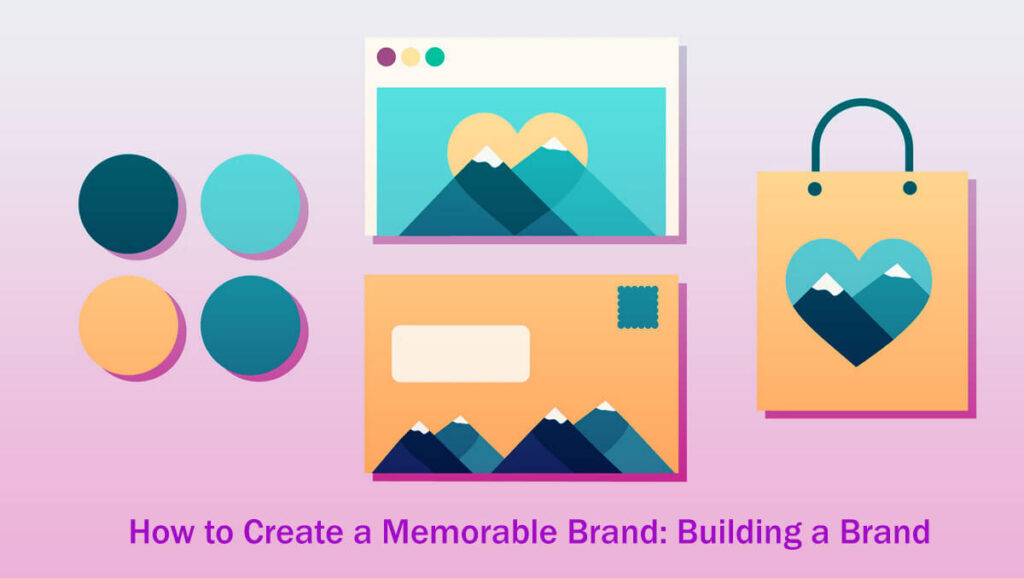
Getting feedback from your audience is a key part of rebranding.
Before making big changes, ask your clients, colleagues, or mentors for their thoughts.
Find out what they like about your brand now and ask how you could improve.
Their feedback can provide important insights and help guide your rebranding.
Remember, how people see your brand is just as important as what you want to say.
By taking these steps and understanding your audience, you can build a personal brand that genuinely represents you and creates strong connections with your target group.
Importance of Media Kits and Brand Style Guidelines
Today, brands are competing for the same audience’s attention, so having a strong, recognizable visual identity is more important than ever.
A strong, consistent brand makes it easier for potential clients to identify and prefer your company over competitors.
Makes it easier to build a lasting presence in a crowded market.
A key part of this process is the brand style guide. This design manual is the main document for your business’s visual identity.
This important resource covers the basics of your brand identity, including logos, color codes, fonts, images, illustrations, tone of voice, formatting, and brand templates.
A good style guide also explains your company’s mission, vision, and core values.
Helps keep all your external communications in line with your brand’s message.
Maintaining consistent branding is essential for building trust and loyalty with clients.
When customers can quickly identify and relate to your brand, they tend to feel more confident and trust your products or services.
A clear style guide is a helpful reference for your team and outside partners. It guides everyone in creating consistent branded materials.
Consistent branding builds trust with partners, colleagues, and customers. It shows your brand’s values in every interaction.
A media kit, on the other hand, is a collection of marketing materials that share key information about your business or an upcoming event.
A typical media kit includes a company introduction, fact sheets, bios of key team members, high-quality images, press releases, case studies, and sample social media posts.
These materials help journalists, bloggers, and influencers share your brand’s story and message accurately with their audiences.
To make it easier to collaborate on style guides and media kits, consider setting up a Canva Business account.
This platform lets your team work together in real time, share ideas, and give feedback using tagged comments.
Working together this way helps ensure your branded content is consistent, on-brand, and high-quality.
Using High-Quality Images to Tell Your Brand Story

Visual storytelling is a powerful strategy. With the right photos and videos, your brand’s story can come across clearly without needing a lot of words.
Your media kits and style guides should include technical details for graphics, as well as a set of approved images and videos for your brand.
These assets set creative standards and help keep your brand’s message consistent across all content types.
To keep your images in line with your brand’s look, tools like Canva’s Photo Editor can help with color correction and visual improvements.
Changing brightness, contrast, saturation, and color can help your images match your style guide.
However, be careful not to over-edit. Using too many trendy filters or making too many changes can hurt your brand’s visual consistency.
Creating a Complete Canva Brand Kit
Canva’s Brand Kit is a central place to keep all your documents, graphics, and style guidelines organized and easy to access.
This setup makes it easy for your team to download approved files, pick the right fonts, and use brand colors right from the design tool.
Easy access accelerates your team’s work and can even boost conversion rates by reducing the time spent waiting for approvals.
Intentional Selection of Color and Typography
Selecting a Suitable Color and Font Scheme for Your Brand
Building a strong brand story means making careful choices in your visual design, especially when picking colors and fonts.
These choices shape how people see your brand and can strongly affect how your audience feels about it.
When your colors and fonts match your brand’s identity and values, you create a memorable and engaging experience for your audience.
Every choice adds to your brand’s story, so it’s important to make these decisions thoughtfully and with a clear plan.
Understanding the Psychology of Branding Colors
Colors have a big impact on how customers feel and act.
Studies show that colors can shape how people see things and what they decide to buy.
For instance, blue is frequently associated with trust, reliability, and tranquility.
Because of this, many brands that want to appear dependable and professional, such as banks and healthcare companies, choose blue.
On the other hand, red creates feelings of excitement, passion, and urgency.
That’s why it’s often used in sales and promotions to encourage quick decisions.
To choose the right colors for your brand, start by understanding your brand’s personality and the feelings you want your audience to have.
Conducting surveys or focus groups can reveal which colors resonate most with your audience.
Tools like Canva’s Color Palette Generator can help you create color schemes that match your brand and make your visuals stand out.
Best Practice: Stick to two or three main colors for your brand.
Helps your brand look consistent and keeps your audience from feeling overwhelmed by too many colors.
You can add a few secondary colors to highlight key elements, making your visuals more engaging while staying true to your brand.
Typography: The Voice of Your Brand
Like colors, the fonts you choose also show off your brand’s personality.
Different fonts give different impressions. Sans-serif fonts look modern and simple, so tech brands and startups often use them.
Serif fonts, on the other hand, feel more traditional and formal, which is why they work well for finance or law brands.
Display fonts are great for bold headlines and ads, while script fonts add a touch of elegance and a personal feel.
When picking your fonts, make sure they’re easy to read in different situations.
Check that your fonts look good on websites, printed materials, ads, and at different sizes.
Clear, readable fonts help you get your message across.
Best Practice: Use no more than two or three fonts in your branding.
For example, try a bold sans-serif font for headlines to grab attention, and pair it with a clear serif font for body text so your message is easy to read.
Optimizing Your Design Workflow with Brand Templates
Using brand templates helps keep your visuals consistent and makes design work easier for your team.
With templates, anyone on your team can quickly make on-brand visuals, so you spend less time waiting for approvals.
Since digital content comes in many shapes and sizes, using custom social media templates helps your designs look good and fit each platform.
Being flexible with your designs helps you connect with your audience wherever they see your brand.
Your digital branding is about more than just social media.
Think about what you need for newsletters, websites, emails, and other digital materials that are key to your marketing.
Make a list of all your digital branding needs and work together to cover them. Helps avoid mistakes like small color differences.
Building a Community on Social Media for Your Brand
Today, building an active and engaged community on social media is key to long-term success.
When you put time and effort into social media, you can grow your audience and build loyal customers.
Active social media accounts help you promote your products, find new business, and support your customers.
By engaging online, you can quickly answer questions and provide feedback, helping keep your audience happy.
When you build a real sense of community, your followers are more likely to become brand ambassadors and share your products with others.
Practical Tips for Achieving Success on Social Media
Boost Engagement with Valuable Content
Increase Engagement with Free Educational Resources

Share content that grabs attention and gives real value to attract and keep followers.
Offer helpful resources like checklists, how-to guides, or expert tips that make a difference.
These resources not only inform your audience but also give them tips they can use in daily life.
Motivate Brand Ambassadors to Share Their Stories:
Empower Ambassadors to Distribute Brand-Approved Content
Working with brand ambassadors, who are often your happiest customers, can boost your brand’s visibility and trust on social media.
These loyal fans can share real stories about their good experiences with your products or services.
For example, a local bookstore owner who uses your scheduling software might make a “day in the life” video to show how it helps their business.
Giving these ambassadors rewards, such as special discounts or public recognition, can encourage them to share their stories and build greater loyalty.
By using these strategies, you can build a strong online community and use social media to grow your brand and succeed in today’s market.
Giving brand ambassadors the right tools to create content that aligns with your brand guidelines is key to maintaining a consistent brand image.
Let’s ambassadors use your brand-approved templates and Brand Kit.
With this access, ambassadors can create content that matches your brand’s look while still sharing their own perspectives and experiences.
Adding a personal touch makes your brand story more relatable and lively.
3. Use Multimedia Content Across Social Media Platforms
Using diverse content types on social media fosters a lively and engaged online community.
It’s important to know what makes each platform and its audience unique so you can adjust your content strategy.
For example, LinkedIn works well for infographics and professional images that show your expertise.
Instagram, on the other hand, is all about eye-catching visuals and creative photos that grab attention quickly.
New platforms like Lemon8, which focus on content curation, can help boost your brand’s visibility.
TikTok has quickly become popular for sharing behind-the-scenes videos, product demos, and interactive content that appeals to younger people.
Using videos to tell your brand’s story is powerful because it lets you show different parts of your business.
You can showcase how your products are made, introduce your team, share tutorials, or participate in viral trends to engage with your audience.
If you create video content, Canva Video Editor makes it easy to trim, edit, brand, and post videos on social media.
To succeed online today, you need to keep up with trends and try out new platforms as they come up.
Canva’s Content Planner helps you schedule posts on different social media platforms right from your Canva account.
It also provides analytics to see how your audience is engaging and how well your content is performing.
4. Unlock Your Marketing Potential with Audience Polls and Questions
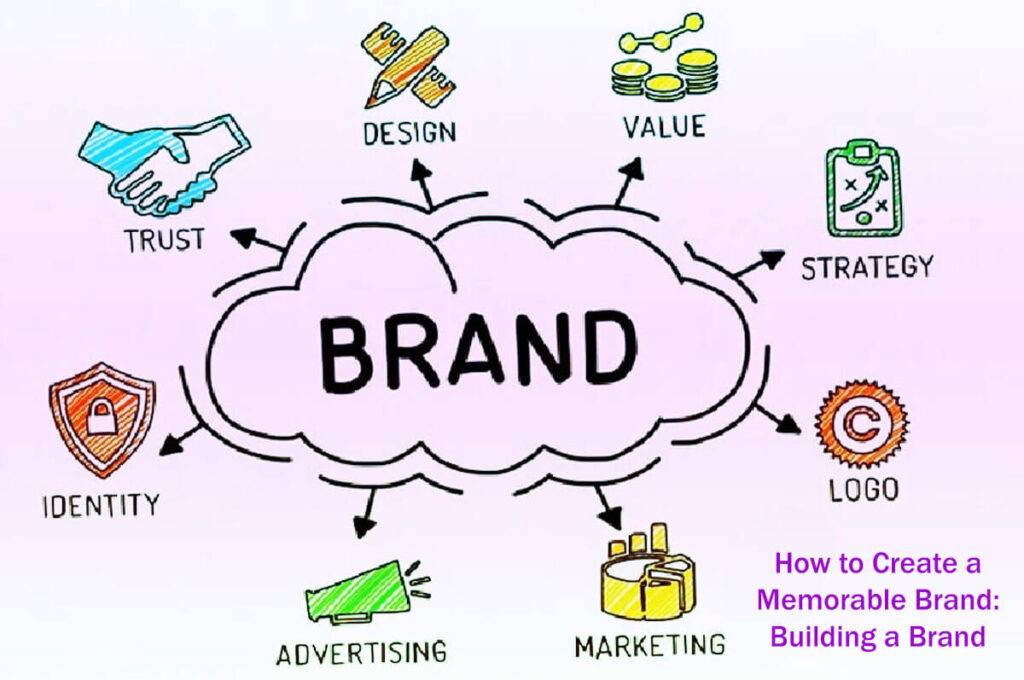
Adding audience polls and surveys can really improve your marketing.
These tools assist you in understanding your target audience’s preferences, behaviors, and thoughts.
They work like informal focus groups, giving you real-time feedback that can shape your customer service, product development, and marketing.
There are strong reasons to use polls and surveys in your business.
First, they provide up-to-date information on what your audience wants and values, helping you adjust your products or services.
Second, these tools help your followers feel connected to your brand and show them that you value their input.
When more people take part in your polls, your social media numbers go up, and you build stronger customer loyalty.
Surveys also help you make decisions based on real data, not just guesses about what your audience wants.
This information helps you base your strategies on what customers actually need, reducing the likelihood of costly mistakes.
5. Create a Rewards Program
Setting up a strong rewards program is also important for building customer loyalty and engaging people.
To create a rewards program that works, you need to really understand your audience’s demographics.
Means knowing things like their age, gender, marital status, education, location, and the products they like and have bought before.
With this information, you can create rewards that really matter to your audience.
For example, if your research shows customers want convenience, you could offer free shipping or faster delivery as rewards.
If you have loyal customers, a points system can encourage them to earn discounts on future purchases, helping them keep coming back.
By carefully building these programs, you can boost customer satisfaction and grow a strong community around your brand, leading to long-term success.
Make Your Rewards Program Easy to Access
Make sure your rewards program is easy to find and simple to use on your website. Helps more people get involved.
Add a clear rewards program section on your homepage, and use strong calls to action to encourage visitors to join.
Use bold graphics, easy-to-find buttons, and simple navigation so visitors don’t run into obstacles.
Promote your rewards program across platforms to reach more people.
Create newsletters that showcase your program’s benefits, share member success stories, and include visuals such as infographics or testimonials.
Use social media to run lively campaigns with promos, short videos about the perks, and customer feedback that highlights your program’s value.
By using several channels, you’ll raise awareness and likely boost sales as customers see real benefits from joining your program.
6. Encouraging Email Subscribers
Writing engaging emails is key to growing your subscriber list.
Begin with catchy subject lines that make people want to open your emails.
Use curiosity, urgency, or special offers in your subject lines to quickly grab attention.
Also, use data to personalize your emails for each subscriber.
Group your audience by things like what they buy or look at, then send content that matches their interests.
Offer special perks to encourage more people to sign up for your emails.
Give early access to sales, exclusive discounts, or special content, such as eBooks or guides, as incentives.
These perks make subscribers feel special, which helps increase sign-ups and keeps people engaged.
Be careful not to send too many emails, as this can tire out your audience and cause more people to unsubscribe.
Find the right email frequency and keep your subscriber list up to date by removing inactive addresses. Helps your emails reach more people.
Set up a way to track how well your emails are doing by checking things like open rates, clicks, and conversions with analytics tools.
This information will help you improve your future email campaigns.
Harnessing the Power of Content Repurposing
7. Art of Repurposing Content
Turning your best content into different formats can help it reach more people and stay useful longer.
This approach helps you get more value from your content by sharing it in new ways and reaching different groups in your audience.
Remember, people like to get information in different ways.
Offer your content as articles, videos, podcasts, or infographics to match different preferences.
Sharing the same message in different formats helps people remember it better.
To get started, use analytics to find your top-performing content.
Look for blog posts or other content that got lots of shares or comments.
Once you’ve found your best content, try these ways to reuse it:
Convert blog posts into videos by making short, engaging summaries of your articles.
Tools like Canva’s Magic Write can help you quickly make eye-catching, informative videos.
Create social media graphics that highlight the main points from your blog posts.
Use tools like Canva’s Magic Switch to create designs that fit different social media platforms quickly.
Try turning a popular blog post into a podcast episode script.
Podcasts let you connect with your audience through discussions and interviews, offering a new way to share your content.
To help more people find your repurposed content, use SEO best practices, such as adding keywords, meta tags, and descriptive titles.
If you’re out of ideas, try free brainstorming tools to generate new topics and formats.
Building Successful Partnerships with Aligned Brands
8. Build Successful Partnerships with Similar Companies
Partnering with brands that align with your values can expand your audience and reinforce your brand identity.
Start by looking for partners whose goals and audiences are similar to yours.
Take time to study your industry and see who might be a good fit.
Find companies or people who share your values and have similar audiences.
Check their reputation, product quality, and audience engagement before reaching out.
Remember, working with another brand links your image to theirs, so choose your partners carefully.
Good partnerships can lead to joint promotions, events, or shared content that build trust and loyalty for both brands.
Maximizing Partnerships through Collaboration
After you find potential partners, the next step is to explore how you can both use each other’s platforms to benefit your businesses.
Working together on social media is a great way to boost your visibility and get people involved. Creative approaches can yield strong results when well planned.
For example, you could create co-branded posts that combine both brands’ identities.
Not only does it highlight what each brand does well, but it also attracts followers from both sides, making your content more interesting.
Another effective idea is to give each other shout-outs.
When you share each other’s news and updates, you reach more people who are likely interested in what you both offer.
You can also try social media takeovers, where you and your partner temporarily manage each other’s accounts.
Let’s let your followers see new content and perspectives, and help both brands reach people who might not yet know about them.
You can also boost engagement by running joint promotions or putting together industry round-ups.
For example, writing a blog post together about new trends in your field can show both brands as experts and give useful content to both audiences.
Hosting fun social media giveaways or contests can engage both groups of fans, often attracting more followers and boosting brand awareness.
It’s usually better to team up with brands that complement yours rather than direct competitors.
For example, if you have a skincare business, consider working with a health and wellness brand rather than another skincare company.
This way, you can reach similar customers without competing directly, which helps you get the most out of your promotions and avoids hurting your own sales.
9. Building a Purpose-Driven Movement
One powerful way to make a difference and raise your brand’s profile is to start a movement for a cause you truly care about, especially if it fits your business’s mission and values.
For example, if you work in healthcare, you could run ads on Google, Facebook, and Instagram to raise awareness of mental health.
You could share real stories and testimonials from people who have benefited from your products or services, making your message more relatable and meaningful.
To make an even bigger impact, connect with popular blogs, lifestyle magazines, and social media influencers who care about the same cause.
When you share your mission and show how your business has helped people, you get these influencers involved and naturally reach more people.
You might also host webinars or local events with mental health professionals.
These events can spark important conversations and give people useful information about your cause, helping your community get more involved.
With a well-planned approach, you can encourage real action, drive change, and amplify your brand’s impact.
Taking this purpose-driven path shows your brand’s dedication to its vision and helps build a community where people feel valued and supported.
It’s also important to show your core values through strong visuals that connect with your audience.
Finding the right mix between following design trends and keeping your brand’s look consistent is key to building a lasting brand identity.
If you want more resources to improve your brand’s visuals.
You’ll find helpful design tutorials and tips there that can really improve how your brand looks to your audience.
Investing in visual storytelling will help people remember your brand and show the real purpose behind your business.
What Is A/B Testing? How It Works: A Beginner’s Guide in 12 Easy Steps
What Is a Lead Magnet? How to Create One: A Complete Guide in 12 Easy Steps
What Is Growth Hacking? The Ultimate Guide to Success: 13 Easy Steps
How to Monitor Your Competitors: 15 Easy Ways To Track Them
How to Promote Your Business Locally: 20 Easy Ways to Grow Your Local Business