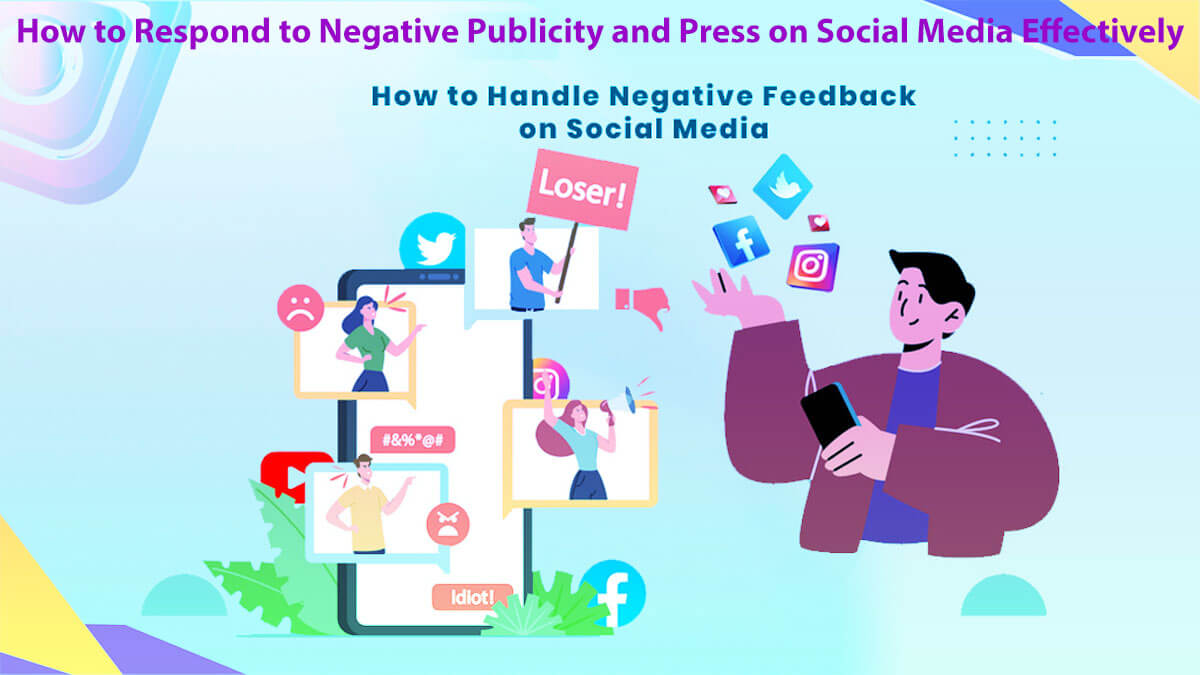





Here are 7 easy steps on how to respond to Negative Publicity and Press on Social Media Effectively. If you’re dealing with bad reviews, a brand crisis, or protecting your reputation online, these tips will guide you through tough situations.
You’ll learn how to address misinformation, respond to criticism, and rebuild trust with your audience so your business stays strong and positive online.
The Rapid Spread of Negative Publicity.
Negative publicity can spread quickly, especially because news travels instantly online
If your organization isn’t ready to respond quickly and wisely to bad press, your reputation and finances could suffer serious harm within hours.
Every organization, no matter how big or small or what industry they’re in, can sometimes face negative coverage. It’s a common experience that reminds us how important it is to stay prepared and stay positive.
Backlash can come from many sources, such as a negative customer review, a biased news article, or an unflattering video shared on social media.
In our always-connected world, the effects of negative attention can feel overwhelming.
A small mistake or minor incident can quickly turn into a trending story, drawing public attention and scrutiny in just a few hours.
How to Respond to Negative Publicity and Press on Social Media Effectively: 7 Easy Steps
Negative Publicity Response: Ways to handle bad media coverage and reduce its effect on how people see your brand.
Handling Negative Press: Tips for dealing with negative articles, reports, or broadcasts to keep your brand’s image strong.
Social Media Crisis Management: Ways to guide your brand through tough times on social media and keep talking with your audience.
Online Reputation Management: Steps to watch over, respond to, and improve your brand’s image online.
Responding to Bad Reviews: How to handle negative customer feedback in a helpful way that encourages solutions and builds loyalty.
Brand Crisis Communication: Creating clear ways to share your brand’s message with stakeholders and the public during a crisis.
Dealing with Negative Coverage: Ways to push back against harmful media stories and highlight the good things about your brand.
Correcting Misinformation Online: How to spot false information about your brand and set the record straight.
Managing Backlash on Social Media: Tips for dealing with criticism or outrage online, encouraging positive conversations, and reducing harm.
Removing Negative Content: Ways to take down harmful online content that could hurt your brand’s reputation.
Online Brand Protection: Steps to keep your brand’s online identity safe and protect it from possible threats.
Business Reputation Repair: Ways to rebuild your brand’s image after a setback, with a focus on winning back trust and loyalty.
Social Media Monitoring Tools: Tools and software that help you track mentions, feelings, and the overall health of your brand on social media.
Customer Complaint Response: How to quickly and kindly handle customer complaints, turning bad experiences into good outcomes.
Corporate Apology Strategy: How to create honest and effective apologies after mistakes or controversies that impact how the public sees your brand.
Crisis Response Plan: A clear plan that lists the steps your business will take to handle crises and keep things running smoothly.
Rebuilding Brand Trust: Actions to help win back customer confidence after bad press or problems with performance.
Managing Online Criticism: Ways to respond to criticism online that show you are open and engaged with your stakeholders.
Digital Reputation Defense: Steps to keep your brand’s online image positive and respond to negative information when needed.
How to Recover from Bad Press: A guide to effective ways to bounce back from negative media coverage and rebuild your brand’s credibility.
How to Respond to Negative Publicity
When faced with negative publicity, your first instinct might be to pull back and avoid responding.
But ignoring the problem often makes things worse and can cause lasting damage.
Instead, taking a proactive and thoughtful approach is key to limiting damage and rebuilding trust in your brand.
To handle negative press and help your business recover, try these seven important strategies:
Spot Negative Publicity Quickly: Keep an eye on different platforms for any mentions of your brand.
Use tools such as social media monitoring and review sites to identify negative comments as soon as they appear.
Correct False Information: If you see any mistakes or misleading statements, respond right away with the correct facts.
Stops misinformation from spreading and shows you value transparency.
Act Quickly: Responding fast can stop a small problem from turning into a bigger crisis.
Waiting too long can lead to more public speculation and mistrust.
Admit Your Mistakes: Owning up to errors and taking responsibility shows integrity. It can go a long way in winning back public trust and loyalty.
Explain Your Solution: Be open about what steps you’re taking to fix the problem.
Sharing your plan helps build trust and reassures people that you’re committed to solving the issue.
Share Good News: Balance out the negativity by sharing positive updates, recent successes, and customer testimonials that show your company’s value.
Ask to Remove Harmful Content: If you find incorrect or harmful material online, try to get it removed to improve your online image.
Some of these steps you can handle yourself, but others might need expert help.
If it feels overwhelming, working with a professional reputation management firm can be very helpful.
These experts can manage negative reviews, request corrections or removals, and help rebuild your brand image, so you can focus on running your business.
The Simplest Part of Responding to Negative Publicity
Receiving notifications when your company is mentioned is crucial. Setting up alerts is a quick and straightforward action you can take right now.
Start by creating Google Alerts for your brand, product lines, key executives, and frequent misspellings.
This way, you’ll get timely notifications whenever your brand appears online, giving you important insights and letting you respond quickly.
The type and seriousness of the negative publicity will guide your next steps. For example, a single one-star review might need a thoughtful response from customer service.
But larger issues, such as product safety, data breaches, or major failures, will require a comprehensive strategy and teamwork across departments.
Replying to customer reviews is a key part of managing your online reputation.
Responding quickly and respectfully to criticism and explaining your next steps shows your commitment to customer satisfaction.
People will judge your replies as closely as the original complaints, so your response is an important part of your public image.
For bigger issues, take some time to think things through and prepare a clear, strategic response.
The more serious the issue, the more careful and open your communication should be.
The Challenge of Handling Negative Publicity
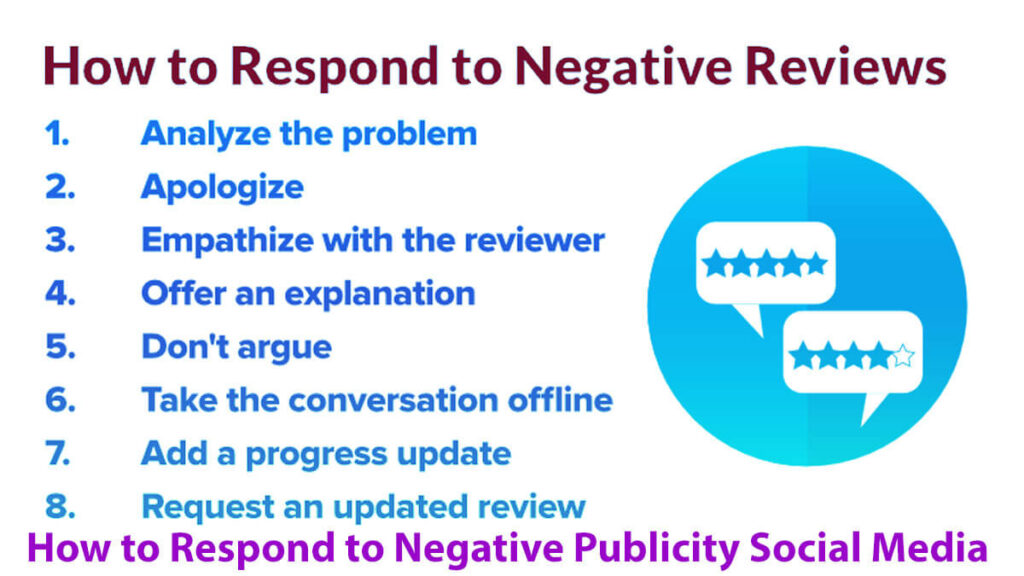
Once you spot negative publicity, acting quickly is crucial.
Dealing with backlash means more than just noticing it. You need a solid plan with real steps that tackle the root problems, not just empty promises.
To make sure your efforts connect with the public, keep communication open with customers, the media, and stakeholders as you work through the issue.
At the same time, sharing regular positive updates about your company can help shift the story and show progress and stability.
Remember, handling these challenges takes time and good judgment across public relations, legal issues, customer support, and operations.
Many businesses don’t have dedicated crisis management teams to handle these tough situations.
If this process feels overwhelming, there are reputable reputation management services that can help you create a strategy and handle outreach.
For urgent legal matters—such as defamation claims or invasion of privacy—consulting with a knowledgeable media or defamation attorney is advisable.
Still, it’s important to be careful and get good legal advice to handle these complex situations well.
Professional management services can help you build a strong strategy to improve your brand’s reputation and reach your audience effectively.
In urgent legal matters, particularly those involving defamation or invasion of privacy, seeking guidance from a well-informed media or defamation attorney is highly recommended.
Keep in mind that legal action may sometimes be needed, but it often takes longer and costs more than proactive reputation management.
Working together to manage your reputation can be faster and more affordable, helping you solve problems quickly and build a positive image.
Step 1: Quickly Spot Negative Publicity
To handle negative publicity around your brand, you need to keep a close eye on your online presence. Google Alerts is one of the best tools for this job.
This free service notifies you whenever your brand is mentioned online, so you can stay informed about what people are saying regarding your business. Start by setting up alerts that cover different aspects of your brand.
Include your full business name, names of key executives, product lines, and keywords that might show customer dissatisfaction, like “Brand refund,” “Product broken,” or “Service complaint.”
It also helps to add common misspellings and acronyms related to your brand to catch more mentions.
Each alert includes a short preview and a link to the source so that you can respond quickly.
Choose the “as-it-happens” setting to get real-time notifications and address issues right away.
For better teamwork, send these alerts to a shared inbox so your team can watch for and handle problems together.
How quickly you respond can make a big difference in how you solve problems and how people see your brand.
Google Alerts is a free and easy way to keep track of your brand, so you don’t have to search manually.
To make this system stronger, establish clear steps for your team to follow when handling alerts so nothing gets missed.
You might assign certain alerts to specific team members or hold regular meetings to review recent mentions.
Step 2: Correct Any False Information
If negative coverage contains incorrect facts about your brand, address the issue quickly and clearly.
Start by contacting the publisher of the incorrect information.
Share clear facts and reliable sources to support your case, and politely but firmly ask for a correction or removal of the wrong information.
Be professional and focus on solutions. Editors usually respond better to clear facts than to emotional arguments.
Often, this direct approach leads to a quick fix, so you can move on and limit any harm.
If you get a correction, thank the publisher for their help in fixing the information.
Also, keep careful records of all your communications and any changes for your own files.
But remember, not all negative publicity is based on false information. If the claims are true or mostly true, asking for removal won’t be effective.
In these cases, it’s important to admit the problem and explain what you’re doing to fix it.
Here’s how you can handle this process well.
Claim All Your Business Profiles
Claiming your business profiles on social media and review sites helps you manage how your brand appears online.
Owning these profiles lets you fix mistakes and talk directly with customers, giving them the information they need.
Many businesses forget to claim these profiles, which can lead to misrepresentation and negative consequences.
For example, you could receive a harsh review on Yelp that’s actually meant for a different business.
If you’ve claimed your profile, you can respond with proof and ask for moderation based on the platform’s rules.
Claiming your profile also lets you contact the reviewer directly and clear up any misunderstandings.
Every platform has its own rules. Some let you remove posts that break community standards, while others prefer public responses to solve issues.
No matter the platform, owning your profile helps you respond quickly and confidently.
To build a strong online presence, claim these important profiles based on your business type:
Yelp: Essential for reputation management and customer feedback.
Google Business Profile (formerly Google My Business): Crucial for local search visibility and customer engagement.
Meta Business Suite (for Facebook and Instagram): Important for maintaining a brand presence on social media.
G2: Relevant for B2B companies seeking customer feedback and reviews.
Yellow Pages: Useful for local businesses to reach potential customers.
Angi: Valuable for home services and contractors looking to build trust with clients.
Glassdoor: Important for managing employer branding and employee feedback.
The specific platforms most relevant to your brand will depend on your industry and geographic focus.
For instance, a local contractor may prioritize platforms like Angi and Yellow Pages, while a B2B software company should focus on building a strong presence on G2.
If your business has more than one location, make sure all your listings are consistent. Check your hours, categories, and NAP (name, address, phone) details to ensure everything is clear and trustworthy.
Choose the Right Channels
When choosing how to share your message, take time to look at all your options so you can reach your audience in the best way.
Begin by identifying your target audience, as understanding who you’re aiming to reach helps you choose the best platform for your message.
Social media can be a lively and interactive way to connect with many people.
Each social media platform—like Twitter, Facebook, Instagram, or LinkedIn—has its own style and audience. Customize your message to fit each one.
Press releases are also useful, especially if your message needs to be formal or you are sharing important news.
A clear, well-written press release can catch the eye of journalists and media outlets, helping your news reach more people.
Direct outreach to key groups such as clients, partners, or employees can be highly valuable.
You can do this through emails, newsletters, or meetings. These options let you add a personal touch and get quick feedback.
The way you share your message can make a big difference in how many people see it and how well it works.
Please take a moment to carefully consider the advantages and potential disadvantages of each option, ensuring your message genuinely resonates with your audience and helps you accomplish your objectives.
Monitor Public Reactions
Once your message is out, it’s important to keep an eye on how the public and media react.
Use different tools and social media sites to see how people feel about your message, how much they interact with it, and what feedback they give.
You might use software to measure positive, negative, and neutral reactions, and track mentions on social media, news sites, and blogs.
Check platforms like Twitter and Facebook that offer analytics to see how people are reacting to your message in real time.
You might find it helpful to use surveys or feedback forms to gather more insights into what your audience is thinking. This way, you can better understand their perspectives and needs.
By taking these steps, you can see how your message is working and spot any concerns or confusion early on.
Paying attention to feedback lets you adjust your approach quickly, so your message connects, and the conversation stays on track.
Engage Proactively with Your Audience
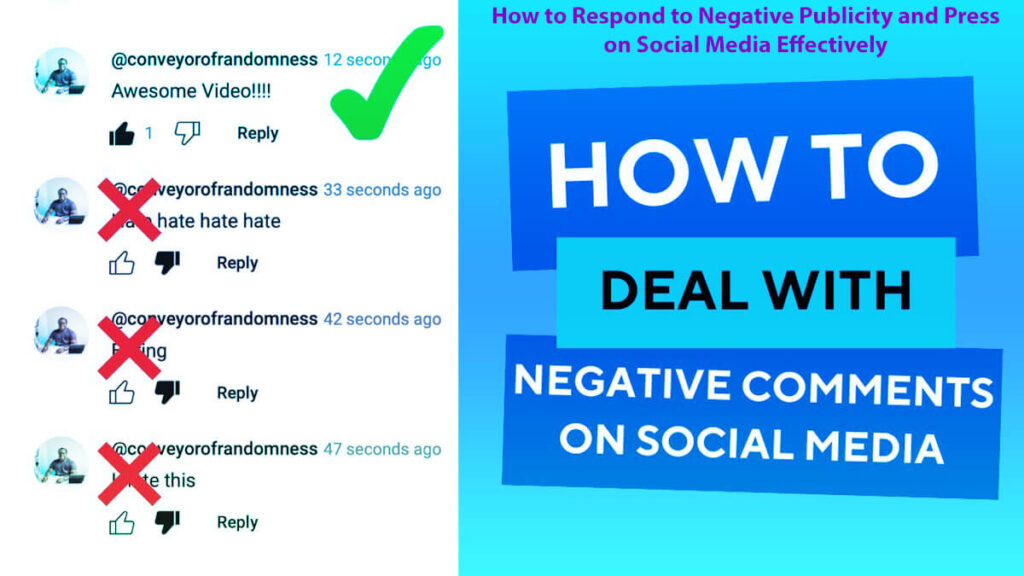
Be prepared to address comments and questions that may arise after you share your message.
When you reply thoughtfully to feedback, you show that you care about being open and honest. It also gives you a chance to have real conversations.
Joining in these conversations helps you understand what your audience thinks and worries about.
Being this engaged is important for rebuilding and strengthening trust if it has been lost.
It demonstrates to your audience that you genuinely appreciate their feedback and pay attention to their concerns and ideas.
When people feel heard and respected, they are more likely to stay loyal and informed.
Ultimately, staying dedicated to good communication can enhance your reputation and help you forge stronger connections with your audience.
Step 3: Act Before the Problem Escalates
Once you know the issue is real, avoid hiding it or hoping it will go away on its own. That rarely happens.
At the same time, respond promptly but don’t rush to make public statements. Quick, poorly worded posts or quotes can easily become headline news.
Pause to assess what’s happening carefully. Acting quickly doesn’t mean you should panic.
First, focus on your team. Gather the key facts, ensure everyone is on the same page, and designate a company spokesperson.
Develop a Comprehensive Response Strategy
It’s important to set up a clear response plan.
Your plan should guide both your team and your public communications, so everyone knows how to respond.
Write down your plan and share it with everyone, from leaders to front-line staff, so each person knows their role.
Your response plan must include the following critical components:
Assessment of Negative Publicity: Make a clear outline of the negative attention your brand is getting and why it’s happening.
Provide information about what happened, when it took place, and possible impacts.
This way, everyone involved knows the facts and understands the impact.
Approved Messaging: Prepare official messages that directly address the negative publicity.
Your messages should include a short statement acknowledging the situation, an FAQ addressing likely questions, and clear rules for social media responses.
Designated Point Person: Choose one person to handle all communications about the issue.
Helps you give clear, accurate information to the media, partners, and customers, and keeps everyone on the same page.
Resolution Strategy: Clearly explain how your organization will fix the problems that led to the negative coverage.
Assign responsibilities for each part of the solution, set clear milestones, and create deadlines to keep everyone updated.
After you finish the plan, hold a meeting with all employees and leaders to make sure everyone understands it.
Mixed messages can hurt trust and credibility, and may make things worse. Act quickly and put your plan into action to prevent the problem from growing.
Managing a crisis response means handling many moving parts, and mistakes can make things even harder.
If you lack experience in crisis communication, consider hiring a reputable online reputation management firm to assist with your response.
Step 4: Take Responsibility for Your Mistake
If the criticism is fair, it’s important to fully own the situation. Getting defensive or making excuses will only make things worse.
Be open and humble. Admit what went wrong, who was affected, and what part you played.
Give a clear, honest apology and explain the steps you’re taking to fix the problem.
Now is not the time to deny or deflect. Don’t try to justify your actions. End your message with a real apology and a clear plan for what comes next.
Brands that admit mistakes and show they’re working to fix them usually recover faster than those that stay silent.
It’s normal to feel upset by negative feedback, especially if it seems unfair.
But remember, customers only see their own experiences and might not know about your efforts to improve things behind the scenes.
Meet your customers where they are. Acknowledge their feelings and focus on finding solutions to fix the problem.
Don’t make big changes based on feedback from just one or two isolated cases.
Focus on specific changes unless you see a clear pattern that calls for a bigger shift in your approach.
Step 5: Describe How You Resolve the Issue
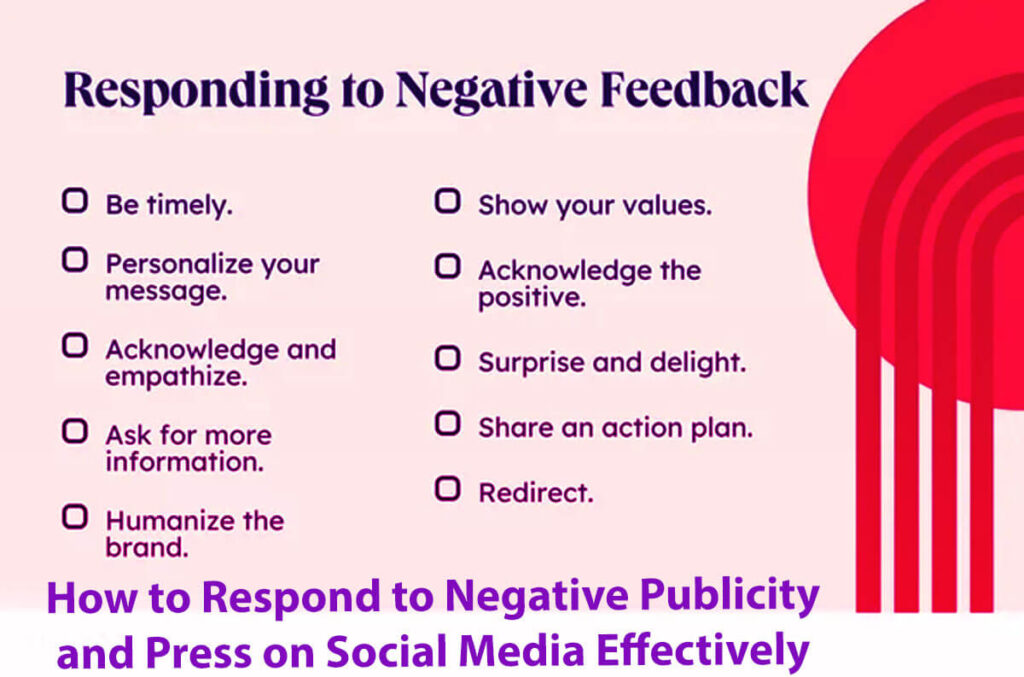
Consider this step as your action plan. You’ve communicated your main message, and now it’s time to focus on the specifics of how you’ll implement the solution.
Clearly state which issues you’ll address, who is responsible for each task, and set a realistic timeline to finish them.
Your action plan will depend on how serious the issue is. For example, a rude customer support call might need extra training and better processes.
But if the problem is bigger, like a product defect, data breach, or safety issue, you may need to take bigger steps like audits, recalls, refunds, or bringing in outside experts.
Adjust your response based on the seriousness of each situation.
Be clear and specific in your updates. Explain exactly what changes you’ll make, how you’ll prevent the problem from happening again, and how you’ll make things right for affected customers.
Don’t make vague promises. They only hurt trust and damage your credibility.
As you carry out your plan, keep everyone updated on your progress.
Regular updates show you’re serious about fixing the problem and help stop rumors before they start.
Keep communicating clearly and often to reassure everyone that you’re committed to solving the issues.
Be Transparent
Owning up to mistakes and offering solutions is just the first step, not the end of the process.
Staying transparent as you work through a problem helps build patience and goodwill with your stakeholders, which is especially valuable when things get tough.
Protecting your business matters, but hiding important information that will eventually surface can be just as harmful.
It can seriously hurt your credibility and trust.
So, share enough background to show you are serious about fixing the issue and committed to finding a solution.
Don’t promise more than you can deliver.
If a real solution will take two months, be honest about that instead of saying it will only take two weeks and risking your reputation.
Set clear, realistic goals and focus on meeting them.
If being this open feels overwhelming, think about bringing in crisis communication experts.
They can help you write clear updates and prepare your team to share your messages well.
Step 6: Share Positive Details About Your Business
Negative stories can persist for a long time and may remain online forever, even after the issue is resolved.
A great way to counter negative publicity is to regularly share positive, useful content.
Ensure this content ranks higher than old negative stories in search results and on social media.
Here are some ways to do that:
Incorporate Positivity Into Your Response Strategy
Add positive messages about the situation to your communication plan.
Talk about new steps you’re taking to protect customers, improve quality, get involved in the community, or support sustainability.
Focus on fixing the current problem, but also show that your organization is more than just this one negative event.
Include these messages in your main response plan to show your organization is learning, growing, and making a positive difference while handling challenges.
Share Positive Stories Separately
Besides adding positive messages to your regular updates, create separate content that highlights your company’s strengths.
Could be customer testimonials, case studies, new product features, awards, or interesting behind-the-scenes stories that show your core values.
Use clear titles and keywords to help people find this content easily.
As more people click and share your positive content, it will move up in search results, pushing negative stories lower so fewer potential customers see them.
Use Social Media to Share Positive Content
Use your social media channels to spread your positive content as widely as possible.
Share links to interesting blog posts, spotlight employee achievements, and celebrate customer successes.
Be consistent with your updates. Regular, genuine posts remind people that one incident doesn’t define your organization.
The more positive and meaningful interactions you create, the faster negative stories will fade from people’s minds.
In short, handling a crisis with openness and positivity helps you tackle problems and shows your commitment to growth and doing the right thing.
By using these strategies, you can rebuild trust, strengthen relationships, and emerge from the situation with a stronger reputation.
Step 7: Removing Negative Press from the Web
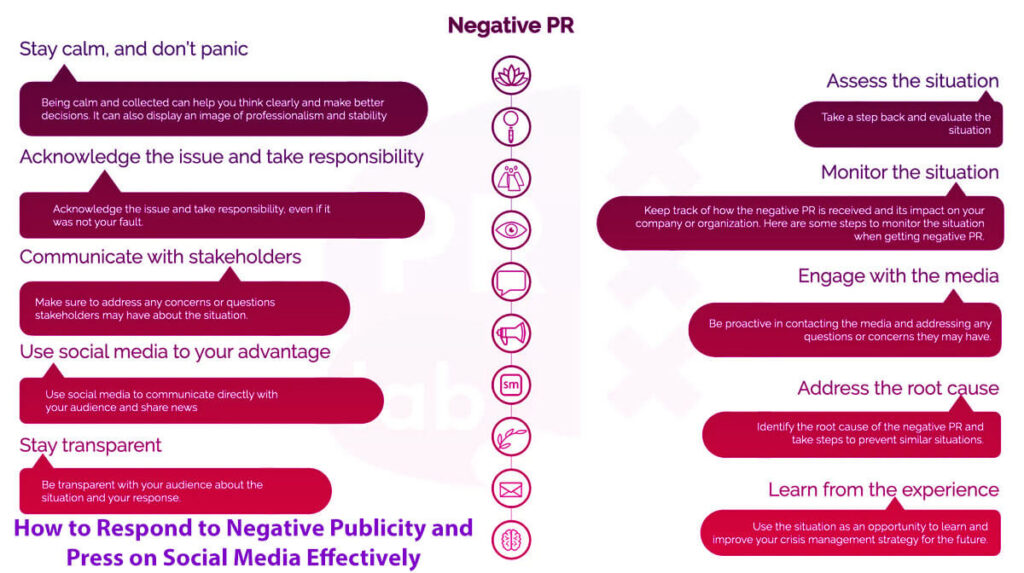
Once you have addressed the issues behind the negative press and shared your side of the story, the next step is to see if you can have harmful articles or content taken down from the internet.
It’s important to approach this stage carefully and with a plan. Avoid rushing into asking for content to be removed immediately.
Getting content removed can be complicated, time-consuming, and not always yield clear results.
That’s why it’s important to work on rebuilding your reputation and creating positive content at the same time.
Taking both steps together will help protect and enhance your brand image as you address the challenges of removing content.
There are several ways you can try to get negative news articles taken down.
Some common methods include sending formal appeals based on rules regarding accuracy, privacy, or outdated content.
If someone has used your materials or images without your permission, you might be able to file a copyright claim to have them removed.
If the issue is defamation, you may need to take legal action to protect your rights.
Keep in mind that every media outlet has its own rules and forms for these requests, so it’s important to learn what each one needs.
Start by making a complete list of all the web links to negative articles or content about you.
It can help to sort them by severity or type. After you have a solid plan, contact each publisher individually.
Adjust your message for each publisher. Point out any mistakes in their reporting, and if you can, include documents that back up your claims.
If your personal information has been shared without your permission, request its removal following the publisher’s policies.
If your removal requests are denied, don’t get discouraged. There are still effective ways to handle the situation.
You can ask search engines to make these links less visible, or even remove them from search results, if their policies allow it.
Keep making and sharing strong, trustworthy content. Over time, this can help push negative links lower in search results.
If you run into major problems with this process, it might help to hire professionals specializing in online reputation management.
These experts know how to contact the right people, navigate various platform rules, and do their best to hide harmful links when they can’t be removed.
If your legal rights might be at risk, talk to a qualified attorney. They can review your situation and give you advice on what to do next.
Taking these steps will help you address current problems and build a stronger, more resilient online presence for the future.
How to Respond to Negative Publicity: Frequently Asked Questions (FAQ)
What steps should I take immediately after negative publicity?
Take a close look at what happened and collect all the important details.
Make sure you fully understand the facts behind the negative publicity.
Decide on the main points you want to share.
Should I respond publicly or privately?
It depends on what happened. If the negative publicity is getting a lot of attention, you may need to respond publicly. For more personal matters, a private response might be better.
How can I formulate an effective response?
Respond quickly so people hear your side of the story.
Be open about the situation. If the criticism is fair, admit it and explain what you’re doing to fix things.
Keep calm and avoid getting defensive. Stick to the facts when you communicate.
What tone should I use in my response?
Speak professionally and show empathy. Let people know you understand their concerns and want to address them.
Do I need to apologize?
If you made a real mistake, it’s okay to apologize. Make sure your apology is genuine and speaks to the specific problem.
How can I prevent negative publicity in the future?
Reach out to your audience before problems arise.
Keep an eye on how people see you and respond to their feedback.
Ensure your organization acts ethically to build a strong reputation.
Should I involve legal counsel in my response?
If you think the situation could lead to legal trouble or serious claims, it’s a good idea to talk to a lawyer.
What if I receive backlash after my response?
Be ready for more criticism and adjust your approach if needed. Keep being open and talk to critics directly in a positive way.
How can I rebuild my reputation after negative publicity?
Highlight your positive actions, successes, and community involvement to shift the conversation.
Share stories and updates that show your values and what you stand for.
When is it okay to move on from the situation?
After you’ve dealt with the issue and listened to concerns, it’s okay to move forward. Keep an eye on public opinion, but stay focused on your main goals.
Handling negative publicity well is key to maintaining your reputation and trust. Tackle each situation with care and stay proactive.
Negative Publicity Response: Ways to handle bad media coverage and reduce its effect on how people see your brand.
Handling Negative Press: Tips for dealing with negative articles, reports, or broadcasts to keep your brand’s image strong.
Social Media Crisis Management: Ways to guide your brand through tough times on social media and keep talking with your audience.
Online Reputation Management: Steps to watch over, respond to, and improve your brand’s image online.
Responding to Bad Reviews: How to handle negative customer feedback in a helpful way that encourages solutions and builds loyalty.
Brand Crisis Communication: Creating clear ways to share your brand’s message with stakeholders and the public during a crisis.
Dealing with Negative Coverage: Ways to push back against harmful media stories and highlight the good things about your brand.
Correcting Misinformation Online: How to spot false information about your brand and set the record straight.
Managing Backlash on Social Media: Tips for dealing with criticism or outrage online, encouraging positive conversations, and reducing harm.
Removing Negative Content: Ways to take down harmful online content that could hurt your brand’s reputation.
Online Brand Protection: Steps to keep your brand’s online identity safe and protect it from possible threats.
Business Reputation Repair: Ways to rebuild your brand’s image after a setback, with a focus on winning back trust and loyalty.
Social Media Monitoring Tools: Tools and software that help you track mentions, feelings, and the overall health of your brand on social media.
Customer Complaint Response: How to quickly and kindly handle customer complaints, turning bad experiences into good outcomes.
Corporate Apology Strategy: How to create honest and effective apologies after mistakes or controversies that impact how the public sees your brand.
Crisis Response Plan: A clear plan that lists the steps your business will take to handle crises and keep things running smoothly.
Rebuilding Brand Trust: Actions to help win back customer confidence after bad press or problems with performance.
Managing Online Criticism: Ways to respond to criticism online that show you are open and engaged with your stakeholders.
Digital Reputation Defense: Steps to keep your brand’s online image positive and respond to negative information when needed.
How to Recover from Bad Press: A guide to effective ways to bounce back from negative media coverage and rebuild your brand’s credibility.
In Conclusion
Handling negative publicity effectively is important for maintaining your reputation and audience trust. Here are some main points to include in your conclusion:
Acknowledge the Issue: Show that you understand the concerns people have raised and that you take the situation seriously.
Stay Calm and Professional: Keep your tone steady and professional in all your communications, and avoid sounding defensive or overly emotional.
Provide Clear Information: Give honest, straightforward answers to clear up any misunderstandings or incorrect information, focusing on the main issues.
Take Responsibility if Necessary: If there are real concerns about your organization’s actions, be ready to take responsibility and explain what you will do to fix the problem.
Outline a Way Forward: Let people know your plan for moving forward, including any changes you will make to prevent similar issues from occurring again.
Engage with Your Audience: Invite feedback and questions to encourage open conversation and demonstrate your commitment to getting better.
Using these strategies can help you handle negative publicity, rebuild trust, and strengthen your organization’s reputation over time.
How to Remove Reviews from Facebook: How to Delete a Review on Facebook in 5 Easy Steps
ReputationDefender Review: Details, Pricing, Services, Complete Guide, 8 Easy Steps
How to Fix Your Online Reputation: Manage Your Online Reputation in 8 Easy Steps