




Did you know What Is A Customer Loyalty Program? How to Increase Sales: 9 Effective Strategies. Here are nine practical strategies you can try out! We’ll explore how to design engaging loyalty programs, look at different types, and find friendly ways to boost customer retention
You’ll also see real-life examples, learn about the benefits, and find out how referral programs can make your customer experience even better.
By monitoring essential metrics and fostering brand advocacy, you can cultivate durable relationships with your customers that advantage both your business and your clients.
Few experiences match the excitement of landing new business opportunities.
In today’s competitive marketing world, teams invest heavily in creating engaging messages and positioning their products to attract potential customers.
While finding new sales leads is important, nurturing existing clients and building their loyalty is just as crucial, if not more so.
Research indicates that acquiring new customers can cost up to 6 times as much as retaining current ones, underscoring the critical importance of customer loyalty.
As more businesses recognize this, many are investing in effective loyalty programs and the digital tools that support them.
The fifth annual “State of Marketing” report predicts that marketers will increase their use of loyalty program platforms by 80% in the next two years.
Already, 63% of top marketers use these platforms to strengthen customer engagement, indicating a clear trend toward retention.
Customer loyalty programs are more than just discount offers; they are crucial in enhancing the overall customer experience.
These programs offer personalized deals based on customers’ purchase histories and feedback, making rewards feel meaningful and personal.
When companies partner with other businesses, they can reach more customers and offer attractive rewards to both new and loyal clients.
The report also shows that 63% of top marketers already use loyalty program platforms, highlighting a strong shift toward valuing customer retention in marketing.
This article will examine popular types of customer loyalty programs and share examples of how effective they can be.
But first, let’s define what customer loyalty programs are and why they matter in today’s marketing world.
What You’ll Discover:
- Defining a Customer Loyalty Program
- Importance of Customer Loyalty Programs
- Strategies to Foster Loyalty Throughout the Customer Journey
- An Increased Emphasis on Customer Experience by Marketers
- Highlighting Top Consumer Loyalty Programs
- Steps to Effectively Launch a Customer Loyalty Program
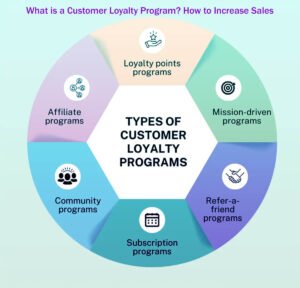
- Different Types of Customer Loyalty Programs
Defining a Customer Loyalty Program
What is a Customer Loyalty Program?
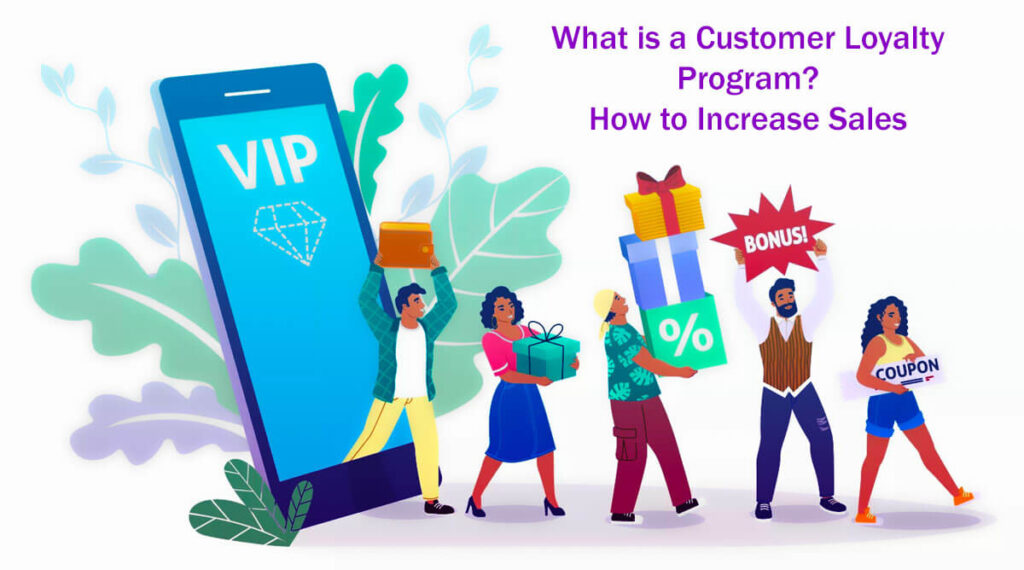
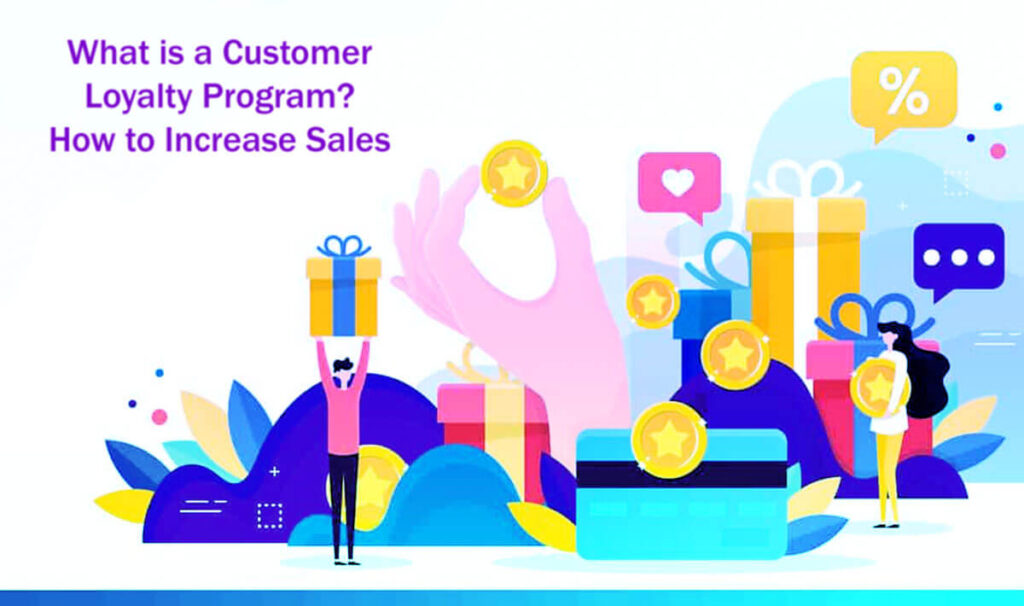
A customer loyalty program rewards clients for repeat purchases or engagement.
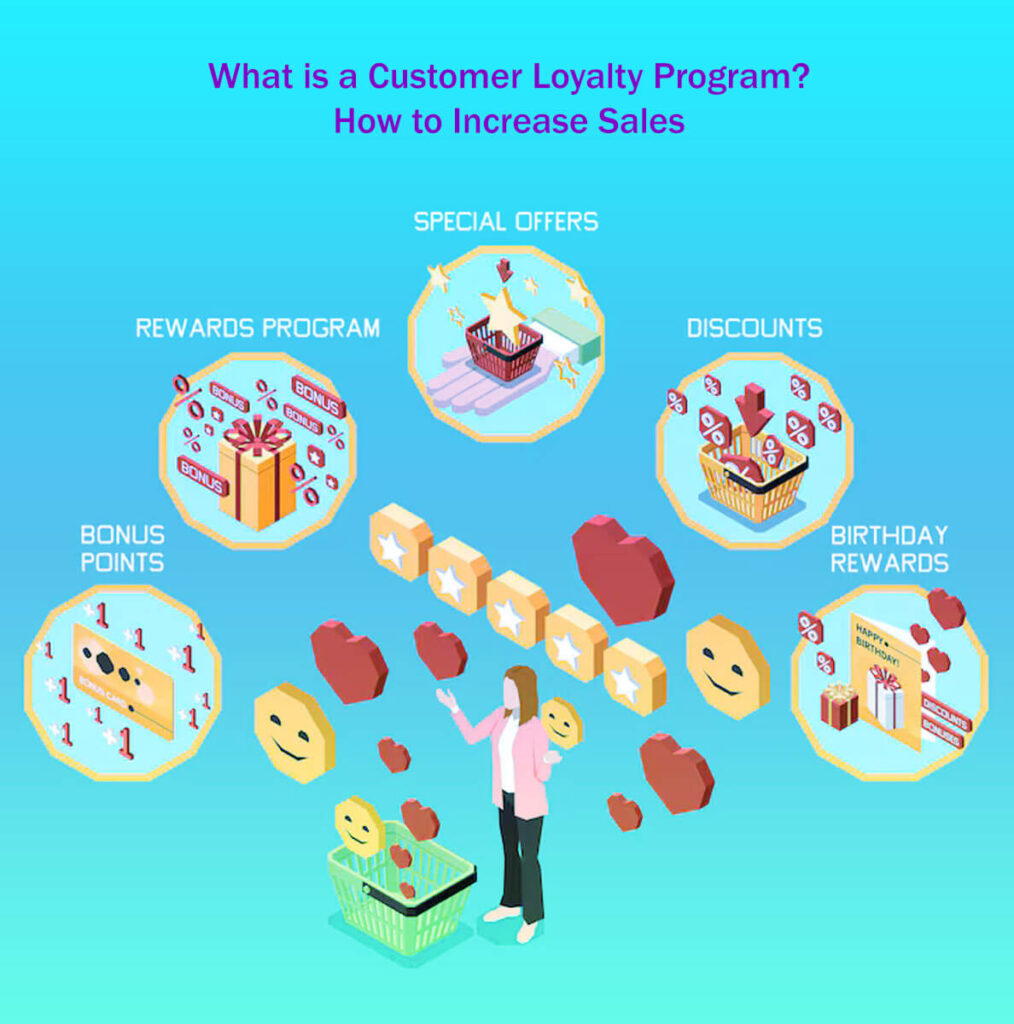
These programs let customers earn points or benefits as incentives, encouraging loyalty with every purchase.
Rewards and perks help build a stronger connection between customers and the brand, turning buyers into repeat customers and even brand advocates.
Incentives can include free products, prizes, special discount coupons, and exclusive perks like early access to new products or special events.
Some businesses hesitate to offer free items because of the cost.
Still, research by psychologist Norbert Schwarz shows that even small gestures can build a sense of reciprocity between customers and brands.
Studies show that loyalty program members may spend up to 18% more than non-members.
Offering small gifts or extra services is a great way to encourage customers to complete their purchases, since most people enjoy getting something for free.
Investing in customer loyalty programs can yield strong returns.
Every dollar spent on these programs can pay off, while losing a customer can lead to a significant drop in long-term revenue.
In summary, building loyalty today takes more than just good prices.
It requires careful customer engagement, trust, and well-designed loyalty programs that improve the customer experience and build long-term relationships.
Essential Role of Consumer Loyalty Programs in Today’s Business Environment
Why Are Customer Loyalty Programs Important?
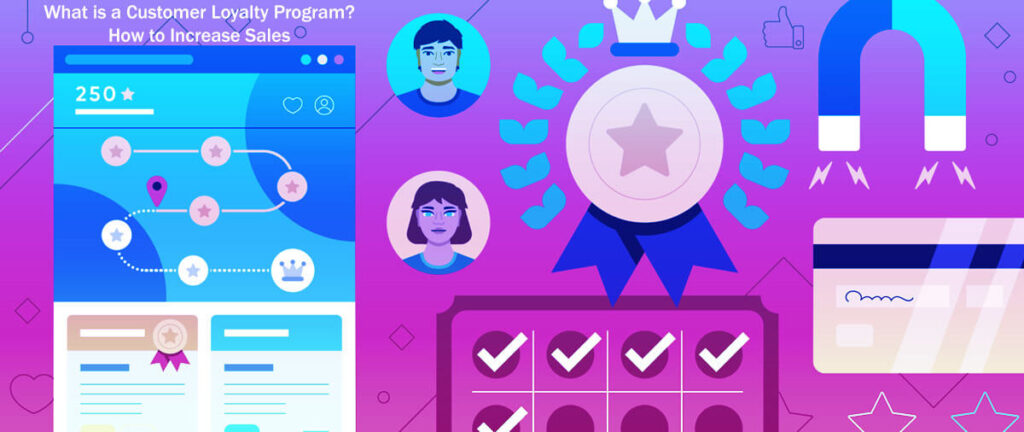
Today, loyalty programs are key for businesses that want to stay competitive and maintain their market position.
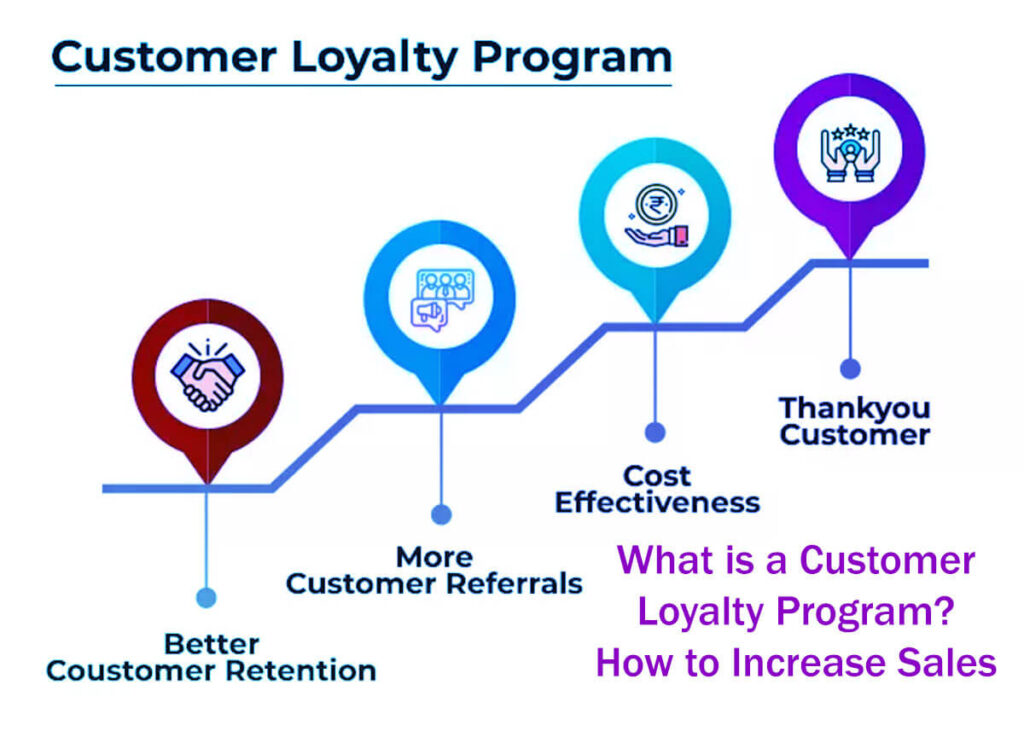
Loyalty programs offer many benefits. They boost customer satisfaction and engagement, and they play a big role in a company’s long-term success.
Enhanced Customer Retention
One of the great advantages of loyalty programs is how they encourage customers to come back again and again.
Today’s customers know a lot and look at more than just price when making decisions.
They also care about things like emotional connection, shared values, and their overall experience with a brand.
As a result, people are more likely to stick with brands that connect with them in different ways.
For example, someone might choose a brand not only for its quality, but also because it supports sustainability, helps the community, or offers great customer service.
Boosting Customer Referrals
Good loyalty programs don’t just keep customers—they also encourage them to refer others.
When customers feel truly rewarded, they often tell friends and family about their positive experiences, becoming strong brand supporters.
This kind of word-of-mouth is valuable. It brings in new customers and helps your business grow.
For instance, giving referral bonuses can motivate customers to recommend your brand to others, which helps loyalty and growth happen naturally.
Cost-Effectiveness
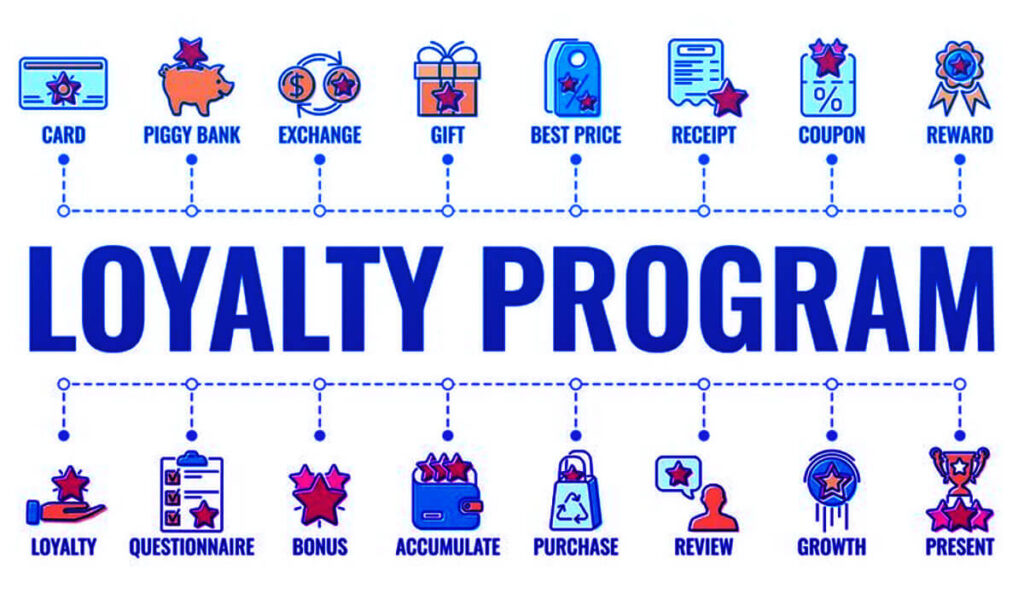
Loyalty programs are also cost-effective.
It costs much less to keep current customers than to keep trying to attract new ones who might choose a competitor.
Loyal customers tend to buy regularly, helping your business maintain steady income over time.
Getting new customers can be expensive because of marketing, discounts, and other costs. Keeping happy customers is usually much cheaper.
Facilitating User-Generated Content
Loyalty programs also encourage customers to create content, like reviews and testimonials.
Satisfied customers tend to share positive reviews and ratings on social media and review sites, boosting sentiment and encouraging others to do the same.
This kind of content builds trust in your brand and can help attract more customers.
Positive online reviews can strongly influence new buyers and make them more likely to choose your brand over a competitor.
Building Loyalty Throughout the Client Journey
How to Build Loyalty at Every Stage of the Customer Journey?
To build real, lasting relationships with customers, companies need a strong loyalty strategy.
Since loyalty is so important, businesses should remember that even a single bad experience can prompt customers to switch to a competitor.
The second annual “State of the Connected Customer” report reveals that many consumers have abandoned a brand after experiencing a better alternative elsewhere.
To prevent this, businesses should focus on building a customer-focused culture before starting a rewards program.
A strong customer service plan is key. It should connect with customers through call centers, social media, and in stores.
Personalized service that takes a customer’s history into account helps build trust and stronger relationships.
Also, offering extra value, like inviting customers to join special online groups for your products or services, can boost loyalty and engagement.
Building Long-Term Partnerships
A well-designed loyalty program does more than attract customers at first; it also builds and deepens the connection between the customer and the brand over time.
Perks might bring in customers for their first purchase, but the real goal is to build a long-term relationship.
Means giving customers regular opportunities to enjoy the benefits of loyalty.
Sending regular, timely messages that focus on each customer’s preferences and milestones can greatly improve satisfaction and the overall experience.
Evolving Marketing Focus on Customer Experience
As loyalty programs become more important, marketing teams are changing quickly.
Marketers used to focus on things like product positioning, messaging, ads, and social media. Now, they also need to build strong relationships with customers at every stage.
To make this change work, everyone in the company needs to understand the customer in the same way.
This big-picture view helps marketing teams connect all parts of the customer experience, from first contact to sales and support after purchase.
With more advanced tools like AI, marketers are using customer data to understand their audience better.
Recent numbers show this trend. Nearly 60% of marketing teams now track customer retention and satisfaction.
The “State of Marketing” report indicates that the typical marketing firm now uses 14 separate data sources, representing a nearly 20% increase from the previous year.
Implementing Specialized Loyalty Programs
Businesses can also shape the customer experience after the first sale by using special loyalty programs.
These programs help companies track key metrics such as churn, response rates, and customer loyalty.
By checking how well their loyalty programs work, companies can see how people view their brand and continue to improve.
In short, loyalty programs aren’t just helpful—they’re necessary for businesses that want to succeed today.
By keeping customers, encouraging referrals, and focusing on customer experience, companies can build strong relationships that lead to long-term success.
Key Metrics for Assessing Consumer Loyalty Programs
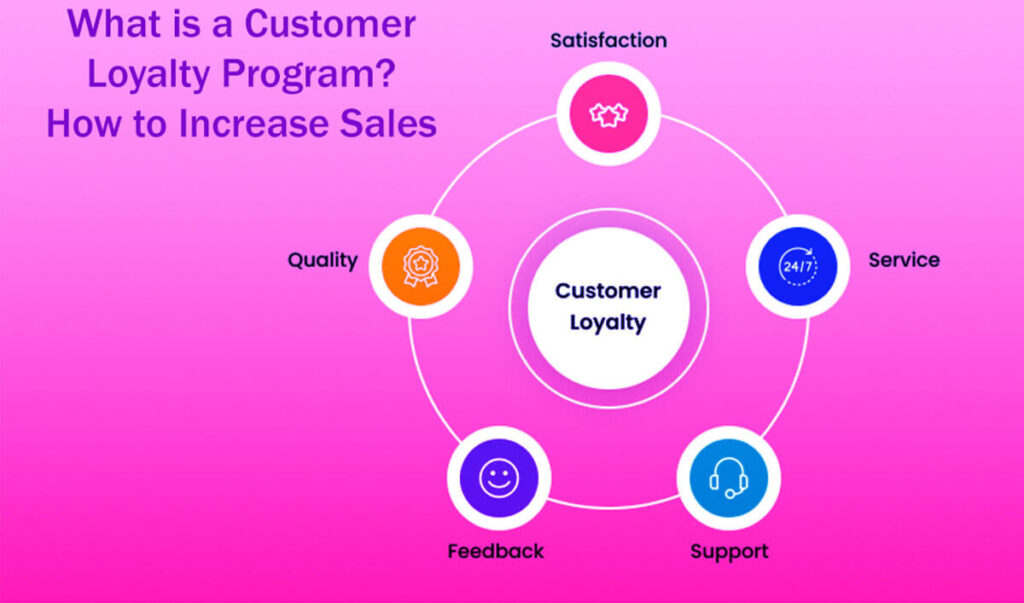
When you evaluate consumer loyalty programs, it’s important to focus on a few key metrics.
These metrics provide valuable insights into how well your loyalty strategy is working and where you can improve.
The Customer Retention Rate denotes the proportion of clients who return to your brand within a designated period.
A high retention rate indicates that your loyalty program is effectively bringing customers back.
When a loyalty program is strong, retention rates usually go up, especially as more members use its special rewards and benefits.
Looking at retention rates helps you see both how loyal your customers are and how profitable they might be over time.
Negative Churn: The usual churn rate shows what percentage of customers stop using your services.
Negative churn, on the other hand, looks at customers who stay loyal and also upgrade their services or buy more from you.
This metric shows that customers are more engaged and satisfied.
By tracking negative churn, you can spot your most enthusiastic customers—the ones who spend more or refer others to your business.
The Net Promoter Score (NPS) measures your customers’ likelihood to recommend your brand, helping gauge their satisfaction.
A high NPS means your customers are loyal and satisfied. A low score indicates areas you might need to improve.
Checking your NPS regularly helps you see how customer opinions change over time.
Customer Effort Score (CES): This shows how easy it is for customers to solve problems with your brand.
You measure CES by asking customers how much effort they had to put in to get what they wanted, like making a purchase or fixing an issue.
A lower CES indicates a smooth, effective customer experience, which helps build long-term loyalty.
Making things easier for customers can greatly improve their satisfaction and encourage them to come back.
What Are the Top Customer Loyalty Programs?
What Are the Best Customer Loyalty Programs?
Some loyalty programs stand out because they do a great job of building and strengthening customer loyalty.
Simple programs often work well, but programs with more complex benefits are also highly valued.
For example, in hospitality, the Starwood Preferred Guest (SPG) program offers frequent customers special perks such as room upgrades, free nights, and VIP treatment.
OpenTable Dining Rewards encourages people to dine out by letting them earn points for reservations, which they can use for discounts on future meals.
Airlines are another good example of effective loyalty programs.
Southwest Airlines’ Rapid Rewards and United Airlines’ MileagePlus give frequent flyers points they can use for travel perks, upgrades, and other special offers.
These rewards help build a loyal customer base and encourage members to book more travel to earn points faster.
In retail, Walgreens Balance Rewards gives customers points for every dollar they spend, making each purchase more valuable.
Customers can redeem these points for discounts on future purchases, motivating repeat visits.
Amazon Prime is another great example. Subscribers get benefits such as free two-day shipping, exclusive streaming content, and discounts on select products.
Customers pay an annual fee to unlock these perks, which helps build a strong connection with Amazon.
Banana Republic’s loyalty program also keeps customers engaged by offering Luxe status upgrades to credit card users who spend a certain amount.
This tier offers members special benefits, including free alterations and access to private sales.
How Do You Launch a Customer Loyalty Program?
Steps to Launch a Customer Loyalty Program:
If you’re thinking about starting your own loyalty program, here are some important steps to help you succeed:
Develop a Simple Points System: Start with a simple idea—let customers earn points for repeat purchases.
Works well in grocery stores and retail shops where customers buy regularly and can easily collect points.
Could you make sure your points system is clear? Customers should easily see how to earn points and what rewards they can get.
Set up a tiered loyalty program to give customers a sense of progress and exclusivity.
Setups encourage customers to aim for higher tiers to unlock better rewards, helping them feel more connected to your brand.
Approach works especially well in industries such as travel and hospitality, where customer engagement is typically stronger.
Charge an Upfront Fee: Adding a one-time membership fee can help remove common buying barriers and make future purchases feel more valuable.
For example, Amazon Prime members get free shipping, which makes shopping easier and encourages them to buy more often without extra costs.
Collaborate with Complementary Partners: Partnering with other brands can enhance your loyalty program and attract more customers.
For example, if you sell outdoor gear, teaming up with a hiking boot company lets you offer bundles or cross-promotions that give customers more value.
Programs like The Key Rewards, which link brands such as Pottery Barn, Williams Sonoma, and West Elm, can help you reach more customers.
Provide Unique Offer Incentives: Think creatively about ways to reward loyal customers beyond discounts.
For example, you could offer special experiences like free event tickets, club memberships, or subscriptions to unique services.
Supporting causes your customers care about and donating part of your proceeds to charity can help build stronger emotional connections and goodwill.
Create a Memorable Name: Give your loyalty program a unique, catchy name that customers will remember.
For example, Sephora’s Beauty Insider Program uses the VIB (Very Important Beauty Insider) tier to make customers feel special and recognized.
Types of Client Loyalty Programs
What Types of Customer Loyalty Programs Are Out There?
Types of Customer Loyalty Programs:
There are many types of loyalty programs, each designed to fit different business needs and customer preferences.
Learning about the different options can help you find the best loyalty program for your brand and customers, boosting loyalty and retention.
Whether you choose a points system, experiential rewards, or tiered programs, the right choice can greatly increase customer engagement and loyalty.
Make a Friend Referral
Lyft gives its drivers a simple incentive through a referral program that helps grow its community.
Drivers who refer friends to use Lyft can earn a $10 cash reward as a thank you.
This program encourages drivers to share their experiences, helps bring in new riders, and increases Lyft’s visibility.
The program turns drivers into advocates who help spread the word about Lyft’s benefits.
Referral Points and Rewards
TheSkimm is an online newsletter with quick news updates. It boosts user engagement with a referral program.
Subscribers who refer friends can earn referral points, which they can trade in for prizes.
This setup fosters a sense of community among readers and attracts new subscribers.
The program rewards subscribers for their enthusiasm and helps more people enjoy TheSkimm’s content.
Make the Switch
NerdWallet offers a program that rewards customers with cash incentives for using its banking and financial services.
People can earn these rewards by opening new accounts or switching their banking services to NerdWallet, as long as they meet the requirements.
This approach brings in new customers and encourages current users to try more of NerdWallet’s services.
By helping people make informed financial choices, NerdWallet aims to improve users’ financial health and build loyalty.
Join Our Community
REI, a top outdoor retailer, has a membership model that reflects its focus on community and shared benefits.
Members get an annual dividend based on the company’s profits.
The more members buy from REI, the bigger their dividend, showing that everyone shares in the company’s success.
This setup helps members feel like they belong and encourages them to keep shopping at REI, since everyone benefits together.
Pairings of Brands
Starwood and Uber once teamed up so customers could earn loyalty points for Starwood hotel stays by linking their Uber accounts.
This partnership was especially helpful for travelers who wanted a smooth experience with both hotels and rides.
The program made travel easier by letting customers earn rewards throughout their trip and helped both brands build loyalty.
Buy from Our Partners
AAA members get special benefits when they buy auto insurance through the organization.
These perks add value for members, like discounts, travel help, and exclusive offers.
By building loyalty and community, AAA keeps members satisfied and strengthens its reputation as a trusted automotive partner.
Understanding Customer Relationships
Building a successful business means more than just making customers happy the first time they buy.
The primary aim is to establish long-lasting relationships that encourage repeat business and continuous engagement.
Happy customers are more likely to come back, spend more, and recommend the brand to others.
Word-of-mouth marketing is very valuable, so keeping customers should be a top priority. It often costs more to lose customers than to invest in keeping them.
Frequently Asked Questions about Loyalty Programs FAQs
What is a Customer Loyalty Program?
A consumer loyalty program is a marketing tool that encourages customers to keep coming back.
These programs use rewards, discounts, or special perks to thank customers and build loyalty.
Why Are Loyalty Programs Important for Businesses?
Loyalty programs help businesses earn more by keeping customers, increasing their value over time, gathering useful data, and encouraging brand advocacy.
A good loyalty program can make a big difference to a company’s profits.
What Are Most Popular Types Loyalty Programs?
Today, numerous types of loyalty programs exist, including:
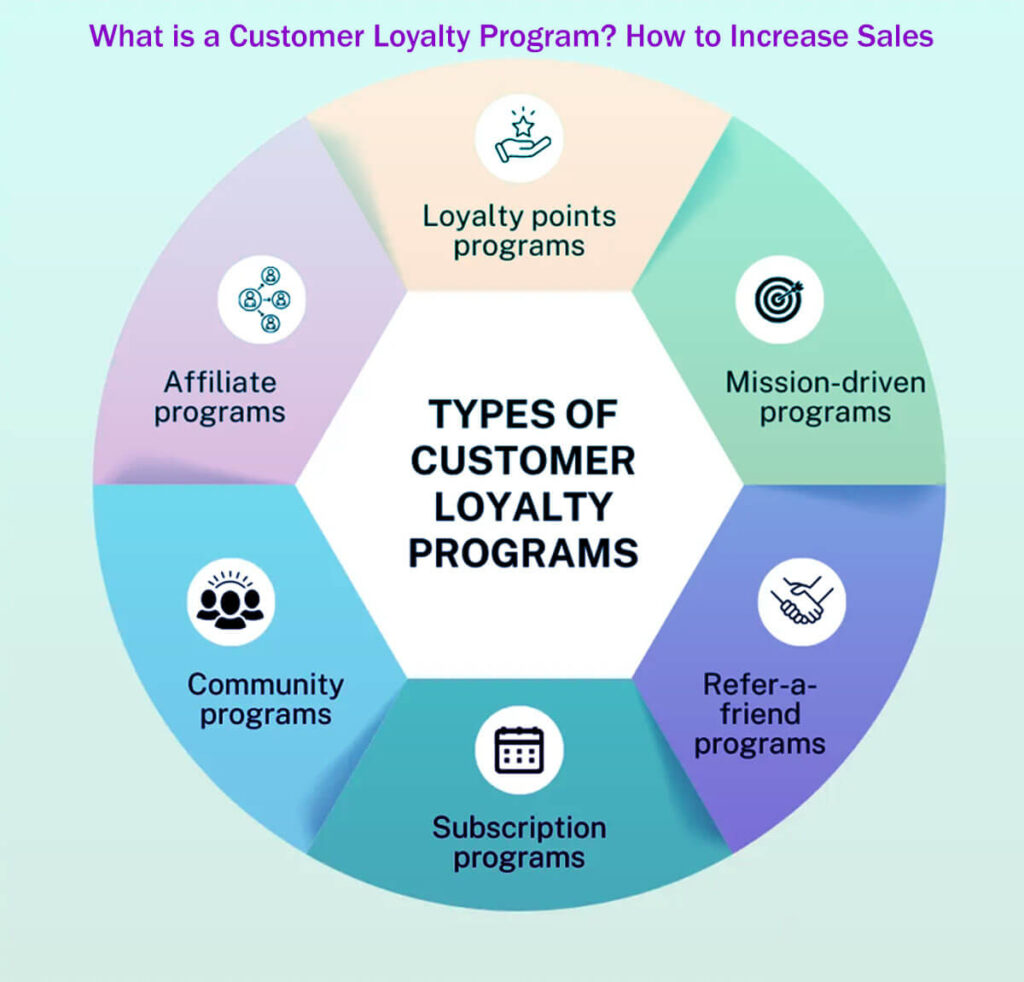
- Points-based systems: where customers accumulate points through purchases.
- Tiered reward structures: offering different benefits based on spending levels.
- Value-based programs: where customers enjoy discounts relative to their spending.
- Subscription models: providing services or products on a regular basis.
- Hybrid combinations: integrating various elements to cater to a wide range of customer preferences.
How Do Loyalty Programs Help Customers?
Loyalty programs make shopping better by offering rewards, special access, personalized discounts, and a stronger sense of value from favorite brands.
Makes shopping more enjoyable and helps customers feel more connected to the brand.
How Can Companies Develop Effective Loyalty Programs?
To create a great loyalty program, businesses should:
- Understand customer preferences thoroughly.
- Provide rewards that are both appealing and meaningful to the target audience.
- Make it easy for customers to earn and use rewards.
- Clearly explain the program’s value and benefits to encourage people to join.
What Metrics Are Used to Measure the Success of Loyalty Programs?
You can measure how well a loyalty program works by looking at key indicators like:
- Customer Lifetime Value (CLV): measuring the total revenue generated by a customer over their lifetime.
- Engagement rates: the frequency with which customers interact with the program.
- Redemption rates: Monitoring the frequency of reward claims.
- Customer retention rates: monitoring the percentage of customers who continue to engage with the brand.
- Repeat purchase rates: the frequency with which existing customers make subsequent purchases.
- These numbers help show how well the program is working and how it affects the business.
What Is Conversion Rate Optimization? A Guide to 10 Easy Steps
What Is Schema Markup and How to Use It? Why Is It Important? 8 Easy Steps
130 Best Email Subject Lines and Insights from Our Analysis
15 Easy Ways: How to Increase Revenue: Target Impulse Buys
How to Avoid Friction Points: Avoiding Customer Service Outages 16 Steps