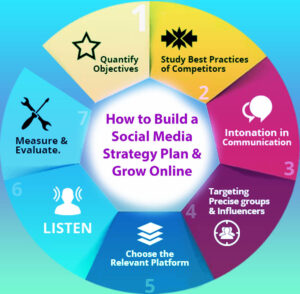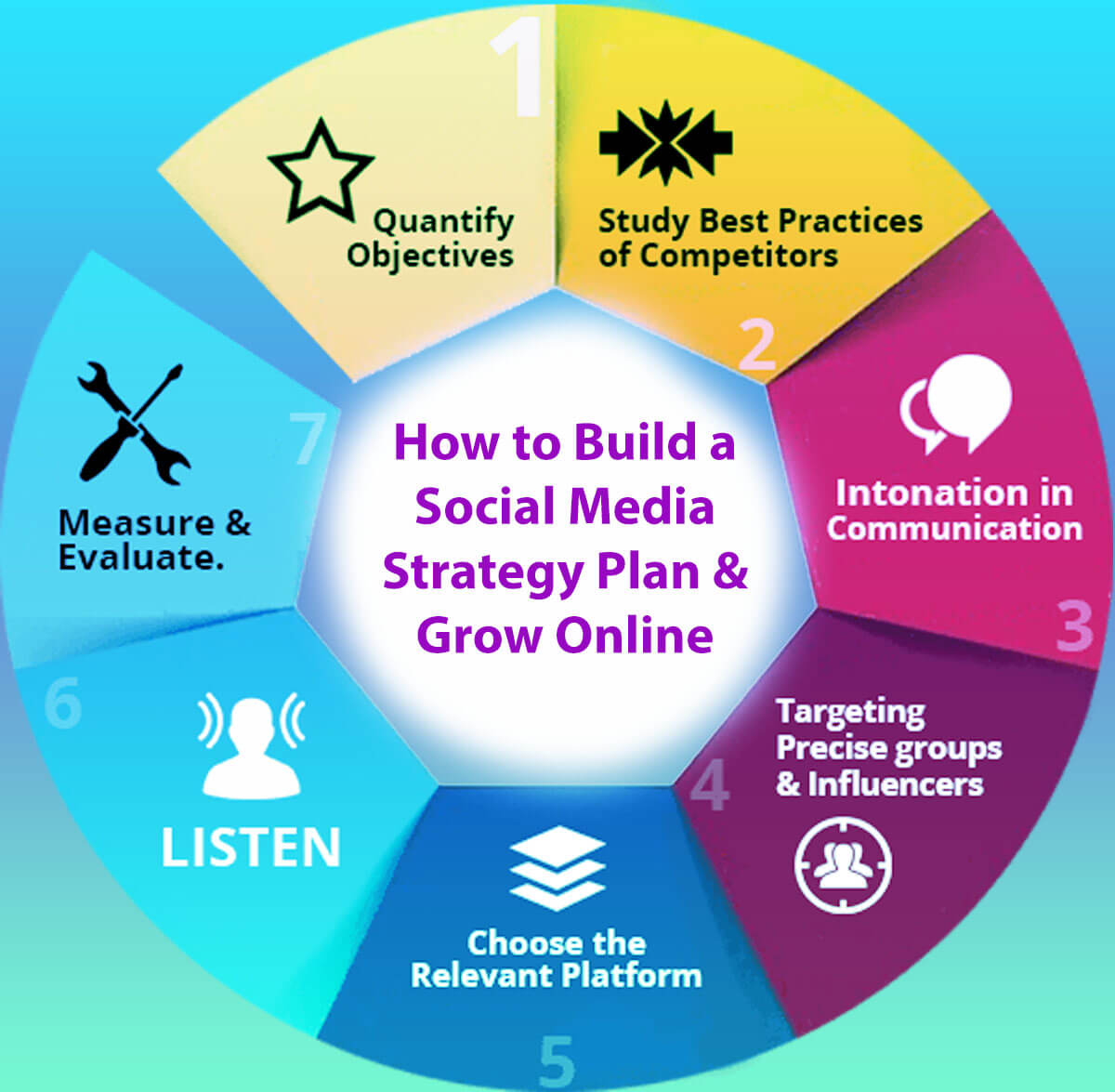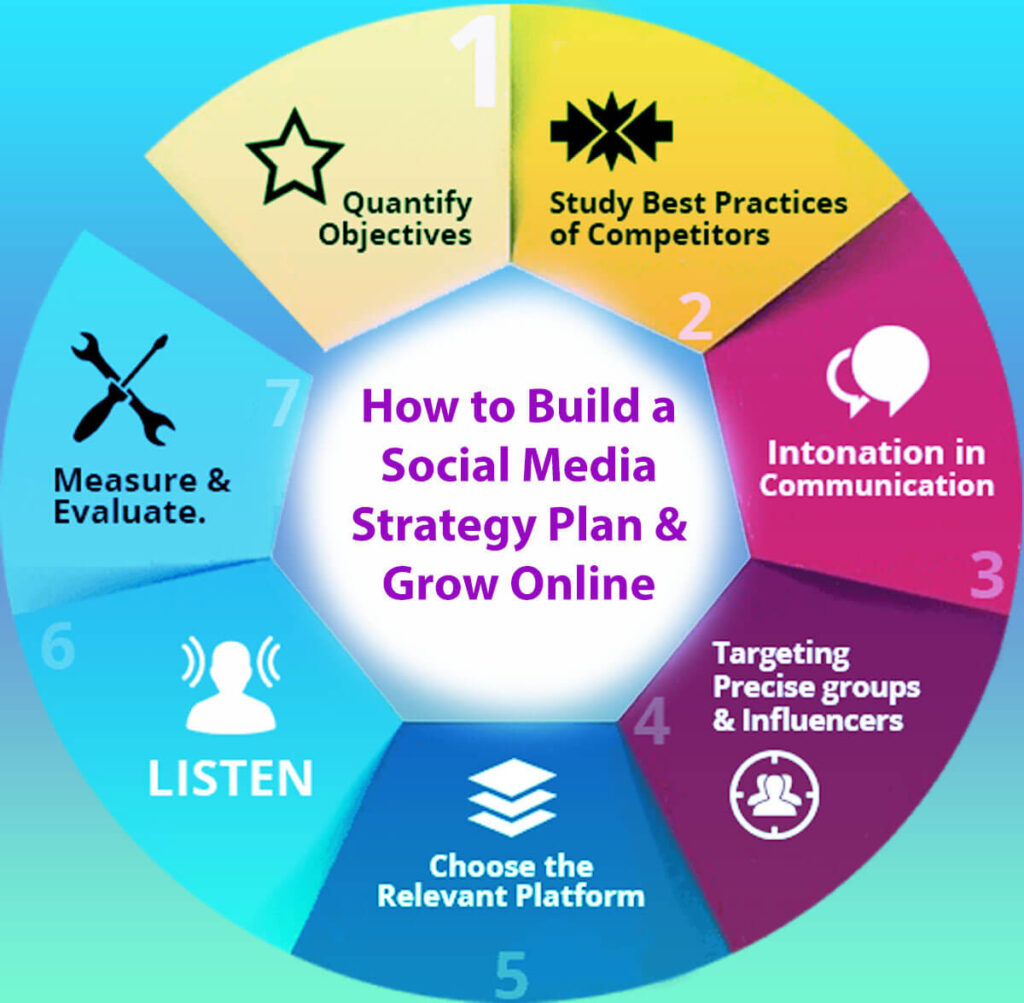





Did You Know How to Build a Social Media Strategy Plan & Grow Online: 8 Easy Ways. We’ll walk you through everything from planning your marketing to connecting with your audience.
If you need content ideas, want to find the right platforms for your business, or are looking for ways to track your progress, this guide is here to help. Start building a more engaging online presence
Many people in the industry make growing your online presence seem easy.
Experts often say that posting a few times on popular platforms like Facebook, Instagram, X (formerly Twitter), LinkedIn, or TikTok will bring a rush of visitors to your business. If only things were that simple.
But the truth is different. Creating a strong social media strategy takes creativity and a real investment of time and effort.
Like any project aimed at long-term growth, you require a robust plan, effective processes, and an eagerness to understand the details of social media marketing.
One big challenge is the huge number of so-called expert guides you find online.
With so many different opinions out there, it can be hard, or even impossible, to know which advice is useful and which strategies will actually help your business grow online.
What you really need is more than a basic plan. You need a strategy that is well-researched, effective, and sustainable.
In this article, I’ll show you how to build that kind of strategy, step by step.
Here’s what you’ll learn:
Understanding the Main Reason for Low Traffic: We’ll look at why most blogs and businesses have trouble turning social media activity into real website traffic and engagement.
Choosing the Right Social Networks: I’ll help you pick platforms that fit your business goals and show you how to avoid those that don’t add much value.
Building Audience Engagement: Learn practical ways to better understand what your audience wants and needs.
We’ll focus on creating real interactions, not just increasing the number of posts you make.
Content Posting Frequency and Consistency: You’ll learn how often to post for the best results, plus tips to keep it up without too much effort.
Turning Engagement into Lasting Growth: Find out how to turn your social media activity into steady website traffic, more subscribers, leads, and sales over time.
Let’s get started.
How to Build a Social Media Strategy Plan & Grow Online: 8 Easy Ways
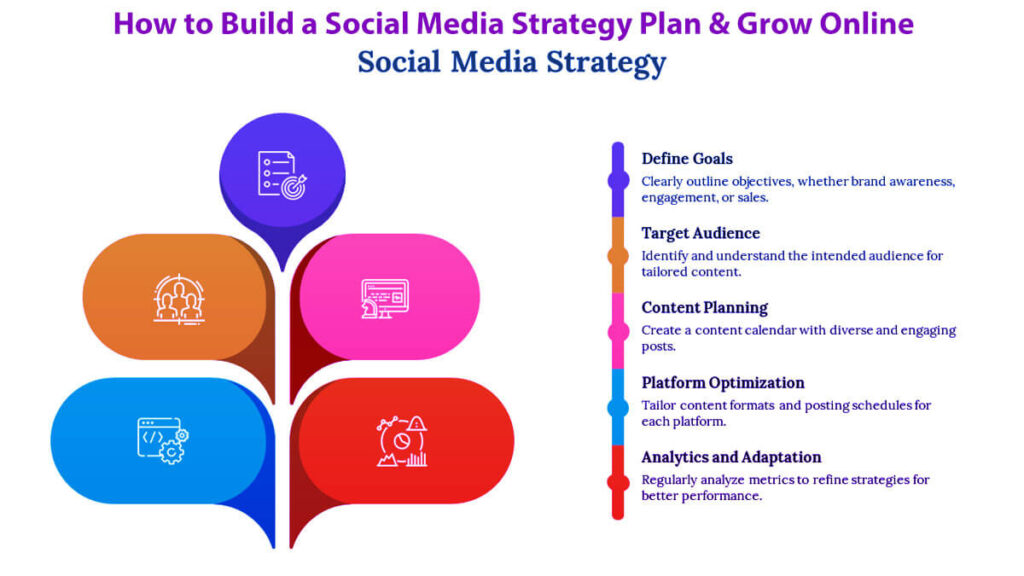
Social Media Strategy: Creating a clear plan to use different social media platforms to meet marketing goals and connect with your target audience.
Social Media Marketing Plan: Making a step-by-step guide that shows what actions, timing, and resources are needed to promote your products or services on social media.
Grow Online Presence: Using different methods to make your brand more visible and well-known online so you can reach more people.
Social Media Growth Tips: Offering practical advice and ideas to help people and businesses gain more followers and boost engagement on social media.
Social Media Content Ideas: Coming up with creative ideas for posts, images, videos, and other content that your audience will enjoy and that match your brand’s message.
Social Media Engagement: Encouraging followers to interact through comments, shares, and likes to help build a loyal community around your brand.
Audience Targeting in Social Media: Identifying and describing groups of potential customers on social media to develop marketing messages and campaigns that better fit them.
Best Social Networks for Business: Looking at different social media platforms to see which ones work best for your business goals, target audience, and industry.
Social Media Content Bank: Building a collection of ready-to-use content that you can post anytime to keep your social media schedule consistent.
Social Media Posting Frequency: Deciding how often to post on social media to reach more people and keep them engaged, without posting too much.
Social Media Automation Tools: Using software to help schedule posts, manage several accounts, and track how your social media is performing.
Social Media Analytics: Using data to see how your social media is doing, learn about your audience, and plan better marketing strategies.
Increase Social Media Followers: Tips and methods to get more followers and keep them, helping your brand reach more people and have a bigger impact.
Social Media Traffic Tips: Strategies to attract more social media visitors to your website or landing page, helping you get noticed and boost conversions.
Social Media Influencer Outreach: Engaging with popular social media personalities who can endorse your brand and enhance your credibility.
Social Media Engagement Metrics: Tracking and reviewing things like likes, shares, comments, and other interactions to see how well your social media is working.
Social Media Content Calendar: Planning your posts and campaigns in a calendar to make sure you share content on time and stay consistent across platforms.
Social Media Consistency: Ensuring your brand’s voice, posting schedule, and messaging are consistent across all social media platforms helps develop a robust brand identity.
UTM Tracking for Social Media: Adding UTM codes to your links so you can see how well your social media campaigns are working and where your traffic is coming from.
Social Media ROI: Checking how much value your social media activities bring to your business and how they help you reach your goals.
Successful Social Media Strategy
A good social media plan can give your business many benefits, such as:
More Qualified Traffic: Bringing in visitors who are truly interested in what you offer.
Stronger Relationships and Brand Trust: Connecting with your audience builds loyalty and improves your brand’s reputation.
Better Customer Satisfaction and Retention: Consistency helps you support and engage customers, leading to greater loyalty.
Faster, More Visible Customer Service: Social media lets you answer customer questions quickly and demonstrate your business’s reliability.
In this article, I’ll mainly focus on helping you increase your traffic. The other benefits will follow as you continue to build your online presence.
It’s important to emphasize something often overlooked: maintaining consistency in executing your plan.
By following the steps below, you’ll create a social media strategy tailored to each platform you use.
But remember, just having a plan won’t automatically bring more traffic. Real results come from sticking with it and being consistent over time.
If you try this strategy for only a day, you probably won’t see results right away. If you keep it up for a month, you might notice some positive changes.
But if you stick with this approach for a whole year, you can expect steady, reliable growth that lasts.
If you’re hoping for a quick fix or a secret shortcut to instant results, this isn’t the place for that.
But if you want to build lasting traffic that grows over time and strengthens your online presence, keep reading.
Commit to the strategy we’ll build together today. If you stick with it, you’ll see real results without having to chase unpredictable viral trends.
Step 1: Understand Your Audience
Have you ever thought about how a typical grandparent spends their time online?
Some older adults use social media, such as Instagram, but most prefer Facebook.
They often use it to connect with family and friends, join community groups, and share life updates.
So, if your blog is for older adults, spending time on platforms like TikTok, which attract younger users, probably won’t help you reach your goals.
Even if your content is great, using the wrong platform for your audience can make it much harder to reach them.
That’s why your social media strategy should start with a clear understanding of your audience: who they are, what motivates them, and how they use social media.
Means looking at both demographic data and what your audience cares about.
Demographics: Who Your Audience Is
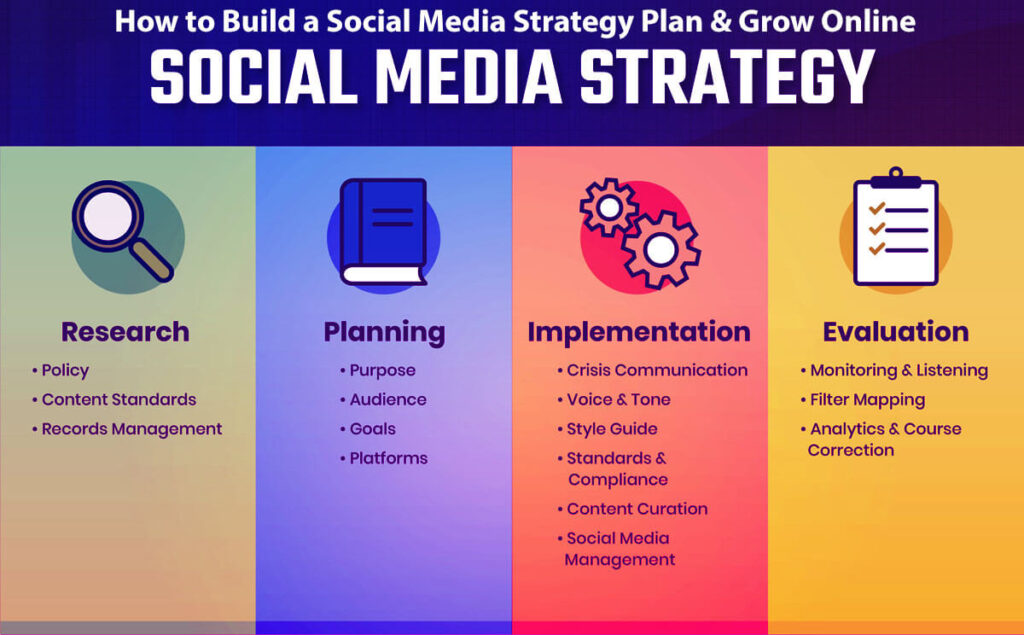
Demographics are statistics that describe different groups of people.
These profiles include things like:
Location: Where your audience lives can shape their interests and needs. For example, people in cities may have different lifestyles from those in rural areas.
Age: Different age groups use social media in different ways. Younger people might like Snapchat and TikTok, while older adults often use Facebook or LinkedIn.
Gender: Understanding your audience’s gender mix can help you create content that connects better. Some topics might appeal more to one gender, thereby boosting engagement.
Income: How much money your audience earns influences what they buy and what interests them. Knowing this helps you select the right products or services to promote.
Education Level: Your audience’s education can affect how detailed your content should be. People with more education might enjoy deeper analysis and more data.
Religion: This may not matter for every topic, but in areas like health, wellness, or lifestyle, religion can influence what people care about and how they respond to content.
Ethnicity: People’s cultural backgrounds can shape how they see your content. Respecting and reflecting on diverse backgrounds can help you connect more effectively with your audience.
Marital Status: Knowing if your audience is single, married, or partnered can help you shape your content and recommendations.
Number of Children: Family size can affect what topics matter most. For example, a parenting blog will want to know how many kids its readers have.
Not every demographic detail will matter for your blog. For example, if your content isn’t about spirituality or religion, you can skip that data.
How you gather demographic information depends on whether you’re just starting your blog or already have visitors.
If you haven’t launched yet and don’t have visitors, look at a competitor’s website to learn about their audience. Can guide your early research.
If you already have visitors, there are several useful tools to help you collect detailed data:
Analytics Data: Use tools like Google Analytics 4 (GA4) for detailed insights. Go to Reports, then User, then Demographics details.
If you haven’t turned on the demographics feature, activate it and give GA4 some time to gather your data.
You’ll see important details like age, gender, language, and where your audience lives.
Platform-Specific Insights: Use the built-in analytics tools on platforms like Facebook, Instagram, LinkedIn, TikTok, YouTube, and X.
These tools show you what your audience likes, how they interact, and their behavior, giving you a clearer picture.
The big advantage is that these tools show data from your real audience, not just general industry numbers. Makes your findings more useful.
Understanding where your audience lives and which languages they speak can help you plan your content and posting times for better engagement.
As you collect this data, keep track of your findings in a regularly updated spreadsheet.
For example, if you’re starting a nutrition blog, your notes could look like this:
Gender: There are a few more female readers than male readers.
Education: The audience appears well educated and prefers evidence-based, well-researched content.
Location: Most readers are from the US, UK, and India, so the audience is diverse and influenced by different cultures.
Age: The average reader is about 30 years old, with a few older visitors. Suggests a young, health-focused audience.
Income: The audience probably has a low to medium income, which fits with their younger age and spending habits.
At first, some of these details might be estimates, and that’s perfectly fine.
As you get more data from your readers’ actions and feedback, update your notes to make them more accurate.
Continuing to learn about your audience is key to creating content that truly connects and engages them.
Understanding psychographics is key to creating content and offers that truly connect with your audience.
Psychographics look beyond basic demographics to explore why your audience behaves the way they do, providing insight into their beliefs, motivations, and preferences.
To better understand your target market, try asking yourself these questions:
Motivation for Learning: What drives your audience to explore your niche actively?
Are they looking for solutions to specific problems, trying to reach personal or professional goals, or simply curious about the topic?
Knowing what motivates them helps you shape your message to meet their real needs and desires.
Importance of the Niche: Think about how important your niche is in your audience’s daily lives.
Is it just a casual interest or hobby, a possible side hustle, or a key part of their career or health?
Understanding how important your niche is helps you position your content and show why it matters.
Learning Preferences: Find out how your audience likes to learn.
Do they prefer short videos for quick tips, eye-catching carousels, detailed guides, podcasts they can listen to anywhere, or short newsletters with key info?
Also, think about which devices your audience uses most, like smartphones, tablets, or laptops, since this affects the formats you pick.
Common Questions and Challenges: Identify the questions or problems your audience keeps running into. Knowing these pain points is key to meeting their needs.
If you list common questions or challenges, you can create content that directly addresses them and become a trusted source in your field.
Level of Expertise: Consider the different levels of knowledge in your audience.
Are they beginners, people with some experience, or advanced learners looking for more in-depth information?
Matching your content to their skill level will boost engagement and make your offerings feel more valuable.
Many businesses overlook psychographic insights, but they are crucial for making content that connects and gets shared.
Finding these psychographics takes more than just using a search tool. You need to watch your audience in real situations and talk with them to really understand their needs.
To find your target audience, it’s important to notice the differences within each niche.
For example, people interested in “healthy eating informed by current science” are different from those focused on “nutrition for bodybuilding,” even though both are part of the nutrition field.
Source #1 – Subreddits:
Start your research by exploring subreddit communities. Most niches have a subreddit full of useful insights.
For example, when I searched for “nutrition,” I found that r/nutrition is a great place to start.
Look for communities with thousands of members. These groups can show you important patterns and how people engage.
Get involved with the content in the subreddit. You’ll start to see trends like repeated questions, corrections of myths, and popular resources.
By engaging, you’ll learn what topics the community is most interested in.
Filter posts by “Top” and “All time” to see which topics have stayed popular over time.
Pay attention to which content formats people like. Some prefer visuals, while others like detailed text discussions.
These observations help you decide what kinds of content will connect best with your audience.
After looking at about 100 posts, you’ll notice patterns. This community cares about correcting myths (for example, the idea that “cholesterol in eggs is always harmful”), understanding current dietary guidelines, finding reliable resources (such as good courses and studies), and promoting diets that are both enjoyable and healthy.
With these insights, you can answer psychographic questions using real evidence instead of just guessing.
Also helps you choose your sources. If your audience is skeptical of some authorities, it’s best to use primary research and experts they trust.
Source #2 – Comments:
Another good strategy is to look at the comments on popular blogs in your niche.
Check reader comments for repeated questions, objections, and the overall tone of the discussion.
For example, by reading comments on trusted sites like Authority Nutrition, you can spot common themes and topics.
Can show you what your audience is interested in, what worries them, and where they want more information.
By combining insights from different sources, you’ll gain a strong understanding of your audience’s psychographics and create more focused, effective content.
Step 2: Identify Your Most Effective Channels and Dedicate Yourself to Them
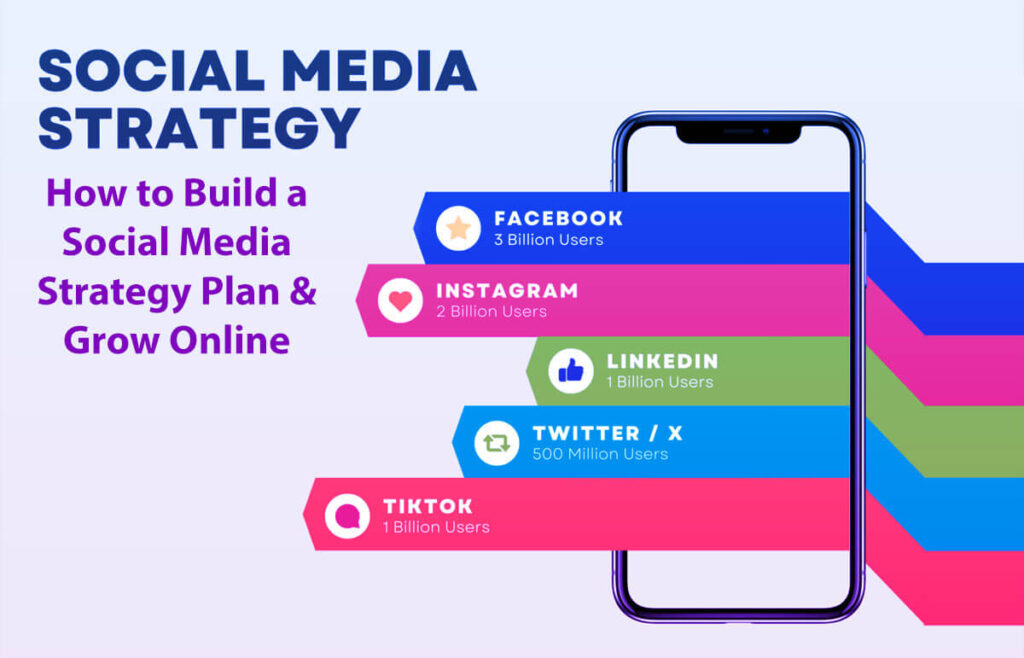
Building a solid social media presence requires time and a well-defined plan.
When you start, focus your time and energy on building a following on a few key channels. It will help set you up for long-term success online.
Staying focused is essential for your social media strategy.
Many new businesses find it hard to manage even a single social media platform effectively.
To avoid doing too much at once, focus on one or two channels, or at most three.
By focusing on these platforms, you can build real connections with your audience and see better engagement and growth.
Remember, choosing not to use every channel doesn’t mean you’ll miss out.
Major social media networks have large, diverse audiences that can help your business grow.
If you focus your efforts on a few platforms instead of many, you’ll likely see better results more quickly.
On social media, building real engagement and connections is more valuable than just having big numbers.
So, how do you figure out which social media networks are best for your business and audience?
Begin by identifying where your target audience hangs out online.
Depending on your industry, you might find several good options, or you might see that your audience prefers just one or two main platforms.
To choose wisely, consider factors such as age, interests, and how your audience behaves online.
For example, Snapchat and TikTok usually attract younger people, so they’re great for brands that want to reach teens and young adults.
Instagram and X (formerly Twitter) have large user bases and unique communities that might fit your brand’s style.
Facebook is still popular with adults, but fewer young people use it now.
LinkedIn is the main platform for professional networking and career discussions, but it’s not used much for hobbies or lifestyle topics.
Age is important, but it shouldn’t be the only thing you consider in your strategy.
For example, LinkedIn is great for professional topics, while TikTok is best for short, entertaining, or informative videos.
Instagram is ideal for sharing eye-catching content and telling your brand’s story with carousel posts.
To get ahead, take time to research your competitors’ social media strategies.
Look for businesses that target your audience and study how they use social media.
Use tools like Ahrefs Content Explorer or BuzzSumo to identify which platforms and content types generate the most engagement.
This research will help you create a shortlist of channels most likely to connect with your audience.
By choosing and sticking with the right social media channels, you give your business more chances to grow and connect.
Step 3: Create a Content Bank of Value
Once you know your target audience and have chosen your main social media platforms, focus on consistently sharing real value with them.
Your online growth depends on how much useful content you can regularly share with your audience.
Social media growth differs from traditional SEO, which focuses on gradual improvements in search rankings. Here, success comes from being active and engaging often.
To make things easier, try building a content bank. It is a well-organized collection of interesting and relevant posts that your audience will enjoy.
Having content ready ahead of time helps you avoid last-minute stress and keeps your posting schedule on track.
The kinds of content you add to your content bank will depend on the platform you use. Here are some ideas to get you started:
Blog Posts and Social Threads/Carousels: Write helpful blog posts or social media threads that break down complex topics into simple tips and advice your followers can use.
Sharing this kind of content can help you become known as a thought leader.
Infographics and Simple Data Visuals: Make eye-catching infographics that present useful data in a way that’s easy to understand.
Visual content makes complicated topics easier to understand and more likely to be shared by your audience.
Photos and Behind-the-Scenes Snapshots: Show real moments from your life or business to help your audience relate to you.
Letting people see behind the scenes makes your brand feel more human and helps you connect better with your audience.
Video Content: Create a range of videos, from short clips like Reels or TikTok to longer webinars.
Videos are great for getting people involved and sharing your message in a way that suits different preferences.
Lighthearted Memes or Jokes: Show your brand’s personality by sharing funny and relevant memes or jokes your audience will enjoy.
Entertains your audience and encourages them to share your posts, helping you reach more people naturally.
Quotes, Frameworks, and Quick Tips: Share useful insights, quotes, or frameworks that your audience can use right away.
Giving your audience quick, helpful tips builds your authority and makes people see you as an expert.
The best mix of content depends on your platform, so adjust your approach as needed. Avoid posting only self-promotional content; it won’t yield the best results.
Many successful brands, especially when starting, share 10 to 20 pieces of valuable third-party content for every self-promotional post.
As you become more established, you can change this ratio, but always focus on providing value first.
To find out what non-promotional content your audience likes, start by making a list of popular keywords in your niche.
Use tools like Google Ads Keyword Planner or Google Trends to identify relevant keywords.
For example, if your focus is health, start your list with phrases like “healthy eating” or “how to eat healthy.”
Try to make a solid list of 10 to 20 main keywords, or more if you want to dig deeper.
Once you have your keywords, use platforms like BuzzSumo or Ahrefs to search each one and find related content.
Sort or filter results for your favorite social network, and save high-engagement posts to your content bank.
This way, you’ll build a solid collection of ideas that your audience already likes.
Building your content bank takes effort, but it’s one of the most important things you can do for your growth.
Step 4: Increase Your Followers
Creating content without an audience won’t help your numbers or grow your reach.
If you don’t have followers who see, engage with, and share your posts, it’s hard to build relationships, trust, or bring people to your platform.
Starting from zero can feel overwhelming, but you can definitely get past this challenge.
One big mistake to avoid is buying followers. Fake accounts can hurt your engagement, mess up your data, and make social media algorithms work against you.
Can lead to your posts being ranked lower, which makes it even harder for people to see them.
When you’re just starting, one of the best ways to get real followers is to actively find and engage with others.
Start by following accounts in your niche. Leave meaningful comments on posts from influencers or brands your audience already enjoys.
Join discussions and threads to share your knowledge and insights.
Helps show your expertise and makes you more visible, so more people may notice and follow you.
As you gain more followers, you can gradually do less manual outreach.
Over time, your content will reach more people on its own, leading to steady, lasting growth without much extra effort.
It takes time and consistency to build a community around your brand, but the results are worth it.
Step 5: Understanding Diminishing Returns and How to Identify the Best Posting Frequency
Congratulations! You’re making great progress in growing your follower base and seeing more engagement. It is an exciting achievement.
With each post, you see a steady increase in clicks and interactions. Often brings up a common question:
“If I post content twice as frequently, would that result in double the traffic?”
While this idea sounds reasonable, it’s important to be careful.
Posting too frequently can clutter your audience’s feeds and make your content appear spammy. It may cause followers to lose interest and might even result in penalties from platform algorithms that prioritize genuine engagement.
It is a good example of diminishing returns in social media marketing. Every audience and platform has its own ideal posting frequency.
To handle this well, start with best practices, but stay flexible and ready to adjust as your audience responds.
Try your own tests and look at your data and audience feedback. It will help you find the best posting schedule for your content.
Facebook:
Feeds on this platform update constantly, and there is a lot of competition for attention.
For most Facebook pages, it’s a good idea to post once a day, or at least a few times each week.
Helps you stay visible without overwhelming your audience.
Focus on creating high-quality content and encouraging meaningful conversations in the comments, rather than just posting more often.
Research by HubSpot shows that the best posting frequency depends on how many followers you have.
Smaller pages, especially those with just a few hundred followers, often see diminishing returns sooner than bigger pages.
As a general rule, these smaller pages do well with about 16 to 30 posts per month, or about once every day or two.
On the other hand, larger pages with 10,000 or more followers can post once or twice a day, as long as engagement stays high.
It’s important to remember that while each post might get fewer clicks as you post more often, your total clicks can still go up if your content stays high quality.
X (formerly Twitter):
On this fast-moving platform, content moves quickly through users’ feeds, and most engagement occurs within minutes or a few hours of posting.
To reach more people on X, plan to post several times a day. Use different formats, such as threads, short insights, or eye-catching visuals.
As a starting point, aim for 3 to 10 tweets each day. Start with a pace you can manage, and increase your frequency as your workflow improves and you see better results.
To find the best times to post for your audience, use X’s built-in analytics or trusted third-party tools that show when your followers are most active.
Remember, it’s important to experiment. Sometimes posting during quieter hours can lead to more engagement because there’s less competition.
LinkedIn:
It’s best to aim for about 20 posts per month, or roughly one for each business day.
High-quality content, like thoughtful commentary, engaging carousel posts, and native video, usually works well with LinkedIn audiences.
Just like with other platforms, keep testing and adjusting based on what your audience likes to get the best results.
If you plan your posting strategy carefully and keep checking how it’s working, you’ll be able to find the best posting frequency that balances quality and engagement.
As you adjust your approach, you’ll find the rhythm that works best for both your content and your audience.
Step 6: How to Automate for Success?
Suppose you find out that the best time to post on social media is 3 a.m. This information can help boost engagement, but waking up to publish a post isn’t practical and could throw off your whole strategy.
Life gets busy, and posting at unusual hours all the time would be tough to keep up with.
Consistency is key to your strategy. It helps you build engagement and connect with your audience.
Automation is the best way to solve time management issues in your social media strategy.
You can make things easier by using scheduling tools. Many of them have strong free versions.
These tools let you plan and schedule posts in advance. Saves you effort and maintains a consistent online presence, even when you’re not online.
Try setting aside some time each week to create and batch your posts.
This method streamlines your workflow and keeps you active online without the stress of posting at the last minute.
Before we get into details for each platform, remember that using automation doesn’t mean you should spam your audience.
Posting too much, like 100 times a day, or using the same message over and over, won’t get good results.
Instead, mix up your content. Try different hooks, visuals, and approaches, even if you’re sharing the same link.
For platforms like X (formerly Twitter), Facebook, LinkedIn, Instagram, and Pinterest, you can use tools such as Buffer, Hootsuite, Later, or Sprout Social.
These tools let you set up custom posting schedules for each network, easily manage your content queue, and add UTM parameters for tracking.
Also, Facebook, Instagram (through Meta Business Suite), and Pinterest each have their own scheduling features. You can use these if you want everything in one place.
Set up a regular posting schedule that matches when your audience is most active. Once you know the best times, schedule your posts for those periods.
When posting across different networks, try to reuse your main idea rather than copying the same content. Keeps your posts fresh and your audience interested.
Step 7: Drive More Traffic to Your Social Media Posts Than Ever Before
Congratulations! You’re almost done with your social media strategy and have made great progress.
By now, you’re sharing valuable content, growing your followers, and reaching more people. Now it’s time to make the most of your hard work.
A good rule is to share one promotional post for every four to ten regular posts. Depending on your platform and audience, this might mean promoting something every day or every other week.
If you focus on creating high-quality, data-driven content, you might not have enough new material to promote daily, especially if you only want to share a link once.
To get more traffic, try sharing some of your best older posts along with new ones. Just keep a good balance between promotional and regular content.
Making this a habit helps reinforce your message and can even double or triple your traffic over time.
But don’t share the same post back-to-back. Instead, space out your shares and try to give each one a fresh angle.
Also, try not to use the same description for every post.
Instead, change up your hook, highlight a different benefit, or share a new insight each time.
This way, your posts will feel more dynamic and are more likely to engage your audience.
For example, if I share a post on X, I might write a few different descriptions to keep things fresh and interesting. Here are some examples:
“Interested in crafting an effective social media strategy? Here’s how: [url].”
“I’ve successfully driven over 8,000 visits in a month using this social media strategy: [url].”
“Discover the step-by-step approach to mastering social media: [url].”
“Wondering if your social media traffic strategy needs an upgrade? Find out: [url].”
You can see how these different versions share the same main message but also make it more likely to engage your audience.
By changing up your posts like this, you keep people interested and encourage them to take action.
If you want to boost your website traffic, start by understanding two key groups: your loyal readers and the influencers they follow.
Influencers use social media with clear goals, usually to grow their personal brand and reach more people.
When influencers share your content, your visibility and audience engagement can grow quickly.
So, how do you get influencers to share your content?
The key is to build real relationships by working together and showing appreciation.
Once you publish a new blog post, reach out to the people you mentioned or quoted.
Send a personal thank-you note for their work. Builds goodwill and makes them more likely to share your content.
Here’s a template you can use when reaching out:
Subject: I featured [insert their site name] in my latest article
Hi [insert their name],
I hope you’re doing well. I wanted to express my admiration for the exceptional work you do in [insert briefly what you do, e.g., marketing, design, etc.].
In my latest blog post, I referenced [insert their website or resource] because I found it particularly valuable and insightful, and I thought you might appreciate the perspective I shared.
You can check out the article here: [Insert your blog post URL]
If you find that the content resonates with your audience, I would be honored if you could consider sharing it.
Regardless of that, I genuinely appreciate the great resource you provide and the value you bring to the community.
Best wishes,
[Insert your name]
Not everyone will share your content, but you might be surprised by how many influencers do—especially those in your niche and on platforms where you’re active.
Step 8: Track Your Results – This Step Is Crucial!
You’re almost done with your traffic strategy, but this last step can greatly influence your results. It’s simple yet very effective.
Remember, it’s uncommon to get everything perfect on the first try. Monitoring your results helps you identify what works and what doesn’t.
This way, you can keep using what works and drop what doesn’t.
Step 1: Set Up a Tracking Spreadsheet
Begin by tracking all the shares and interactions your posts get in a clear spreadsheet. Pay attention to which articles get the most clicks, comments, saves, and shares.
As you collect more data, you’ll start to see which hooks, formats, and topics work best on different channels.
Try using tools like Buffer or another analytics platform to check each post’s clicks, impressions, and engagement.
Keep track of both your successes and failures. If you can, export the data for deeper analysis.
Your spreadsheet should list the posting date, the social network used, the captions or copy, links to your articles, and the results.
Keep reviewing your data every month as you go.
Your main goal is to see steady growth in total clicks, reach, and engagement, even if some posts perform differently.
This process will help you improve your content strategy and make sure your efforts to boost website traffic pay off over time.
Step 2: Analyzing Overall Traffic Using Google Analytics (GA4)
Looking at post-level statistics can help you see how individual posts perform, but your main goal should be to understand your website’s overall traffic patterns and conversion rates.
To find this important data in Google Analytics 4 (GA4), go to the Reports section, then click on Acquisition, and choose Traffic Acquisition.
This section provides an overview of traffic from various sources, including organic social media, paid ads, referrals, direct visits, and more.
The traffic acquisition report helps you spot important trends and metrics to see how your social media traffic is changing over time.
Look for patterns that show if your traffic is increasing, staying the same, or going down.
If you notice your traffic is flat or dropping, it might be time to rethink your social media strategy.
You might adjust how often you post, refine your messaging to better engage your audience, or review which channels you use to reach people.
To dig deeper, you can add secondary dimensions like session source, landing page, or location to your data view.
This extra detail helps you see which social networks and posts bring the best visitors to your site.
Building relationships with social media accounts that often send you traffic can be a smart move, since these connections can help your content reach more people.
Incorporating UTM tags into your social media posts is a key way to monitor your campaign performance.
When you use UTM parameters in your links, you can directly link your social media posts to the results you see in Google Analytics.
This approach makes it much easier to measure success, as you’ll have clear data showing how your social media efforts drive website traffic and conversions.
Frequently Asked Questions (FAQ): Developing an Effective Social Media Strategy
1. Why is a social media strategy important?
A clear social media strategy helps you set your goals, find your audience, and plan your content. It also ensures your messages align with your business goals and lets you see what’s working.
2. How do I determine which platforms to use?
Find out which platforms your audience uses most. Look at things like age, interests, and how people interact with content to choose the best places to reach your goals.
3. How often should I post on social media?
The frequency of your posts depends on the platform and your audience. Strive for consistency and experiment with various schedules to discover which your followers favor.
4. What kinds of content should I create?
Mix up your content with a variety of images, videos, infographics, articles, and follower posts. Make sure what you share is engaging, valuable, and captures your audience’s interest.
5. How can I assess whether my social media strategies are successful?
Be sure to use tools like Google Analytics and social media analytics to stay up to date on your traffic, engagement, conversions, and follower growth. Checking these stats regularly can give you a clear picture of your progress and help you make positive improvements along the way.
6. What are UTM tags, and why should I use them?
UTM tags are bits of code you add to links. They help you see in Google Analytics which posts bring in traffic and conversions.
7. How can I improve audience engagement?
Connect more with your audience by responding warmly to comments, asking engaging questions, and encouraging participation. Share helpful content, organize fun contests, and team up with influencers to build a welcoming community vibe.
8. What do I do if my traffic is flat or declining?
Check your analytics for changes in how your audience acts. Try updating your content, changing how often you post, or testing new platforms or post types to get people interested again.
9. How do I stay consistent with my posting schedule?
Make a content calendar to plan your posts. Use scheduling tools to set up posts ahead of time, so your content goes out even when you’re busy.
10. How long does it take to see results from a social media strategy?
Results take time. You’ll usually see steady progress over six months to a year. Be patient and keep at it, since building a loyal audience and steady traffic doesn’t happen overnight.
If you have more questions about building a strong social media strategy, ask. I’m here to help.
Social Media Strategy: Creating a clear plan to use different social media platforms to meet marketing goals and connect with your target audience.
Social Media Marketing Plan: Making a step-by-step guide that shows what actions, timing, and resources are needed to promote your products or services on social media.
Grow Online Presence: Using different methods to make your brand more visible and well-known online so you can reach more people.
Social Media Growth Tips: Offering practical advice and ideas to help people and businesses gain more followers and boost engagement on social media.
Social Media Content Ideas: Coming up with creative ideas for posts, images, videos, and other content that your audience will enjoy and that match your brand’s message.
Social Media Engagement: Encouraging followers to interact through comments, shares, and likes to help build a loyal community around your brand.
Audience Targeting in Social Media: Identifying and describing groups of potential customers on social media to develop marketing messages and campaigns that better fit them.
Best Social Networks for Business: Looking at different social media platforms to see which ones work best for your business goals, target audience, and industry.
Social Media Content Bank: Building a collection of ready-to-use content that you can post anytime to keep your social media schedule consistent.
Social Media Posting Frequency: Deciding how often to post on social media to reach more people and keep them engaged, without posting too much.
Social Media Automation Tools: Using software to help schedule posts, manage several accounts, and track how your social media is performing.
Social Media Analytics: Using data to see how your social media is doing, learn about your audience, and plan better marketing strategies.
Increase Social Media Followers: Tips and methods to get more followers and keep them, helping your brand reach more people and have a bigger impact.
Social Media Traffic Tips: Strategies to attract more social media visitors to your website or landing page, helping you get noticed and boost conversions.
Social Media Influencer Outreach: Engaging with popular social media personalities who can endorse your brand and enhance your credibility.
Social Media Engagement Metrics: Tracking and reviewing things like likes, shares, comments, and other interactions to see how well your social media is working.
Social Media Content Calendar: Planning your posts and campaigns in a calendar to make sure you share content on time and stay consistent across platforms.
Social Media Consistency: Ensuring your brand’s voice, posting schedule, and messaging are consistent across all social media platforms helps develop a robust brand identity.
UTM Tracking for Social Media: Adding UTM codes to your links so you can see how well your social media campaigns are working and where your traffic is coming from.
Social Media ROI: Checking how much value your social media activities bring to your business and how they help you reach your goals.
In Conclusion
After reviewing these points, ask yourself:
Would a casual approach to social media bring as much traffic and as many conversions as a consistent, well-planned strategy?
In reality, it’s very unlikely you’ll get the same results with a laid-back approach.
Building a strong social media strategy takes dedication and a willingness to tackle challenges directly.
Be ready to invest time and effort in creating your first strategy and building a solid content collection.
But many people find the hardest part is sticking with the plan. The real challenge is staying engaged and consistent for months, even if you don’t see quick results.
It’s normal to have a slow start, so expect it.
If you keep at it and stay dedicated for a year or two, you’ll probably start to see steady, lasting results.
Keep in mind that the effort you invest now is a valuable investment in your future success and will lead to more consistent traffic results.
As you move forward, keep in mind that persistence and consistency are key. These habits will help you succeed with social media and grow your website traffic over time.
How to Remove Reviews from Facebook: How to Delete a Review on Facebook in 5 Easy Steps
ReputationDefender Review: Details, Pricing, Services, Complete Guide, 8 Easy Steps
How to Fix Your Online Reputation: Manage Your Online Reputation in 8 Easy Steps