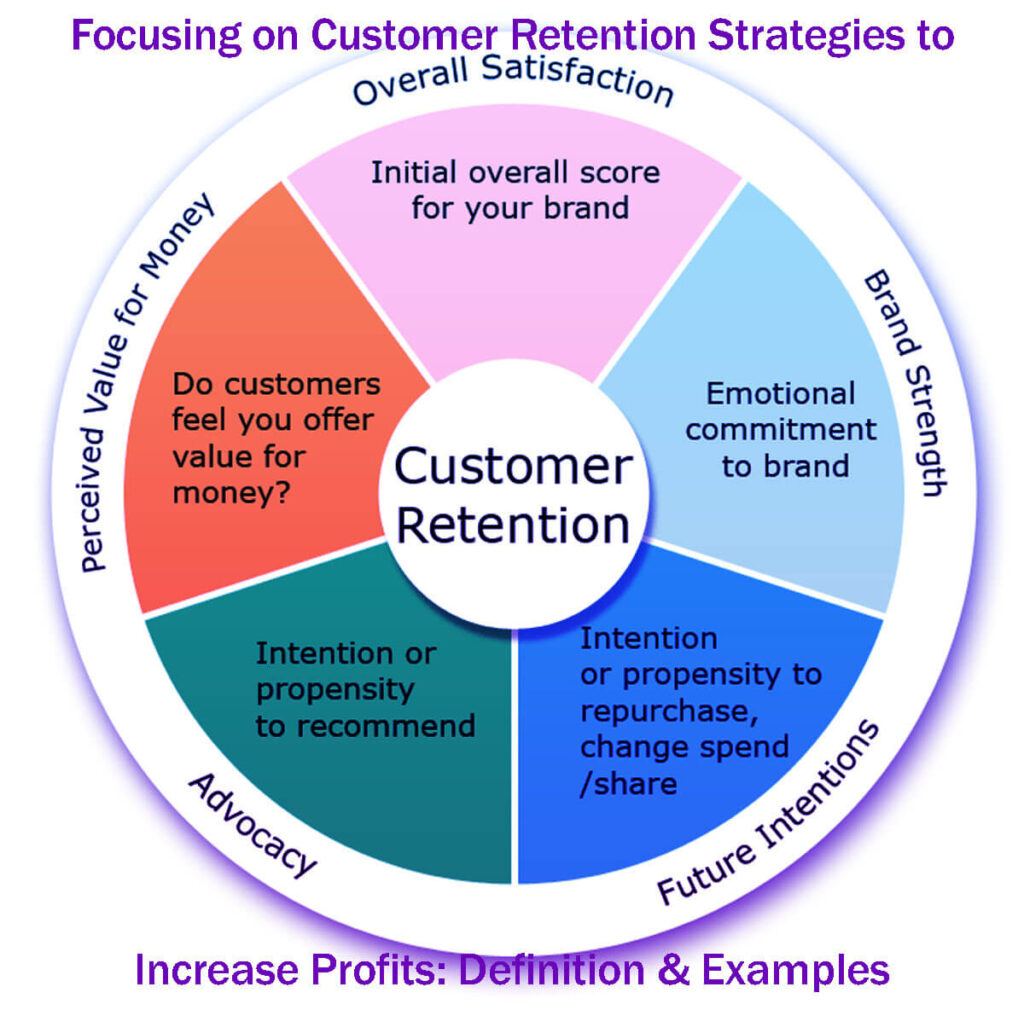





Focusing on Customer Retention Strategies to Increase Profits: Definition & Examples in 5 Easy Steps. Find out how you can increase your profits by keeping your customers coming back.
Simple actions like building loyalty, improving customer experiences, using referral programs, and personalizing your marketing can have a big impact.
This guide shares real-life examples
Turn your customers into loyal fans and help your business grow.
Many businesspeople believe that acquiring new customers is the main way to grow revenue.
Attracting new customers is important and should be part of any long-term business plan.
However, it is not the only way to increase profits, and it is often not the most efficient method.
In fact, focusing on keeping your current customers is often easier, more predictable, and much more cost-effective.
For example, getting a new customer can be very expensive.
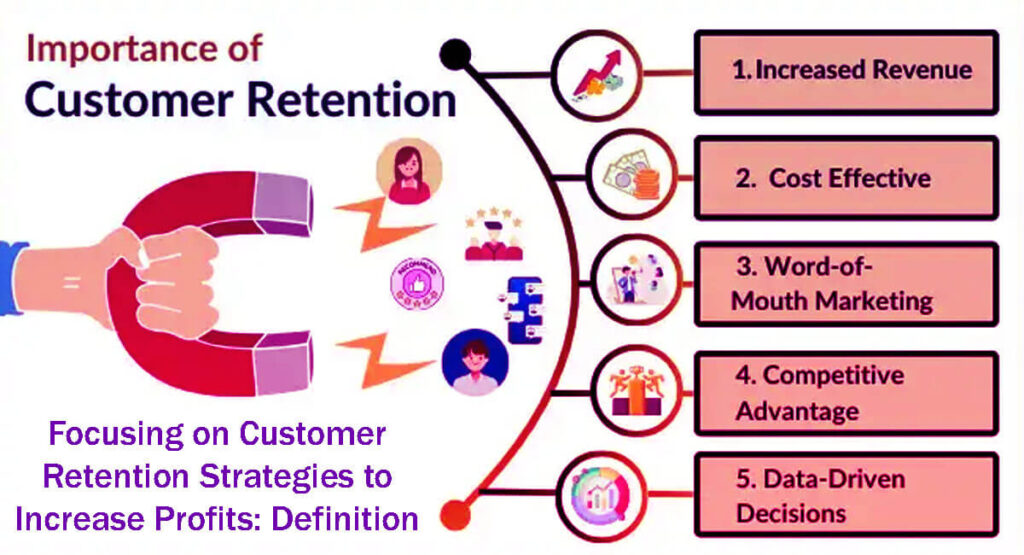
Research indicates that acquiring new clients costs more than retaining existing ones, contingent on industry, market conditions, and business structure.
Also, the benefits of keeping customers add up over time.
Research shows that increasing retention by just 5% can raise profits by 25% to 95%.
This big increase depends on factors such as your product margins and how often customers buy.
Imagine how many things could change if you improved retention by 10% or even 20%.
It would not just mean a few extra sales. It would greatly increase the lifetime value of your current customers.
Does not mean you should stop trying to get new customers.
If your business has a tight budget, focusing on your current customers often brings faster returns.
People who already know your brand are more likely to try new products, buy again sooner, and spend more than new customers.
They also tend to spend more each time they visit your site, so it is important to keep them interested and happy.
Prioritize your existing customers first—remember, “A bird in the hand is worth two in the bush.”
You have invested a lot of time and resources in earning their loyalty, so it is important to protect that relationship rather than focusing solely on finding new leads.
To increase profits by keeping more customers, try these practical and modern strategies to keep them engaged:
Focusing on Customer Retention Strategies to Increase Profits: Definition & Examples in 5 Easy Steps
Use Your Blog to Grow a Loyal Audience
Blogging does more than bring in traffic. It is a simple and effective way to encourage customers to come back between purchases.
When you post helpful, high-quality blog content regularly, your customers have real reasons to come back for tips, product info, and inspiration that improve their experience with your brand.
Think about how often the same customer returns to your website.
Most brands do not get daily repeat purchases, but fresh content like how-to guides, success stories, product comparisons, and checklists gives customers reasons to return.
It is important to set and stick to a regular posting schedule.
Make sure your posts answer real questions and concerns from your customers. Makes your content more useful and relevant.
Add links to related products, offer helpful guides, and include clear calls to action, such as subscribing or saving articles, to improve the user experience.
It is also important to make your content engaging and easy to skim.
When customers use your products and read your blog, your brand stays top of mind as they prepare to buy again.
When customers visit more often, you have more chances to cross-sell and re-sell, and it costs much less than traditional retention methods.
The main investment here is your time and effort to create good content.
Surveys show that writing a good blog post can take several hours, but this effort is worth it for the trust and long-term value you build with customers.
If you view your blog as a tool to foster customer loyalty rather than solely for SEO, you can build a community of readers who may become loyal customers.
Improving Customer Experience
Aim to deliver great customer service every time you interact with customers, whether online through your website and social media or in person.
To achieve this, provide regular training for your staff so they know your products and services well and can handle questions quickly and with real empathy.
When you understand your customers’ feelings and needs, you can make a big difference in their experience.
A genuine and positive engagement can turn a first-time buyer into a loyal supporter who promotes your brand to others.
Teach your team to really listen to customers, acknowledge their concerns, and do their best to solve problems. These habits help build strong, lasting customer relationships.
Establish Effective Communication
Set up a clear communication plan to keep your customers informed, interested, and connected.
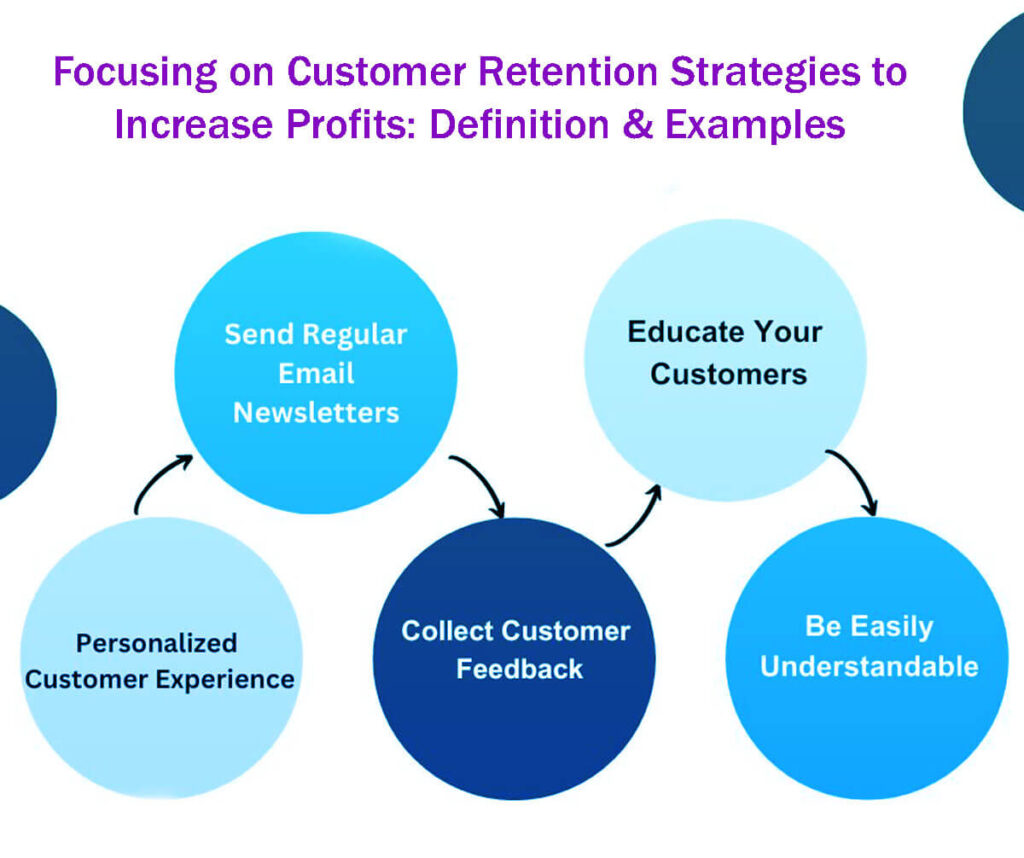
It might mean sending regular newsletters, personalized updates, and timely news about new products, promotions, or events that match their interests.
When you adjust your messages to fit your customers’ preferences and habits, you build a stronger connection and encourage loyalty.
Try grouping your customers by their past interactions or preferences so you can send messages that really speak to them.
When you communicate regularly and share useful information, your brand stays top of mind, and your customers feel noticed, valued, and part of a community.
Use Surveys and Interviews to Get Useful Feedback
To keep customers, you need to understand why they leave and what might keep them.
Many surveys show that customers often leave because they feel ignored or undervalued, not just because of price or product issues.
Most customers do not leave just because of price or product fit. The main issue is usually their overall experience.
Shows how important it is to listen to your customers and respond to their needs, just like you focus on your products.
Ask your customers directly for feedback. Use surveys and interviews to identify what isn’t working and turn their feedback into real improvements.
When done well, this approach helps customers feel valued and shows you where you can improve to keep more of them.
Try sending quick surveys right after purchases, using Net Promoter Score (NPS) or Customer Effort Score (CES) check-ins, and doing interviews with customers who leave.
These efforts can reveal patterns and insights that help you build stronger customer loyalty and satisfaction.
In short, getting new customers is important, but focusing more on keeping your current customers can greatly improve your profits and long-term success.
By embracing modern tools like blogging and listening to your customers‘ feedback, you can foster deeper connections with your existing clients and inspire their long-term loyalty.
Implement a Customer Loyalty Program
A customer loyalty program has a simple but powerful goal: to encourage repeat purchases and help customers choose your brand over others.
Research shows that customers are much more likely to buy from companies with clear loyalty programs.
Shows how important it is to set up a system where earning and using rewards feels simple and automatic for customers.
To build a successful loyalty program, focus on giving customers what they truly want:
reward points for every purchase, meaningful perks that improve their shopping experience, and benefits that get better the more they interact with your brand.
Traditional visit-based loyalty programs, like the classic punch card, can still work well. But using digital versions can make the process easier.
Digital loyalty programs automatically track customer activity, so customers don’t have to keep physical cards or paperwork. Makes the experience smoother and more enjoyable.
Adding a dedicated mobile app to your loyalty program can enhance the customer experience. Customers won’t have to deal with physical loyalty cards anymore.
Instead, they can quickly check their reward balances, get personalized offers right away, and access special promotions. Improves how they interact with your brand.
For online retailers, it’s essential to maintain detailed customer profiles that track purchases. Allows rewards to be applied easily, whether customers shop online or in-store.
Consider tiered rewards to recognize varying levels of customer loyalty.
For example, if two customers each make 10 purchases over 6 months, but one spends $100, and the other spends $1,000, the higher spender should receive better rewards.
With clear spending tiers, you can offer perks like early access to new products, special birthday gifts, and VIP support.
It’s also important to be clear about how customers can reach each tier. Helps them see their progress and know what they need to do to earn more rewards.
A well-designed loyalty program can help increase how often customers buy, raise average order values, and build long-lasting relationships. These are all key to keeping customers coming back.
When customers see your rewards program as fair, valuable, and interesting, they’re much more likely to stay loyal and keep buying from you.
Grow Your Email List
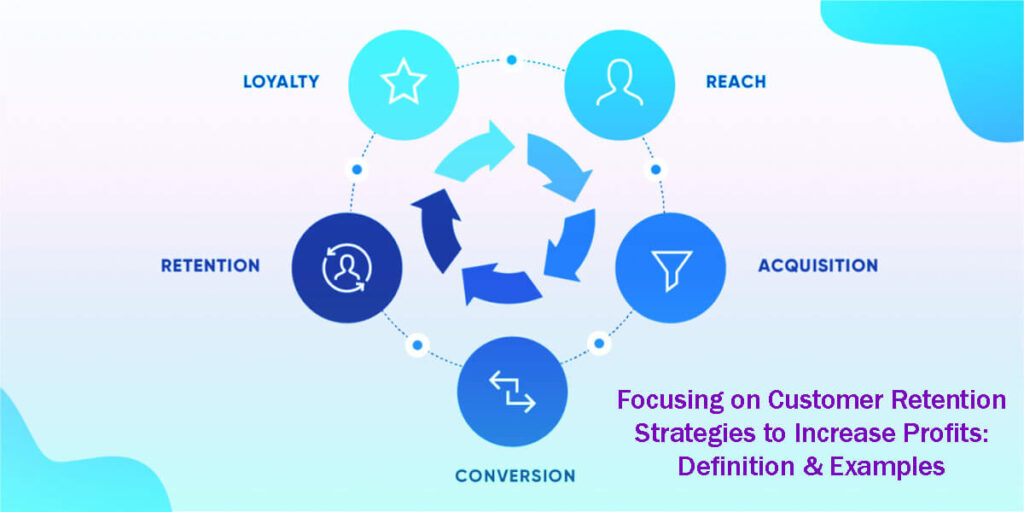
Email marketing is still one of the best ways to keep customers coming back. It delivers a high return on investment across industries such as e-commerce and SaaS.
Emails often work better than other marketing channels for getting customers to return and make more purchases.
To grow your email list, collect customer email addresses at different points, like during checkout, with content upgrades, or when customers create accounts.
It’s important to offer clear value in exchange for their email. It could be a discount on their first order, early access to sales, or a helpful downloadable guide that matches their interests.
After customers join your email list, keep them interested and engaged.
Achieve this by offering exclusive offers, sending prompt restock reminders, and providing personalized tips based on their shopping behavior.
It’s important not to overwhelm customers with too many promotional emails.
If you stay in their inbox between purchases, customers are more likely to come back when they’re ready to buy again.
Be mindful of how often you send emails. A steady schedule is better than sending daily messages, which can lead to people unsubscribing.
Every email should offer something valuable. While discounts can catch attention, sharing helpful information and inspiring messages builds long-term loyalty and increases customer lifetime value.
Encourage Customer Referrals
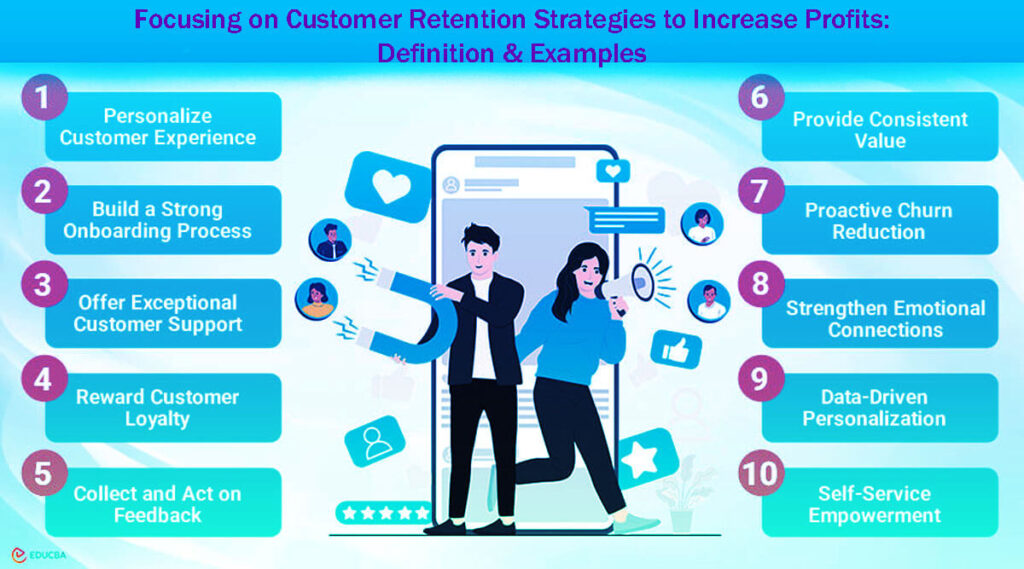
Referral programs are important for attracting new customers and retaining current ones by encouraging repeat purchases with meaningful rewards.
While the main goal of a referral program is to grow your customer base, it’s equally important to ensure existing customers return for their own rewards.
Many customers need a little encouragement before they refer friends.
Offering a clear and appealing incentive can motivate them to take action.
Even loyal customers who love your brand often respond well to a simple, easy-to-understand reward system.
Try using a double-sided rewards system for referrals, so both the referrer and the new customer receive benefits.
For example, the lifestyle brand Erin Condren gives store credit to both people after the new customer makes their first purchase.
This method attracts new customers and motivates existing customers to return and purchase more, creating a cycle of engagement.
Also, consider offering rewards that add up, so customers earn more as they refer more friends or hit certain milestones.
The more friends they refer, the more credits they earn, which keeps them engaged and loyal.
Make it easy for customers to share by adding simple sharing options to your store, and be clear about how rewards and redemptions work.
It will help boost customer interaction and make them more loyal to your brand.
Provide Product Recommendations
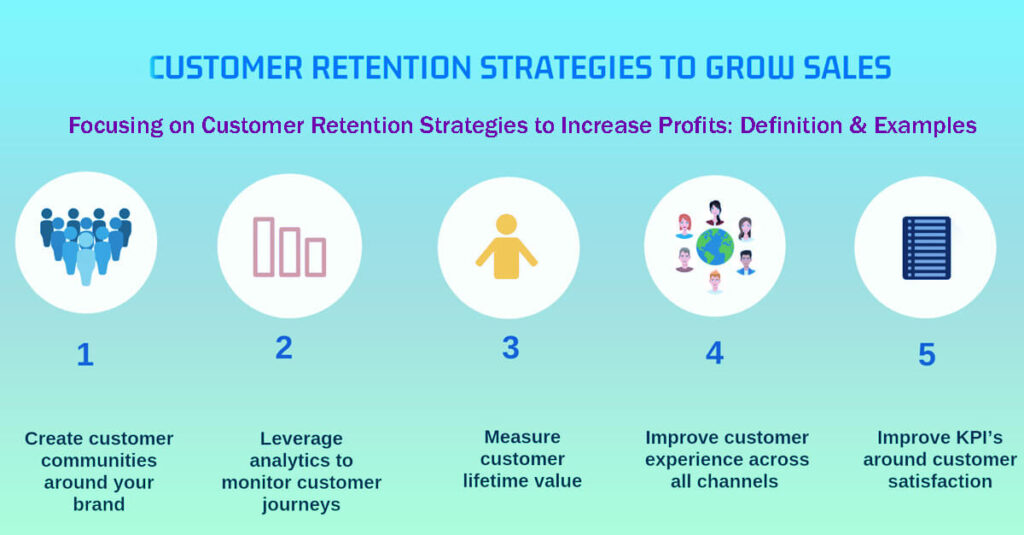
Offering thoughtful product suggestions is a strong way to boost customer engagement and increase sales.
A good way to do this is by encouraging customers to create profiles on your platform.
Helps you personalize their shopping experience across different sessions and devices, making it more relevant and enjoyable.
When you use data to personalize their experience, you boost engagement and can increase your brand’s revenue.
Once profiles are set up, you can review customers’ browsing history, past purchases, and preferences in more detail.
This information helps you make better and more relevant product suggestions.
Share these recommendations on product pages, in shopping carts, and in follow-up emails to customers who leave items behind.
When your suggestions match what a customer is looking for, especially based on their recent activity, they are much more likely to buy.
For example, if a customer adds soccer cleats and a ball to their cart, it makes sense to suggest items like shin guards, socks, a pump, or a water bottle before they check out.
These suggestions improve the shopping experience for customers, increase average order size, and encourage repeat purchases.
Provide Excellent Customer Service
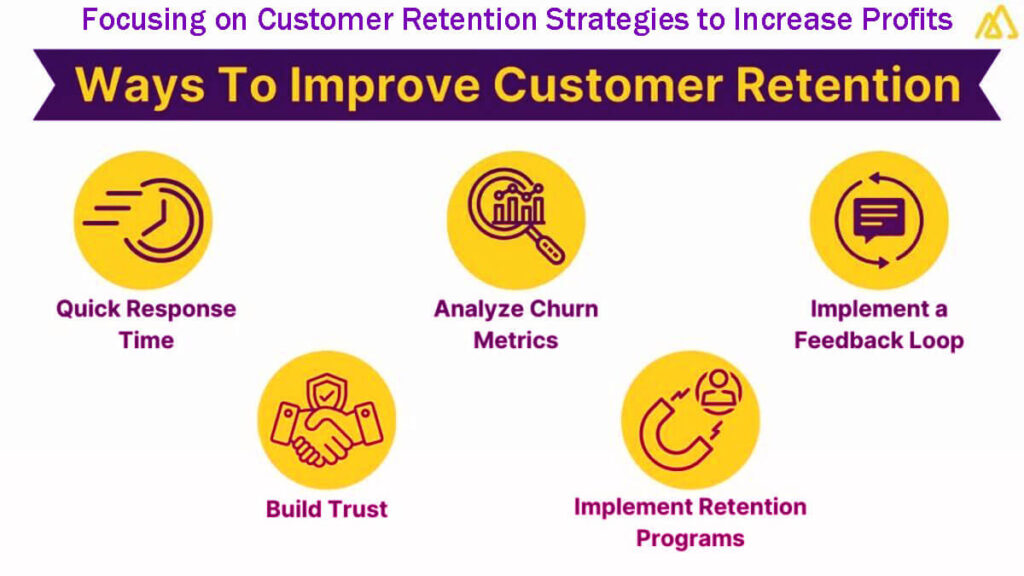
Surveys and interviews help understand customer satisfaction, but great service takes more than just listening. It needs a strong commitment from everyone in your company.
Make exceptional customer service a standard policy in your business.
Everyone on your team, from managers to frontline staff, should follow the same approach to quick responses, empathy, and taking responsibility for solving customer problems.
Helps create a place where customers want to stay loyal.
Building a culture focused on great service improves the customer experience, builds loyalty, and increases customer lifetime value.
It also leads to positive word of mouth, which can bring in new customers.
To make this happen, make sure your customer support is easy to reach and solves problems faster than customers expect.
Offer several ways for customers to get help, like phone, email, and live chat, and make sure each one provides great service.
Don’t limit your support hours to 9-to-5 in a single time zone, especially if your customers are in different regions or countries.
For example, if a customer on the West Coast needs help on a Friday at 6 PM, make sure they can get support right away rather than wait until Monday.
Being proactive, having a clear help center, and solving issues quickly the first time can greatly improve customer satisfaction.
Many people are willing to pay more for brands known for great service. Shows that investing in customer experience is worthwhile, not just a cost.
If you treat customer support as a key part of your product, customers are more likely to stay loyal and keep choosing your brand, even if it costs a bit more.
Segment Your Email List
Building a strong subscriber list is just the start. The next important step is to use segmentation so each customer’s experience feels personal.
Begin by sorting your audience by where they are in the customer journey, like whether they are new, active, or at risk of leaving.
You can also group them by interests, level of engagement, where they live, or how often they buy.
For example, if you notice that some customers often buy outdoor gear, such as camping equipment, you can send them special offers on new products in that category.
You can also use generational marketing by tailoring content to the preferences and habits of different age groups in your audience.
Good segmentation lets you personalize offers, send timely reminders, and share content that matches each person’s interests and buying habits.
Personalized messages like these can bring big benefits and help grow your revenue.
When your emails are well-targeted, you’ll likely see more people opening and clicking them, better conversion rates, and higher customer lifetime value.
Begin with a simple segmentation plan and improve it over time as you learn from your data and feedback.
The more your emails feel personal to each customer, the more likely they are to come back and buy again, helping you build a loyal customer base.
Personalization:
Use the data you have about customer habits and preferences to create personalized marketing and product suggestions.
Use analytics tools to group your customers and understand how they interact with your brand.
Offering personalized experiences, such as custom emails, special product recommendations, or exclusive deals, can greatly increase customer satisfaction.
This personal touch helps each customer feel valued, improves their experience, and encourages them to stay loyal to your brand.
Engage on Social Media:
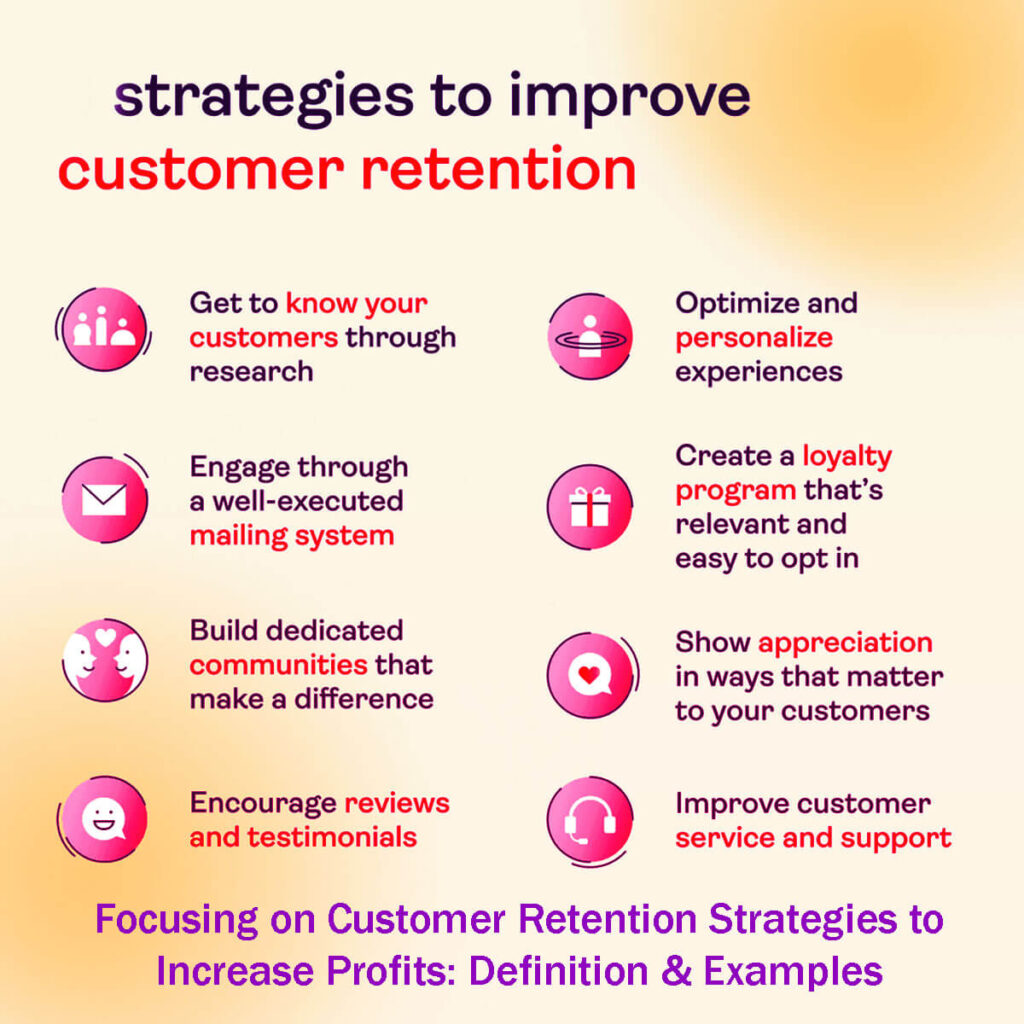
Use social media to build strong, lively connections with your customers.
Share a mix of content, like behind-the-scenes looks, customer success stories, and educational posts that show your products’ benefits.
Encourage open conversations about your brand by quickly replying to comments and messages. Shows you care about customer engagement.
Create interactive campaigns like contests, polls, or challenges that invite your audience to take part and share their opinions.
A good social media strategy not only makes your brand more visible but also builds stronger emotional connections and a loyal customer community.
Providing Educational Content:
Invest in creating educational materials that fit well with your products or services.
These could include how-to guides, helpful eBooks, or webinars that share your industry knowledge.
When you share useful content, you show your brand is trustworthy and help your customers make better decisions.
When customers feel knowledgeable and trusting, they derive greater value from their purchases and enjoy a better overall experience.
Educational content is essential for fostering trust and securing long-term loyalty.
Following Up After Purchase:
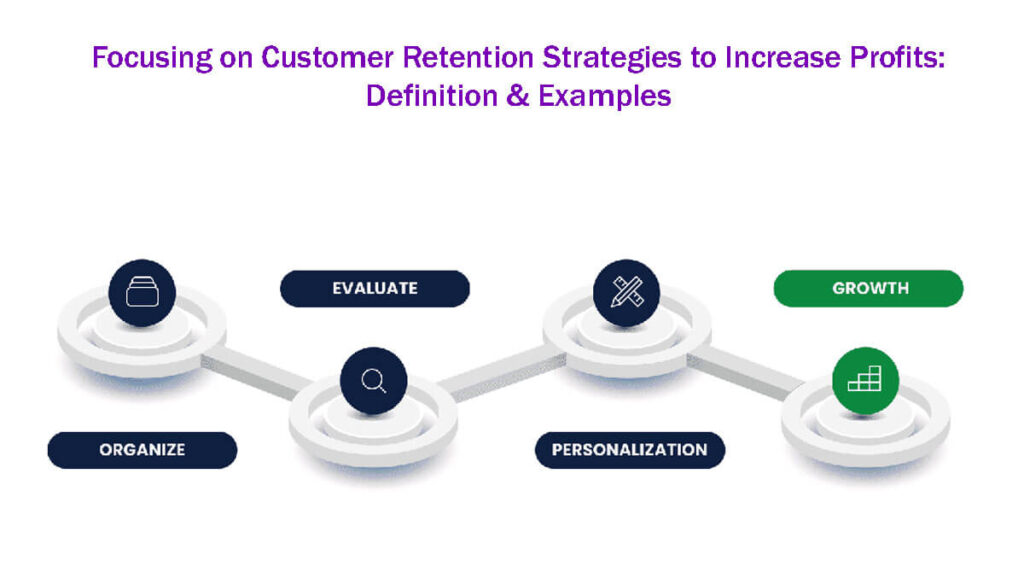
Remember, the customer journey continues after the sale, so it’s important to take action after a purchase.
Set up a way to send personalized follow-up messages that thank customers, ask for feedback, and check in on their experience with your product.
It could be a thank-you note, a short satisfaction survey, or an offer to help with any questions or concerns.
These follow-ups help customers feel good about your brand and show that you truly care about their experiences and opinions. Builds a culture of care and trust.
Analyzing and Adjusting:
Keep improving by regularly checking key customer retention metrics, such as repeat purchases, satisfaction scores, and customer lifetime value.
Use what you learn from these numbers to guide your marketing and business decisions.
Look for trends and areas for improvement to adjust your approach and better meet your customers’ changing needs.
By staying flexible and responsive, you can keep your business successful, build a loyal customer base, and see better results over time.
Developing a Mobile App: A Key to Enhanced Customer Retention
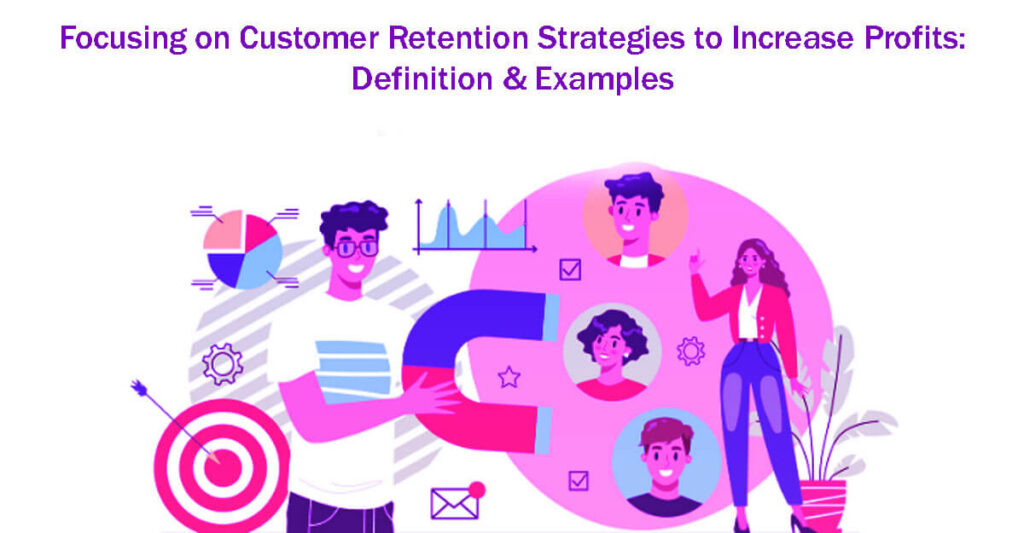
As smartphones become a part of everyday life, having a well-designed mobile app is now essential for businesses that want to keep their customers coming back.
When your app is on a customer’s home screen, it serves as a regular reminder of your products and services.
Easy access lets customers reorder with just one tap, making their experience better and helping build satisfaction and loyalty.
Mobile apps give brands a great way to share special perks and send timely updates to customers.
With your app, you can offer personalized deals and discounts based on each customer’s preferences, making them feel special.
Sending push notifications about flash sales, new products, or personal reminders helps customers feel valued and keeps them engaged.
Bringing loyalty programs, referrals, and feedback tools together in one easy-to-use app means customers no longer have to deal with plastic cards or complicated forms.
This simple setup makes things easier for customers and encourages them to interact with your brand more often.
A big benefit of mobile apps is that they can improve your overall service quality.
Features like in-app chat for quick support, real-time order tracking, shipment alerts, and easy returns all help make things smoother for your customers.
When you offer easy-to-find support and information, you build a stronger bond with your customers, leading to greater trust and satisfaction.
Studies show that shopping apps get more sales and have fewer abandoned carts than regular mobile websites.
It’s mostly because apps offer user-friendly features like saved customer information and faster checkout.
Using simple checkout steps, offering different digital wallet options, and showing clear progress bars can make it much easier for customers to finish their purchases.
Conclusion: Promoting Customer Loyalty and Repeat Business
Getting new customers is important, but long-term success increasingly depends on encouraging your current customers to buy again.
To keep customers interested, use your blog to share helpful content, answer common questions, and address their needs.
Showing that you truly value customer feedback is key to keeping them loyal.
Use surveys and personal interviews to learn what your customers like and what problems they face, then respond quickly with real solutions.
A loyalty program that is easy to use and rewarding helps customers stay loyal and feel more connected to your brand.
A good referral program with rewards for both sides can motivate your customers to tell friends and family about your business.
To build stronger relationships, grow your email list, and group your audience so you can send messages that match their interests.
Personalized product recommendations on your website and via emails can boost your average order value and motivate customers to make repeat purchases.
Great customer service is essential. When your support is fast, caring, and easy to reach, customers are more likely to trust and stick with your brand.
When your mobile app combines loyalty rewards, customer support, and easy reordering, it creates a seamless experience that keeps customers coming back.
In the end, building customer loyalty leads to higher profits and helps your brand succeed and stay strong in a competitive market.
What Is Customer Retention Analytics? Metrics and Benefits — A Guide in 8 Easy Steps
What Is Email Marketing? Types of Email Marketing in 11 Easy Steps and How to Use Them
How to Remove Yelp Reviews: How to Delete a Yelp Review in 12 Easy Steps
Top 13 Best SEO Tools: Analysis and Rankings – A Complete Guide
What is a Brand Story? How to Tell Your Brand Story: 12 Easy Steps