




Get started with What Is Email Marketing? Types of Email Marketing using this simple guide. You’ll find out about different types of emails, useful strategies, and ways to improve your campaigns.
Learn how to create engaging newsletters, send personalized messages, and use top tools and automation.
You’ll also get tips for growing your email list and tracking your results.
Whether you want to boost open rates or stay GDPR-compliant, this guide will help you improve your email marketing and make it more enjoyable.
Email Marketing: A Complete Overview
Email marketing has become an important and effective part of digital marketing for businesses in many industries.
Using email helps companies build stronger relationships with current customers and prospects, resulting in increased sales and enhanced brand loyalty.
Studies show that email marketing is more than just a basic tactic—it’s a cost-effective way to get strong results.
On average, businesses earn about $36 for every dollar they spend on email marketing.
This strong potential for high returns is backed by projections that the email marketing industry could reach $17.9 billion in revenue by 2027.
These forecasts show how important email marketing is for today’s businesses. Ignoring it could mean missing out on profits.
In this guide, we’ll cover the basics of email marketing and give you practical steps to start your own email marketing efforts.
By the end, you’ll understand the main ideas behind email marketing and have useful tips to build a strategy that fits your business.
At a Glance: Understanding Email Marketing
In summary, email marketing is a digital marketing discipline that uses email to promote products or services, thereby enhancing brand visibility and fostering customer engagement.
Exploring Types of Email Marketing Campaigns
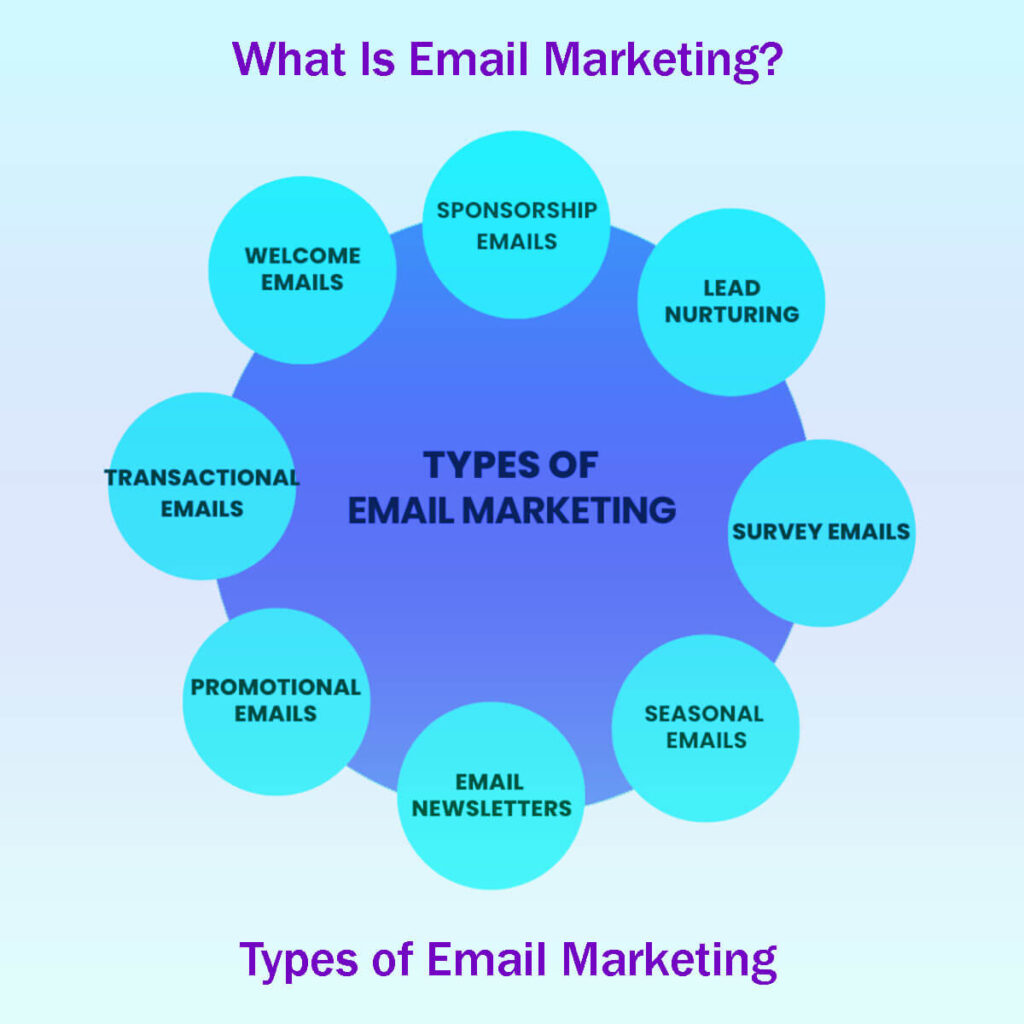
Businesses use various email campaigns to achieve specific goals.
Some of the most commonly used campaigns include:
Newsletters: Regular emails that keep subscribers updated on company news, industry trends, and helpful content.
Newsletters help build relationships and keep your brand top of mind with customers.
Welcome Emails: The first emails sent to new subscribers to greet them and let them know what to expect from your brand.
This first contact is important and can have a big effect on customer loyalty.
Promotional Emails: Messages that tell customers about special deals, discounts, new products, and other offers.
These emails are meant to encourage quick sales and involve customers.
Transactional Emails: Automated messages sent after certain actions, like order confirmations, shipping updates, or reminders about items left in a cart.
These emails help keep communication clear and improve the customer experience.
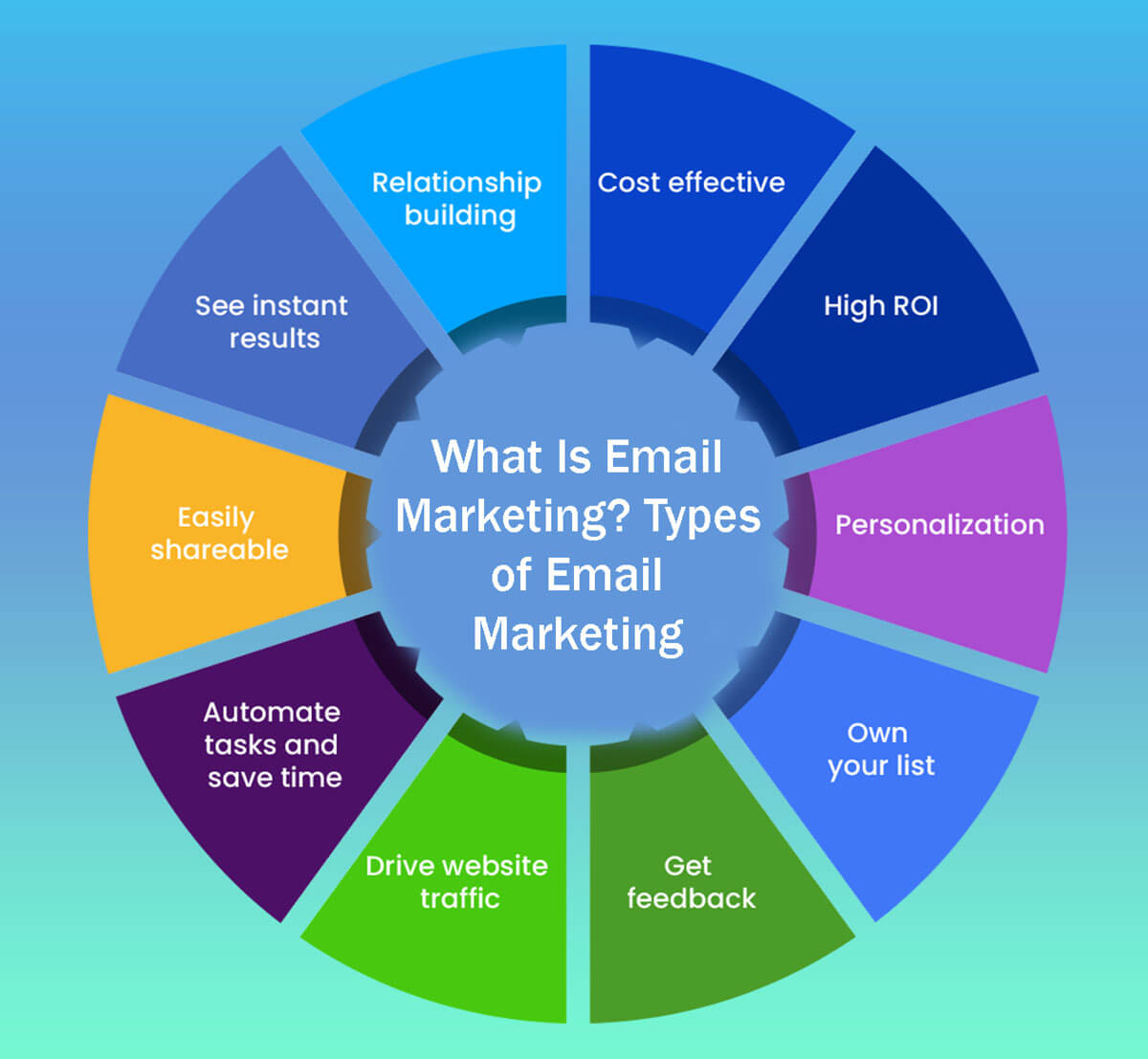
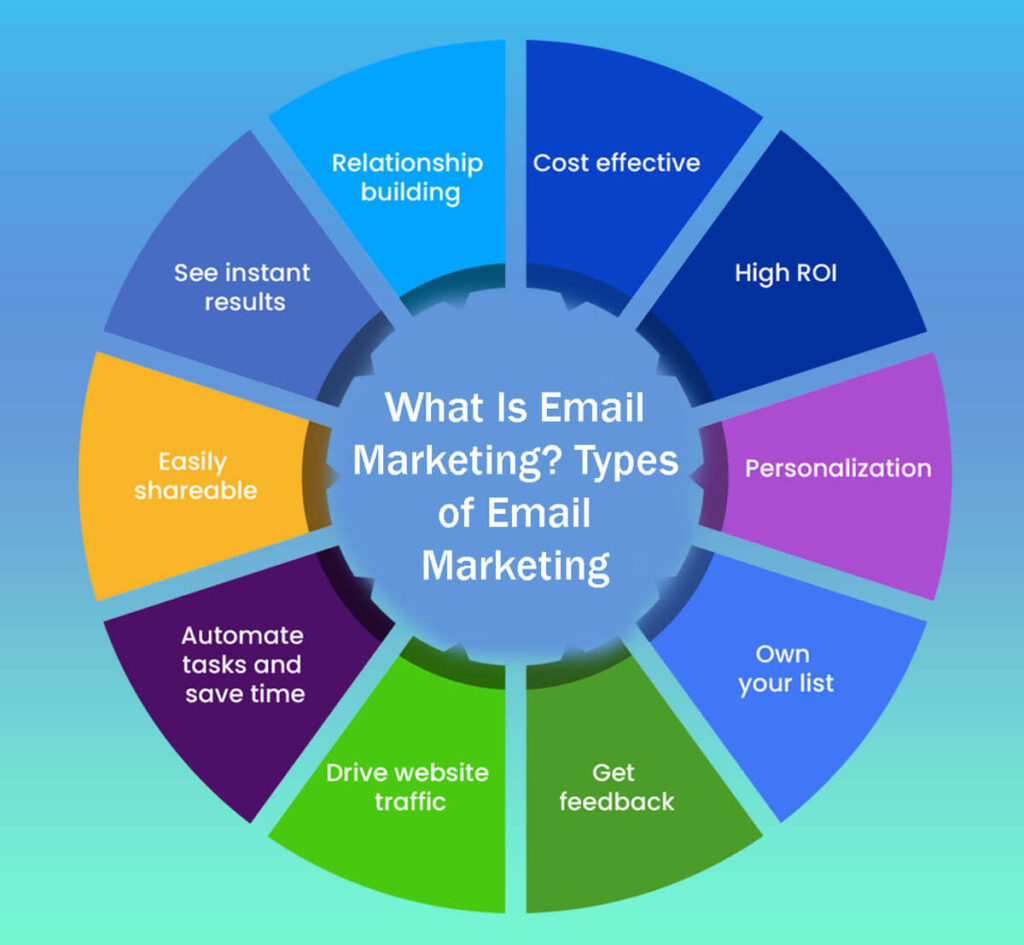
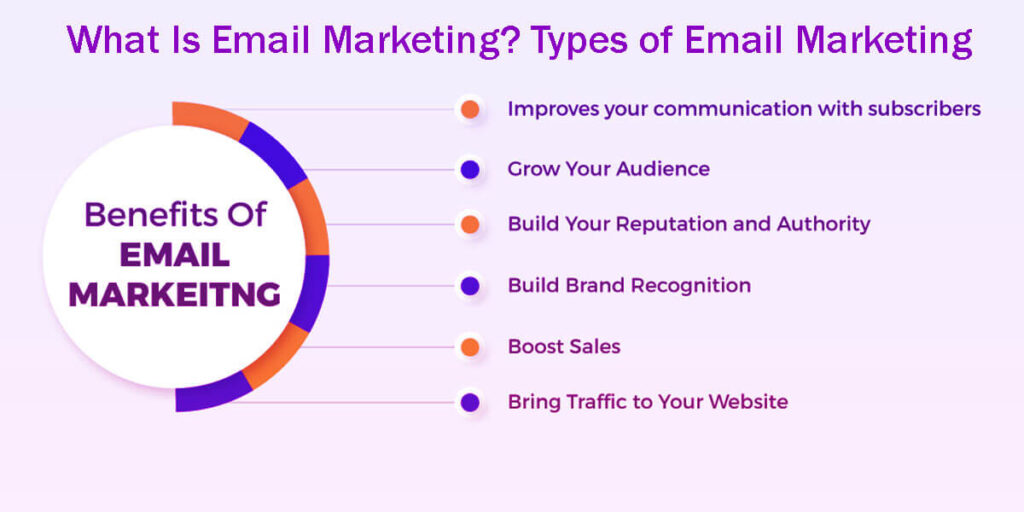
The Benefits of Using Email Marketing
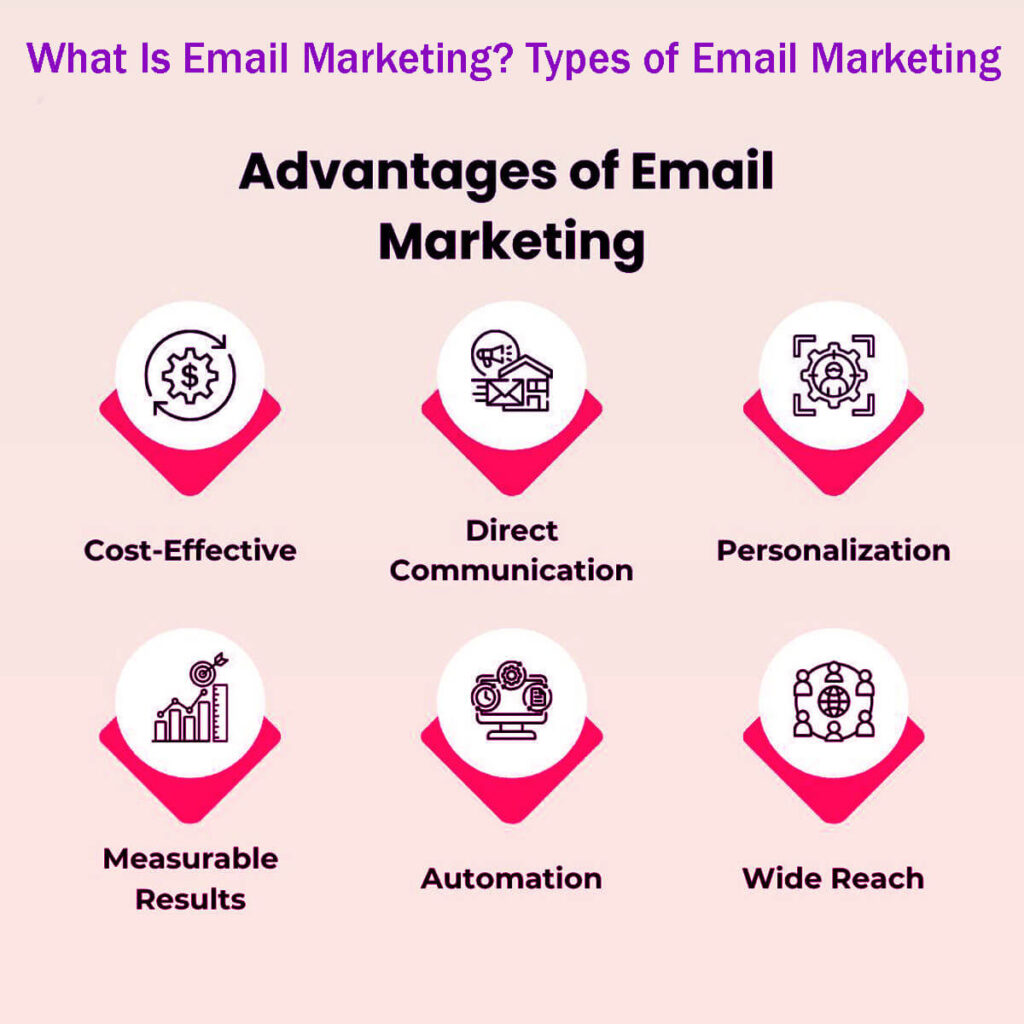
Email marketing offers numerous advantages for businesses of all sizes.
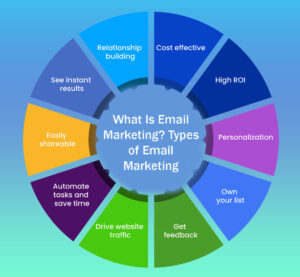
Affordability: Email marketing usually costs less than other marketing methods.
Makes it a good choice for small businesses, startups, and large companies alike.
High ROI: Email campaigns are known for generating strong revenue, making them one of the best ways to achieve a good return on your marketing budget.
Personalization: Email marketing lets businesses send content that matches the interests of different groups, boosting engagement.
Choosing the Right Email Marketing Tools
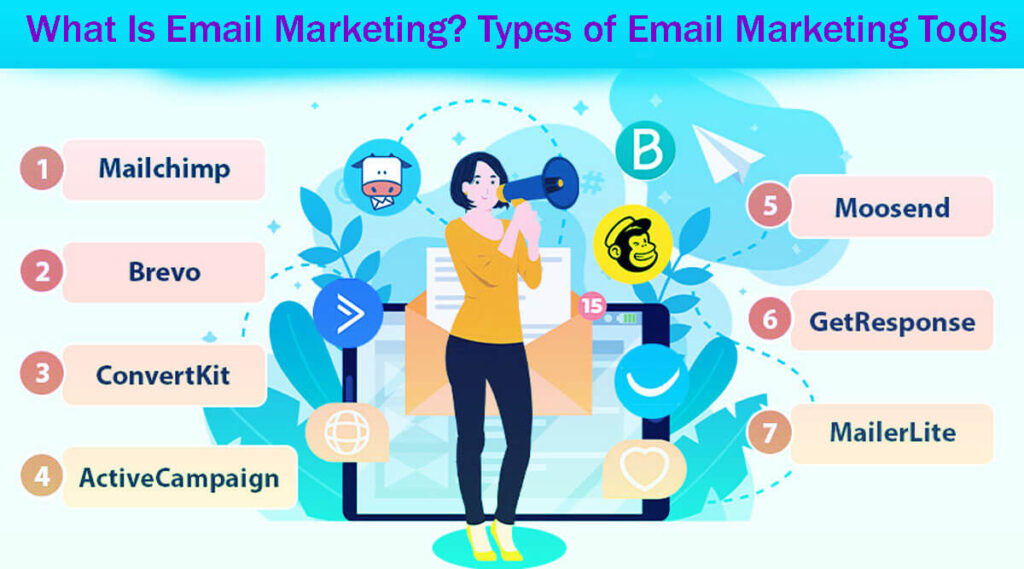
To execute a successful email marketing campaign, it is essential to select the appropriate platform. The following are some widely recognized options:
Brevo: A flexible platform with many features for managing email campaigns, including automation and analytics.
Mailchimp: Well-known for being easy to use and offering strong analytics, Mailchimp works for both beginners and experienced users.
MailerLite: An affordable option with basic tools, making it a good pick for businesses new to email marketing.
What You’ll Discover About Email Marketing
- Definition of email marketing
- Various types of marketing emails
- Importance of email marketing in today’s landscape
- Key benefits associated with email marketing
- Effective execution of email marketing strategies
- 11 strategies for achieving email marketing success
- Frequently asked questions about email marketing
- Steps to kickstart your email marketing journey
Understanding Email Marketing
What is Email Marketing?
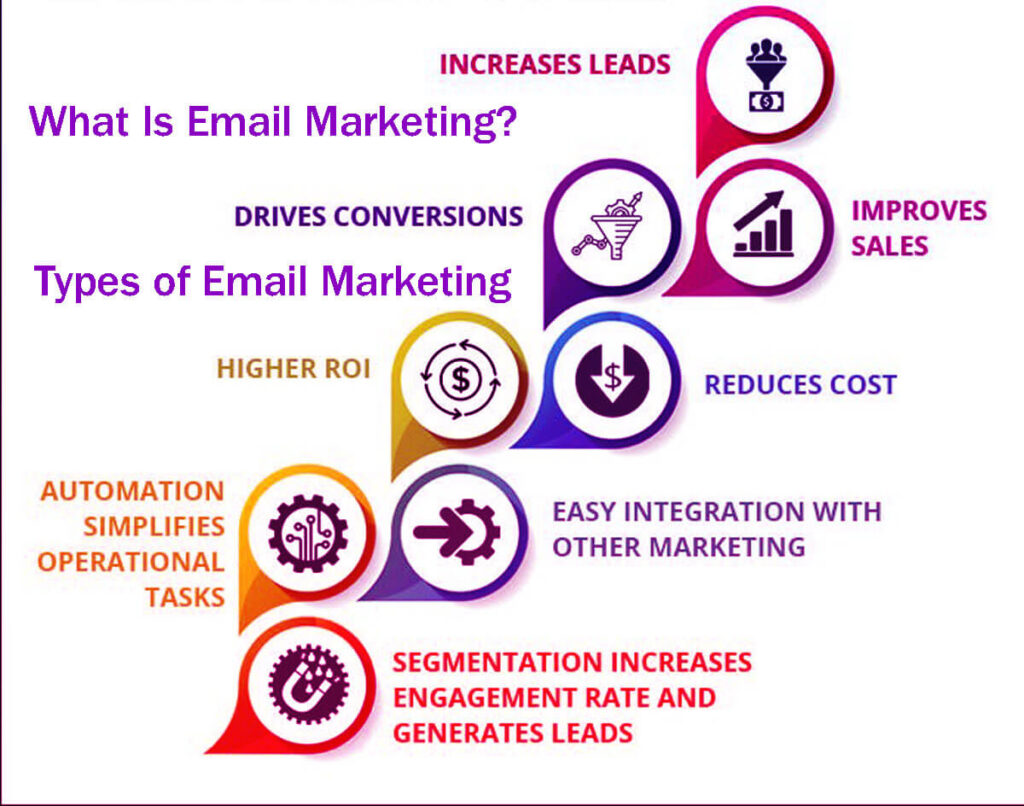
Email marketing is an important long-term strategy that sends messages to both new and existing customers.
This method lets businesses share news about new products or services, give important updates, increase sales, and build customer loyalty.
Because people choose to sign up for emails, these campaigns usually have higher conversion rates than other marketing channels.
Also, the strong return on investment from email campaigns keeps them as a key part of most businesses’ marketing plans.
Today, email marketing has moved from generic mass emails to a more advanced approach that focuses on consent, targeting, and personalization.
This approach helps enterprises engage with their audience by understanding their interests and cultivating enduring relationships.
Although making personalized campaigns can seem hard, new marketing automation tools make the process much easier by handling most of the work.
With good planning, a strong email marketing strategy can boost sales and help build a loyal community around your brand.
Different Types of Marketing Emails
Email marketing has different uses, which can be grouped into a few main types:
1. Promotional Emails
These campaigns promote special deals, new products, and valuable content such as e-books or webinars.
Usually, these are a series of 3 to 10 emails sent over a set time to keep subscribers interested and encourage them to take action.
By understanding these aspects of email marketing, businesses can design campaigns that effectively engage their audience.
Promotional emails are important because they include a clear call to action (CTA).
A CTA clearly guides readers on what actions to take, such as visiting a webpage or using a discount code before making a purchase.
For example, a good CTA might be a large button labeled “Get Your Gift,” which encourages people to click right away.
How often you send promotional emails usually depends on your business’s sales cycle.
During busy shopping periods like Black Friday or the holidays, businesses might send several promotional emails in a single day, each designed to create urgency and capitalize on increased shopping activity.
On the other hand, during slower times, businesses often space out their promotional emails by weeks or months to avoid overwhelming subscribers and keep them interested.
By using email marketing effectively, businesses can significantly improve their customer reach.
Means creating engaging content and strong CTAs, and analyzing how people respond to adjust your campaigns.
When done well, email marketing helps you connect with your audience, increase sales, and build customer loyalty over time.
2. Informational Emails
Informational emails, especially newsletters, help businesses keep their audience informed and engaged.
Newsletters share important news and updates about your business and topics your audience cares about.
These emails can cover many topics, such as company milestones, new product features, and useful content like case studies that show your brand’s impact.
Newsletters are generally dispatched on a consistent schedule, such as weekly, biweekly, or monthly, thereby fostering a reliable relationship with your subscribers.
Newsletters do more than share information. They also offer insights, helpful commentary, and practical tips that speak to your audience’s needs.
Email is still the best way to share important company news, announce new products, or let customers know about service changes.
When problems like website issues, shipping delays, or outages happen, a clear email update is the best way to keep your audience informed.
This method is secure and fast. It also lets you use the right tone for the situation, which helps build trust and transparency.
3. Retention Emails
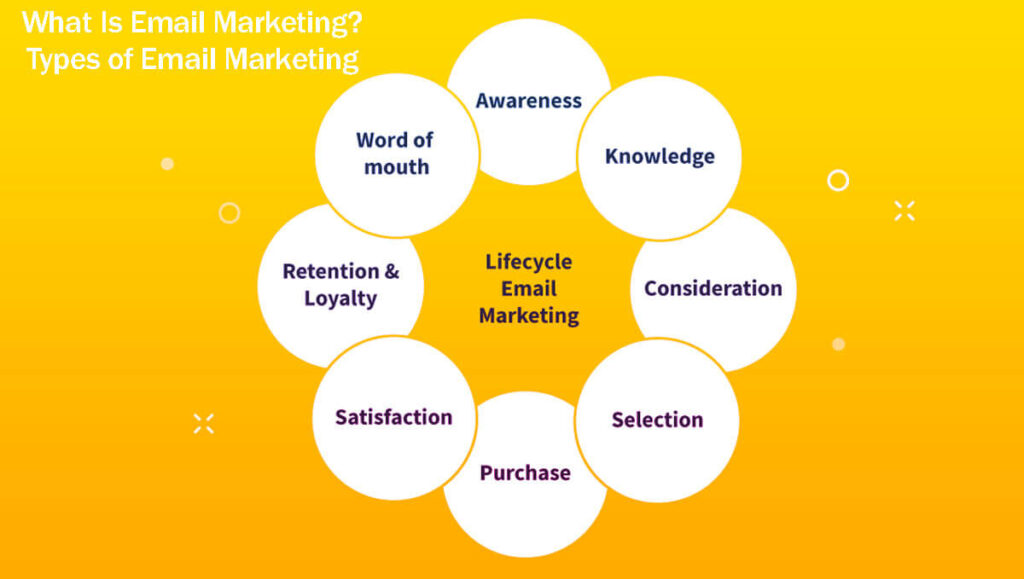
Retention emails help improve customer satisfaction and build long-term loyalty. They are a key part of email marketing.
It’s important to keep in touch with current customers because it costs less to keep them than to find new ones.
Retention emails come in many forms, all designed to strengthen your audience’s connection to your brand.
For example, these emails might highlight lesser-known product features, offer helpful tips, ask for feedback through surveys, or try to re-engage customers who haven’t interacted in a while.
Some prevalent examples of retention emails include:
Welcome Emails: Warm greetings for new subscribers that set the stage for their journey with your brand.
How-To Guides: Step-by-step tutorials that demonstrate optimal product usage.
Achievement Milestones: Celebratory emails recognizing user progress and accomplishments.
Next Steps: Emails outlining what customers can explore or achieve next with your product.
Company Updates: Information about exciting developments, stories, and upcoming events.
Value-Added Resources: Access to tutorials, webinars, or articles that can enhance user experience.
Contests and Engagement Prompts: Initiatives encouraging recipients to interact with your brand.
User-Generated Content: Showcasing community involvement that fosters a sense of belonging.
AllTrails, a company that connects outdoor enthusiasts, is a great example of a strong retention strategy.
They do a great job helping users navigate their app and showing off the many activities available.
Their emails encourage subscribers to use the platform more often by sharing links to great hike recommendations, which brings people from the email right into the app.
Even with good communication, some customers may still lose interest. That’s when reactivation emails are useful.
These emails aim to reconnect with customers or subscribers who haven’t been active for a while.
For example, Shopify uses re-engagement emails by sending surveys to subscribers who haven’t been active.
Helps them gather feedback for future improvements and encourages people to respond by offering a chance to win a cash prize, thereby increasing reactivation.
4. Transactional Emails
Transactional emails are another key type of email marketing. These are automatic messages sent when a customer takes a specific action.
For example, these emails are sent right after someone makes a purchase, so customers feel recognized and valued from the beginning.
Common types of transactional emails include:
Order Confirmations: Assurances sent to customers confirming that their purchase has been completed.
Thank You Emails: Messages expressing gratitude to customers for their recent transactions, reinforcing a positive experience.
Password Reset Emails: These emails help users regain access to their accounts seamlessly.
Reminders about abandoned shopping carts: Subtle prompts for users who have left items in their carts without completing their purchases.
Product Review Requests: Encourage customers to share their experiences by reviewing the products they purchased.
Even though they don’t use marketing language, transactional emails are important for keeping customers happy and for maintaining open communication.
They give customers quick confirmation and reassurance that they’re getting what they expect, which helps build trust.
Away, a luggage company known for its thoughtful approach, is a great example of effective transactional emails.
They send well-crafted abandoned cart emails featuring memorable language, aligned with their brand, and incorporating clear calls to action to motivate customers to finish their purchases.
Email Marketing Glossary
Subscriber: Someone who has signed up to get your emails, showing they are interested in your content or products.
Campaign: A single email or a group of emails sent for a specific reason, like a promotion, product news, or updates.
Segmentation entails partitioning your email list into distinct groups based on factors such as user behavior, geographical location, or age demographics, enabling the delivery of more targeted messages to each segment.
Personalization: Changing email content for each subscriber using their name, past actions, or preferences to make emails more relevant.
A/B Testing consists of sending two different email versions, like different subject lines or layouts, to see which performs better.
The Delivery Rate shows how many of your emails actually reach your subscribers’ inboxes. It’s a helpful way to see how well your email delivery process is working and to gain useful insights for improvement.
Bounce Rate: The percentage of emails that don’t make it to the recipients’ inboxes.
If your bounce rate is high, it might indicate problems with your email list or with how your emails are being delivered.
Hard Bounce: This happens when an email can’t be delivered for good, usually because the address is wrong or doesn’t exist.
Hard bounces can hurt your sender’s reputation, so it’s important to regularly clean and check your email list.
Soft Bounce: This means there’s a temporary problem delivering the email.
A soft bounce can happen if the recipient’s inbox is full, the email server is unavailable, or the email is too large.
Soft bounces often resolve on their own, but if they keep happening, you should review your email strategy.
Unsubscribe Rate: This shows how many people unsubscribe after receiving your emails. It’s a helpful way to understand how your audience is feeling about your messages.
Watching your unsubscribe rate helps you see if people like your emails. If many people unsubscribe, your content might not connect with them.
Open Rate: The percentage of delivered emails that people actually open.
Shows how interesting your subject lines are and how much people trust you as a sender.
If your open rate is low, there might be problems with your email content or who you’re sending to.
Conversion Rate: The proportion of individuals who undertake the desired action after reading your email, such as making a purchase, registering for a webinar, or downloading a resource.
This number shows how well your emails prompt people to take actions that support your business goals.
The Importance of Email Marketing
Why Email Marketing Is Important?
Email marketing has been essential in digital communication since 1971.
Experts predict that about 4.7 billion people worldwide will use email.
This long-lasting popularity raises an important question for marketers today:
“In a landscape dominated by social media, what role does email marketing play in an integrated marketing strategy?”
Social media is important in today’s marketing, but email marketing offers unique benefits that are worth considering.
One major benefit of email marketing is its ability to personalize, often more than social media.
Brands can segment their audience by factors such as age, purchase history, or engagement, and then send messages that feel personal to each recipient.
This targeted approach helps build a personal connection, leading to greater customer engagement and loyalty.
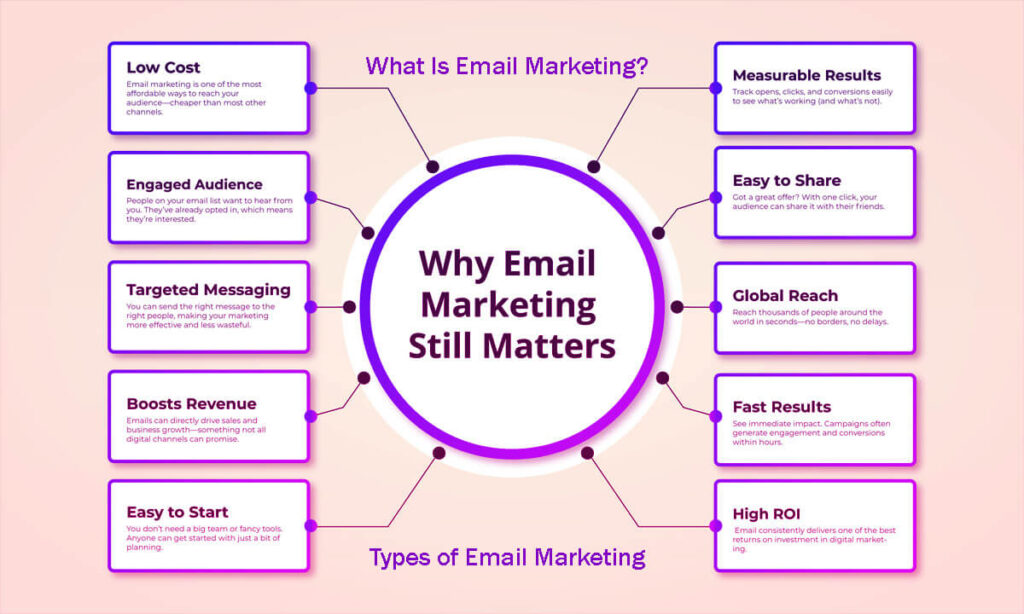
Besides being easy to personalize, email marketing is also very cost-effective.
Unlike social media ads, which can be expensive, email marketing lets businesses reach their audience for much less money.
Email marketing is especially helpful for small and medium businesses looking to get the most out of their budgets and connect with potential customers.
Email marketing often has the highest conversion rates of all digital marketing channels.
IT is a big advantage for small businesses looking to improve their marketing.
Unlike social media posts that might get overlooked in busy feeds, emails have the advantage of going directly into people’s inboxes, increasing the likelihood your message will be seen.
This direct access makes it more likely that people will engage or take action, provided marketers follow security guidelines and create compelling campaigns.
Another major advantage of email marketing is how easily you can track its results.
When paired with strong CRM systems like Brevo, marketers can easily see how well their campaigns are working.
Metrics like open rates, click-through rates, and response rates to calls to action help businesses understand customer preferences and refine their strategies over time.
Email marketing can also boost the number of people who take action from social media.
Studies show that combining email marketing with social media can lead to a 70% increase in conversions from social media posts aimed at the same group.
Shows how well email can improve the results of a combined marketing approach.
If you’re unsure about the value of email marketing, take a look at these eye-opening statistics:
More than 4.7 billion people are expected to use email, underscoring just how important this form of communication still is.
An impressive 99% of email users check their inbox at least once a day, giving businesses a great chance to reach people where they’re most active.
About 60% of consumers say email is one of their favorite ways to communicate, showing its value for reaching your audience.
Around 59% of people say marketing emails have influenced their buying decisions, proving the effectiveness of effective email campaigns.
With figures like these, it’s evident that ignoring email marketing results in lost sales and missed opportunities to foster long-term customer connections.
The Benefits of Email Marketing
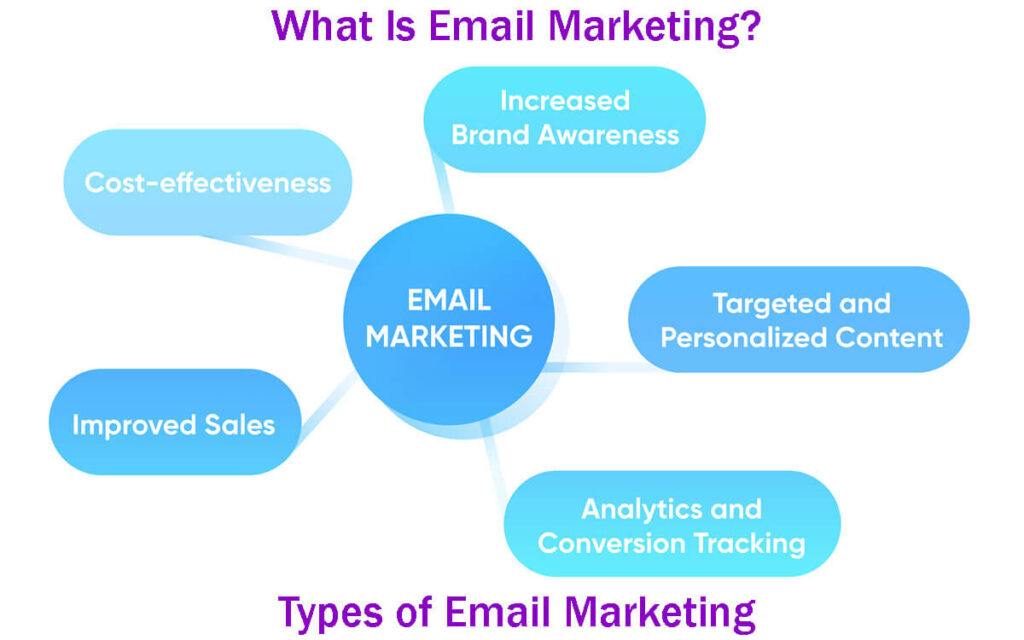
Email is essential for business growth and daily operations, from sending order confirmations to sharing engaging newsletters.
Email marketing is mainly used to achieve three key goals:
1. Driving Sales
Email marketing is a powerful way to turn subscribers into paying customers.
Whether you’re running a limited-time sale or a special offer, using different strategies can help more people notice your products.
For example, sending special coupons or offers on birthdays and anniversaries can leave a lasting impression.
Sending abandoned cart emails is a helpful way to remind interested customers who abandoned their carts and encourage them to return and complete their purchases.
2. Increasing Brand Awareness
A big advantage of email marketing is that it lets you communicate directly with each customer.
Since people are careful about which brands they let into their inbox, being there is a privilege you earn by building real connections.
Showing up regularly in someone’s inbox helps them remember your brand and keeps your business top of mind.
A well-written, personal email often makes a bigger impact than a social media post, which people might miss.
3. Building Customer Loyalty
Email marketing is key for building customer loyalty, from the first contact to after a purchase.
When paired with a good CRM system, email marketing becomes easier to maintain contact and strengthen customer relationships.
It also helps you create a community around your brand and develop a closer connection with your audience.
Boosts customer satisfaction and helps your clients feel like they belong and are valued.
In short, email marketing is a must-have part of any digital marketing plan.
It gives you the tools to boost sales, grow brand awareness, and build customer loyalty in today’s fast-changing digital world.
Using email marketing can bring big benefits and help your business succeed and grow over the long term.
How to Effectively Engage in Email Marketing
Email marketing is not just a tactic; it is a crucial method for businesses to establish strong relationships with their audience.
To do this, most businesses use special software called email service providers, or ESPs.
These platforms help businesses create, send, and manage email marketing campaigns more easily and effectively.
Often referred to as email marketing tools or services, ESPs are essential for building customer relationships and boosting sales.
Many business owners wonder whether they really need an ESP or can use their regular email inbox for marketing emails.
While you can technically send bulk emails from a personal email account, doing so comes with several major challenges.
For example, you might run into limits on how many emails you can send, have trouble making your emails look good, and, most importantly, deal with poor email deliverability.
Deliverability is extremely important because: Email services like Gmail, Outlook, and Yahoo! are primarily designed for personal messages, not for sending large volumes of marketing emails at once.
Even though these email services are free, they aren’t made to handle large amounts of email efficiently.
If you attempt to send mass emails through these platforms, your messages are likely to be flagged by spam filters. This can lead to your account being restricted or even suspended for suspected spam.
Since February 2024, Gmail and Yahoo! have added strict new rules for senders, making it even harder to send marketing emails from free accounts.
In contrast, ESPs are built with strong systems that help improve your email deliverability rates.
This setup helps ensure your marketing emails reach your subscribers’ inboxes instead of landing in spam folders.
To maintain high deliverability, ESPs take important steps to ensure your sender domain passes security checks.
When ISPs see that your emails come from a verified, secure source, they are more likely to let your messages through their spam filters, so your recipients actually get them.
To set your email marketing up for success from the start, it’s a good idea to invest in an email marketing service that fits your business needs.
How to Choose the Right Email Service Provider?
With so many ESPs out there, choosing the right one for your business can feel overwhelming.
Some well-known email service providers include Mailchimp, Constant Contact, ConvertKit, Klaviyo, Mailjet, MailerLite, GetResponse, and HubSpot. Moreover, Brevo is acknowledged for its intuitive user interface.
At Brevo, we’re proud to offer easy-to-use and efficient email marketing tools. Still, we know our platform is just one of many options.
Our primary goal is to help you find the email marketing service that best suits your needs.
To make your decision easier, think about these important questions:
Pricing: What budget have you allocated for email marketing?
If your budget is tight, look for affordable email marketing services that still offer the key features you need.
Send Volume: What types of emails do you plan to send, and with what frequency?
Knowing how many emails you plan to send can help you choose an ESP that meets your needs.
Number of Contacts: If you already possess a list of opt-in contacts, what is the total number of individuals on that list?
The size of your contact list can also affect which ESP is right for you.
Email Design Skills: What is your level of expertise in designing emails?
If you’re new to email marketing, look for a platform with an easy drag-and-drop editor and templates that work well on any device.
If you have more experience and want to customize your emails, choose an ESP that lets you edit HTML.
Automation Needs: Do you want to set up automated email workflows for your marketing?
Check which automation features each ESP offers to find the one that best fits your needs.
Target Audience and Segmentation: Does your business serve multiple buyer personas?
If so, make sure to look at how each ESP handles segmentation so you can target your audience effectively.
Transactional Emails: Will your business need to send emails like order confirmations or password resets?
Some email marketing providers, like Brevo, let you manage both transactional and promotional emails in one place.
It’s also smart to think about what you’ll need as your business grows.
Think about how many emails you might need to send as your subscriber list grows, and which advanced features will be important as you scale up.
By picking an email marketing tool that can grow with your business, you set yourself up for long-term success.
How Much Does Email Marketing Cost?
Expenditures related to email marketing are subject to significant fluctuations contingent on various key factors.
Factors include email list size, campaign frequency, customer support needs, and desired platform features.
For many startups or businesses with smaller audiences, free email marketing plans often provide all the features they need.
These free plans usually include basic templates and a few features to help you send newsletters and promotional emails.
However, as your enterprise expands and your marketing objectives become increasingly ambitious, it may become necessary to engage professional services, which can incur monthly costs ranging from several hundred to several thousand dollars.
To choose the right plan, think about what your business needs now and how you expect your email marketing to grow.
When you look at different email marketing providers, you’ll see that most charge based on how many contacts are on your email list.
This setup is helpful for beginners because you can grow your audience slowly without paying a lot at first.
But as your list grows, your costs can rise quickly, putting pressure on your marketing budget.
Brevo, on the other hand, charges based on the number of emails you send, not the number of subscribers you have.
With this model, your costs stay the same no matter how big your email list gets, making it easier to predict your expenses.
For example, Brevo’s Starter Plan costs $9 a month and allows you to send up to 5,000 emails.
This plan is a great choice for small businesses starting, since they can grow their lists without paying much as they expand.
You should give it a try and see how it can help your email marketing.
How to Grow Your Contact Lists for Email Marketing?
To run successful email campaigns, you need to keep an up-to-date list of engaged, opt-in subscribers.
It is very important. Everyone on your list should have clearly agreed to get your emails, which builds trust and keeps you in line with data protection laws.
But what exactly does “opt-in” mean?
Means people have shared their email addresses with you on purpose, maybe through signup forms on your website or blog, social media, or even at in-person events.
Ensuring you have this consent protects your brand’s reputation and helps you avoid being labeled a spam sender, which can hurt your email performance.
Because getting consent is so important, most email service providers offer tools to help you create signup forms and grow your list naturally.
Here are some good ways to help your email list grow:
Add Signup Forms to Your Website
Create a simple, appealing signup form and place it in strategic spots on your website to attract more subscribers.
Good places for signup forms include the end of blog posts, your homepage (at the top or bottom), contact pages, and even the checkout page if you run an online store.
Don’t forget about social media. Add signup links to your bio or posts so your followers can easily find them.
You can also use a pop-up form to get people’s attention right away. Just be careful not to make it too intrusive, or you might turn visitors away.
Your signup forms should be easy to see, like a good call to action, but not so noticeable that they overwhelm visitors.
Use Lead Magnets
Lead magnets are a powerful tool for rapidly expanding your email list.
Offering special content like ebooks, reports, checklists, or infographics can encourage people to give you their email addresses to get these resources.
This approach helps you grow your list and provides real value to your audience, building goodwill and enhancing your lead generation funnel.
You can also provide special deals or discounts to motivate people to sign up.
For example, the clothing brand Mango attracts new subscribers by offering a 10% discount on the first order when people sign up for its newsletter.Gives customers a good reason to share their email addresses.
How to Write a Marketing Email?
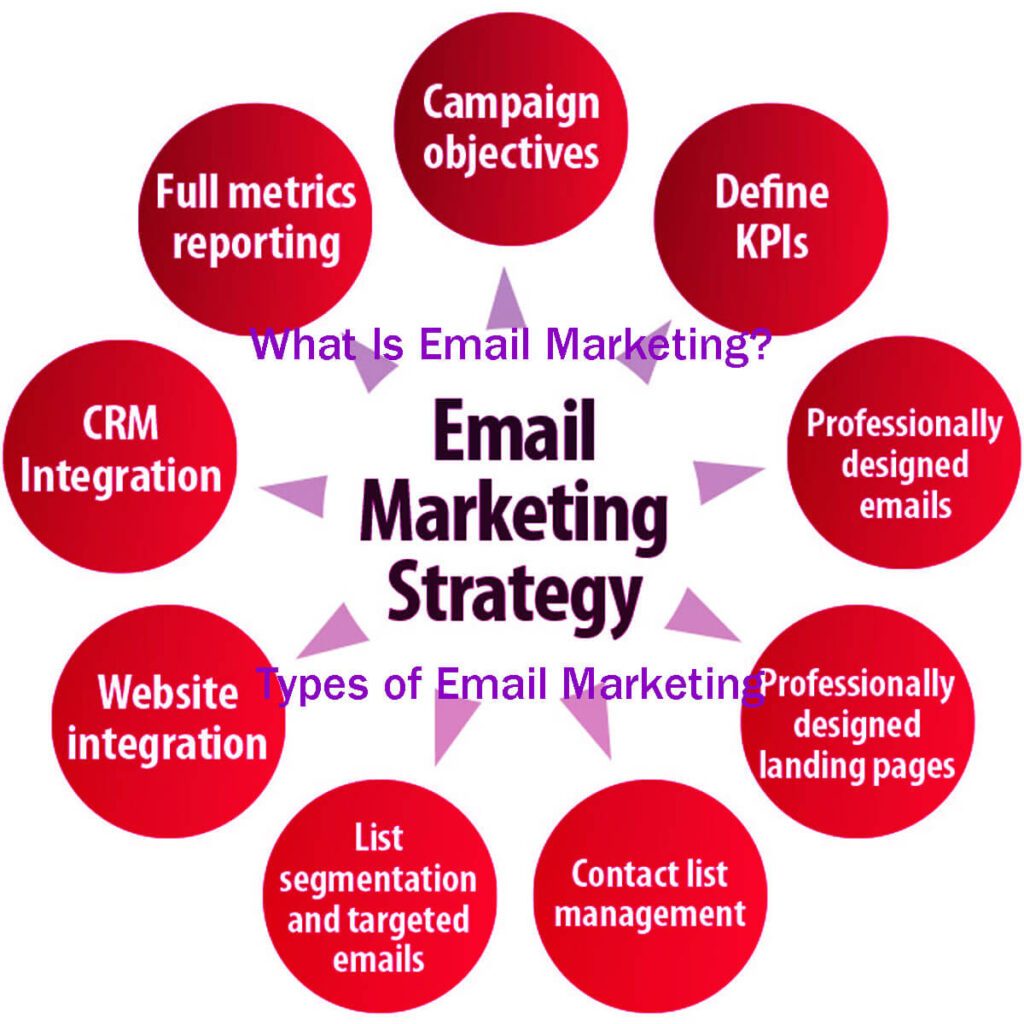
Once your contact list grows, it’s important to set a clear email marketing strategy and write content that connects with your audience.
When your emails are interesting and relevant, you’ll see more people open them, stay loyal, and make purchases. It is the foundation of a strong email marketing campaign.
1. Define an Email Marketing Strategy
A good email marketing strategy is the first step to communicating well online.
Start by deciding what you want to achieve with your first campaign. Be clear about your goals.
Your goals might be different, but here are some common ones for beginners:
Promoting a New Product: If you’re launching something new, use your email campaign to tell your audience all about it.
Point out what makes it special, how it helps users, and why it’s different from other products.
Can get people excited and interested, and encourage them to try it early.
Sharing Exclusive Discounts: Send emails with special deals or discounts to reward your loyal customers.
Helps your audience feel appreciated and encourages them to connect more with your brand.
Let people know these offers are only available for a short time to create urgency.
Increasing eBook Downloads: If you want more people to see and download your eBook, share interesting snippets or key points from it in your emails.
Add a clear call to action that invites readers to download the full eBook, and mention the value they’ll get from it.
Updating Subscribers on Company News: Let your audience know about important updates, milestones, or events happening in your company.
Sharing news like anniversaries, community projects, or new partnerships helps build trust and keeps your relationship strong.
Make sure your goals are clear, measurable, and match your business’s main mission.
Helps you create better emails and see how well your campaigns are working.
2. Design Your Marketing Email
When designing an email, try to balance good looks with easy-to-use features.
Today, easy drag-and-drop editors let you make great-looking marketing emails without needing design experience.
Don’t worry about making your email too fancy. Focus on making it feel true to your brand.
Simple designs usually work best. A clean, organized layout makes your email easier to read.
To get the most out of your emails, follow these design tips:
Be Concise: Use clear, simple text to get your message across.
Short, punchy paragraphs are easier to read and keep people interested.
Incorporate Visuals: Add eye-catching images and branding that match your business.
Good images can make your emails more interesting and help people engage with your content.
Allow for White Space: Leave enough space so your email doesn’t feel crowded.
Makes your email look better and easier to read.
Include a Clear Call to Action (CTA): Tell readers exactly what you want them to do next, like check out a product, make a purchase, or download something.
Showcase Your Brand: Make sure your logo and branding are clearly visible. This helps people remember your brand and builds loyalty.
Use Responsive Templates: Since many people use phones and tablets, ensure your email templates adapt to any screen size.
This way, your emails will look good on phones, tablets, and computers.
Visuals matter—a study found that about 74% of marketing emails use 10 to 39 images, with an average of 30 per email.
3. Save Time Using Pre-Made Email Templates
Using pre-made email templates can save you a lot of time, whether you’re new to marketing or have lots of experience.
Templates give you a good starting point, so you don’t have to build every email from scratch.
Begin by selecting a template that beautifully reflects your brand’s unique style.
Make it your own by adding your brand’s colors, fonts, and any special touches.
Templates are efficient—once you set up your design, you’ll only need to update the content for future emails, saving time.
Email platforms like Brevo offer over 40 newsletter templates across all plans, including a free option.
Additionally, numerous free email templates are available across various platforms.
These templates are also responsive, so your emails will look great on any device—phone, tablet, or computer.
4. Optimize Your Email Subject Line, Preview Text, and Sender Name
The subject line is one of the most important parts of your email campaign.
This short line can make the difference between your email being opened or ignored.
Writing a good subject line is key to getting people’s attention.
Try to write subject lines that pique curiosity or give people a reason to open your email.
Keep subject lines under 50 characters if you can, so they’re easy to read everywhere.
Show off your best offers and connect with your audience’s feelings and goals, but keep your brand’s voice.
Try A/B testing different subject lines to see which one your audience prefers.
Watch out for common mistakes: don’t use too much promotional language, avoid all-caps, and keep punctuation to a minimum.
If it fits your brand, add one or two emojis to catch the eye and make your subject line stand out.
Many email platforms, like Brevo, have AI tools to help you come up with great subject lines and improve your messages.
If you want more ideas, check out resources like “150 Email Subject Lines: Examples, Best Practices, and More.”
The first thing people usually notice after getting an email is who it’s from.
Helps them decide if your email is trustworthy.
To build trust and help people recognize your brand, ensure your sender name clearly identifies you.
You can use your company name, brand name, or even your newsletter title to connect with your audience.
Here are some ways to make your sender name more effective:
Use Your Company or Brand Name: A simple way is to use your company, brand, or newsletter name as the sender.
Helps people quickly recognize your brand and know the email is from you.
Personalize with Your First Name: You can make it more personal by adding your first name, like “Dimira at Brevo.”
Makes your emails feel more friendly and helps you connect with your audience.
Create Distinct Sender Names for Different Content Types: You can also use different sender names for different types of emails.
For example, use “Brevo Product News” for updates and “Brevo Promotions” for special deals.
This way, people know what the email is about before opening it, which can help more people read and engage.
Maintain Consistency Across Campaigns: Always use the same sender name and email address so people can easily spot your emails.
Being consistent helps people remember your brand and trust your emails.
Avoid No-Reply Email Addresses: Don’t use no-reply email addresses.
These can stop people from replying with questions or feedback.
Use an email address you check frequently. Builds trust and helps you connect more effectively with your customers.
Using these tips will improve your email communication and help you build stronger relationships with your audience.
Preheader/Preview Text
The preheader, also known as preview text, is an important part of email marketing. It shows up right after the subject line in many email apps, especially on mobile devices.
This short snippet gives readers more context than just the subject line and can make them more likely to open your email.
For best results, make sure your preheader and subject line work together. They should tell a clear story or message that sparks the reader’s curiosity.
A good preheader should sum up your content and encourage readers to open the email and learn more.
If you don’t set a custom preview text, most email apps will show the first line of your email instead.
It might not seem like a big deal at first, but it could mean you miss a chance to grab your readers’ attention. That’s why it’s worth taking time to write a strong preheader that matches your subject line.
Writing Your Email Copy
Writing engaging email copy is key to providing your audience with value and ensuring your content aligns with what they like.
Always focus on what your readers care about, while showing your brand’s unique style and personality.
Here are some practical tips for writing email copy that persuades and engages:
Know Your Audience: Start by putting yourself in your readers’ shoes.
Ask yourself, “What am I offering my subscribers?
How can my content help them or solve their problems?”
Visualize One Reader: Make your message feel personal by imagining you’re writing to just one person, not a big group.
Infuse Brand Personality: Let your writing show your brand’s unique style, whether it’s playful, professional, or something else.
Engage with a Compelling Narrative: Organize your email to tell a story or create interest, so readers stay engaged.
Spark Curiosity: Use a subject line that grabs attention and keep that sense of interest going in your email, so readers want to know more.
Adopt a Conversational Tone: Write like you’re talking directly to the reader to make your email feel friendly and personal.
Enhance Clarity: Break down information into short paragraphs and bullet points to make complex details easier to understand.
This way, readers can scan your content easily without feeling overwhelmed.
Personalize the Email Signature: Instead of just a brand logo, add a real person’s name to your email signature to build trust and connection.
For example, Sundays’ emails use a lively tone that perfectly matches their brand personality.
Their writing is clear, concise, and easy to read, making it a great example of effective email communication.
Timing Your Marketing Emails for Maximum Impact
Instead of picking random dates and times to send your emails, it’s important to have a plan.
Knowing your audience’s habits and preferences helps you choose the best time to send your emails.
However, keep in mind that what works for most businesses might not work for yours.
Try sending emails at different times to see which schedule your audience prefers.
You can also use Brevo’s Send Time Optimization feature. It analyzes past engagement to determine the best time to email each contact.
11 Email Marketing Strategies for Success
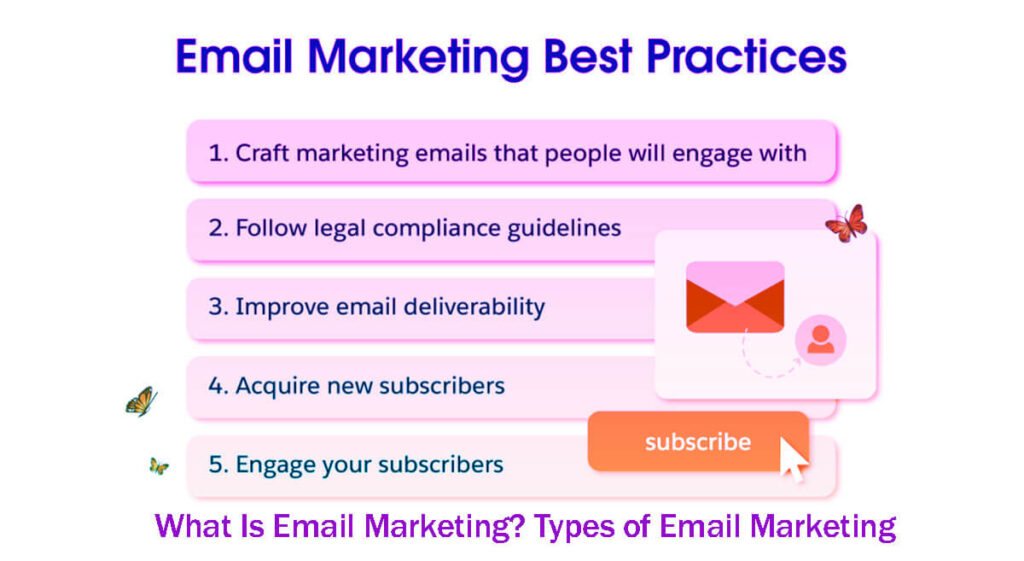
This section will examine effective strategies and best practices for running successful email marketing campaigns.
Never Buy Email Lists: Growing a strong email list takes time, especially if you’re new to the industry.
Buying an email list may seem like a quick solution, but it carries serious risks.
Buying an email list can hurt your business in several ways:
Legal Pitfalls: Sending unsolicited emails and managing personal data in your CRM without explicit consent can result in a GDPR violation.
Sending unsolicited emails can harm your sender reputation by increasing the likelihood that recipients will mark them as spam, potentially resulting in your email address being added to a blocklist.
Service Limitations: Many email marketing services refuse to work with purchased lists, as they can negatively impact the deliverability for other users sharing the same IP addresses.
In short, don’t buy email lists. Take the time to grow your list naturally instead.
Growing your list this way may take longer, but it leads to a more engaged audience and stronger relationships.
Use Double Opt-In Signup Forms: The opt-in process is important when people join your email list. There are two main ways to do this:
Single Opt-In: Here, subscribers join your email list as soon as they submit the signup form.
Double Opt-In: With this method, you send a confirmation email with a link that each new subscriber must click to complete the subscription.
They need to click the link to finish signing up. Without this step, they won’t get your future emails.
Double opt-in adds an extra step, but it greatly improves your email deliverability and engagement.
This method helps filter out misspelled email addresses that cause hard bounces, removes spam traps, and gives clear proof of subscriber consent, which is required under GDPR.
Adding double opt-in to your email marketing is considered highly effective. It helps you build a healthier list and get better engagement.
3. Segment Your Email List
As your email marketing grows, your subscriber list will likely become larger and more diverse, including many types of buyers with different preferences, interests, and behaviors.
That’s why segmenting your list is so important. It lets you divide your subscribers into smaller groups based on what they have in common.
This way, you can send each group emails that match their interests and needs.
To segment your list effectively, consider different ways to group your contacts.
You might group people by age, gender, income, or location. You can also use things like purchase history, how they’ve interacted with your emails, or what they do on your website or social media.
Integrating a CRM system with your email platform can greatly enhance segmentation efficiency.
A CRM stores important details about your contacts and gives you helpful insights for grouping them.
With this information, you can create sub-lists and send messages that align with each group’s interests and habits.
It’s a good idea to set up your segmentation process early, especially when people first sign up.
You can ask new subscribers what kind of content they want and how often they’d like to get emails.
Helps keep people engaged and makes sure everyone gets content that matters to them.
For example, Bloomingdale’s signup form does this well.
It lets customers choose which types of emails they want, such as fashion news, home decor tips, or special offers.
If someone chooses “home” content, they’re added to the “home” email list in the CRM. This way, Bloomingdale’s can send them emails that match their interests.
When you get to know your customers, you can send them content they care about and improve their experience with your brand.
4. Personalize Your Marketing Emails
Personalization has become a crucial part of effective email marketing.
People are more likely to respond when brands add a personal touch and show they care about details.
So, personalization isn’t just a nice extra anymore—it’s necessary for building strong relationships with both new and current customers.
To improve your email marketing and get better open, click, and conversion rates, try these simple but effective personalization tips:
First Names: Use your subscribers’ first names in both the subject line and the body of the email.
This small step helps your emails feel more personal.
Timing is Key: Pay attention to your subscribers’ time zones so your emails arrive when they’re most likely to read them.
Targeted Messaging: Use segmentation to make sure your messages match each group’s specific interests.
Behavior-Triggered Emails: Set up emails that respond to how your customers use your products or services.
For example, you can send follow-up emails following a purchase or when a user views specific items on your website.
Milestone Celebrations: Send emails to mark important moments, such as a customer’s anniversary with your brand or a major milestone with your products.
Personalized Recommendations: Offer product suggestions based on customers’ viewing or purchase history. This simplifies shopping and maintains customer engagement.
Research from McKinsey & Company shows that customers value personalized experiences tailored to what brands know about them.
Personalization helps customers find what they want and feel more connected to the brands they choose.
When planning your next email campaign, try adding dynamic content for even more personalization.
Let’s give each subscriber a more customized and relevant experience.
Case Study: Netflix
Netflix is a great example of successful personalization.
The streaming service is great at recommending shows and movies that match each user’s preferences.
For example, when a new season of a show you’ve watched comes out, or a similar series is added, Netflix sends you a notification.
This personal touch makes watching more enjoyable and keeps people coming back.
Further Reading: Discover how personalized emails can enhance customer engagement and boost your sales.
5. A/B Test Your Email Marketing Content
Which subject line or content will work best for your audience?
A/B testing is a reliable way to find out what your subscribers like most.
It can help you boost your open and click-through rates.
A/B testing means trying out different parts of your emails to see what works best.
You might test different subject lines, content formats, or calls to action.
By looking at how people respond to each version, you can see what gets the most engagement.
These insights help you adjust your strategy and get better results from your email marketing over time.
A/B testing not only improves your content but also helps you learn what your audience likes, so you can make your future campaigns even better.
6. Improve Email Delivery Rates
To succeed in email marketing, you need to make sure your emails are reliably delivered.
Good deliverability depends on clear subject lines, strong calls to action, and interesting content.
The primary objective is to make sure your emails reach recipients’ inboxes and avoid ending up in spam folders or having your sender IP address blacklisted by ISPs.
Understanding Email Deliverability
Email deliverability is about ensuring your email reaches the recipient’s inbox instead of being flagged as spam or bouncing back.
Several technical factors affect deliverability, such as server authentication protocols like SPF (Sender Policy Framework) and DKIM (DomainKeys Identified Mail).
Non-technical strategies are also important for making sure your emails reach your audience as planned.
Best Practices for Deliverability:
Craft Subject Lines Wisely:
Your subject line is the first thing people see. Avoid making it sound spammy or too promotional. Use clear language that matches your email’s content.
Try out different subject lines to see what your audience likes best. It can help boost your open rates and improve how people see your brand.
Maintain an Updated Subscriber List:
Regularly check your subscriber list and remove contacts who don’t engage or have inactive email addresses.
Keeping your list clean improves deliverability and helps you focus on people who are truly interested in your emails.
Send to Opt-In Subscribers Only:
Send emails only to people who have signed up and shown real interest in your content.
If you send emails to people who don’t know your brand, you risk being marked as spam. It can hurt your reputation and future deliverability.
Provide an Easy Unsubscribe Option:
Adhering to regulations like the GDPR (General Data Protection Regulation) is essential.
Make sure every email includes a clear, easy-to-find unsubscribe link. Respects your recipients and reduces the likelihood they’ll mark you as spam.
7. Regularly Clean Your Email List
Keeping your email list up to date improves deliverability and increases engagement.
Look for inactive subscribers and take steps to address them.
If someone hasn’t engaged with your emails in six months, try a reactivation campaign to get their attention again.
You can send a reminder or ask them to confirm their interest with a second opt-in.
If they still don’t engage, it’s best to remove them from your list.
It might feel disappointing to see your list shrink, but cleaning it will improve deliverability and help you reach a more engaged audience.
8. Simplify the Unsubscribe Process
Making it easy for people to unsubscribe is important for a good user experience.
Having a clearly visible unsubscribe button helps prevent users from becoming frustrated and marking your emails as spam.
Most email marketing services, like Brevo, include an easy unsubscribe feature. Let’s you focus on creating content instead of worrying about compliance.
Keep in mind that a healthy unsubscribe rate is usually 0.5% or lower. Watching this number helps you understand how satisfied your audience is.
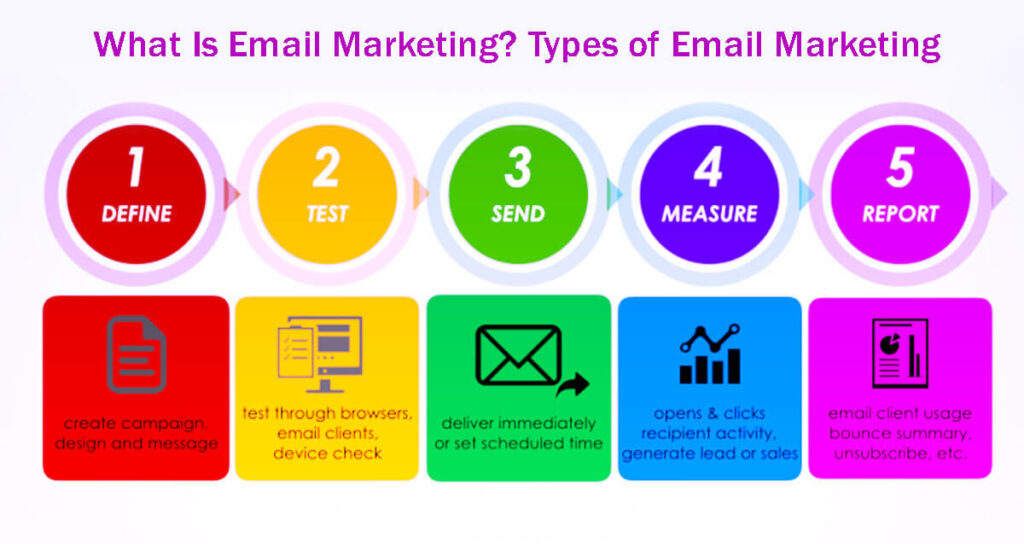
9. Monitor Your Progress Using Email Marketing Metrics
To keep improving your email marketing, you need to look at key performance metrics.
Most Email Service Providers (ESPs) offer analytics dashboards with important real-time metrics, such as:
Open Rate: This metric indicates the number of recipients who opened your email out of the total emails sent.
A high open rate means your subject lines work well and you’re reaching the right audience.
Click-Through Rate (CTR): This metric represents the proportion of recipients who clicked a hyperlink in your email, relative to the total number of emails successfully delivered.
Knowing what gets people to click helps you create better content.
Unsubscribe Rate: This is the number of people who opted out divided by your total recipients. It helps you see how healthy your email list is.
If your unsubscribe rate is high, you may need to change how often you email or make your content more relevant.
Bounce Rate: This is the percentage of emails that didn’t get delivered.
Soft bounces happen when there’s a temporary issue, like a full inbox; hard bounces show more permanent problems, such as invalid email addresses.
Watching these rates helps you keep your list healthy and protect your sender reputation.
With tools from providers like Brevo, you can quickly see your campaign results in real time or look at detailed stats later.
If you manage your email list well and keep improving your strategy using these metrics, you’ll boost engagement and run stronger, more effective campaigns.
10. Understand Your Local Laws and Regulations for Email Marketing
Email marketing is regulated by laws and rules that differ by location.
Make sure you know the legal rules that apply in your area so your marketing stays compliant.
If you don’t follow these rules, you could face large fines and harm your brand’s reputation. Staying informed is worth it.
In the United States, the CAN-SPAM Act is a fundamental piece of legislation governing commercial email.
This law requires you to include a clear way for people to unsubscribe, honest subject lines, and your physical address in every email.
Following these rules helps you avoid penalties.
In Europe, GDPR significantly affects how personal data is collected and used, particularly in email marketing, aiming to protect privacy and ensure transparency.
GDPR focuses on getting user consent and requires marketers to be clear about how they use personal data.
Under GDPR, individuals have enhanced rights, including the right to access their data, the right to have it deleted, and the right to object to its use for direct marketing.
To better understand these rules, check out articles like “GDPR in Email Marketing: How to Be Compliant and Avoid Fines” for practical tips.
11. Scale Your Efforts with Email Automation
After you understand the basics of email marketing, adding automation can make your efforts more effective and help your business grow faster.
Automation tools handle routine marketing tasks so that you can focus on bigger goals.
Autoresponders are one of the easiest and most effective ways to automate your emails.
These tools can send personalized emails or a series of emails at set times or when users take certain actions, giving your subscribers a custom experience without extra work from you.
A classic example of an autoresponder in action is the welcome email sent to new subscribers.
This email introduces your brand and sets expectations for future messages.
Most email marketing services, like Brevo, include this feature, so you can easily connect with new customers from the beginning.
Brevo’s automation builder also has an easy-to-use interface for creating custom workflows.
With this tool, marketers can easily add steps such as how subscribers enter the workflow, what actions occur after specific events, and when to restart or end a sequence.
If you want to take things further, advanced automation software lets you build complex email sequences using if/then/else logic.
It is especially useful for nurturing leads and scoring, since you can adjust your messages based on how users interact and engage.
Learning the basics of email automation is essential for running successful campaigns and staying competitive in today’s digital world.
If you want to learn more, check out resources like “Marketing Automation Services: 10 of the Best Tools” for help choosing the right tools for your email marketing.
Email Marketing: Complete Guide and Detailed FREQUENTLY ASKED QUESTIONS (FAQs)
What is Email Marketing?
Email marketing is a flexible digital strategy that uses email to reach both new and existing customers.
With email, businesses can promote their products or services and build lasting relationships with their audience.
Includes campaigns such as welcome emails for new subscribers, newsletters with updates, abandoned-cart reminders, and messages about special offers or new products.
With careful planning, email marketing can effectively engage customers, build loyalty, and increase sales.
What Does an Email Marketer Do?
An email marketer has an important, specialized role in digital marketing.
They plan, design, and email campaigns to engage and convert customers.
Email marketers build and maintain strong customer relationships through targeted emails.
Their main tasks are managing segmented email lists, writing engaging content, and analyzing results to improve future campaigns.
How Can I Generate Revenue Through Email Marketing?
Email marketing gives you many ways to earn more revenue.
One way is through direct sales—sending well-crafted promotions to your list to encourage purchases.
Affiliate email marketing lets you promote other brands’ products and earn commissions on any sales from your referrals.
You can also add sponsored content or ads to your emails to generate additional revenue.
The main thing is to balance promotions with useful information to keep your audience interested.
How Can I Launch My Email Marketing Campaign?
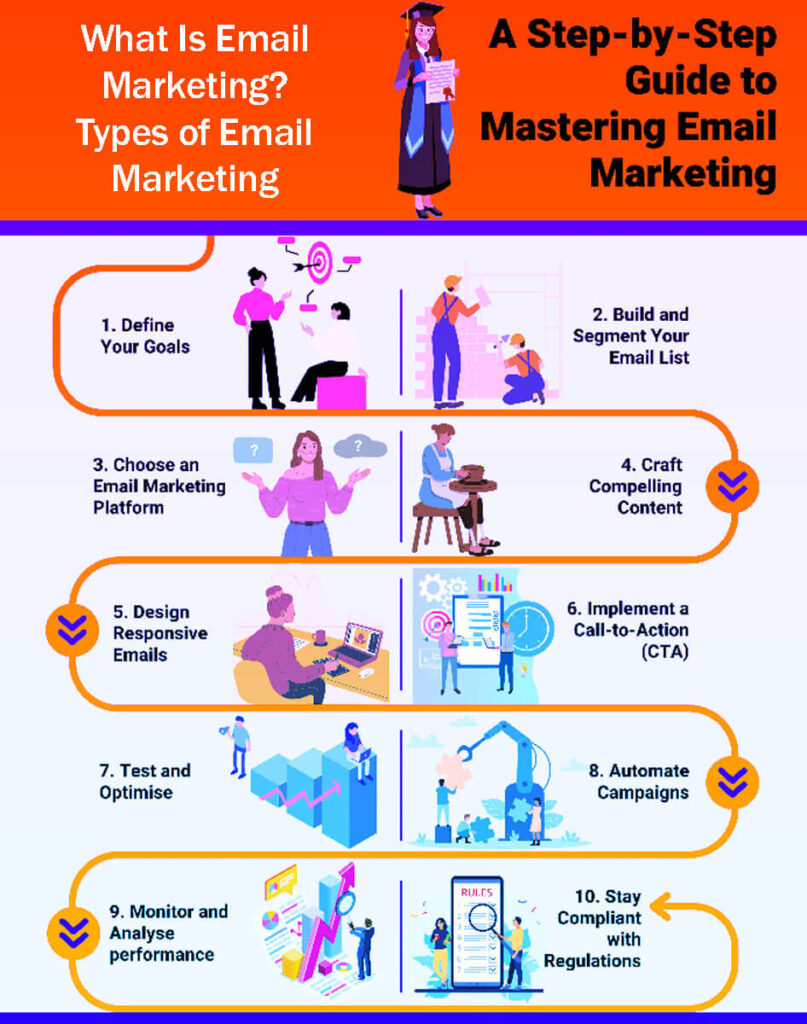
Starting email marketing can be rewarding. Here are some steps to help you launch successfully:
Choose a reputable email service provider (ESP): Look for one that fits your business needs, is easy to use, offers the features you want, and aligns with your budget.
Define your marketing strategy and goals: Be clear about what you want to achieve, like boosting sales, promoting new products, or increasing customer engagement.
Build a strong contact list: Gather high-quality contacts by offering sign-up incentives such as exclusive discounts or valuable content.
Design compelling marketing emails that showcase your brand and resonate with your audience.
Make sure your emails look good on both desktop and mobile devices.
Write compelling content: Focus on your subject line, sender name, and preview text to get more people to open your emails.
Ensure your content is engaging, useful, and relevant to your audience.
Launch your email campaign: After finalizing your content and design, schedule your campaign and keep an eye on how it performs.
Analyze the results: Check metrics such as open rates, clicks, and conversions to identify what worked and improve future campaigns.
Is It Possible to Start Email Marketing for Free?
Yes! Many businesses can start email marketing without paying anything up front.
Many platforms, like Brevo and Mailchimp, offer free plans with basic features that work well for startups and small businesses.
However, these free plans usually limit the number of emails you can send and the number of contacts you can have.
As your business expands, consider upgrading to a paid plan for additional features and increased limits.
Is Email Marketing Legal?
Email marketing is legal, provided you adhere to the applicable rules, which vary by location.
Most regulations require you to get clear permission from subscribers before sending marketing emails.
You also need to include an easy-to-find unsubscribe link in every email, so people can opt out if they want.
You must also protect your subscribers’ personal data.
Important email marketing laws include the GDPR in Europe and the CAN-SPAM Act in the United States. These set strict rules for ethical email practices.
Start Using Email Marketing
We trust this guide has clarified email marketing and highlighted the numerous advantages it offers for your business.
Even though there’s a lot to learn, taking one step at a time can help any business use email marketing to boost engagement and growth.
In Summary:
Email marketing constitutes an effective strategy for enhancing sales and fostering customer loyalty.
You can run various types of email campaigns, such as updates, promotions, and transactional emails.
By following best practices—such as personalizing messages, segmenting your lists, obtaining clear consent, and sharing valuable content—you can get the most out of your campaigns.
Start your email marketing today with Brevo’s free plan, which makes it easy to get going and improve your results.
No matter your industry, Brevo has a full set of features and tools to help you create email campaigns that stand out and connect with your audience.
How to Remove Yelp Reviews: How to Delete a Yelp Review in 12 Easy Steps
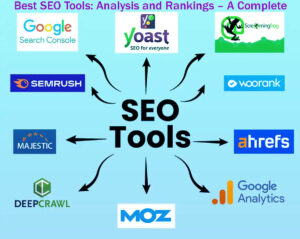
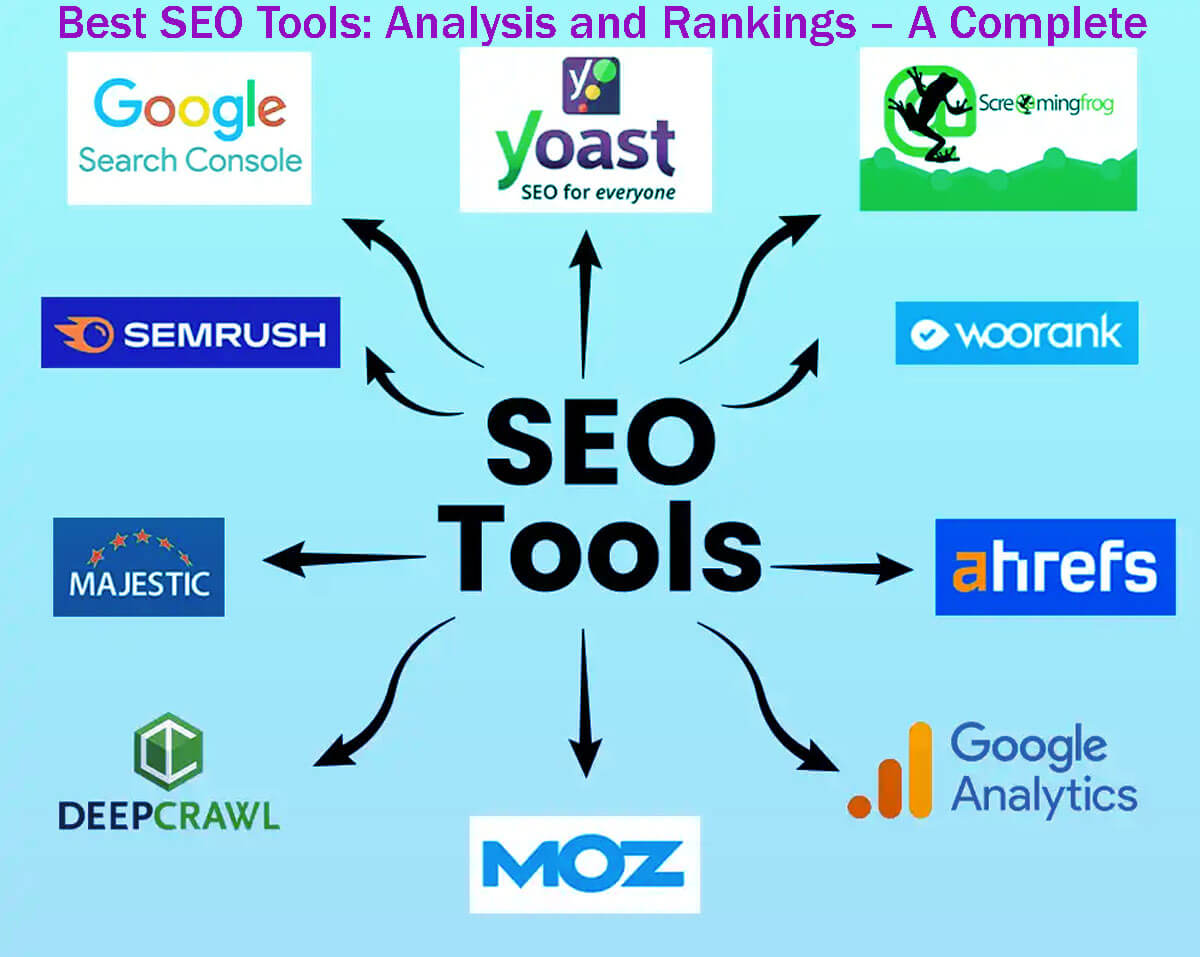
Top 13 Best SEO Tools: Analysis and Rankings – A Complete Guide
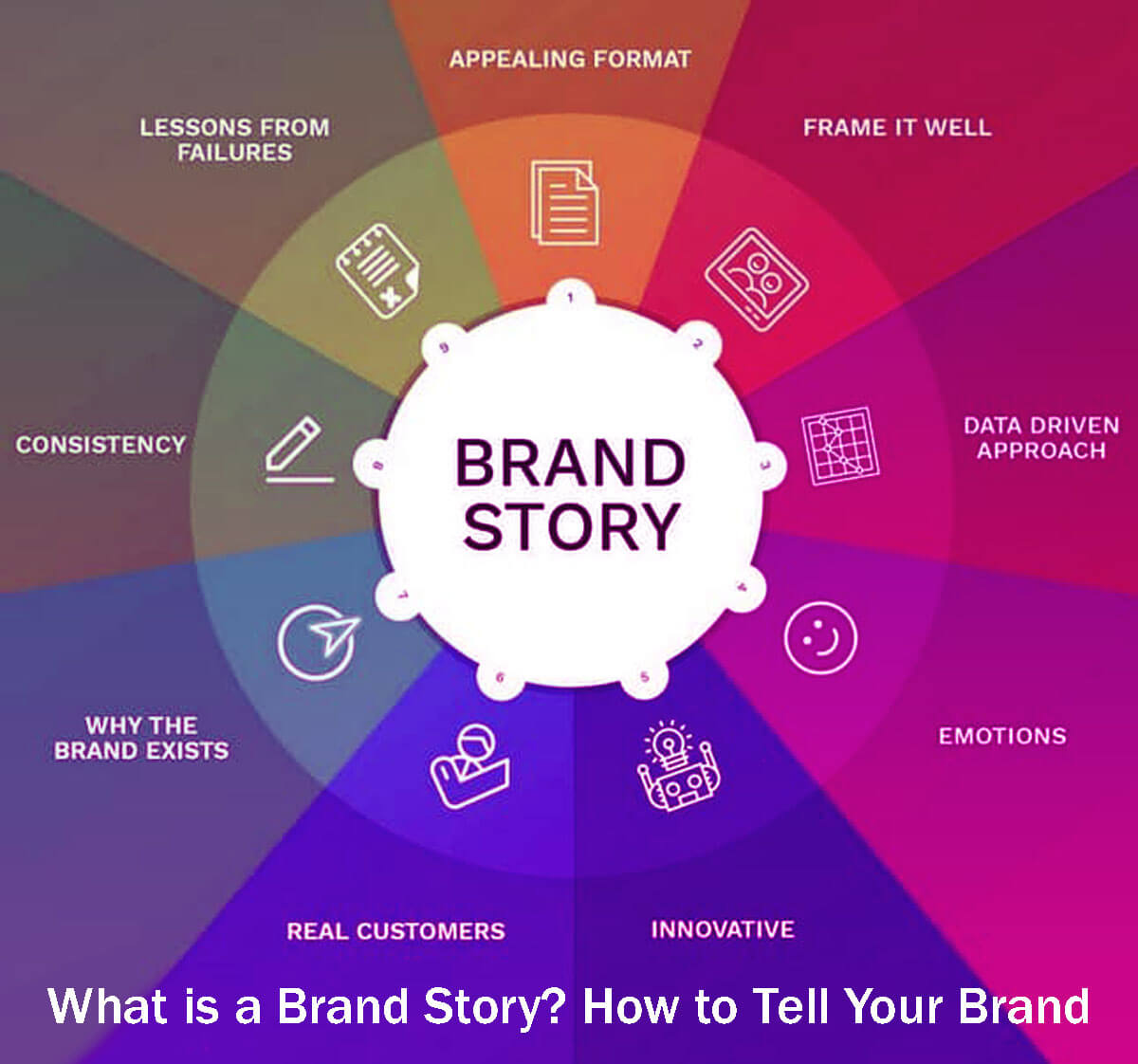
What is a Brand Story? How to Tell Your Brand Story: 12 Easy Steps
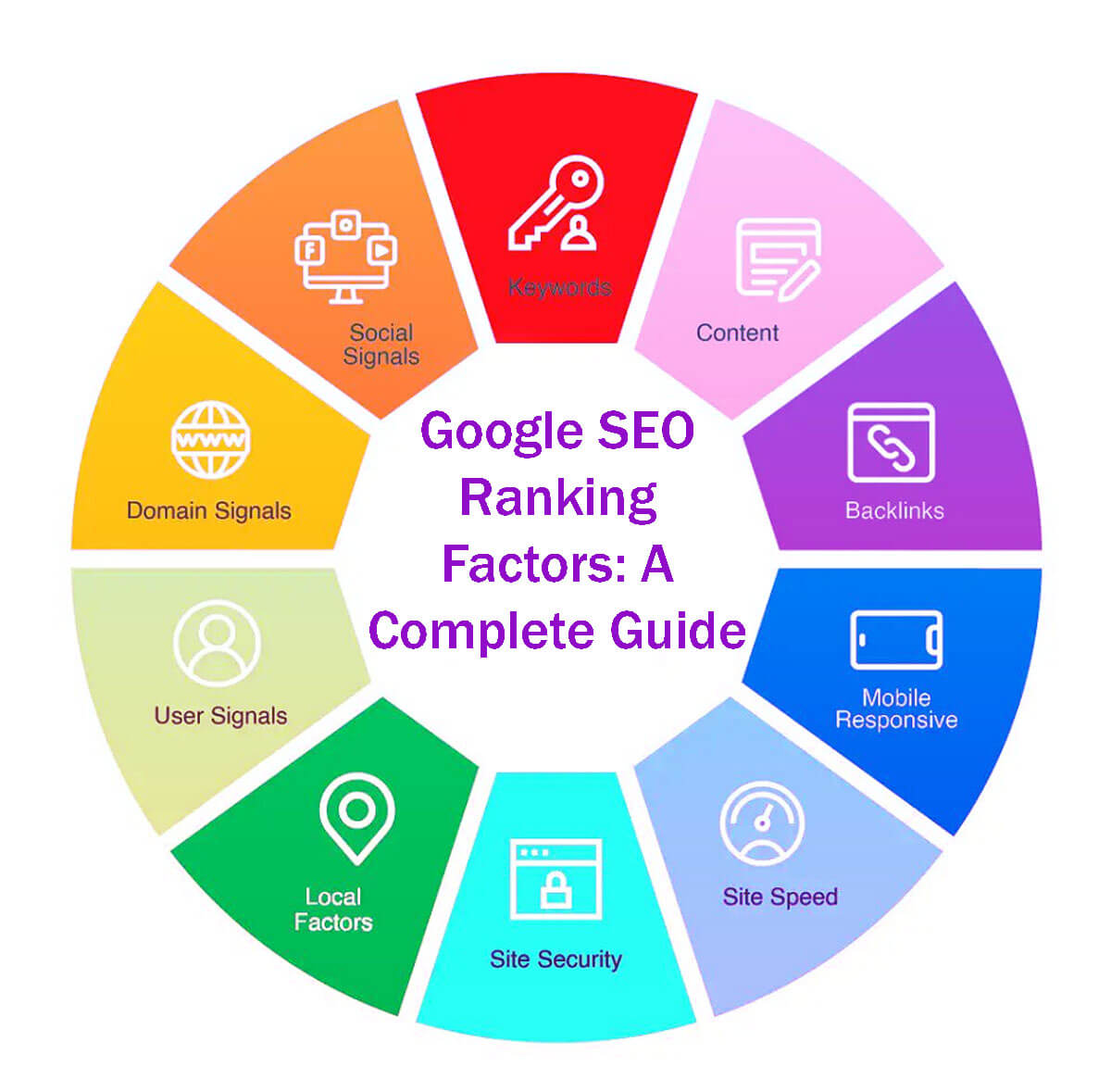
Google Ranking Factors: A Complete Guide in 212 Easy Steps
How To Improve SEO Rankings: Boost SEO Performance in 15 Easy Steps