




How to Remove Yelp Reviews: How to Delete a Yelp Review in 12 Easy Steps. You can flag a review, report a policy violation, or reply to a negative comment. Knowing how the Yelp review removal process works will help you manage your online reputation.
You can also claim your Yelp business profile and contact Yelp support if you need more help. Taking these steps helps you keep a positive online presence.
If you run a business, it’s important to realize that online reviews have a big impact on how people see your brand.
These days, people often look at what others say online before deciding to buy, so having a good reputation on review sites really matters.
Even one negative review on a major site like Yelp can hurt your reputation, erode customer trust, and reduce sales.
If you don’t address a bad review, it can cause problems for your business for a long time.
It might seem easy to delete bad reviews from your Yelp account, but Yelp has strict rules about removing reviews that you need to follow.
Knowing which reviews can be removed and keeping good records of any rule violations helps you challenge unfair or misleading reviews more confidently.
If you think some Yelp reviews about your business are wrong, misleading, or break Yelp’s rules, it’s important to follow a clear, step-by-step plan to challenge them and protect your reputation.
Pro Tip: Remember, removing a review can take time and isn’t always simple.
If you’d rather spend your time running your business than dealing with reviews, you might want to hire experts to handle it for you.
Here are some reputable companies that can help clean up your online reviews and safeguard your ratings.
Reputation Defense Network: Known for removing false content by using proof of policy violations and offering strong legal evidence.
Rhino Reviews: Provides a full range of services, including review monitoring, reporting, and coaching business owners on how to respond effectively.
Erase.com: Recognized for great customer service and practical strategies that work on platforms like Yelp and Google.
How to Remove Yelp Reviews: How to Delete a Yelp Review in 12 Easy Steps
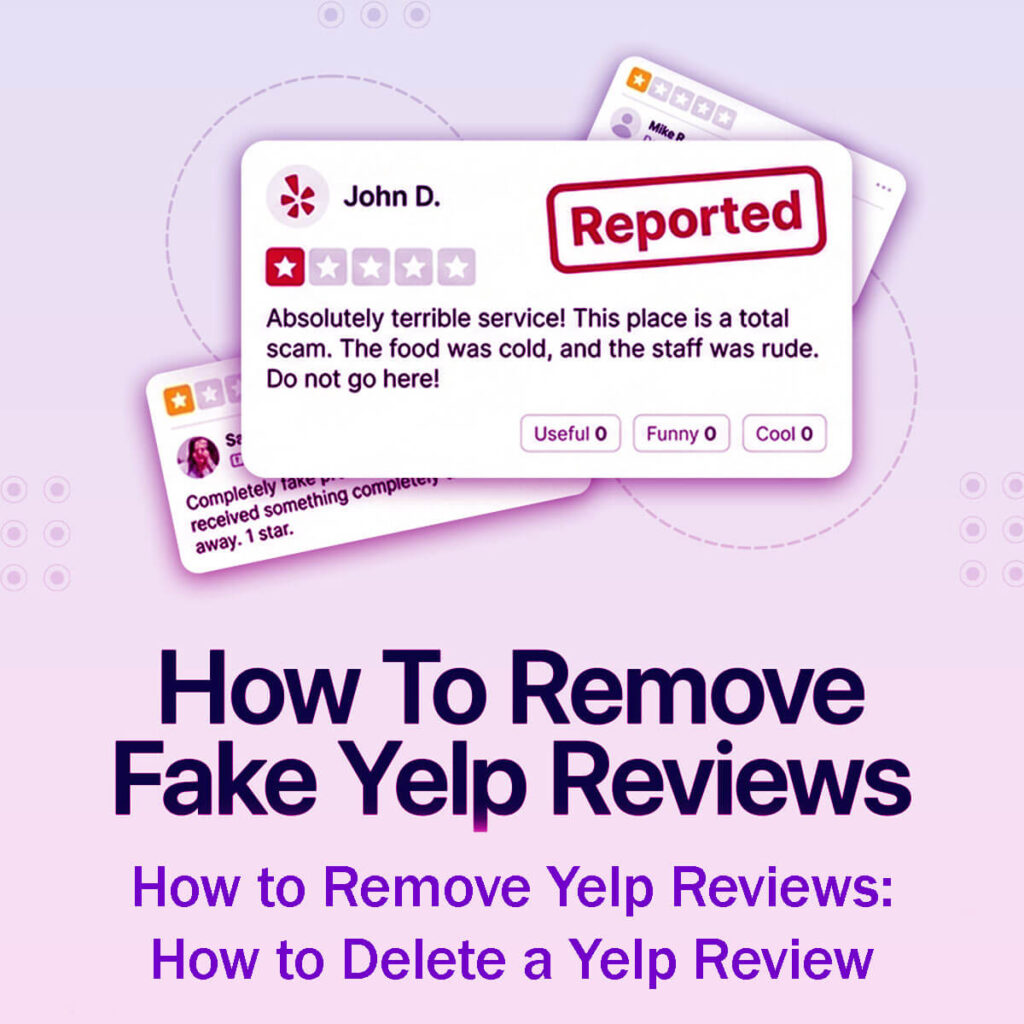
A Quick Guide to Managing Your Yelp Reviews
Online reviews can significantly affect your business’s reputation. If you get a negative Yelp review, it helps to know what steps you can take to handle it well.
1. Remove Yelp Review:
You can’t remove negative reviews yourself unless you wrote them, but you can challenge or flag them for review.
2. Delete Yelp Review:
If you wrote a review and want to delete it, log in to Yelp, go to your reviews, and choose the delete option.
3. How to Remove Yelp Review:
If you want to remove a review someone else wrote, contact Yelp support for help. They can guide you based on their policies.
4. Yelp Review Removal Steps:
Check Yelp’s guidelines to see what counts as a policy violation.
Use the Flag feature to report reviews you think break these rules.
5. Flag Yelp Review:
When you flag a review, Yelp’s team will assess it and decide whether to remove it. Provide specific reasons when flagging content.
6. Report Yelp Review:
If a review is defamatory or breaks Yelp’s content policy, report it. Yelp may remove it if it meets their criteria.
7. Yelp Review Policy Violation:
Get to know Yelp’s review policies. Violations include hate speech, personal attacks, and conflicts of interest.
8. Yelp Review Guidelines:
Make sure your actions follow the guidelines on Yelp’s help page. Gives you a better chance of success.
9. Challenge Yelp Review:
If you believe a negative review is unjust, you can dispute it by providing Yelp with evidence and explaining your perspective.
10. Reputation Management on Yelp:
Good reputation management can help lessen the effect of negative reviews. Talk with your customers, reply to their feedback, and ask happy clients to leave positive reviews.
11. Claim Your Yelp Business Profile:
When you claim your business profile, you can manage your online presence, reply to reviews, and connect with customers directly.
12. Respond to Yelp Review:
Always reply to reviews professionally, whether they are good or bad. Shows new customers you care about feedback and want to improve.
13. Negative Yelp Review Removal:
It can be hard to remove negative reviews, but knowing your options and how Yelp works can help you handle the situation better.
14. Yelp Review Defamation:
If a review is defamatory, gather your evidence and share it with Yelp. Can help you address any false information.
15. Yelp Support Contact:
If you need more help, contact Yelp support. They can give advice and help solve review problems.
16. Online Reputation Management on Yelp:
Investing in online reputation management is essential. Consistently review your feedback and actively work to maintain a positive presence on platforms like Yelp.
By following these steps and learning how to manage your Yelp reviews, you can improve your business’s online reputation and build better relationships with customers. Every review is a chance to show your commitment to great service.
How to Remove Yelp Reviews
You can remove a Yelp review more easily if you follow a clear process.
Here are six key steps to guide you through the process and help you keep your brand’s voice genuine and professional:
Claim Your Yelp Business Profile
If you haven’t done so yet, the first and most important step is to claim your free Yelp business profile.
When you own your profile, you get access to tools that let you report reviews, talk to customers, and post official responses.
To claim your Yelp business profile, follow these steps:
Go to the Yelp for Business website.
Enter your business name. If it shows up in the search results, choose it. If not, click “Add to Yelp for free” to create a new listing.
Fill in accurate details about your business, including your email address, to set up your account and access your owner dashboard.
Finish the verification process. Yelp will send you a code by email or call your business phone number. Enter the code to confirm you own the business.
After you log in to your owner dashboard, go to Step 2.
Understand the Reasons Behind Removal
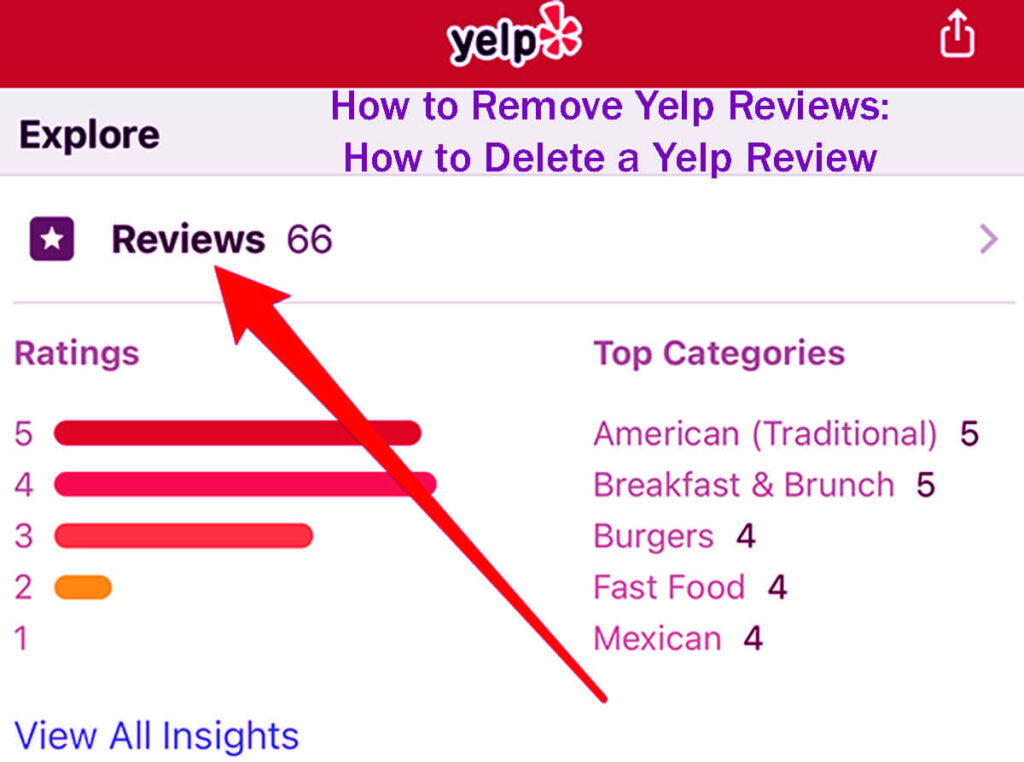
The best way to get a review removed is to clearly show how it breaks Yelp’s rules, not just that it’s negative or unflattering.
To make a strong case for removing a review, link it to specific rule violations and collect evidence such as timestamps, receipts, security footage, or employee schedules.
The most common valid reasons for removal include:
Violation of Yelp’s Content Guidelines: Yelp does not allow reviews with inappropriate, irrelevant, or promotional content, or those that invade privacy.
Specific reasons for removal might include:
False claims that go against documented records or evidence.
Reviews written by business owners, employees, or people closely connected to the business.
Comments posted with bad intentions by competitors or unhappy former employees.
Reviews that contain threats, offensive language, or hate speech may show harassment or discrimination.
Reviews that don’t reflect real customer experiences, such as hearsay or general comments.
Privacy violations, like sharing names, contact details, or personal stories without permission.
Content that promotes unrelated products or services, including ads or links to other websites.
Reviews intended for a different business were accidentally sent.
Feedback about unusual situations caused by unrelated news or personal disputes.
AI-generated or scripted reviews, since Yelp requires all reviews to be original and based on real user experiences.
By following these steps, you can challenge wrong Yelp reviews and keep your business’s online reputation strong and trustworthy.
1. Identify Review Violations
Start by reading the complaint closely. Go through the review line by line to spot any clear violations of Yelp’s rules.
Fake reviews are a common problem. Yelp uses strong filters to find and remove spam.
Be alert for signs of suspicious activity, like duplicate accounts posting similar reviews, groups of users coordinating their posts, reviews from the same IP address, or individuals impersonating others.
Conflicts of interest are also important to look for. For example, if a business owner reviews their own business, this clearly breaks Yelp’s rules and can lead to removal.
2. Understand Review Status
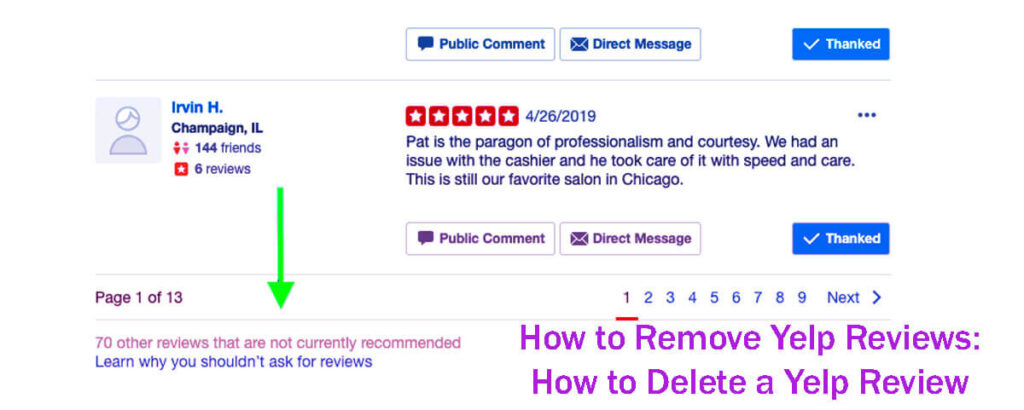
Sometimes a review is marked as “not recommended.” Means Yelp’s system has found signs that the review may not be reliable.
If a review is flagged as “not recommended,” it is moved to a hidden section of your business profile. The public can’t see it, and it won’t affect your star rating.
If a review is already in the “not recommended” section, you may not need to request removal, since Yelp already treats it as unreliable.
3: Submitting a Removal Request to Yelp
After you’ve confirmed that a review breaks Yelp’s rules, start the removal request process from your business owner dashboard.
Be clear and specific. Show exactly how each part of the review goes against Yelp’s policies, and include any evidence that supports your case.
How to Submit Your Removal Request:
Find the review: Go to the Reviews section in your dashboard and pick the review you want to challenge. Make sure you understand the details and context of the review.
Report the review: Click the three dots next to the review, choose “More options,” and then select “Report review” to open the form.
You can also flag the review directly from your public business page.
State your reason for removal: Pick the most relevant option from the list.
Provide a concise explanation for why the review should be removed, including relevant documents such as screenshots, order confirmations, or quotes from Yelp’s policies.
Focus on facts and Yelp’s rules in your request, not personal opinions or feelings.
After you submit your request, Yelp’s moderators will evaluate your case to determine whether the review should remain or be removed.
Response times can vary. If you don’t get a reply in a few business days, follow up politely to check on your request.
Important: Yelp won’t remove a review just because it’s negative or in exchange for advertising. Your request must be based on a legitimate policy violation.
4: Crafting a Polite Response to the Reviewer
If Yelp decides not to remove the review, reply calmly, constructively, and professionally.
Your goal is to ease any tension, clear up misunderstandings, and try to move the conversation to a private channel. May encourage the customer to change or remove their review.
Key Elements of Your Response:
Timeliness: Strive to reply within 24 to 72 hours, showing that you appreciate feedback and are committed to delivering excellent service.
Personal touch: Use the reviewer’s name in your reply to make it more personal.
Acknowledge their experience and sincerely apologize for any dissatisfaction, even if you disagree with some of their comments.
Propose a solution: Clearly explain what you’ll do to address their concerns, like offering a replacement, a refund, or a follow-up with a manager.
Give them a way to contact you directly, like an email address or phone number.
Remember, your response is public, so it should also make a good impression on future customers.
Write your message carefully. Stay empathetic and focus on solving the problem.
5: When to Seek the Help of an Online Reputation Management Company
Today, many businesses struggle to maintain a strong online reputation.
If your business faces repeated attacks from competitors, unhappy customers, or others, or you keep running into policy violations, it might be time to hire an online reputation management (ORM) company.
These companies can help manage your online image in many ways, saving you time and effort.
A good ORM company can review all your online feedback and spot any negative content.
They will monitor policy violations and submit reports for you, ensuring your concerns are handled.
They can also craft custom, on-brand responses to both positive and negative reviews, helping you keep a consistent, professional tone throughout.
To find the right help, look for highly rated reputation management services with good reviews and proven results.
6: Strategies for Avoiding Future Negative Reviews
Fixing negative reviews is important, but real reputation management means taking steps to encourage more genuine, positive feedback.
This approach helps reduce the effect of occasional bad reviews and improves your reputation over time.
To build a better review profile, try these proactive strategies:
Audit your customer journey: Look closely at every step, from first contact to after the sale, and review each interaction.
Find common problems that upset customers and fix them to improve your service.
Update your service protocols: Review and refine your guidelines to help your staff better assist customers.
Give your staff the tools and authority to solve problems quickly. Helps customers feel valued before they post negative reviews.
Gently encourage happy customers to share their wonderful experiences on platforms like Yelp and Google. Their feedback helps us grow and serves as a warm thank you for their support.
Request feedback without offering discounts or rewards, as this can be perceived as paying for reviews.
Also, don’t “review gate” by only asking happy customers for reviews or asking for reviews on Yelp. Both actions violate Yelp’s rules and may result in penalties.
Consider working with a reputation management firm. They can help monitor new reviews and posts.
Their experience helps them spot policy violations early so that you can respond faster.
They can also help you keep your responses consistent with your brand, which builds a positive image for your business.
By using these strategies, you can build a stronger online reputation and turn challenges into opportunities to grow and connect more effectively with your customers.
How to Remove Yelp Reviews in 12 Easy Steps
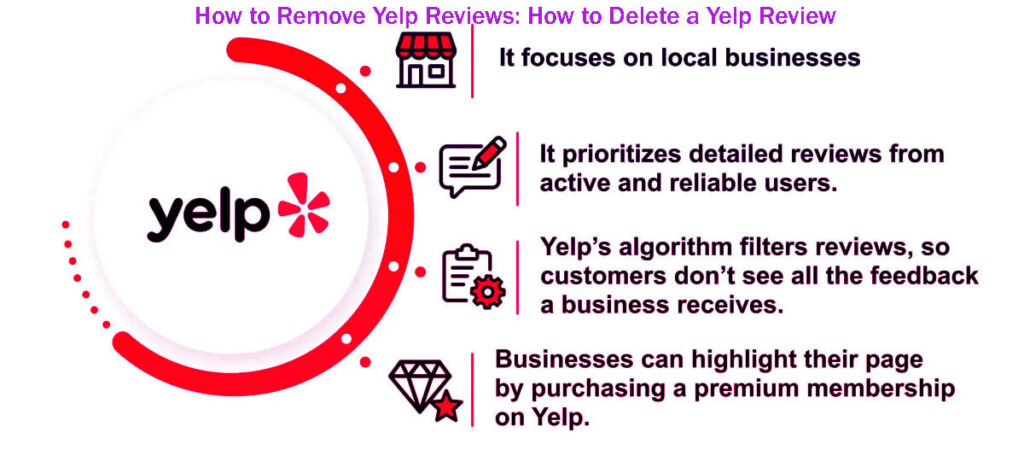
Understand Yelp’s Review Policy: Before you start flagging reviews, make sure you clearly understand Yelp’s Review Policy.
Visit the Remove Yelp review website and read their official review policies. These will help you understand what kinds of content are allowed.
The guidelines list which types of reviews you can flag.
For example, you can flag reviews with hate speech, like comments that insult people based on race, gender, or sexual orientation.
You can also flag spam reviews, such as those with irrelevant or repeated content.
Watch for Delete Yelp reviews that use misleading information to change ratings or misrepresent your business.
These rules also cover reviews from accounts that appear fake or lack a real history.
Knowing these guidelines will help you spot violations and keep Yelp reviews trustworthy.
Identify the Yelp Review
Identify the Review: Go to your business page on How to remove a Yelp review by searching for your business name or using a direct link.
Once there, carefully review the customer reviews.
Find the review you want to address and note a few important details.
First, verify the date the review was posted. Helps you understand the context.
Next, read the review carefully and note what the reviewer discusses, such as service, product quality, or other business details.
Also, write down the username linked to the review so you can refer to it later.
Keep a record of these details. They will be important if you need to respond or challenge the review.
Referencing the review clearly will make it easier to talk with Yelp’s support team or the reviewer.
Helps avoid confusion, makes it easier to solve problems, and helps you maintain good relationships with your customers.
Evaluate the Review: Examine whether it violates Yelp’s content rules. Focus on these points:
Abusive or Offensive Language: Check for harsh or offensive words.
Includes personal attacks, hate speech, or very negative comments that don’t help the review.
Misinformation: Look for any mistakes or false claims about your services or products.
It might be wrong prices, incorrect services, or false details about your business. Misinformation can mislead customers and hurt your reputation.
Bias and Authenticity: See if the review shows clear bias.
It could mean the reviewer has another motive, such as getting back at you or sharing a personal complaint, rather than giving honest feedback.
Check if the Yelp review removal steps seem exaggerated or very different from other reviews.
Overall Impact: Think about how these issues affect the review’s trustworthiness and your business’s reputation.
Write down all the problems you find. If you need to respond, report the review, or take other steps to protect your business, it will help.
Claim Your Business on Yelp
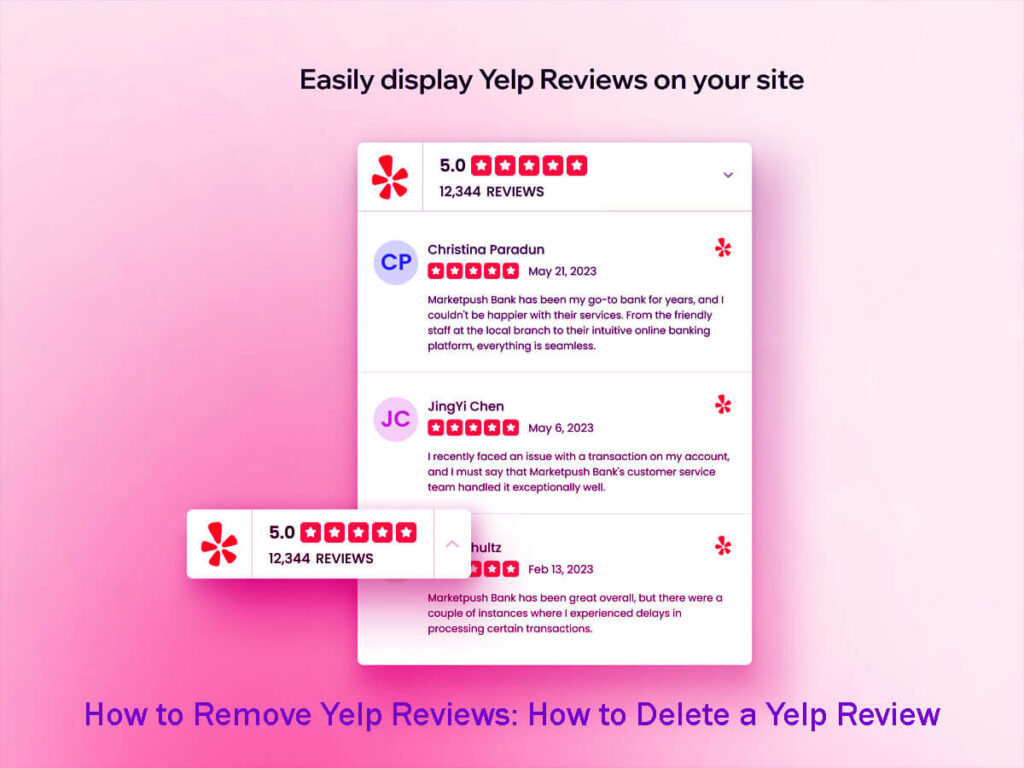
Claim Your Business: If you haven’t claimed your Yelp business page yet, do this as soon as you can.
Claiming your business lets you control your profile and make sure your information is correct.
You’ll also be able to reply to customer reviews, which helps you connect with customers and address their concerns.
To start, create a Yelp account linked to your business.
You’ll need to give basic details like your business name, address, and phone number so Yelp can find your business.
After setting up your account, you’ll have to prove you own the business.
Usually, this means sending documents like business licenses, tax forms, or other proof that you run the business.
Claiming your Flag Yelp review page helps you manage your reputation and makes it easier for new customers to find you.
Flagging Inappropriate Report Yelp Reviews: Step-by-Step Guide
If you find a review that breaks community standards or platform rules, act quickly.
Here’s how to flag a review the right way:
Identify the Review: Read the review carefully to ensure it is truly inappropriate.
Look for offensive language, personal attacks, or false information that doesn’t reflect the real experience.
Access the Flagging Option: Find the “…” button next to the review and click it.
A menu will appear. Choose “Flag as inappropriate.”
Provide a Clear Reason: When asked, explain clearly why you are flagging the review. Be specific. For example:
Mention which Yelp rule the review breaks.
For example, if the review contains hate speech, say it violates Yelp’s policy on discrimination.
Point out any false facts that could mislead other users about your business or service.
Offer Context: If you can, add more information to support your request.
It might be your own experience or proof that the review is wrong, like other verified reviews that say something different.
Submit Your Flag: Once you’ve provided all required information, submit your flagging request.
Be patient. It may take some time for Yelp to review and respond.
By following these steps, you help keep Yelp reviews fair and useful for everyone.
Respond to the Review: See every customer review as a chance to connect.
Write a professional response that clearly addresses the reviewer’s concerns.
Start by thanking the reviewer warmly for their valuable feedback. Let them know you appreciate their effort and input, which helps drive continuous improvement.
Shows you value their opinion. If the review mentions problems or misunderstandings, address them clearly and avoid sounding defensive.
For example, if someone mentions a service delay, briefly explain what happened and what you’re doing to prevent it in the future.
When you take the time to write a thoughtful response, you show customers you care about their satisfaction and demonstrate your commitment to high standards in your business.
Being engaged in this way can improve your brand’s image, build trust with potential customers, and help create a positive community around your business.
Your response can transform a negative experience into a positive one, helping to build trust with both current and future customers.
Contacting Yelp Support
Contacting Yelp Support: If you’ve tried the previous steps and still have issues, consider reaching out to Yelp’s support team for more help.
Start by writing a clear and organized message that explains your situation.
Make sure to include details about the review, such as the reviewer’s name, the date it was posted, and the main issues you have with it.
Explain what you’ve done so far to address the review, such as replying to the reviewer, responding to other feedback, or checking Yelp’s review policies.
Be sure to explain why you believe the review should be reconsidered, and include any evidence or context that supports your argument.
Keep your tone professional to encourage a helpful conversation.
Don’t forget to add your business name, address, and contact information so Yelp can find your account and reply quickly.
A clear, respectful message can help you get a faster, more helpful response.
Gather Evidence for Yelp
Gather Evidence: The first step in dealing with a misleading or inappropriate review is to gather all the evidence that supports your case carefully.
Begin by collecting any documents related to the transaction or experience mentioned in the review.
Could include receipts, invoices, service records, contracts, or any other paperwork that proves the interaction happened.
Next, review any messages or communications you’ve had with the reviewer.
If you’ve exchanged messages by email, direct message, or any other way, collect those too.
These messages are important because they can show your side of the story, clear up misunderstandings, and give helpful context.
Along with written records, think about gathering other evidence that could help your case.
Could be photos showing the product or service, timestamps of the transaction, or statements from people who were there.
Be sure to organize and label all your evidence clearly as you collect it.
Having everything well-documented will help if you need to take the issue to Yelp support or try other ways to resolve it.
By putting together a solid, fact-based case, you’ll be better prepared to challenge the review and stand up for your business.
Encourage Honest Feedback on Yelp
Encourage Honest Feedback: A good way to improve your Yelp page is to ask happy customers to leave positive reviews.
You can start by following up after a purchase with a thank-you email or phone call, and invite customers to share their experience.
You could also offer incentives like discounts, special promotions, or loyalty points to encourage customers to leave feedback.
Also, let customers know they can leave feedback by mentioning it on your social media channels, in your newsletters, or on in-store signs.
Make a simple guide that shows customers how easy it is to leave a Yelp review.
If you regularly encourage customers to leave reviews, you’ll get a steady flow of real positive feedback that helps your reputation.
More positive reviews can offset any negative ones, improving your overall rating and visibility on Yelp.
Our goal is to create a warm and inviting community of customers who truly value your business and are excited to share their wonderful experiences.
Maximize the Potential of Yelp’s Business Tools
Maximize the Potential of Yelp’s Business Tools: Business owners should make use of the full range of tools and features that Yelp provides.
These tools can help boost your business’s online presence and connect with customers.
Begin by using the review management system to monitor and respond to customer feedback.
Responding to reviews demonstrates your dedication to customer satisfaction, helps build trust, and indicates that you value feedback and quality service.
Next, use Yelp’s analytics tools to learn more about your business’s performance.
These tools provide helpful insights into customer behavior, demographics, and how people find your business.
By looking at this data, you can make better decisions to improve your marketing and service.
Also, try different ways to engage customers, like answering questions, managing messages, and offering special deals or promotions.
When you connect with customers in these ways, you help build loyalty and encourage them to come back.
In short, using Yelp’s Business Tools helps you keep track of feedback, learn about your business’s performance, and respond quickly to customer needs.
Regularly Monitor Your Yelp Reviews
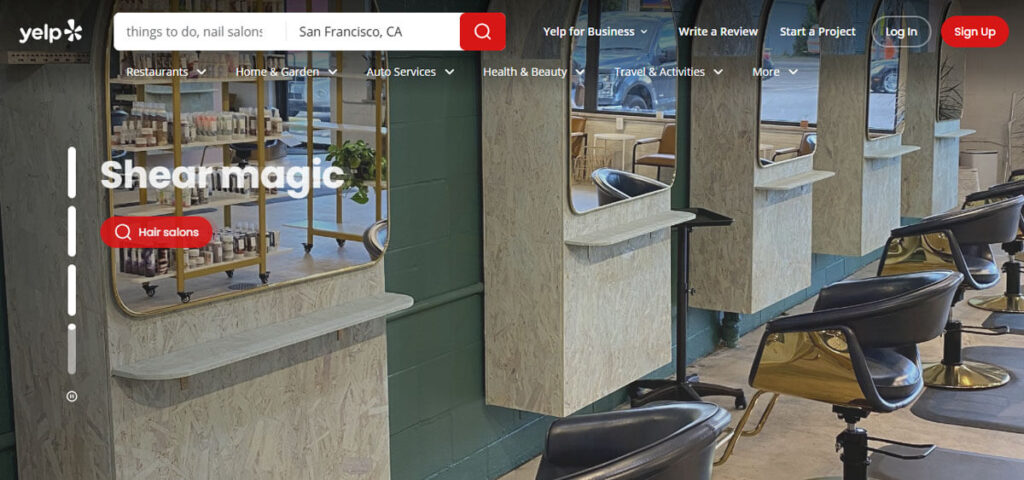
Regularly Monitor Your Reviews: Check your Yelp page for new reviews at least once a week or every other week.
This habit helps you stay up to date with what customers are saying and lets you respond quickly.
When you take time to respond thoughtfully to reviews, whether they are positive or critical, you show customers you care about their feedback and satisfaction.
You can engage with reviews by thanking customers for positive feedback, addressing concerns in negative reviews, or offering clarifications when needed.
This type of engagement demonstrates your commitment to enhancing your service and genuinely caring about your customers’ experiences.
Taking time to reply to reviews can also greatly improve your online reputation.
Many potential customers read reviews before deciding, and seeing that you respond to feedback and value it can encourage them to choose your business.
Encouraging customers to share their experiences can really help in getting valuable feedback. It shows that you care and are always looking for ways to improve, making your customers feel heard and appreciated.
Besides replying to reviews, regularly checking feedback helps you spot trends.
Looking at feedback patterns over time can show you what your business does well and what might need improvement.
For example, if several customers mention a particular dish or service, you can highlight that strength or address any recurring issues.
This approach helps you make better decisions now and supports long-term growth and improvement for your business.
Consider Legal Action as a Last Resort
Consider Legal Action as a Last Resort: If you find a review that breaks Yelp’s content rules and includes false statements that could be defamatory, it’s important to handle the situation carefully.
Before thinking about legal action, make sure you’ve tried all other ways to resolve the issue.
First, try to resolve the problem through Yelp’s official channels by reporting the review and sharing evidence that it’s inaccurate.
Reach out to the reviewer to address their concerns and clear up any misunderstandings.
If these steps don’t work and you believe the review warrants further action, consult a lawyer who specializes in defamation or online reputation issues.
They can help you review your case, determine whether the review is legally defamatory, and discuss next steps, such as sending a cease-and-desist letter or starting a lawsuit if needed.
Keep in mind that legal action can be expensive and time-consuming, so consider it only after trying everything else.
By carefully following these steps, you can address negative reviews and maintain your business’s strong reputation on Yelp.
Taking these steps helps you manage your online presence and demonstrates your commitment to providing great service to all your customers.
A Quick Guide to Managing Your Yelp Reviews
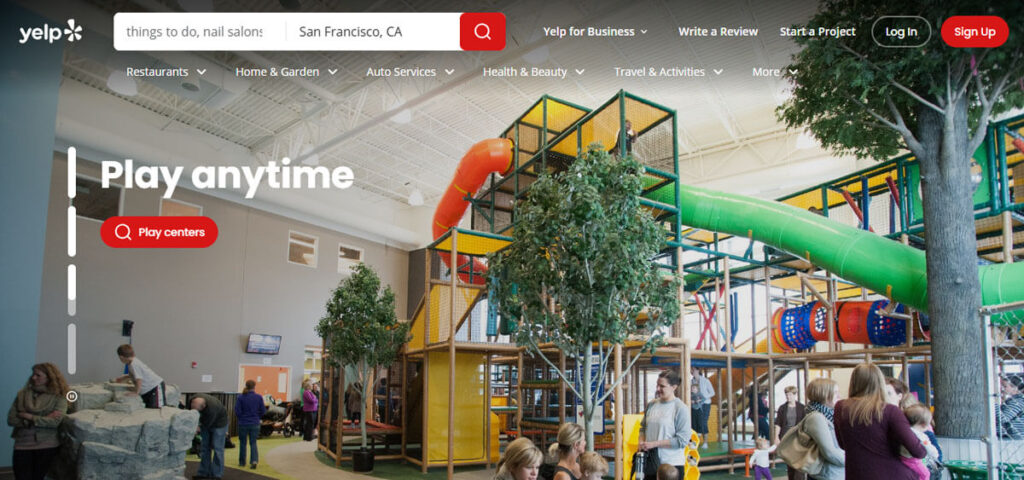
Online reviews can significantly affect your business’s reputation. If you get a negative Yelp review, it helps to know what steps you can take to handle it well.
1. Remove Yelp Review:
You can’t remove negative reviews yourself unless you wrote them, but you can challenge or flag them for review.
2. Delete Yelp Review:
If you wrote a review and want to delete it, log in to Yelp, go to your reviews, and choose the delete option.
3. How to Remove Yelp Review:
If you want to remove a review someone else wrote, contact Yelp support for help. They can guide you based on their policies.
4. Yelp Review Removal Steps:
Check Yelp’s guidelines to see what counts as a policy violation.
Use the Flag feature to report reviews you think break these rules.
5. Flag Yelp Review:
When flagging a review, Yelp’s team will examine it and determine whether to remove it. Provide specific reasons when you flag an item.
6. Report Yelp Review:
If a review is defamatory or breaks Yelp’s content policy, report it. Yelp may remove it if it meets their criteria.
7. Yelp Review Policy Violation:
Get to know Yelp’s review policies. Violations include hate speech, personal attacks, and conflicts of interest.
8. Yelp Review Guidelines:
Make sure your actions follow the guidelines on Yelp’s help page. Gives you a better chance of success.
9. Challenge Yelp Review:
If you believe a negative review is unfair, you can dispute it by submitting Yelp evidence and explaining your perspective.
10. Reputation Management on Yelp:
Good reputation management can help lessen the effect of negative reviews. Talk with your customers, reply to their feedback, and ask happy clients to leave positive reviews.
11. Claim Your Yelp Business Profile:
When you claim your business profile, you can manage your online presence, reply to reviews, and connect with customers directly.
12. Respond to Yelp Review:
Always reply to reviews professionally, whether they are good or bad. Shows new customers you care about feedback and want to improve.
13. Negative Yelp Review Removal:
It can be hard to remove negative reviews, but knowing your options and how Yelp works can help you handle the situation better.
14. Yelp Review Defamation:
If a review is defamatory, gather your evidence and share it with Yelp. Can help you address any false information.
15. Yelp Support Contact:
If you need more help, contact Yelp support. They can give advice and help solve review problems.
16. Online Reputation Management on Yelp:
Investing in online reputation management is crucial. Regularly monitor your reviews and actively work to maintain a positive image on platforms like Yelp.
By following these steps and learning how to manage your Yelp reviews, you can improve your business’s online reputation and build better relationships with customers. Every review is a chance to show your commitment to great service.
Final Thoughts on Removing Yelp Reviews
To remove unwanted reviews on Yelp, you need to follow Yelp’s rules, have strong evidence, and stay professional during the process.
If you find a review that breaks Yelp’s rules, like hate speech, personal attacks, or off-topic content, report it to Yelp and include strong evidence to support your case.
If a review doesn’t qualify for removal, don’t worry. Take time to write a thoughtful response instead.
A good response shows you care about feedback and want to fix any problems.
Suggest discussing the issue privately. Many customers are more likely to update or remove negative reviews if they feel heard and their concerns are acknowledged.
If things get complicated or overwhelming, think about contacting a trusted online reputation management expert.
They can offer advice and strategies to protect your brand’s online image, letting you focus on running your business.
They’ll also handle the details of managing reviews.
What is a Brand Story? How to Tell Your Brand Story: 12 Easy Steps
Google Ranking Factors: A Complete Guide in 212 Easy Steps
How To Improve SEO Rankings: Boost SEO Performance in 15 Easy Steps
15 Best Call Center Software for Your Business: Compare Prices & Top Sellers
Review Your Products, Get Customers, and Generate Social Proof in 10 Easy Steps