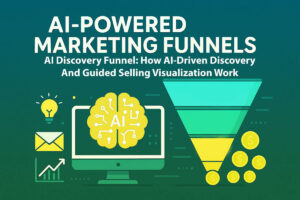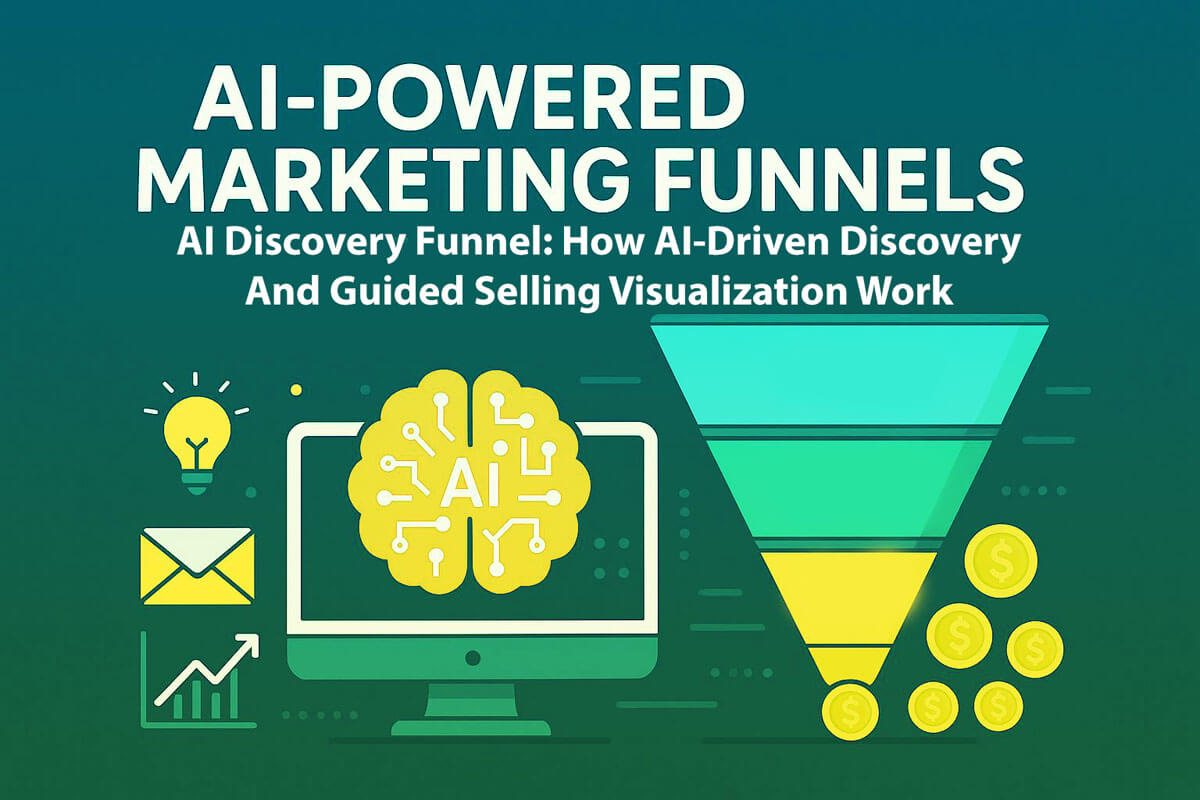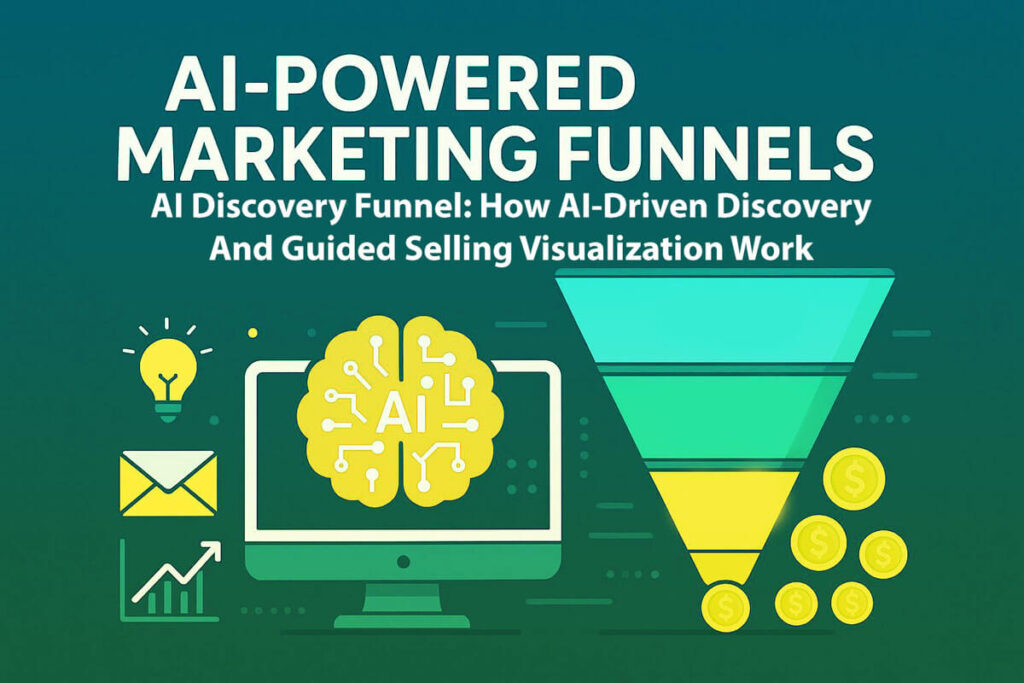





Take a look at the AI Discovery Funnel and see how AI-driven discovery and guided selling work in eight simple steps. You’ll find out how AI discovery tools, advanced search engines, and clear brand summaries can make your customer journey better.
You’ll also learn how AI mentions in search, funnel marketing, and visibility tools can help you get more leads and boost conversions.
See how using structured content and AI in search can improve your digital presence and make your brand easier to find.
We’ll also cover easy ways to use AI-guided selling, platform prompts, and other methods to help your brand show up more often in AI results.
AI Discovery Funnel: This is a process that uses artificial intelligence to guide potential customers and improve each step of the discovery process.
AI-Driven Discovery: This means using intelligent algorithms to help people find information, products, or services in a more personal and efficient way.
AI-Powered Search Tools: These tools use AI to help people find more accurate and relevant information.
AI Answer Engines: These are smart systems that quickly provide users with direct answers by analyzing large amounts of data.
AI Search Optimization: This means using AI to improve how search results appear and work more effectively.
AI-Generated Brand Summaries: These are summaries made by AI that highlight a brand’s main information, identity, values, and place in the market.
AI-Intent Landing Pages: Web pages generated by AI to match users’ intent, increasing the likelihood that users will take action.
AI-Driven Customer Journey: This is a way of using AI to track and study how customers interact with a brand, helping find new ways to connect with them.
AI Mentions in Search: This refers to how often artificial intelligence is mentioned in search results, indicating its growing importance across different fields.
AI Funnel Marketing: Marketing strategies that use AI to streamline and enhance the sales process from first contact to final sale.
AI Visibility Tools: Tools that use advanced data analysis to help brands stand out more in search results and online.
AI-Generated Leads: Potential customer contacts generated automatically by AI, targeting specific groups based on predefined criteria.
AI-Based Conversion Optimization: Strategies that use AI insights to help turn more leads into customers.
AI Overviews in Search: These are short summaries or insights from AI in search results, providing users with quick access to key information.
Structured Content for AI: Content organized and formatted so AI systems can easily understand and find it.
Digital Discoverability with AI: Ways to use AI to help a brand become more visible and relevant online.
AI and Guided Selling: This means using AI in sales to give customers targeted recommendations and advice, helping them make better buying decisions.
AI Marketing Strategies: Plans that use artificial intelligence to make marketing efforts more effective and reach more people.
AI Platform Prompts: These are preset questions or commands that help users interact more easily with AI-powered platforms.
Brand Visibility in AI Results: This is about how much a brand stands out in AI-generated search results, which can strongly affect how users see and interact with it.
AI Discovery Funnel: How AI-Driven Discovery and Guided Selling Visualization Work in 8 Easy Steps
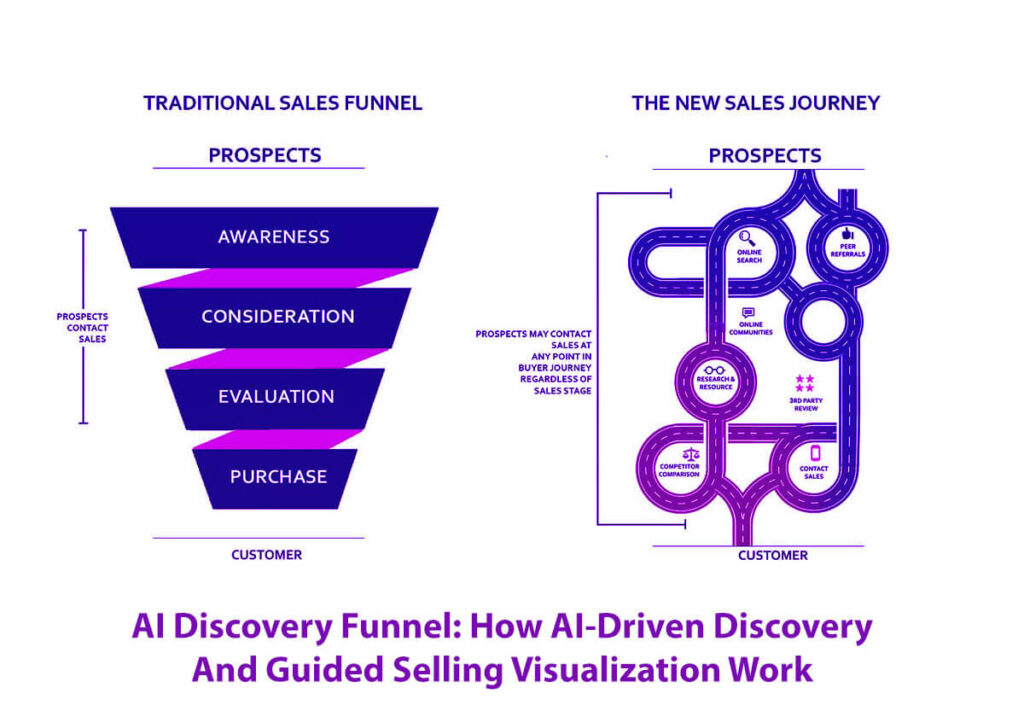
This post examines how AI-powered search tools are changing how people discover brands. It encourages marketing leaders to rethink and adjust their strategies to connect with potential customers before they even visit the company website.
Today, AI-driven overviews and answer engines are key tools. They gather and show information about different brands right in the search results.
This change affects click-through rates by moving the first stages of buyer influence earlier in the customer journey, well before they reach a company’s website.
As things keep changing, marketing success now depends more on having structured, machine-readable content.
In the past, strong messaging was enough to get noticed. Now, AI systems look for clear, consistent, and well-structured data when choosing which brands to highlight in their summaries.
Because of this, organizations need to update their content strategies to fit these new needs.
Also, being able to move quickly and having a strong content setup are now important advantages.
Brands that regularly update their content and ensure it is trustworthy, relevant, and technically sound are more likely to succeed in an AI-driven world.
On the other hand, brands with outdated or messy information risk being pushed down in search results, resulting in much less visibility when it matters most.
Marketing leaders today are facing a huge change, one that might only happen once in a generation.
We’re seeing new patterns in organic traffic. As AI-generated summaries become part of the early discovery process, buyers are forming opinions about brands before they even visit a website.
Recently, I had an insightful conversation with Shannon Ryan, Valtech’s Chief Growth Officer.
We talked about what this big change means in practical terms. Instead of focusing on AI hype, we looked at the key areas of infrastructure, influence, and execution.
The truth is, as discovery starts earlier, marketing strategies need to adapt as well.
One positive takeaway is that the traditional marketing funnel still works and is ready for your creativity and fresh ideas.
However, it’s important to realize that the key stages of the buyer’s journey often occur before anyone even visits your site.
AI overviews and chat assistants are quickly becoming powerful tools for discovery.
For example, when someone asks a question on platforms like:
ChatGPT
Perplexity
Google AI
Such as:
“What’s the best [product] for [use case]?”
These systems return a list of brands and often highlight a single main recommendation.
If your brand makes it onto that list, you’re already moving much further down the funnel.
Visitors who come to your site this way already know a lot about your brand and have compared options. They’re usually much closer to purchasing regular search traffic.
If you treat these visitors as high-intent clients, you can expect conversion rates that are over 23% higher than average SEO or social traffic.
This guide introduces the AI Discovery Funnel, a simple but effective way to turn AI-generated mentions into real revenue.
The goal of this framework is to use strategic insights to connect AI-driven discovery with your landing pages, email campaigns, and tracking systems.
It’s not just about being seen in AI-driven spaces. It’s about turning that visibility into real customer conversions.
What Is the AI Discovery Funnel?
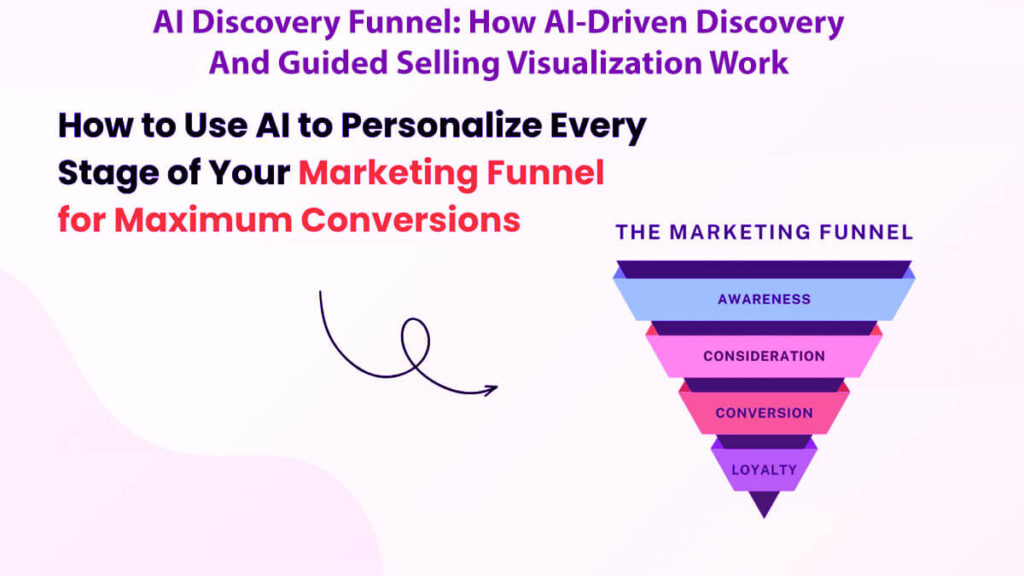
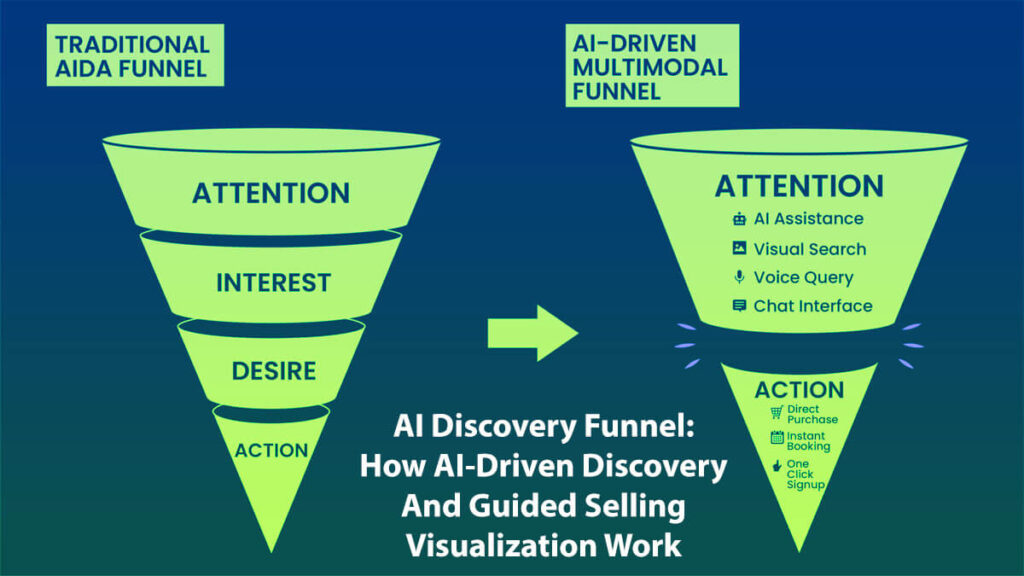
Unlike traditional marketing funnels, which assume users start with Google, click a link, and move from awareness to purchase, the AI Discovery Funnel takes a new approach. It has several clear stages:
Stage 1 – AI Awareness: Here, AI overviews and chat assistants mention or recommend your brand, introducing it to people who may not yet know about you.
Stage 2 – Clickthrough: Some high-intent users click through to your site, showing real interest in learning more about your brand.
Stage 3 – Landing Experience: When visitors land on your page, it should match the expectations set by the AI recommendation. If you don’t engage them now, you might lose their interest.
Stage 4 – Conversion: Now, visitors are warmly encouraged to take their next step, whether that’s requesting a demo, signing up for a trial, making a purchase, or becoming a qualified lead.
Stage 5 – Retention & Amplification: Now, the goal is to turn that first visit into ongoing engagement through email follow-ups, product onboarding, and helpful content.
The primary goal is not merely to be mentioned in AI forums but to craft each element of your funnel to align with the needs and expectations of visitors engaging through AI interactions.
Stage 1: Identify Where AI Mentions Your Brand
To boost your brand’s presence in AI-generated conversations, start by finding out where and how your brand is mentioned on different AI platforms.
This first step helps you spot current opportunities and see where you need to improve.
Create a Structured Document
Begin by creating a clear document with three columns to track key information:
In the first column, list the exact questions or prompts users ask AI systems. Include different types, like:
“Best [category] tools for [audience/use case]”
“[Competitor] alternatives”
“Cheapest or best value [category]”
“How do I [key job your product solves]?”
AI Answer Summary: In the second column, briefly summarize how your product category is described in response to each user question.
Highlight the main points the AI mentions, especially how it talks about your brand and others.
Your Brand’s Role: In the third column, note your brand’s role in the conversation using one of these categories:
Primary recommendation: Your brand is highly recommended as a top choice.
Secondary mention: Your brand is mentioned, but not as the primary choice.
Completely absent: Your brand is not referenced at all.
Evaluating AI Platforms
To check your brand’s visibility, look at how it shows up on different AI platforms, such as:
- Google AI Overviews / AI Mode
- ChatGPT
- Perplexity
- Gemini
- Claude
- Bing Copilot
If you use AI visibility tools like SE Ranking, Geoptie, or Profound, this process is faster. If not, you can still review your top 20-50 queries by hand to get a basic understanding.
Mapping and Rating Entries
Once you’ve listed the prompts, label each one using these criteria:
Value: Classify each query based on its potential for revenue or deal size as high, medium, or low.
Current Role: Mark if your brand is “Not mentioned,” “Mentioned,” or “Top recommended.”
Confidence Level: Decide how sure you are that the query shows real buying intent or if it’s just research.
This first mapping serves as the foundation for your AI discovery process. It acts like an “AI x-ray,” showing where your brand is visible and where it’s missing in the market.
Stage 2: Create AI-Intent Landing Experiences
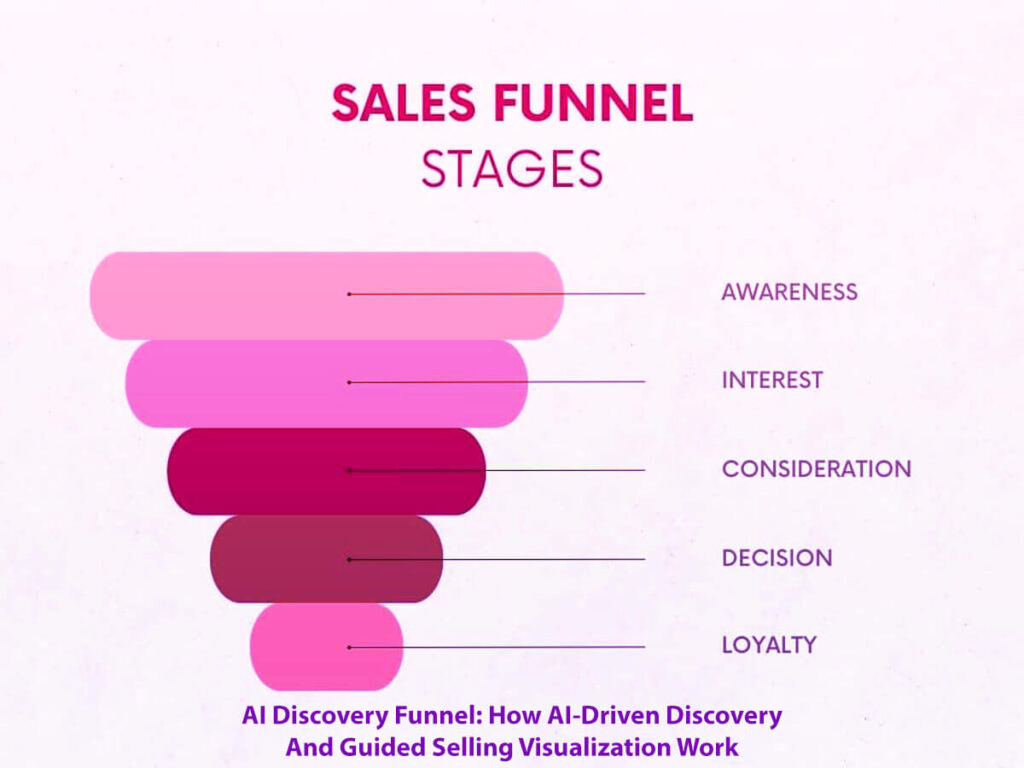
Once you know where AI mentions your brand, focus on improving the experience for visitors from these sources.
Visitors from AI platforms usually come to your site already informed. They’ve compared options and may have already short-listed your brand.
So, it’s important to adjust your approach to fit their needs, which are different from those of regular website visitors.
Understanding AI-Origin Visitors
What an AI-Intent Landing Page Needs to Have
These visitors usually:
Do not require a generalized introduction or extensive background information about your products or services.
Seek immediate affirmation that they’ve made the right choice in selecting your brand over competitors.
They’re more likely to act if their experience is smooth and easy, with less friction and fewer decisions to make.
With this in mind, don’t just send these visitors to your homepage or a random blog post. Instead, create landing pages that match the high-value queries you found earlier.
Key Elements of an AI-Intent Landing Page
When creating these landing pages, include these elements to enhance the user experience and increase conversions.
Headline Reflecting AI Prompt: Make sure your landing page headline matches the exact AI prompt.
For example, if the AI response is about “best email marketing tools for eCommerce,” your landing page should clearly say this in the main heading or a subheading.
Reassuring Summary: Provide a brief message confirming that visitors are on the right page.
Should be two or three sentences showing you understand their needs and what they want to achieve.
Credibility Indicators: Quickly show your brand’s value by adding client logos, positive reviews, or stats that support why the AI recommended you.
If your brand is in SaaS or eCommerce, use tips from best-practice guides to help drive sales with strong content.
Primary Call to Action (CTA): Make your main action clear and easy to find. Whether it’s a demo, free trial, pricing, or store launch, it should stand out on the page.
Concise FAQ Section: Include a brief FAQ that addresses the most common questions your sales team receives, or that appear in AI responses.
This should cover topics such as pricing, integrations, time-to-value, and how your solution fits the user’s needs.
For visitors from AI platforms, the landing page should feel carefully designed to answer their specific questions.
Shows visitors that the content was made just for them, which it truly was.
Using these techniques can help you increase engagement, lower bounce rates, and boost conversions from visitors who arrive through AI-generated content.
Stage 3: Align Your Narrative with AI Understanding
As the digital world changes, artificial intelligence (AI) systems now do much more than just index your website.
Today, they analyze your entire online presence in detail.
This analysis covers everything from your product pages and support documents to pricing, customer reviews on different platforms, podcast transcripts, and even casual mentions of your brand in other articles.
This advanced ability creates a challenge. If your website is unclear or sends mixed messages, AI will fill in the gaps, often using information from other sources.
As a result, outdated pricing or incorrect details about your brand can end up in AI-generated content.
To avoid this, ensure your website and external profiles are consistent and clearly convey your brand.
My detailed guide on entity-first SEO covers this in depth, but here are some key strategies to start with:
Keep Your Core Value Propositions Consistent: Ensure the main statements about what you offer are consistent across all key sections of your site.
Means your homepage, pricing pages, product descriptions, and About section should all match.
A consistent message helps users understand your brand and makes it easier for AI to accurately represent you.
Update Your “About” and “Features” Sections: Ensure they provide a clear, brief overview of your brand.
Use bullet points or fact sheets to make your information easier for AI to understand.
Clear information helps AI summarize and share your offerings more effectively with potential customers.
Keep Your Pricing Updated: Regularly check and update your pricing and packaging pages whenever things change.
By doing this, you stop AI from using old information, which helps avoid confusing customers or losing their trust.
Update Your Third-Party Profiles: Ensure your profiles on sites like G2, Capterra, and app marketplaces are always up to date.
Helps keep your story consistent and ensures AI represents your brand the way you want.
Remember, any inconsistency in your messaging gives AI a chance to make wrong assumptions about your brand.
The clearer and more consistent you are about your brand and what you offer, the more likely AI will see you as a reliable and accurate choice.
Visibility vs Traffic: A Changing Perspective
In the past, marketing was straightforward: get high search rankings, attract clicks, and lead customers through the sales funnel.
But this familiar path is less reliable now that AI is more advanced.
Now, many Google searches show AI-generated summaries, which means fewer people click through to top-ranking pages.
When AI directly answers users’ questions in search results, the link between visibility and traffic is weaker.
It is often called the separation between visibility and traffic.
Experts call this a “zero-click” environment, where AI pulls out useful information and keeps users in the search results, so they often don’t visit your website.
While you can measure the drop in website traffic, the bigger issue is your influence.
If buyers get their first impressions of your industry, competitors, and your brand from AI summaries, they may make key decisions before ever visiting your site.
The Reimagining of Your Brand
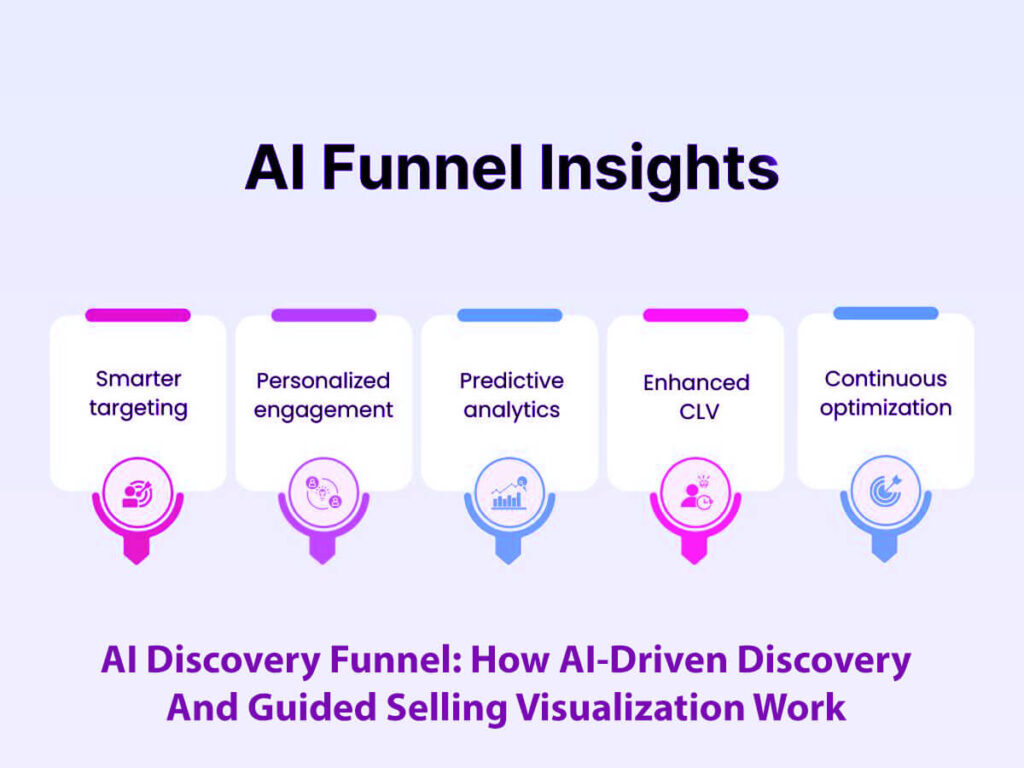
AI systems now do more than pull up links. They combine information into clear stories.
They compare brands, highlight what makes each one different, and give context to help people understand your brand.
We discussed how, today, your “digital front door” is often no longer your website’s homepage.
Now, it could be a short, three-paragraph summary written by AI, which you might not have created yourself.
Means an AI-generated summary can become the main story people see about your brand, so marketers need to pay close attention.
Shannon described this change as the “collapse of the front door.” Your website is no longer the only way people find your brand. It’s now just one part of a bigger, more complex discovery process.
In the past, users could scroll through many search results and choose the ones that fit their needs.
But AI-generated summaries only include selected information in a small space.
There’s no more “below the fold” because everything important has to fit into a short, three-paragraph summary.
If your brand is left out of these AI summaries or shown incorrectly, your influence drops sharply.
This issue isn’t just about losing traffic. It also means your brand’s story can get shortened or twisted.
The competition has changed. Now, it’s not just about getting people to your site, but making sure AI-generated stories truly reflect your brand’s value.
The Changing World of Discoverability: A Structural Shift
Our recent research revealed an important shift in how we think about discoverability. The focus has shifted from effective messaging to ensuring information is well-organized.
This change shows how our digital world is evolving and reminds us to rethink how we share information.
In the past, most systems were designed around individual web pages and how users clicked through them.
Content was created mainly to help people navigate many interconnected web pages.
Search engines expected users to click through different pages to find the information they needed.
Indexing these pages was key to helping users find what they wanted, and it depended a lot on both users’ navigation skills and good web design.
But now, answer engines have completely changed this old approach.
These new systems operate on a much larger scale and use structured data to analyze information in greater detail.
They use different signals to analyze content and create summary answers based on their understanding of the data.
As Shannon points out, these systems do more than look at pages—they actually decode the information inside them.
This difference is crucial today. If your content isn’t structured in a way that answer engines can understand, the impact can be serious.
It’s not just about lower search rankings. There’s a real risk your content could be left out of the quick answers users now rely on.
Basic strategies like SEO and keyword use still matter, but now content also needs to be clear enough for machines to understand.
So, treating content as structured data rather than just static web pages is now essential, not just a best practice.
Authority Beyond Ownership
We also looked at how the idea of authority in digital marketing is changing.
In the past, authority mostly came from websites and channels that marketers controlled themselves.
But with the rapid growth of large language models and answer engines, authority now covers much more.
These systems now gather insights from many sources, like user posts on community sites and ongoing social conversations about brands and topics.
These online conversations are playing a bigger role in how AI understands and shows your brand online.
This wider view of authority makes things more complex for marketers. In the past, they focused on controlling elements such as tone, design, and messaging.
But now, with AI shaping discovery, this idea of control is quickly changing.
How your content is interpreted now matters more than ever, as external opinions and user interactions strongly shape how people see your brand.
At the same time, AI has made it easier to create content, leading to a huge increase in content of all kinds.
But having more content doesn’t always mean more impact. As content spreads, generic or formulaic messages are less effective.
Answer engines now look for content that is clear, consistent, and unique. Audiences are also more critical of content that seems too automated or fake.
So, in today’s environment, authority needs to be clear, consistent, and built into the content’s structure.
It can’t just come from the words you use. Authority should show up in all the data and stories your brand shares.
The Dual Importance of Speed
With fewer people clicking around online, every visitor to your site is now much more valuable.
So, when someone visits your site, it’s important to give them an experience that’s fast, relevant, engaging, and consistent across the site.
But today, performance means more than just how fast a page loads.
In our discussion, I introduced the idea of “speed mattering twice.”
Means there are two important kinds of speed:
How fast is the user experience?
How quickly can your team support and update that experience?
Answer engines now favor reliable, up-to-date content. If your content is old, inconsistent, or slow to change, it may get pushed down in favor of newer, more trusted information.
Internal delays that slow your response to market changes can really hurt your brand’s ability to adapt.
If it takes too long to update your positioning, launch new content, or change your messaging, your brand could fall behind in a world that expects fast, flexible action.
In short, moving quickly has become another key factor for staying visible and successful in today’s fast-changing digital world.
Brands need to stay alert and flexible to handle the challenges of this environment.
Rethinking Funnel Metrics in the Age of Answer Engines
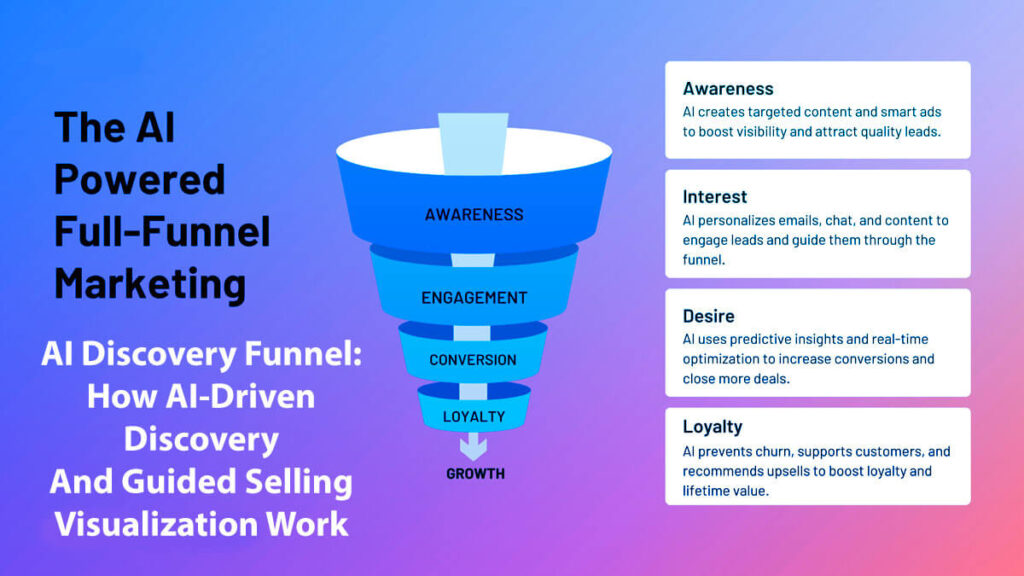
As digital interactions develop and answer engines become more common, it’s crucial to revisit how we assess success at every stage of the customer journey.
One key question is how early-stage influence now happens mostly in search results shaped by answer engine summaries.
So, which indicators should we focus on tracking?
Traditional metrics like clicks, revenue, and pipeline remain important, but we now also need to pay attention to qualitative and structural indicators that fit this new environment.
Some important metrics to consider include:
Citations in AI Overviews: Are you regularly referenced in the summaries produced by various AI platforms?
Knowing how visible you are shows how often users see your brand in automated responses.
Accurate Representation of Differentiators: Do AI-generated summaries clearly show what makes your brand different from competitors?
Impacts both how people perceive your brand and their likelihood of becoming customers.
Inclusion in Synthesized Comparisons: Does your brand regularly show up in comparisons made by AI tools?
Showing up in these comparisons can strongly influence what potential customers decide.
Stability of Brand Positioning: Is your brand’s message consistent across different AI-generated responses?
Keeping your message consistent helps build trust and makes your brand easier to recognize.
In a recent strategy session, I summed up this change: today, success isn’t just about getting lots of clicks.
Now, it’s about whether AI systems see your brand as credible and worth mentioning.
Traditional metrics will always matter, and tracking methods will keep changing, but it’s crucial to understand how influence starts long before people visit your site.
Tactical Strategies to Improve AI Conversion Rates
To turn visitors from AI-based searches into customers, try these practical strategies that fit their needs:
Streamline Your Forms: Reduce the number of fields for visitors from AI referrals. Just ask for the basics, like name, email, and one key question, to make things easier and boost conversions.
Incorporate AI-Aware Messaging: Add a friendly message in your website’s main section, like “If you found us through ChatGPT or Perplexity, here’s the fastest way to get started.”
This kind of message helps you connect with users as soon as they arrive.
Provide an “Expert Shortcut”: Give options like “Book a 15-minute consultation,” “Get a custom action plan,” or “See your ROI in 3 minutes.”
These choices match the high intent of AI-driven visitors and help you engage them quickly.
Display Social Proof Near the CTA: Put testimonials, short case studies, and review badges close to your main call-to-action.
Having these nearby builds trust and encourages visitors to act.
Use Email to Engage “Almost Ready” Prospects: If someone isn’t ready to buy right away, invite them to join an email sequence with helpful content, such as a mini-course, a checklist, or a detailed use-case breakdown.
This personal follow-up boosts your chances of converting them. If you need help, my guide on the best email marketing services can help you pick the right platform.
When you do this well, visitors from AI sources can become some of your best traffic. It’s not that they’re always better leads, but your funnel fits how they found you.
Stage 4: Capturing and Nurturing AI-Generated Leads
Some visitors from AI prompts might convert right away, but others need more engagement to feel confident in their choice.
That’s why a focused nurture sequence can work much better than a generic newsletter.
Create a Customized AI Discovery Nurture Sequence
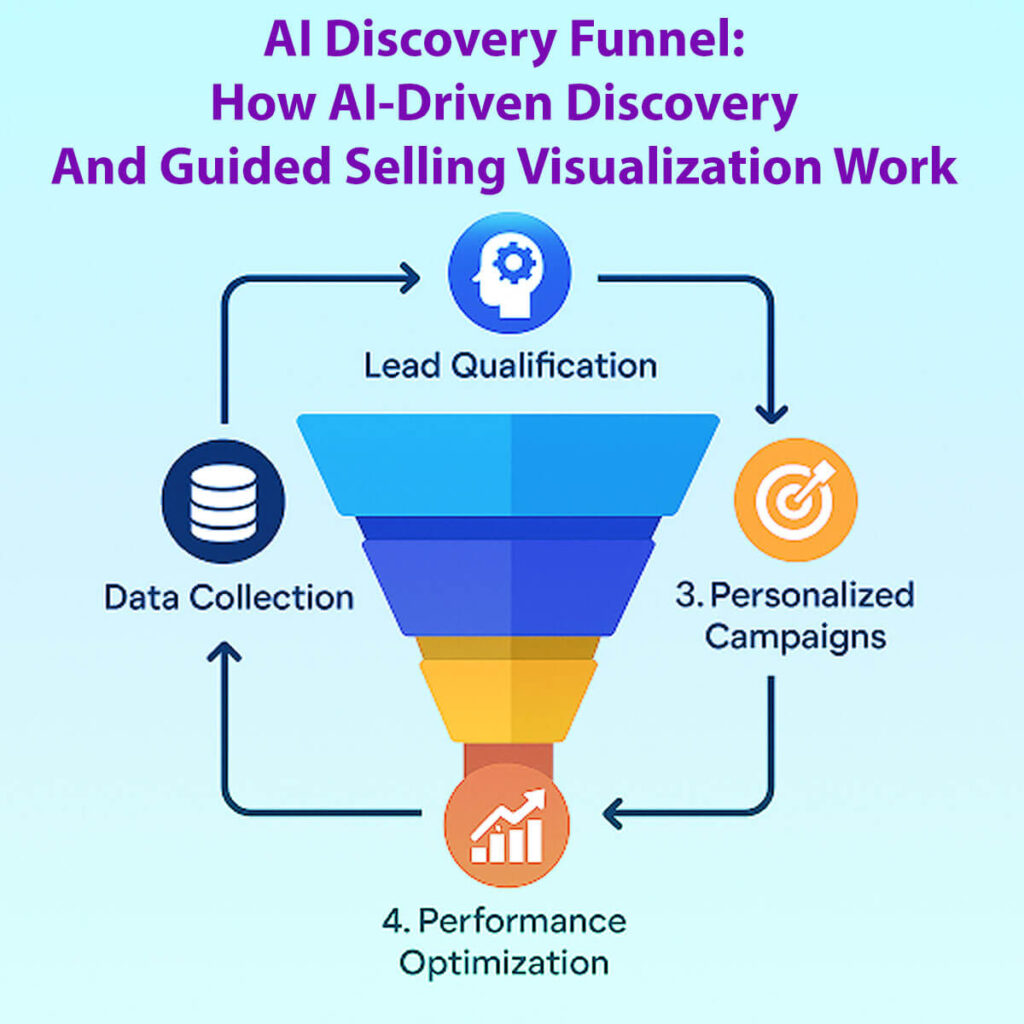
Instead of just using a basic “subscribe for updates” box, create a nurture sequence that matches the AI query that brought the visitor to your site.
Here’s one way to structure it:
Day 1: Welcome new subscribers with a quick overview of your service, plus an engaging video or GIF to introduce them.
Day 3: Share a case study or a before-and-after story that matches the visitor’s original question, focusing on real results.
Day 5: Address a major concern they might have, such as pricing, complexity, or risk. Answering these questions early builds trust.
Day 7: Suggest an easy next step, like booking a strategy session, scheduling a demo, or offering a longer trial to make their decision easier.
Make sure your examples match what AI-origin subscribers care about.
Use language similar to their original questions and point them to your main guides if they want to learn more.
Effectively How to Measure AI-Powered Conversions
Your analytics tools might not clearly show “AI referrals,” but you can still get useful data to guide your decisions.
Aim to accurately segment and track visitors from AI sources, looking for a strong increase—ideally 23% or more—over time.
Step 1: Tag Your AI-Intent Landing Pages
Use a consistent URL pattern for your AI-focused landing pages, like /ai/ or /from-ai/. In Google Analytics 4 (GA4), set up an audience or segment for these URLs.
Think of this group as “AI discovery visitors,” even if you can’t always tell which AI tool sent them.
By monitoring these metrics and applying tailored strategies, businesses can adjust to the changing digital landscape and attract and nurture leads more effectively in the AI era.
Step 2: Tracking Conversions as Key Events
To get the most out of your marketing, use your analytics tool to mark your main actions, like trials, demos, purchases, and high-value leads, as key events or conversions.
Marking these actions gives you useful insights into how people interact with your brand and helps you improve your strategies.
If you haven’t set this up yet, Google’s GA4 conversion documentation is a great place to start.
You can also check out guides like Analytics Mania’s GA4 key events guide, which gives you clear, step-by-step instructions for setting up conversion tracking.
Make sure your analytics system accurately tracks these conversions so you can measure how well your campaigns are performing.
After you’ve set up conversion tracking, start looking at the results.
Means comparing two important metrics that show how you’re doing overall:
Overall Conversion Rate: This shows the conversion rate for everyone who visits your website or landing pages, giving you a basic idea of how your site is performing.
AI-Intent Segment Conversion Rate: This looks at visitors who interact with your AI-intent landing pages designed for your target audience.
Tracking this group separately helps you see how well your targeted strategies are working.
Your goal is simple: over the next few months, try to get a conversion rate for AI-intent visitors that’s at least 23% higher than your overall average.
If you reach this growth, it shows your targeted strategies are working and connecting with the audience you want to reach.
A 60-Day AI Discovery Funnel Playbook
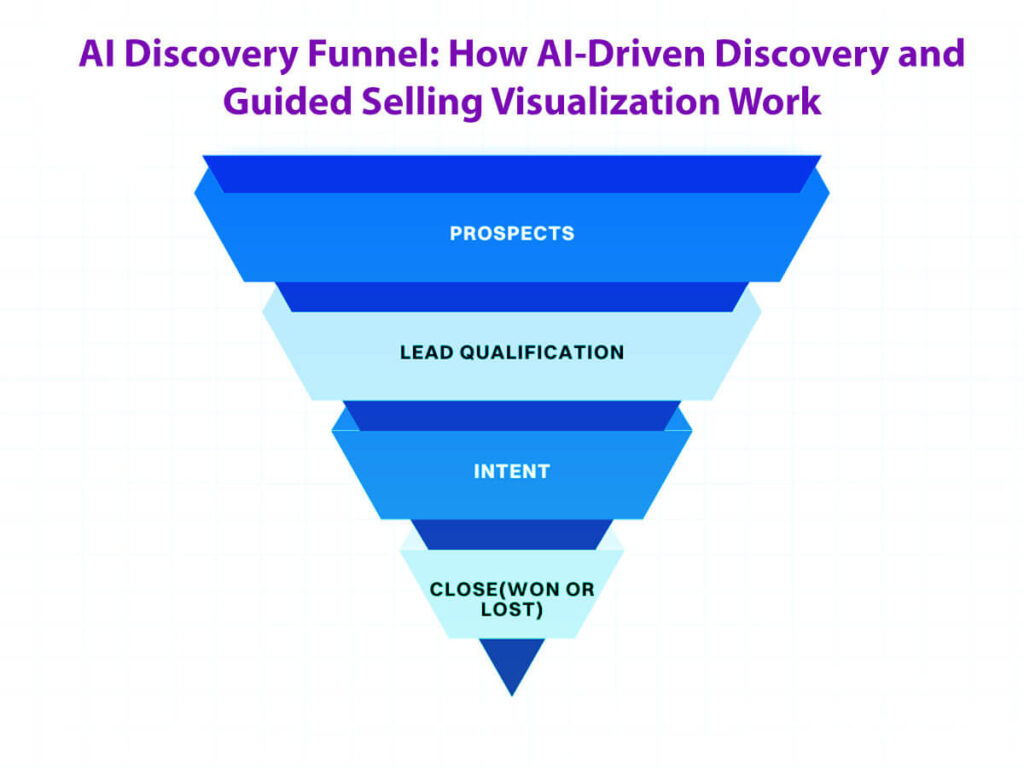
To help you put this strategy into action, here’s a simple 60-day plan you can follow.
Weeks 1–2: Research and Mapping
Begin by making a list of 20-50 high-intent prompts for your product category.
These prompts matter because they show what your potential customers are searching for.
Next, examine how different AI platforms, such as Google AI Overviews, ChatGPT, Perplexity, Gemini, and Claude, respond to these prompts.
For each prompt, focus on these points:
Brand Visibility: Check whether your brand is missing from the answers, is mentioned alongside others, or stands out as the main recommendation.
Response Quality: Evaluate how well the responses align with your brand and identify any gaps you can fill.
After you review this information, narrow your list to 5 to 10 prompts that have strong commercial value and that show up in AI responses now or will soon.
These chosen prompts will serve as the basis for your next marketing steps.
Weeks 3–4: Building AI-Intent Landing Pages
Next, create or improve at least two AI-intent landing pages that target your top prompts.
This step is key to turning AI-driven traffic into real leads or sales. When building these pages, make sure to:
Alignment with AI Responses: Use headings and subheadings that match the AI platforms’ output.
Helps keep your content relevant and makes people more likely to engage.
Validation Elements: Add trust-building elements such as customer testimonials, an FAQ section, and a clear call to action.
These elements boost your credibility and help guide visitors to take action.
Consistent URL Structure: Make sure your new landing pages use a consistent naming pattern for their URLs.
Makes it easier to segment and analyze visitor data in your analytics tools, so you can see how each page is doing.
By following these steps, you’ll set up strong conversion tracking and build targeted landing pages that can boost your conversion rates and marketing results.
Weeks 5–6: Refining and Nurturing Measurements
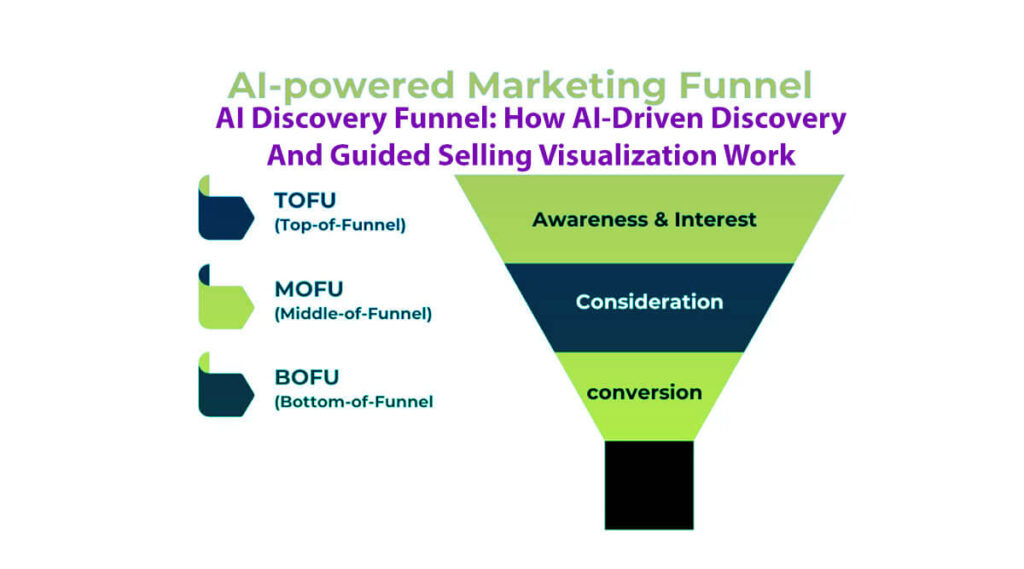
At this stage, set up new GA4 conversion tracking or improve your existing GA4 conversion tracking to focus on the key actions that matter most to your business.
Start by creating a special analytics segment to track visitors who land on your AI-intent pages.
Let’s you collect data on the users most likely to engage with your AI-driven content.
You should also create an email nurture sequence tailored to this audience.
This sequence should include 4 or 5 emails that share helpful insights, offer solutions, and guide these visitors through your sales funnel, making sure your message fits their needs.
As you move through these weeks, start tracking these metrics to see how well your strategies are working:
Conversion Rate: Measure the conversion rate for your AI-intent segment and compare it to your overall site conversion rate.
Helps you see how your AI-driven strategies affect engagement and sales.
Lead Quality and Lifetime Value: Examine the quality of leads from your AI-intent segment and their lifetime value, using sufficient data to make meaningful comparisons. It’s important to understand the long-term value of leads from your AI-driven efforts.
By the end of 60 days, you’ll have important insights in three main areas:
Impactful AI Prompts: Find out which AI prompts work best for driving conversions in your sales funnel.
Visitor Performance Comparison: See how visitors from AI-driven sources compare to those from traditional search or social media.
This comparison will show how effective AI is at attracting and converting new customers.
Performance Enhancement Adjustments: Find out what changes you can make to improve your AI-intent segment and aim for at least a 23% increase in conversions.
If you want to learn more about these strategies, check out my recent posts on topics like SEO versus GEO, AI search optimization, and top AI SEO tools.
These resources will help you establish a solid foundation to achieve your marketing objectives.
From here, your success with the AI Discovery Funnel depends on your continued effort.
Keep working to make the user experience simpler, so AI systems can recommend your brand more easily.
Also, make sure visitors can easily navigate your site and become loyal customers.
The Strategic Implications for Marketing Leaders
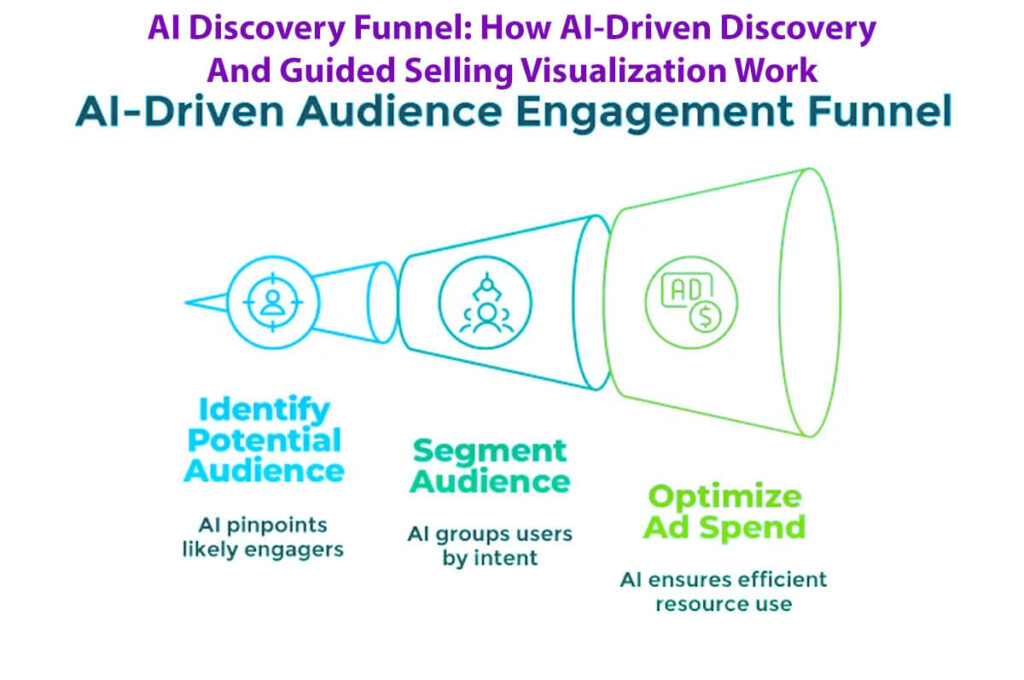
Some industry analysts talk about the “Great Content Collapse,” but there’s a positive side to the rise of AI-driven discovery.
This change doesn’t mean the sales funnel is over. Instead, it’s transforming, with more engagement happening before visitors even reach your website.
As you move through this new landscape, keep these key ideas in mind:
Content Structure: How you organize your content affects how search engines understand and rank it. Make sure your content is easy to find.
Brand Authority: Establishing your brand’s reputation and authority is key to gaining trust from consumers and search engines alike. Concentrate on building a strong, reputable brand.
Operational Speed: Fast, efficient processes help you stay relevant in today’s digital world. Being quick to respond to market changes will set you apart.
As discovery increasingly happens before visitors even see your content, having a strong content infrastructure and management is now a key strategy, not just a back-end task.
These factors are now essential for helping your brand stand out in a crowded market.
It isn’t just about keeping up with algorithm changes. It’s about building a strong, flexible content foundation that can adapt and succeed as people look for answers.
If you want to dive deeper into these ideas, listen to the on-demand recording of our recent webinar, where we covered these topics in detail.
Thanks to Shannon for sharing his valuable insights during the discussion.
If you want to modernize your content infrastructure for the new AI-driven landscape, reach out to our sales team. We’d be happy to help you on this journey.
Here’s a general FAQ about AI funnels that should be helpful:
AI Funnel Frequently Asked Questions (FAQ)
1. What is an AI funnel?
An AI funnel is a marketing and sales approach that uses artificial intelligence to improve the customer journey from first contact to making a purchase. It works by analyzing data and automating tasks to boost engagement and improve efficiency.
2. How can AI improve my funnel?
AI helps you understand customer behavior, personalize experiences, automate routine tasks, and score leads more accurately. These features make it easier to reach the right people with the right messages, thereby increasing your conversion rates.
3. What types of AI tools can I use for my funnel?
You can use different AI tools, such as chatbots for customer service, predictive analytics for forecasting, automated email marketing, and CRM systems that give personalized recommendations.
4. Do I need a data science background to implement AI in my funnel?
No, you don’t need a data science background. Many AI tools are easy to use and don’t require much technical knowledge. Still, knowing some basics about data analysis can help you get better results.
5. How do I measure the effectiveness of my AI funnel?
You can track how well your AI funnel is performing by looking at key metrics such as conversion rates, customer engagement, ROI, and satisfaction scores. Checking these regularly helps you know what’s working and where to improve.
6. What are some challenges of using AI in my funnel?
Some common challenges include poor data quality, difficulty connecting to current systems, high setup costs, and ongoing maintenance. Having a clear plan and setting aside enough resources can help you manage these issues.
7. Is AI applicable to every kind of business?
AI can help many businesses, but how well it works depends on your industry and company size. Make sure to look at your own needs and limits before deciding to use AI.
8. How can I get started with building an AI funnel?
Identifying your target audience and outlining your funnel steps. Spend time analyzing data to gain a deeper understanding of your customers. Select suitable AI tools for your requirements, and gradually incorporate automation, regularly monitoring progress.
You can adjust this FAQ to fit your needs or add any other questions that matter to you.
AI Discovery Funnel: This is a process that uses artificial intelligence to guide potential customers and improve each step of the discovery process.
AI-Driven Discovery: This means using intelligent algorithms to help people find information, products, or services in a more personal and efficient way.
AI-Powered Search Tools: These tools use AI to help people find more accurate and relevant information.
AI Answer Engines: These are smart systems that quickly provide users with direct answers by analyzing large amounts of data.
AI Search Optimization: This means using AI to improve how search results appear and work more effectively.
AI-Generated Brand Summaries: These are summaries made by AI that highlight a brand’s main information, identity, values, and place in the market.
AI-Intent Landing Pages: Web pages generated by AI to match users’ intent, increasing the likelihood that users will take action.
AI-Driven Customer Journey: This is a way of using AI to track and study how customers interact with a brand, helping find new ways to connect with them.
AI Mentions in Search: This refers to how often artificial intelligence is mentioned in search results, indicating its growing importance across different fields.
AI Funnel Marketing: Marketing strategies that use AI to streamline and enhance the sales process from first contact to final sale.
AI Visibility Tools: Tools that use advanced data analysis to help brands stand out more in search results and online.
AI-Generated Leads: Potential customer contacts generated automatically by AI, targeting specific groups based on predefined criteria.
AI-Based Conversion Optimization: Strategies that use AI insights to help turn more leads into customers.
AI Overviews in Search: These are short summaries or insights from AI in search results, providing users with quick access to key information.
Structured Content for AI: Content organized and formatted so AI systems can easily understand and find it.
Digital Discoverability with AI: Ways to use AI to help a brand become more visible and relevant online.
AI and Guided Selling: This means using AI in sales to give customers targeted recommendations and advice, helping them make better buying decisions.
AI Marketing Strategies: Plans that use artificial intelligence to make marketing efforts more effective and reach more people.
AI Platform Prompts: These are preset questions or commands that help users interact more easily with AI-powered platforms.
Brand Visibility in AI Results: This is about how much a brand stands out in AI-generated search results, which can strongly affect how users see and interact with it.
Conclusion for AI Discovery Funnel
To sum up, using an AI discovery funnel can make your marketing and sales efforts much more effective by tapping into the strengths of artificial intelligence.
When you understand how your customers behave and offer them personalized experiences, you can guide them more smoothly through the buying process.
Using AI helps automate tasks and score leads more accurately, resulting in higher conversion rates.
You might face challenges such as data quality or integration issues, but with good planning and the right resources, they can be addressed.
When building your AI funnel, start by defining your audience and analyzing customer data to improve their experience.
Choose the right tools and keep checking how well your funnel works so you can keep improving your strategies and succeed over time.
Take advantage of what AI can do to improve your discovery funnel and build strong, lasting relationships with your customers.
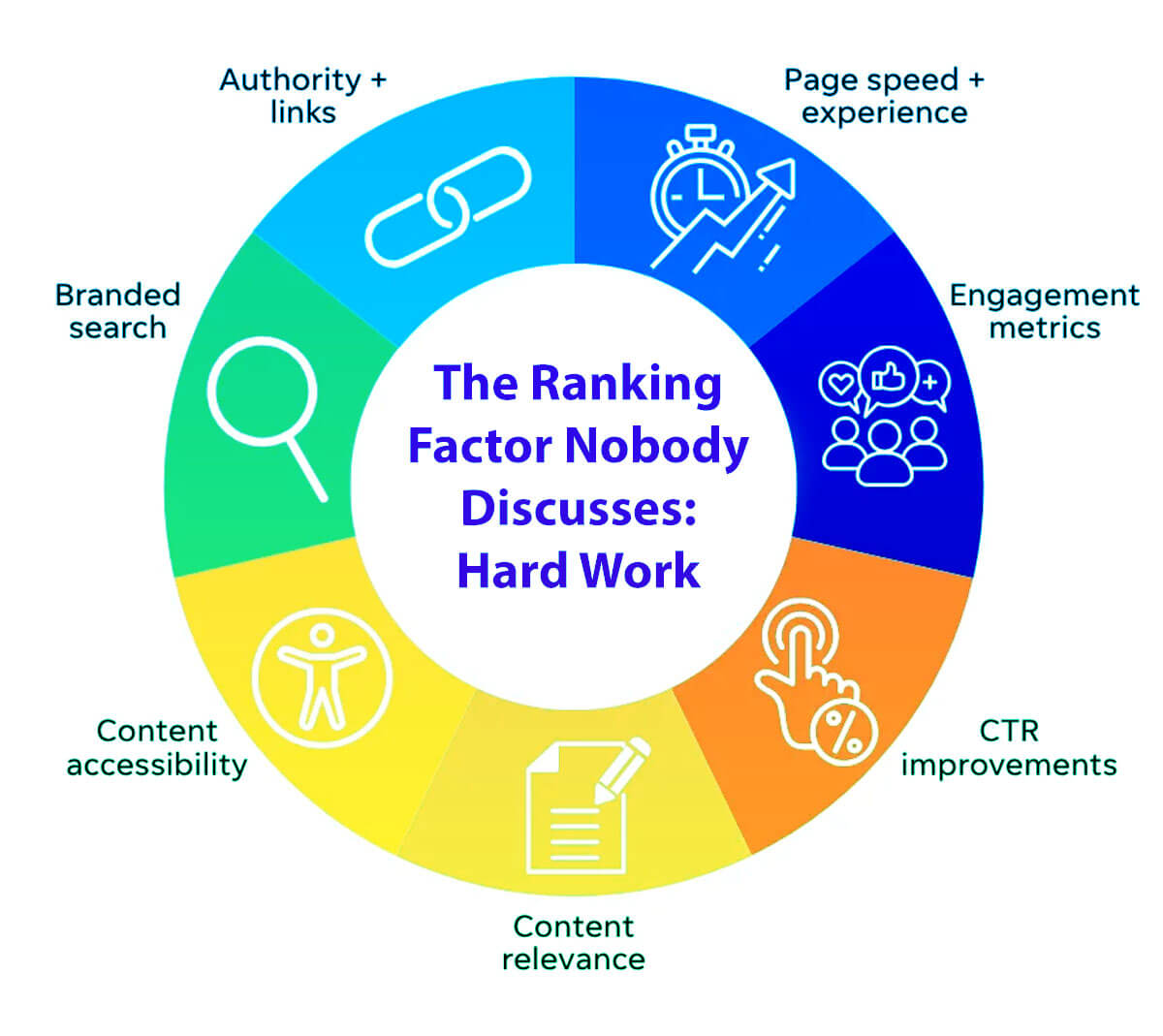
The Ranking Factor Nobody Discusses: Hard Work in 8 Easy Steps: A Guide
How to Remove Google Reviews: How to Delete Google Reviews in 8 Easy Steps—A Guide
How to Run a Giveaway or Contest That Actually Goes Viral in 8 Easy Steps