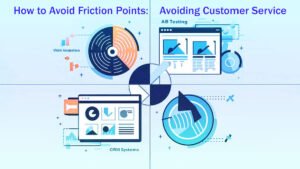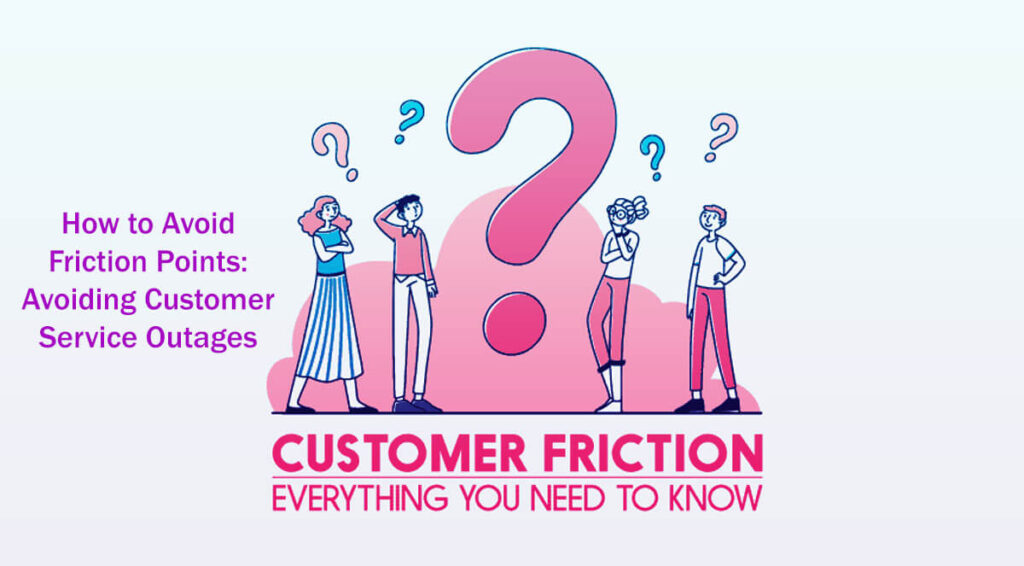





Here are 16 practical steps on how to avoid friction points. Avoiding customer service outages: By minimizing friction points and simplifying the customer journey, you enhance the overall experience for your users.
These steps include improving your website, updating your landing pages, and adding trust signals such as safety seals.
Each one is meant to build customer loyalty and increase satisfaction.
With tools like customer feedback, A/B testing, and personalized experiences, you can turn every customer interaction into a positive moment that builds trust and strengthens your brand.
I’m good at convincing people to buy with different strategies, but I have to be careful not to accidentally push potential customers away.
Friction points are obstacles that slow or stop potential buyers from moving through your sales funnel.
How to Avoid Friction Points: Avoiding Customer Service Outages In 16 Steps
What Is a Friction Point?
These obstacles can show up in many ways, like how your copy is written, your website’s design, slow processes, company rules, or even how users move through your site.
Creating a great website design and user experience is really important for keeping your customers engaged and coming back for more.
Things like slow loading, unclear messages, surprise fees, complicated forms, bad mobile layouts, hard-to-use features, or confusing navigation can really frustrate visitors.
When visitors get frustrated, they might give up on buying altogether.
To improve the customer journey, you need to spot common friction points and fix them with practical solutions.
Understand Customer Needs
Understand Customer Needs: Truly knowing what your customers want is key to offering a service that connects with them.
A good way to do this is by using several research methods.
You might use surveys to collect numbers and facts, or hold one-on-one interviews and focus groups to hear personal stories and opinions.
Using different methods helps you discover what customers expect, prefer, and what problems they face.
Looking at this information lets you adjust your services to better match what your customers want, which builds loyalty and satisfaction over time.
Landing Page Length
One important factor is the length of your landing page. The amount of information you share can really affect the customer’s experience.
If your landing page has too much information, visitors might feel overwhelmed.
If it’s too short, they might question your credibility or the value you provide.
It’s important to find a balance between giving too much detail and keeping your message short and clear.
Marketers sometimes go to extremes, making pages too long and complicated or too short and lacking detail, which can look unprofessional.
To find what works best for your landing pages, you need to test and analyze them regularly.
Studies show that longer landing pages tend to perform better when customers don’t know much about the product or when the offer is complex or risky.
On the other hand, if your audience already knows your product and the offer is low-risk, shorter landing pages often get better results, as long as your message is clear and backed up by proof.
A good way to find the right balance is to do qualitative research.
Means talking directly with customers, using surveys, interviewing prospects, and looking at customer support tickets to gather insights.
When you know what matters most to your audience, you can shape your content to fit their needs.
This step is often overlooked, but it’s key to making sure your offers match what customers expect.
Your homepage and landing pages should share the most important information in a way that’s easy for customers to understand.
Could you make sure you cover key points like value, proof that your product works, pricing, and any risks?
Also, could you give more details for those who want to learn more?
Use clear titles and subheadings, organized benefit sections, strong calls to action, visible trust signals like logos and reviews, short FAQs, and easy links to technical documents, case studies, and knowledge bases to find the right balance.
This way, visitors won’t feel overwhelmed by too much text, but those who want more details can still find them.
To sum up, longer pages usually work better for people who don’t know much about your product or when the offer is complex or risky.
In contrast, shorter pages often convert better for high-intent, low-risk, and familiar offers, as long as your message is clear and supported by evidence.
Streamline Processes
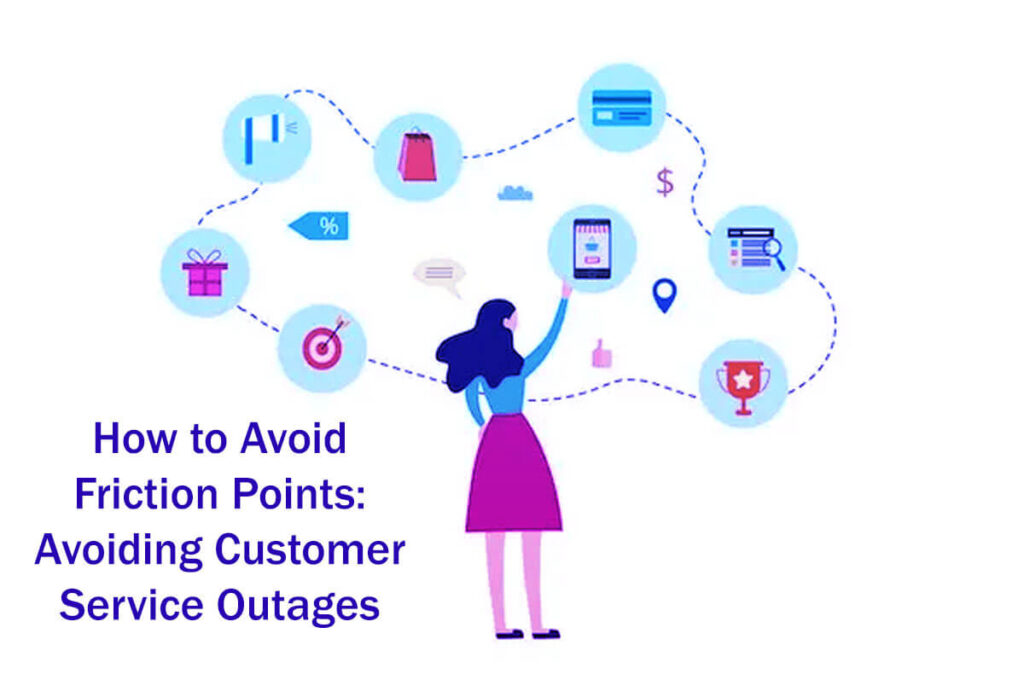
Streamline Processes: Take a close look at every step your customers go through to spot where things might slow them down.
Means looking at every interaction, from the first contact to after they buy.
Try mapping out these steps to find any spots where customers might get confused or frustrated.
Take steps to simplify processes, such as removing unnecessary steps, automating tasks, or using user-friendly tools, so customers have a smoother experience.
The aim is to make everything flow smoothly so customers stay engaged and satisfied.
Cognitive Dissonance
Another important idea is cognitive dissonance, which occurs when your ads, marketing messages, and landing page content don’t align.
For online marketing to work well, everything—images, copy, themes, long content, and product descriptions—needs to work together to send one clear, strong message.
Still, there’s always a chance your carefully planned message won’t connect with your audience, which can cause confusion or hesitation.
By addressing these friction points and ensuring your message is clear, you can boost customer engagement and turn more potential buyers into loyal customers.
When planning how to grow your business, remember that simply copying a competitor’s winning strategy can sometimes backfire.
Happens because every brand operates in a unique situation, shaped by many factors.
These factors include how the brand is positioned, what it promises customers, its target audience, how it distributes its products, and constraints such as market trends and consumer habits.
Every brand has its own personality, tone, and style. These qualities can differ significantly from those of competitors.
It’s also important to ensure your customers’ values and expectations align with what your competitors offer. If they don’t, you risk turning potential customers away.
This mismatch stands out even more when you consider cognitive fluency, which is how easily people can process and understand information.
To make things easier for customers, businesses should adopt a clear, easy-to-follow design structure.
Means using plenty of white space, simple language, and keeping your message consistent across ads, websites, and landing pages.
Using a conversational tone also makes your writing easier to read.
Includes ensuring lines aren’t too long, using colors that stand out for better readability, adding clear descriptions to links, and making buttons and other interactive elements the right size.
If your information is hard to read or understand, customers are much less likely to buy from you.
It’s also important to understand the hidden factors that shape customer behavior.
Enhance Communication
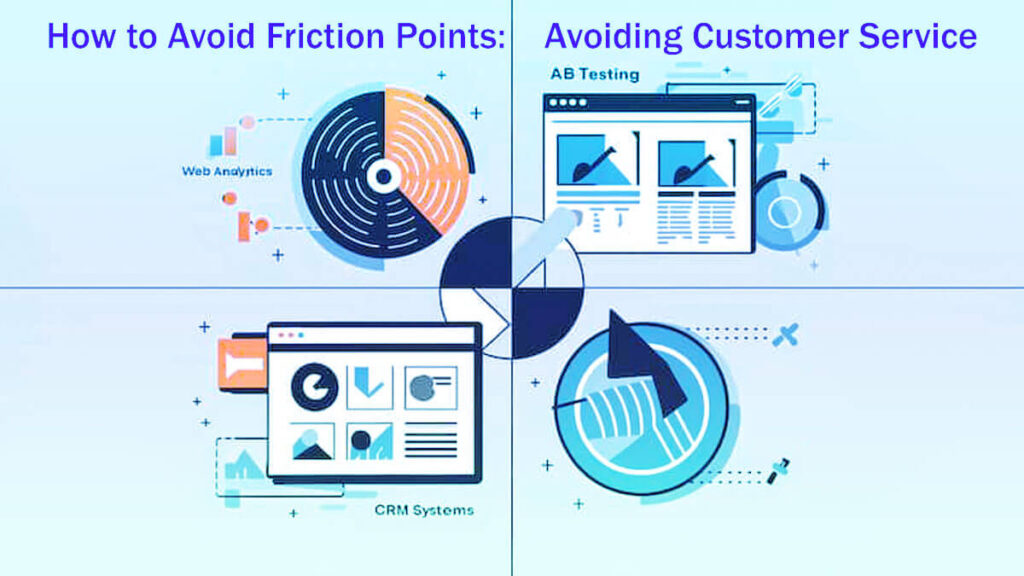
Enhance Communication: Good communication is key to building strong relationships with your customers.
Please make sure your messages are clear, concise, and consistent across email, social media, live chat, and phones. I think keeping
This way, customers can reach out to you in the way that works best for them.
Keep customers in the loop by answering their questions, informing them of changes, or sharing special offers.
Being transparent and sincere in your communication helps foster trust and loyalty.
Subconscious Mind
Research indicates that emotions and gut feelings often influence buying decisions more than logic or reason.
Even though we like to think we’re rational, emotions play a big part in every decision we make.
Many emotional signals can cause problems during the buying process, and they’re often hard to spot or measure with standard analytics.
Logic by itself isn’t enough to truly engage customers. You need to connect with their feelings and instincts, too.
You can do this by using strong visuals, comforting short messages, quick loading times, and thoughtful small interactions.
When businesses focus on emotional engagement, they invest heavily in user experience and design.
Things like visual order, movement, sound effects, fast loading, and personal touches can strongly affect how people feel.
When done well, these elements can create a sense of joy and make the customer experience smoother.
This feeling of delight ties your marketing efforts to your brand’s main promise.
To build this sense of joy in your brand, try these practical steps:
Understand Customer Pain Points: Brands do well when they truly improve people’s lives. Take time to really get to know your target market.
Make sure to listen carefully. Look at customer reviews, notes from lost sales, and support logs to spot patterns that can guide your strategy.
Define Your Brand Identity: Clearly state what your brand stands for and how it matches your customers’ values.
Make sure your brand’s voice, promises, and main principles are always clear and consistent.
Being clear helps build a strong brand and makes it easier for customers to connect with you.
IDEASTORM: Use what you’ve learned so far to come up with creative ideas that make customers feel good and build trust.
Think about making resources that ease customer worries, show progress to reassure them, offer helpful defaults to make things easier, and create warm welcomes for new customers.
TRACK EVERYTHING: Remember, you can measure both customer experience and how people see your brand.
Keep an eye on key numbers such as conversion rates, time-to-value, activation, customer retention, referrals, NPS, CSAT, brand search volume, Core Web Vitals, and support ticket trends.
Could you make sure every project connects to these important metrics?
PROTOTYPE & QUICK TEST: Before making big changes, run small tests on things like your copy, layout, or onboarding process.
Could you check whether these changes work through A/B tests and usability reviews?
CLOSE THE LOOP: Build a culture where team members share ideas and handle feedback openly.
When customers see that you listen and adapt, they’re more likely to trust and stick with your brand.
Invest in Technology
Invest in Technology: Using modern tools can make customer interactions easier and better meet their needs.
For example, AI chatbots can instantly respond to common questions, shortening wait times and enhancing customers’ sense of importance.
An exemplary Customer Relationship Management (CRM) system monitors customer interactions and preferences, enabling more personalized, efficient service tailored to their needs.
Focusing on the right technology can make customer interactions smoother and boost customer satisfaction.
Building Trust
Building Trust: Ask yourself why customers should trust your business.
What sets you apart from unreliable companies that have let customers down, mishandled data, or ignored their needs? To build trust, you need open communication, steady performance, and a real commitment to long-term relationships.
Prioritizing trust helps you create loyal customers who are more inclined to recommend your brand.
Customers often ask themselves:
“Why should I spend my time here?”
With so many distractions today, it’s understandable that making a purchase can feel overwhelming.
That’s why it’s important to clearly show your audience that they can trust you.
To show your value, use several methods: share social proof, have clear policies, offer secure payment options, be upfront about pricing, provide quick customer support, and make your security practices visible.
Train Your Team
Train Your Team: The people who work directly with customers play a big role in how your business is seen.
Help your team succeed by giving them regular training, not just on your products but also on skills like empathy, listening, and solving problems.
Try using role-play and give your team tools to handle different customer situations, so they can answer questions and solve problems confidently.
A well-trained team helps create great customer experiences that people remember.
Customer Reviews and Testimonials
The internet can feel overwhelming, and uncertainty can show up anywhere, even on trusted sites.
One of the best ways to reduce this uncertainty is to share stories from past customers.
Reviews and testimonials from past clients help prove your business is credible and trustworthy.
Today’s customers often come to your website ready to decide on their own.
For example, on Clarity.FM, many experienced consultants offer their expertise. Still, clients often wonder how to pick the right marketing expert.
Often, reviews and testimonials from past clients help new customers decide who to trust.
If you sell products or services, building a strong reputation is key to showing your prices are fair.
You can make your customer feedback feel real by sharing details like names, roles, and company logos, as long as you have permission to do so.
Show real results and before-and-after examples to help potential buyers feel confident.
Could you highlight your latest reviews, show rating breakdowns, add dates to testimonials, and respond to negative feedback?
When possible, use structured data for reviews so search engines can show your credibility in search results.
You can personalize your reviews by sharing direct quotes from your clients.
Could you show how your products or services can save customers time and money?
Could you share a clear, impactful summary of the results your clients have seen, using details that matter to your audience?
Be careful not to use vague endorsements or only pick the most positive reviews.
Instead, you can choose testimonials that answer real questions and concerns your clients have.
Solicit Feedback
Solicit Feedback: Asking customers for feedback after they buy or use your service is key to understanding their experience.
You can use surveys or send follow-up emails with questions about their level of satisfaction and any problems they encountered.
Looking at this feedback helps you spot common problems.
When you respond quickly to feedback, it shows customers you care about their opinions and want to keep getting better, which builds trust.
Safety Seals
Today, people care a lot about keeping their personal data safe and private.
They are more hesitant to share financial or personal information, especially with so many reports of data breaches.
Even a simple $10 impulse buy can feel risky because of these concerns.
If your trust and safety seals are real and well-earned, they show customers that you truly care about their security and privacy.
Place these seals where they stand out, like next to forms, in footers, at checkout, and on your About page.
A few strong safety indicators are more effective than showing too many badges.
Along with these seals, clearly explain your security measures, including HTTPS, modern TLS, clear privacy and refund policies, and trusted payment methods such as PayPal and Apple Pay.
Could you clearly show these security measures at key points where customers are making decisions on your site?
Also, use up-to-date safeguards like Address Verification Service, passkeys for user accounts, 3-D Secure for credit cards, and offer multi-factor authentication when you can.
By adding these trust signals and security steps, you help customers feel safer and more confident when making decisions.
To help customers feel more confident when buying, provide clear, simple information about delivery times and return policies.
Means sharing when customers can expect their orders and providing easy-to-follow steps for returns if needed.
It’s also important to be upfront about the total cost of a purchase.
Includes the product price, shipping fees, taxes, and any other charges that may apply at checkout.
Many people hesitate to buy when they’re unsure about costs or worry about hidden fees, which can make the shopping experience frustrating.
Personalize the Customer Experience
Personalize the Customer Experience: Use customer data to create experiences that fit each person.
By looking at what customers have bought, what they like, and how they browse, you can suggest products that really match their interests.
Also, sending messages that target different customer groups can help more people become interested.
Personalizing the experience helps customers feel valued and understood, which makes them more likely to stick with your brand.
Final Thoughts: Why Ongoing Testing Matters
It’s important to test your ideas regularly, and A/B testing should be a key part of your ongoing improvement efforts.
If you don’t regularly look for and understand what’s slowing down your customers, you might miss important insights that could improve their experience.
Just looking at analytics can sometimes be misleading. For example, if someone spends five to ten minutes on your site, it could mean they’re unsure about buying or not really interested in your content.
Using different tools can help you spot new trends and identify where customers get stuck in your sales process.
For example, A/B testing lets you try out different ideas, and session replays show you exactly how people use your site.
Heatmaps give you a visual look at where people focus their attention, and form analytics can show you what’s stopping them from finishing forms.
After you’ve found problem areas with numbers and data, the next step is to do some qualitative research.
Means talking directly to customers to find out why these trends are happening.
When you understand why users behave a certain way, you can make significant improvements across your website copy, design, onboarding, and customer support.
Monitor and Analyze Metrics
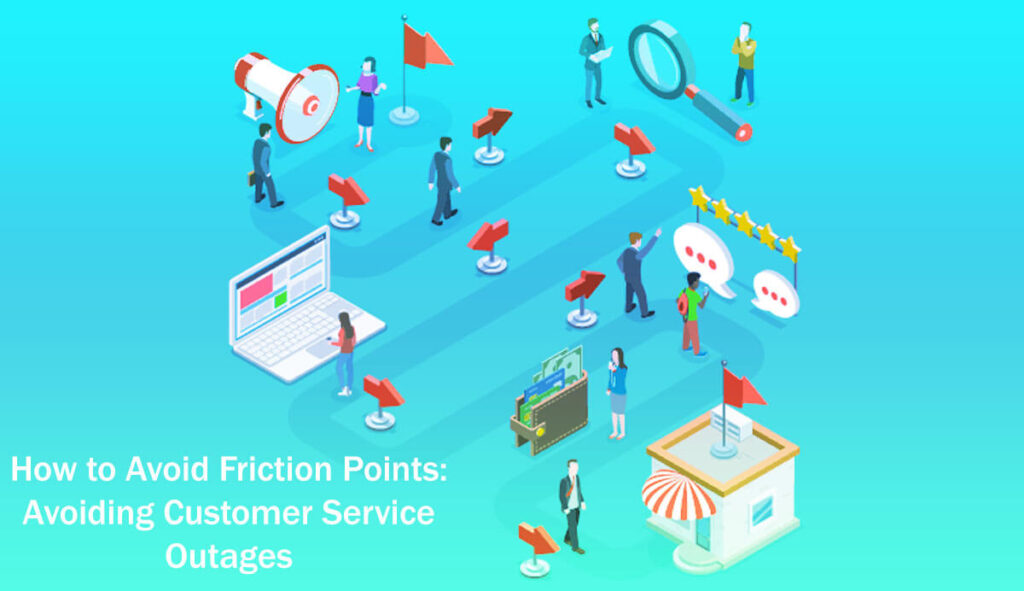
Monitor and Analyze Metrics: Keep an eye on important numbers like Net Promoter Score (NPS), customer satisfaction, and how quickly you solve complaints to see how you’re doing.
Use tools to look for trends and patterns in this data over time.
By checking these numbers regularly, you can see what’s working and identify new areas for improvement.
Acting on these numbers enhances customer experiences, resulting in higher satisfaction and increased loyalty.
By carefully following these steps, you’ll smoothly remove any obstacles your customers might encounter along their journey.
This approach will improve the overall experience, help build customer loyalty, and support your business’s long-term success.
Main Points for Improving Customer Experience
Getting rid of barriers and friction is key to making the customer journey smoother.
Most friction comes from customers feeling confused or frustrated.
If customers see unclear messages or instructions, they’re more likely to leave your site and shop somewhere else.
Be sure to keep things simple; that should guide your efforts to reduce friction.
Could you give clear, simple answers to customer questions and avoid giving them too much information at once?
For customers who want more details, offer additional resources such as a well-organized knowledge base, detailed FAQs, or in-depth case studies.
Earning your audience’s trust is also key to overcoming skepticism.
You can do this by showing positive reviews, using clear policies, adding trust badges, and sharing real customer testimonials.
Could you make sure your references are accurate, your decision points are clear, and you back up your claims with current, reliable evidence to build trust?
Always be open to testing and questioning your assumptions.
Combining qualitative research with A/B testing helps you better understand what your customers need and how they behave.
Use tools like customer interviews, session replays, and analytics to guide your ongoing improvements.
Also, using strategies like matching your messages and making your content easy to understand can help lower drop-off rates.
Means maintaining a consistent tone and look across your messages, making your content easy to read, and clearly sharing information on your landing pages.
Finally, I’d like to make transparency a priority, especially regarding pricing and security.
You can use HTTPS across your whole site to keep communication secure, and clearly show which payment options are available to build trust.
Please keep things simple, be clear about your privacy and refund policies, show the total charges before checkout, and use advanced security tools such as 3-D Secure, Address Verification Service (AVS), and multi-factor authentication.
By focusing on these key areas, you can lower perceived risks and boost your business’s conversion rates.
5 Easy Steps: How Color Psychology Affects Mood and Emotions
9 Easy Steps: How to Guide People’s Emotions to Boost Sales
How to Write a Newsletter that People Will Easily Read: 10 Easy Steps
How to Boost Your Brand Visibility Using Public Relations: 10 Easy Steps