




Here are 6 easy steps to help you find and test new marketing channels, manage them confidently, lead your team, pick the right channels, and get started with search engines (SEO).
Whether you focus on one channel or several, you’ll learn about blogging, guest posting, sponsored content, and PPC advertising.
If you want to promote your product, service, or make your blog stand out, these tips will help you along the way.
Let’s work together to make your marketing
I may receive commissions from links on this page because This Online Web operates on a reader-supported model.
However, this relationship has no impact on my editorial assessments or viewpoints.
Google Ads, formerly known as AdWords, was a turning point in digital marketing.
When Google Ads first launched, brands saw huge success because there was little competition and advertising was cheap.
Many businesses found it easy to make money by taking advantage of the plentiful and low-cost ads available at the time.
Today, Google Ads is still a major player in digital advertising, but the competition is much tougher.
Ad auctions are now more competitive, so while you can still grow, profit margins are much slimmer.
Marketers know what works, so getting results now depends on careful execution and campaign optimization.
Platforms such as Facebook and Instagram have experienced comparable changes.
When these platforms were new, ads were cheap and easy to set up, so brands saw quick results.
But as these platforms have grown and changed, especially with things like algorithm updates and new privacy rules like iOS 14.5, running paid ads has become much more complicated.
Even with these challenges, paid social media is still a strong way to grow your business.
Remember, paid traffic isn’t the only way to grow.
Ten years ago, fewer SEOs and websites were competing for the same keywords.
Now, Google’s algorithms are more advanced and reward helpful, user-focused content instead of tricks or shortcuts.
This means a good SEO strategy is about providing value and a great user experience, not just stuffing in keywords.
Growing your marketing strategy takes ongoing effort. It’s not something you can just set up once and leave, no matter how experienced you are.
The reason is simple: when a channel works, more skilled marketers jump in. This leads to more competition, higher costs, and old strategies may stop working.
So how can brands keep up in this ever-changing environment?
The key is to keep exploring, testing, and validating new marketing channels while also improving the strategies that are already working.
Experimenting won’t always work out, but steady growth comes from slowly adding more strategies over time.
How to Find and Test New Marketing Channels
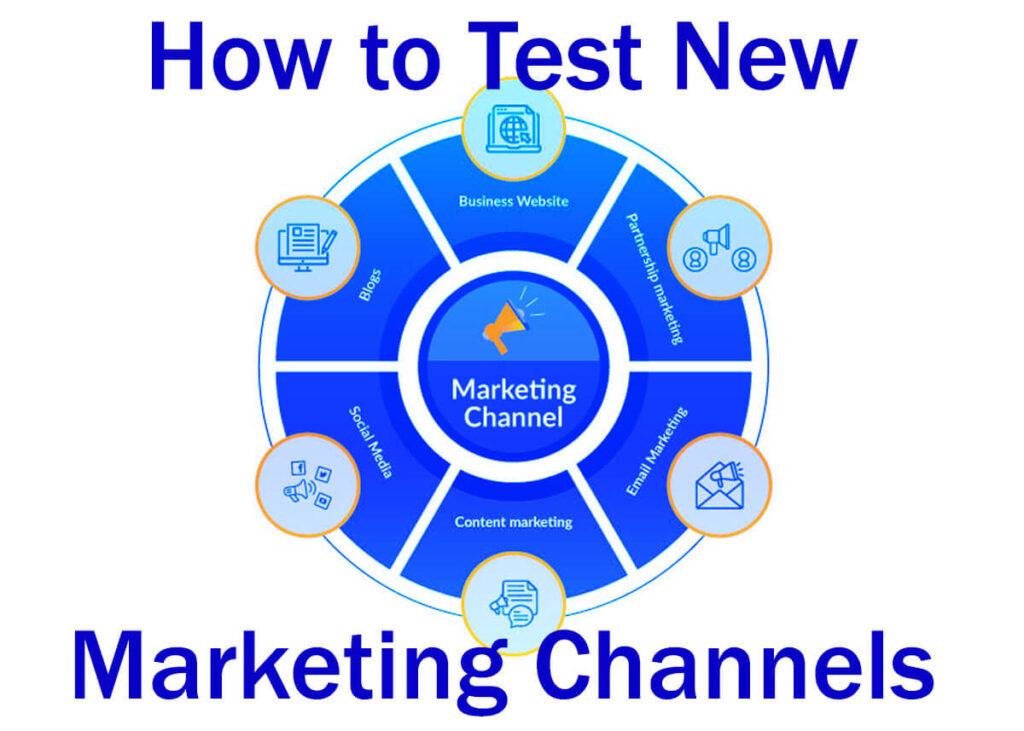
Here’s a quick guide to help you find and test new marketing channels:
Embrace Experimentation
Think back to how exciting it was to try new things as a kid. Experimenting in marketing taps into that same curiosity and can pay off financially.
Trying out new partners, formats, and channels on purpose is key to growing your business.
If you’re not always testing new things—whether paid, organic, or through partnerships—you could end up stuck.
Where Can You Find Worthy Ideas for Exploration?
Begin by looking at what your competitors and other key players in your industry are doing.
Use tools like Ahrefs and Semrush to gain valuable insights into keywords, ads, and landing page design.
To see what creative strategies and channels your competitors use, check out resources like placement intelligence platforms and ad libraries, such as the Meta Ad Library, TikTok Creative Center, and Google Ads Transparency Center.
Use what you learn to pick different channels to test.
Keep an eye on how your competitors perform over time. Their wins and mistakes can help guide your own strategy.
Stay up to date with industry trends by reading top publications and connecting with thought leaders and content creators. This will sharpen your instincts.
When you start experimenting, focus on reducing risks while learning and moving quickly.
Most teams start testing with small budgets, usually between $500 and $2,000.
They also set clear goals ahead of time, such as customer acquisition cost (CAC), payback periods, number of qualified leads, or trial starts.
The main rule is to grow what works and cut out what doesn’t quickly.
In Pursuit of Growth
Understand that not every test will work right away.
Many channels won’t give you instant results, but a few will turn out to be profitable.
Some campaigns might bring in a few paying customers but at a cost that’s too high, while others might get attention but not enough sales.
If a strategy doesn’t offer a clear long-term benefit, like boosting your brand’s visibility, don’t be afraid to drop it if you don’t see good results.
Instead, focus on growing paid campaigns that are really working.
As a rule, reinvest your profits into new experiments and keep a close eye on your CPA and CAC ratios.
By always improving your marketing strategies and channels, you’ll be better prepared for long-term success in the changing digital world.
Scale Responsibly
Before you think about growing your business, make sure it’s truly ready, especially if you’re currently running at a small loss.
You might be in this position if your customer lifetime value (LTV) is strong or if your payback period aligns with your financial goals and growth plans.
Set a clear budget for expanding your business and create a step-by-step plan to reach breakeven.
Try to keep your losses between 5 and 10 percent during testing. This helps you limit risk while trying out new strategies.
Commit to Consistency in Organic Channels
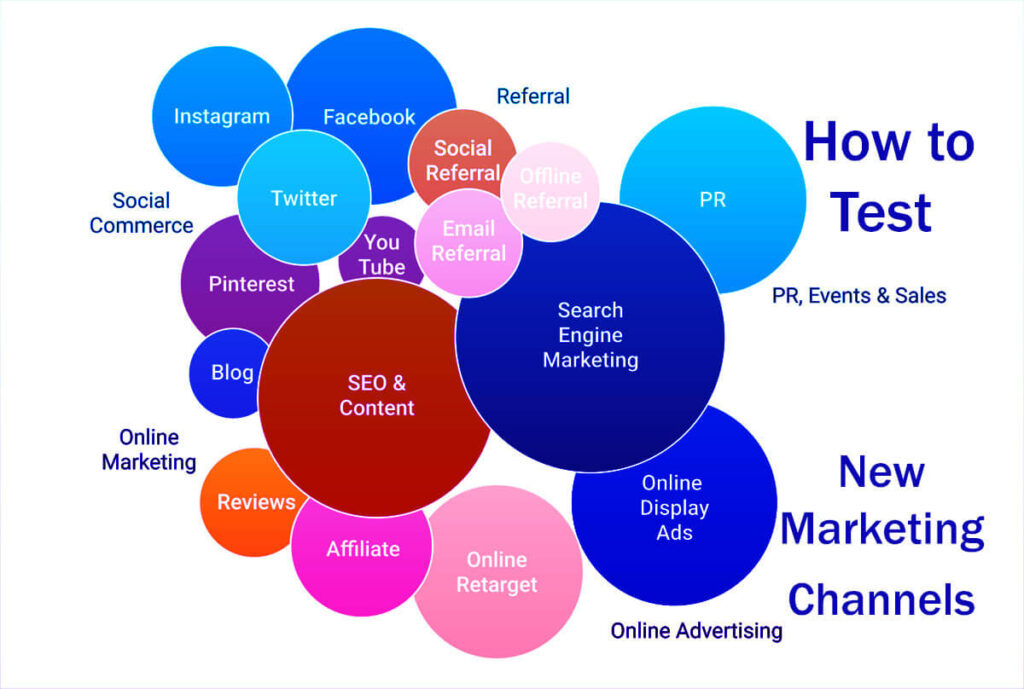
Building a strong presence in organic marketing channels takes steady effort and patience.
It usually takes three to six months before you see steady growth in visibility and engagement from these efforts.
If you can’t put in the needed time and resources right now, it’s better to pause your efforts for a while.
Start these strategies again only when you’re ready to follow through, so your investment leads to real results.
Avoid Channel Overload
With so many marketing options today, it’s easy to feel overwhelmed by trying to master several channels at once.
But your main goal should be to generate more qualified leads and drive conversions with a strong return on investment, not just to collect awards or certifications across different platforms.
By focusing on just a few channels, you can use your resources more effectively and achieve better results.
Maximization and Optimization
When you start seeing more sales and website visits, it’s important to focus on making your marketing work even better.
Work to improve or maintain your conversion rates, and look for ways to eliminate waste or problems in your marketing.
Pay attention to audiences, keywords, placements, or content that aren’t performing well and may be holding you back.
Make sure you understand the bidding strategies, creative formats, and measurement tools for each platform you use.
Improve your landing pages, streamline onboarding, and target your audience more precisely.
Even small changes in these areas can lead to much higher profits over time.
Tweak and Maintain
Every good channel will eventually get crowded, so it’s important to stay flexible.
As ad costs rise, try to cut down on leads and views that don’t generate revenue.
Try new formats like short videos and vertical ads, and keep your content fresh and different to avoid getting stuck.
Organic growth builds up slowly, but if you stop supporting it, results can drop fast.
Keep adding new ideas and content to stay engaged with your audience.
Don’t get too comfortable, because the digital world is always changing.
Marketing platforms, user habits, and the market change often.
That’s why you should test things every month, review your strategy every quarter, and check your results each week using tools like Google Analytics 4 (GA4) and other analytics.
If you don’t try new things, your growth can stall.
Set aside at least ten hours a week for upkeep and testing new ideas to help your revenue and profits grow.
Why I Focus on One Marketing Channel at a Time
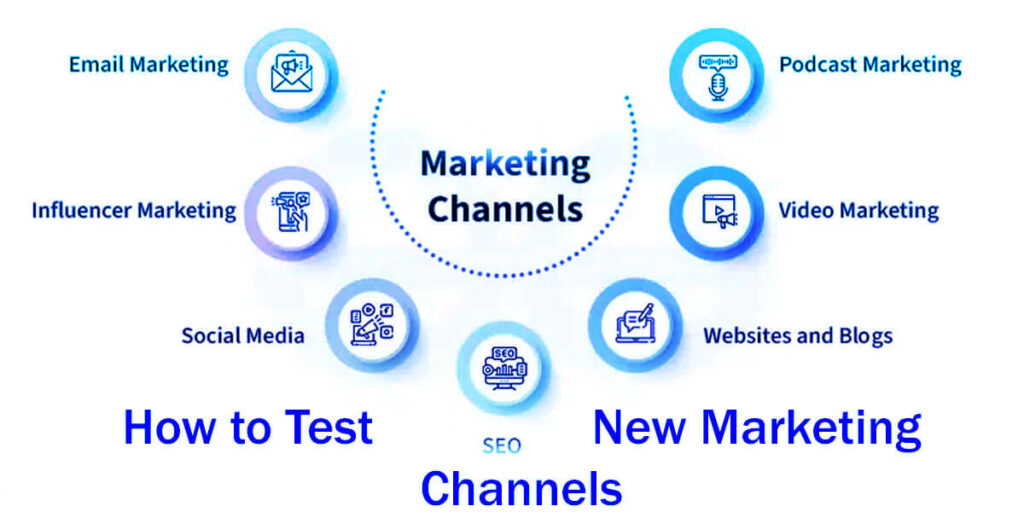
These days, it’s common to feel like you need to do everything in marketing, but that approach often backfires.
Brands have many options, such as working with influencers, using social media, email marketing, PPC ads, SEO, and content marketing.
But having so many choices can be confusing and tiring.
Many marketers don’t get the most out of any one channel because they try to do too much at once rather than focusing on what works.
From my own experience, I’ve found that keeping things simple usually works best.
That’s why I choose to focus on one main channel at a time.
Here’s why.
Preventing Overextension
Trying to please everyone usually means you end up pleasing no one, and the same goes for marketing channels.
If you try to manage four or five strategies at once, things can get messy, and it’s less likely that any one channel will do really well.
Even experienced investors find it hard to fully commit resources to multiple areas and get the most out of each.
When you focus on just one channel, you can put all your energy into making it work, which often leads to better results faster.
If you try to do too much, you might end up being a jack of all trades but a master of none.
By focusing on one channel, you can master it before moving on, which really boosts your chances of success.
Handling multiple channels at once can quickly become chaotic and frustrating.
Today’s content programs use many formats, like articles, podcasts, videos, social media posts, newsletters, webinars, and more.
Managing Multiple Channels Can Become Chaotic and Stressful
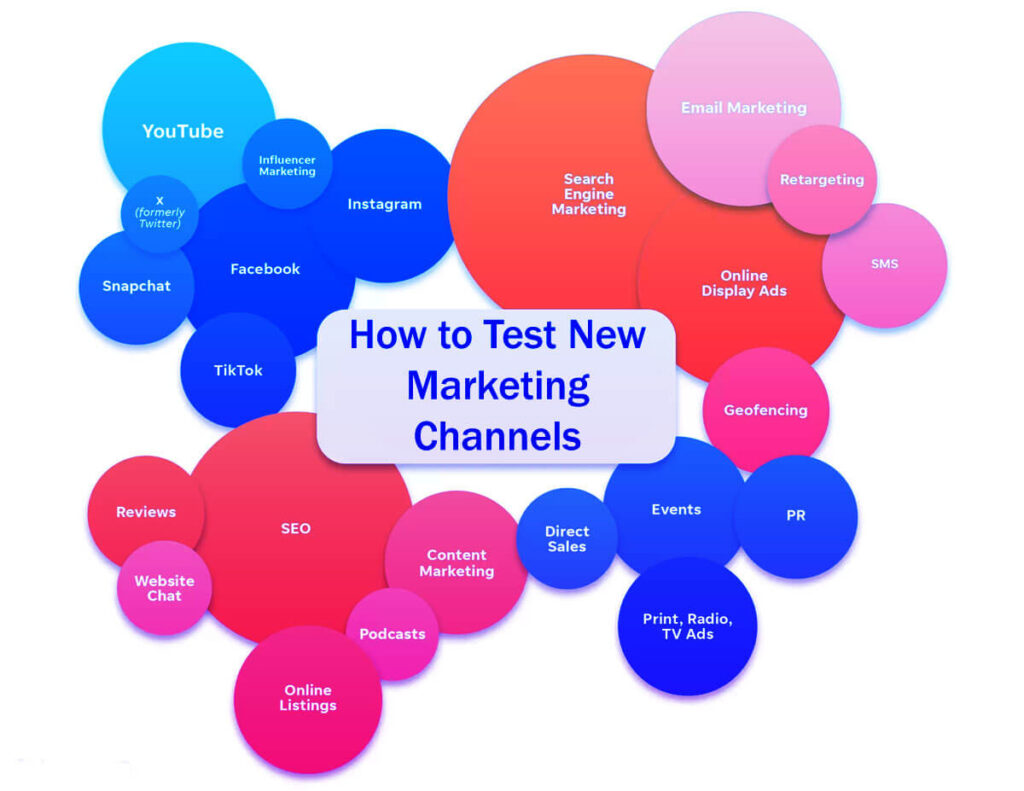
This creates a heavy workload that requires effective management.
By narrowing your focus, you can work more efficiently and get better results from your marketing.
As business-to-business marketing changes, adding more channels can quickly become overwhelming.
Today, marketing teams often have to manage several social media platforms, each needing its own approach and style.
Maintaining a steady, engaging presence across all these channels demands considerable time and effort, even when content is reused.
All this busywork can quickly lead to burnout, hurting your effectiveness and overall results.
If you’re new to marketing, working on a small team, or handling many tasks at once, the pressure can feel especially intense.
The truth is, there aren’t enough hours in the day to try every possible marketing strategy well.
Because of this, some important tasks will get missed, and you might lose out on good opportunities.
On the other hand, I’ve had great results by focusing on just one marketing channel.
By focusing on one channel, I can really get to know the audience there, turn my efforts into valuable leads and conversions, and avoid the stress of juggling too much at once.
Putting my resources into one area helps me get the best return on investment and keeps me from feeling overwhelmed.
This clear focus really works for me.
I Ensure I Understand It Correctly
Would I rather get really good at one instrument, or be just okay at five different ones?
The answer is simple: it’s better to master one.
The same goes for marketing.
I should do really well in one channel rather than spread myself too thin and lose focus.
If I spend time on a strategy that doesn’t work, it’s wasted.
Multitasking Reduces My Impact
You can see real gains when you focus on one channel, which also gives you a strong base to grow from later.
Trying to do too much at once weakens my results.
Managing several channels at once means constantly switching tasks, and research shows this can really hurt productivity and decision-making.
Simply put, when I try to cover too many platforms, my marketing doesn’t work as well overall.
I can be more successful and efficient when I focus on one channel at a time.
It’s More Affordable
Focusing like this is often easier on the budget, too.
Right now, many teams are keeping or even raising their budgets for owned and inbound marketing channels.
When I focus on one area, I can use my resources better and show stakeholders a clearer return on investment.
If you’re on a tight budget, managing many channels can quickly become overwhelming.
If even a few projects don’t go well, your overall results can drop a lot.
When I started, I often had limited resources, and I found that putting my time and energy into one promising channel always worked best.
By starting with one channel, I can learn more efficiently and keep costs down before trying new things.
It Helps Me Outperform My Competitors
This kind of focus helps me stay ahead of my competitors.
Good marketing means sharing the right message, at the right time, in the right place, with the right people.
If I try every possible strategy, my impact gets watered down, and no single approach gets the attention it needs to really succeed.
When I give one channel my full attention, it works much better.
Spending a whole season on one channel helps me learn more, improve my content, and perform better.
This sets me apart from competitors who never really master any one area.
A Final Note on Choosing a Marketing Channel

As you plan your marketing channels, remember this: I’m not saying you should only use one channel, but be careful about expanding too quickly.
It’s important not to rely on just one channel, but it’s just as important to keep your early momentum going.
Trying to do too much at once, especially when you’re just starting out, can hurt your overall impact.
Instead, I suggest picking one channel, making the most of it, and keeping your performance strong and steady.
Once you’re steady with that channel, you can start adding more with confidence.
The main idea is to grow only after you’ve made your process smooth and organized.
Over time, each channel will get strong enough to work on its own, giving you a solid mix of marketing channels with fewer weak spots.
6 Marketing Channels and Selecting the Right Ones
When you ask about the best marketing channels, expect different answers—ten marketers will probably give you ten opinions.
Adding offline channels can make things even more complicated and make it harder to build a clear, successful strategy.
The exact number may not seem important at first, but what really matters is choosing the right digital channels that consistently work for most organizations.
In this guide, I’ll walk you through six key channels and help you decide which ones fit your goals, budget, and audience.
Finding the right channels can make a big difference for your business.
Once you know which channels to use, you can create content and offers that fit those platforms and the people who use them.
This focused approach helps you engage your audience more deeply, increase conversion rates, and build lasting relationships with your target market.
Channel #1: Starting With Search Engines (SEO) Is The Most Effective Approach
Search engines should be a top priority in any digital marketing plan, especially for search engine optimization (SEO).
Businesses in all industries need to take advantage of search engine traffic.
A large part of your audience is likely searching for products, solutions, and answers on platforms like Google.
SEO is important to include in your marketing, but it doesn’t have to take over your entire strategy.
Start by doing keyword research to find your best opportunities.
Tools such as Google Keyword Planner simplify identifying what people are searching for.
By entering broad phrases like “content marketing” or “social media marketing,” you can see important metrics like monthly search volume and find related topics to guide your strategy.
If your business is already online, Google Search Console can reveal the search terms your website ranks for.
Begin your keyword search with broad terms related to your field, then gradually look for more specific ones.
Look for keywords with high search volume and clear user intent.
This helps you offer better solutions than your competitors.
Target keywords associated with your products or services that attract several hundred searches monthly.
These are often the best for engagement and visibility.
Using today’s tools is key to understanding how your audience talks and what problems they face.
Sites like Reddit, Discord, Slack groups, and YouTube search suggestions can show you what people in your niche are interested in and what questions they have.
Channel #2: PPC Pay-Per-Click Advertising If You Want Customers Fast
If you want to get clients quickly, pay-per-click advertising (PPC) is a strong option.
First, make sure you can reach your target audience through the channels you choose.
Next, ensure your PPC plan aligns with your business goals, budget, and timeline.
Every advertising channel has its own pros and cons.
SEO requires time and effort to develop, but it can generate consistent, high-quality traffic cost-effectively.
On the other hand, PPC can give you quick results.
Using tools like Google Ads and Microsoft Advertising lets you reach audiences ready to buy now.
Social media advertisements on platforms like Facebook, Instagram, LinkedIn, TikTok, and YouTube can be customized for targeted audiences, increasing engagement.
But if you don’t have a clear offer, good tracking, and a strong sales funnel, you can quickly waste your ad budget.
Before you spend more, figure out your customer acquisition cost (CAC) and payback period.
Make sure you know your conversion metrics and set up good tracking with Google Analytics 4 (GA4) and platform-specific tools.
If lots of people are searching for your product or service, try running search or shopping campaigns. Paid ads work especially well here.
You can also use lead forms, eye-catching carousels, and short videos to reach new people and retarget audiences on social media.
If your budget allows, keeping PPC as a regular part of your campaigns can be helpful.
Remember, automation tools like Performance Max and Advantage+ placements can help, but test them first before using them widely.
Be careful—if your onboarding or sales process isn’t strong, you could end up spending a lot on trial and error during your campaigns.
As you improve your strategy, focus on making your sales funnel stronger or cutting unnecessary costs.
At first, focus on making your ads more creative, aligning your message with your offer, and improving conversion rates.
Aim to turn casual visitors into trial users, demo sign-ups, or subscribers.
Finally, improve the process from getting subscribers to making sales so your results are sustainable and profitable.
Channel #3: Embracing the Blogging Ecosystem, Compete With Other Blogs
When you start blogging, remember you don’t always have to compete directly with other established bloggers in your field.
In fact, having respected, high-quality blogs in your area can actually help you when you launch your own blog.
If there aren’t many blogs, it might mean there aren’t many readers.
But good content shows there’s an interested audience and potential for growth.
See other blogs not just as competition, but as helpful resources that can teach you about your audience’s needs and preferences.
By interacting with these established blogs, you can spot content gaps, find trending topics, and shape your blog to meet your audience’s needs in new and interesting ways.
Working together, sharing content, and joining the community can help your blog become more visible and trusted.
By carefully selecting your channels and developing a strategy that matches your goals and audience, you can leverage digital marketing to achieve impressive results.
Guest Posting: To succeed with guest posts, focus on creating original, high-quality content that fits the host’s audience and matches their writing style.
Start by sending a strong pitch that grabs their attention and clearly explains the unique value you offer.
Ensure you carefully adhere to their submission guidelines, covering word count, formatting, and relevance to the topic. This will help your proposal stand out.
Deliver your content on time to make a good impression and show that you respect their deadlines.
Joint Content Collaboration: Working on co-authored projects like manuals, research studies, webinars, or podcasts with industry leaders can be very rewarding.
This approach helps you reach more people and lets you learn from your partners’ expertise.
These partnerships also boost your visibility and reputation, helping you grow your influence and brand credibility.
Sponsored Posts: Choosing sponsored content that fits your brand’s values can benefit both you and your partners.
Always be transparent about sponsorships to maintain your credibility.
Make sure your sponsored content is valuable and matches your audience’s interests. Balance promotion with useful or entertaining information.
Joint Ventures: Working together on projects like courses, webinars, or new products can build strong partnerships.
Focus on creating real value for your partner and building trust. This helps both of you strengthen your reputations in the industry.
When you highlight shared goals and strengths, you can achieve creative results that help both sides.
Identifying Relevant Publications and Authors: Begin by making a list of trusted publications and key authors in your niche.
Try searching for phrases like “top (niche) blogs” to find many possible places to publish.
Use tools like Feedly, SparkToro, and curated Twitter or X lists to discover valuable resources in your field.
When you review platforms, focus on their reach and engagement.
Keep in mind that posting on smaller websites may not give you the wide impact you want.
Look for signs of strong traffic and high engagement, like:
- The average number of comments that each post receives,
- Social media sharing statistics,
- Overall content quality and design appeal,
- Any disclosed subscriber counts or traffic data.
Even if you can’t find exact traffic numbers, aim for sites that regularly get 100 or more shares or comments on new posts.
Skip options that don’t look promising and focus on the best ones.
If you end up with 20 or more good prospects, you’ve found a valuable channel that can boost your visibility.
Channel #4: Social Media Engagement – Are you being social?
Are you able to connect with your audience on social media?
Your expertise, creativity, and consistency will shape whether social media helps you grow or holds you back.
Fields like fitness, food, fashion, home décor, and marketing usually do well with visual and lifestyle content.
Niche B2B content can also succeed if you use the right strategy.
Success comes from sharing content people want to pass along, like practical tips, interesting stats, personal stories, or fun short videos.
Use tools like BuzzSumo, YouTube Trends, TikTok Creative Center, and LinkedIn Content Insights to find out which topics get the most engagement.
To dig deeper, look at related keywords and track two key things:
Is it realistic to get shares in your niche?
If several posts regularly get 1,000 or more shares or high engagement, that’s a good sign.
Which platforms get the most attention from your audience?
Usually, one or two networks stand out, so start by focusing there.
Watch for new patterns in your data.
Adjust your content format, like Reels, Shorts, carousels, threads, or long articles, to match the platforms with the most engagement.
Channel #5: Online Forums
Forums and online communities have been important in many fields since the early days of the internet.
These platforms are great for getting early traction, learning from customers, and building your reputation, especially if you’re new. They usually don’t grow as fast as paid channels.
To succeed in these spaces, you’ll need to invest your time more than your money.
Look for active communities on Reddit, Discord, Slack, Facebook groups, or niche forums by searching for terms like “(niche) + forum.”
Try to find at least one active community with lively discussions, quick replies, and lots of new topics.
Check the size and activity of these communities by looking at user numbers and activity stats, usually found on their homepages.
If you can’t find a strong forum in your niche, try looking at broader categories that are still related.
If you don’t find any good options, move on.
Channel #6: Q&A Question and Answer Websites
Websites for knowledge sharing and Q&A should have a key role in your strategy.
Sites like Reddit groups, review boards, Stack Exchange, Stack Overflow, and Quora are great for answering specialized questions.
When you share helpful, thoughtful answers on these sites, you can get steady traffic, especially if your answers show your expertise and invite others to join the conversation.
Bonus: Many responses show up well in Google searches for specific, long-tail questions. This helps people keep exploring and discovering new information.
Now that you have some effective channels to work with, you can start making smart, strategic choices.
Start by figuring out which marketing channels your target audience uses most, as mentioned earlier.
Consider key factors such as your budget, project timeline, main goals, and the popularity of each channel in your industry.
After looking at all these factors, pick your top three options.
Try not to chase every possible marketing option.
Focus your resources on one or two channels to build stronger engagement, rather than spreading yourself too thin.
How to Vet a New Marketing Channel Quickly?
A question I often get is:
“Which marketing channel should I prioritize?”
This choice is important because it can really shape the direction of your business.
But there isn’t a single answer that works for everyone.
Things like your target audience, your sales cycle, profit margins, and your business model all play a big role in this decision.
To avoid guessing, use this quick validation process.
If you pick the wrong channel, your new business could stall for months, wasting time and resources that could help you grow.
So, it’s important to carefully consider your options before you commit.
Here’s a simple process to help you find the best marketing channel in under 3 days.
Step 1: Resist the Temptation to Diversify
It’s important to have the discipline to avoid spreading your efforts too soon.
You might feel pressure to be everywhere at once, but try to set that aside for now.
When you’re just starting, it’s important to stay focused.
If you spread your efforts across too many channels, you’re less likely to succeed.
Why Is Focus Important?
Greater Impact: If you split your attention between too many channels, it’s hard to do really well in any of them.
Instead, focus on the channels that will help you reach your goals the most.
Lower Costs: Sticking to a single channel is usually cheaper and easier to track than managing multiple channels at once.
This focused approach makes it easier to test and improve your strategy.
Clearer Results: When you focus on one channel, it’s easier to see what’s working and what isn’t, instead of getting confused by too many moving parts.
Competitive Edge: Getting really good at one channel gives you a bigger advantage than being average at many.
Just to be clear, this isn’t a strict rule—it’s a starting point you can build on.
Aim to do really well in one channel first. Once you’re confident there, you can branch out more easily.
Trying out many marketing channels can seem overwhelming, but it works in the long run. Start where you feel most comfortable.
Step 2: Identify Your Options
Begin by listing out all the possible channels you could use.
Remember, your audience is already using existing platforms, so you don’t need to create a new space for them.
For each main channel, consider the subchannels and formats that align with your goals.
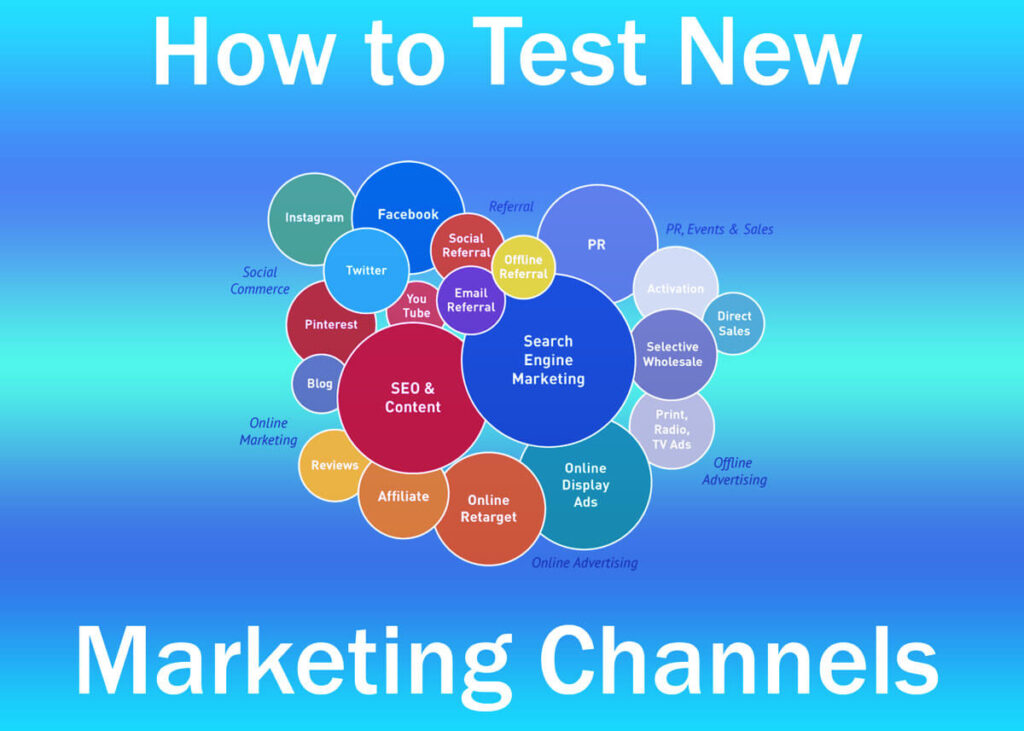
Here’s a summary of the main types to consider:
These categories often overlap on purpose.
For example, good content marketing usually goes hand in hand with strong SEO. It’s rare to be great at one without the other.
Also, sponsored content and social media strategies often overlap.
If you’re already working on organic social media, it’s a good idea to try advertising on those platforms too. This helps you see what your audience likes best.
Usually, you’ll want to invest in advertising after you’ve gotten some attention and seen good results.
Content Marketing
Content marketing is the foundation for many successful marketing strategies.
Create and share valuable content that truly connects with your audience.
This could be articles, guides, videos, newsletters, webinars, and more.
Most marketing strategies rely on high-quality content.
This content then supports channels like social media, email, SEO, and sales.
Select your primary content formats carefully, including email courses, webinars, podcasts, blog posts, or guest posts. Keep to a consistent publishing schedule to sustain your momentum.
Social Media Marketing
Using social media well is important for more than just networking.
It helps build your brand’s credibility, grow an active community, and bring more people to your products or services.
Today, creator-style content like eye-catching graphics and short, engaging videos works especially well to grab attention and encourage people to interact.
To get the most from social media, remember that both direct-response marketing and brand-building can succeed on these platforms.
But to succeed, you need to adjust your content to fit each social platform’s style and culture.
Paid Advertising
Organic reach can pay off, but it usually takes time, patience, and steady effort.
On the other hand, paid advertising lets you reach more people and gather insights much faster.
With paid ads, you’re basically renting attention.
To make the most of it, you need a clear strategy and should keep a close eye on your results to adjust as needed.
To get the best results from paid ads, use a mix of channels like search engine marketing (SEM), shopping ads, sponsored social posts, programmatic ads, sponsorships, and direct response placements.
Each of these can boost your campaign’s visibility if they match your main goals.
Public Relations
Public relations is a powerful tool for creating buzz and establishing strong connections with media, influencers, and your community.
By telling your brand’s story and building these connections, you can draw a lot of attention to your business.
You might use press releases, events, interviews, and sponsorships, either in person or online, as part of your PR strategy.
These are merely some general categories. Concentrate on the platforms most frequented by your target audience, and ensure your presence remains consistent and aligned with your brand.
Step 3: Choose the Channels That Support Your Business Goals
Start by curating a list of channels that could help your business grow.
Before you start, set clear and practical goals.
Different channels have different strengths.
Some are great for driving demand, increasing sales, or keeping customers, while others mainly help raise brand awareness.
Remember, your channel strategy will change as your business goals change.
Look at where you are now and decide what steps you need to take in the next 90 days.
Marketing expert Jay Abraham points out that there are three main ways to grow:
Acquire More Clients – Focus on attracting new customers to broaden your base.
Increase Purchase Frequency – Encourage existing clients to return more often to drive additional sales.
Boost the Average Order Value – Find ways to encourage bigger purchases.
Decide which of these growth areas needs your focus right now.
If you’re starting out, focus on acquiring new customers, building your contact list, and raising brand awareness.
If you already have customers, focus on strategies that help you grow revenue and speed up sales.
For businesses that are already doing well, focus on increasing total revenue and keeping your customers coming back.
This process isn’t a strict formula. It’s a chance to ensure your actions align with your goals.
To avoid wasting time and money, make sure the channels you choose align with your goals.
Examples for Quick Elimination
If you’re looking to boost your brand’s visibility, activities like public relations, social media engagement, and the creation of valuable content often work better than focusing solely on performance-based advertising.
But if you need quick leads or fast sales, focus on paid search, targeted social ads, and content designed to convert.
Also, pay attention to what naturally connects with your audience and fits your products.
For example, if you sell lifestyle products like surfboards or bikes, long blog posts might not be the best way to show their value.
Platforms that prioritize visuals, such as YouTube, Instagram, and TikTok, are likely to drive greater engagement for these products.
This way of thinking helps you quickly narrow down your list to the best options.
Remove any obvious mismatches, and rank the rest by the impact they could have. You don’t need to pick just one best channel yet.
Step 3: Go Where Your Audience Is to Focus the List
Once you have a shortlist, put the channels your audience uses most at the top.
A channel might look promising, but if your target customers aren’t there, you’ll have trouble getting engagement.
At this stage, your goal is to ensure each channel is worth your time before you invest heavily in it.
Instead of looking for a sure thing, run small tests and collect data to guide your next steps.
Unlocking Attention: A Strategic Approach
In today’s fast-changing digital world, grabbing and keeping your audience’s attention is key to successful marketing.
This guide shares practical tactics to help you boost engagement and see real results.
Utilizing SEO Signals
Begin by mastering the fundamentals of search engine optimization (SEO).
Since search engines drive much of web traffic, it’s important to understand how your audience searches and what they prefer.
Begin by researching keywords to find out which searches and phrases are popular in your field.
Tools like Google Keyword Planner let you check search volume, competition, and related keywords. These insights can guide your content strategy.
If your industry has low search volume, consider trying other strategies.
You could use offline marketing, like community events or print ads, or try new online tactics, such as emerging social media platforms.
This approach can help you find what marketers call “whitespace opportunities,” which are areas where demand isn’t being met.
To improve your SEO strategy, use Google Search Console.
This tool lets you see your current traffic patterns and which search queries bring visitors to your site.
By looking at this data, you can adjust your keywords and content to better match what users are interested in.
Analyzing the Competition Research
After setting up your SEO, focus on analyzing your competitors.
Studying your competitors gives you useful insights to improve your strategy.
Look up your main keywords and identify which sites appear on Google’s first page.
Make a list of these competitors and use tools like Semrush or Ahrefs to analyze their performance.
Look closely at their “Traffic Sources” to see if most of their visitors come from search engines.
Since “Direct” traffic often represents loyal visitors, focus on attracting new users through strong SEO and high-quality content.
Look at which organic keywords bring traffic to your competitors, check their social media engagement, and note where their referral traffic comes from.
Make a list of top-performing keywords and come up with even better, more relevant ones.
Also, find out which social media channels your competitors use most.
This will show you where to focus your early marketing efforts and which platforms offer the best chances for engagement.
Exploring Social Media Trends
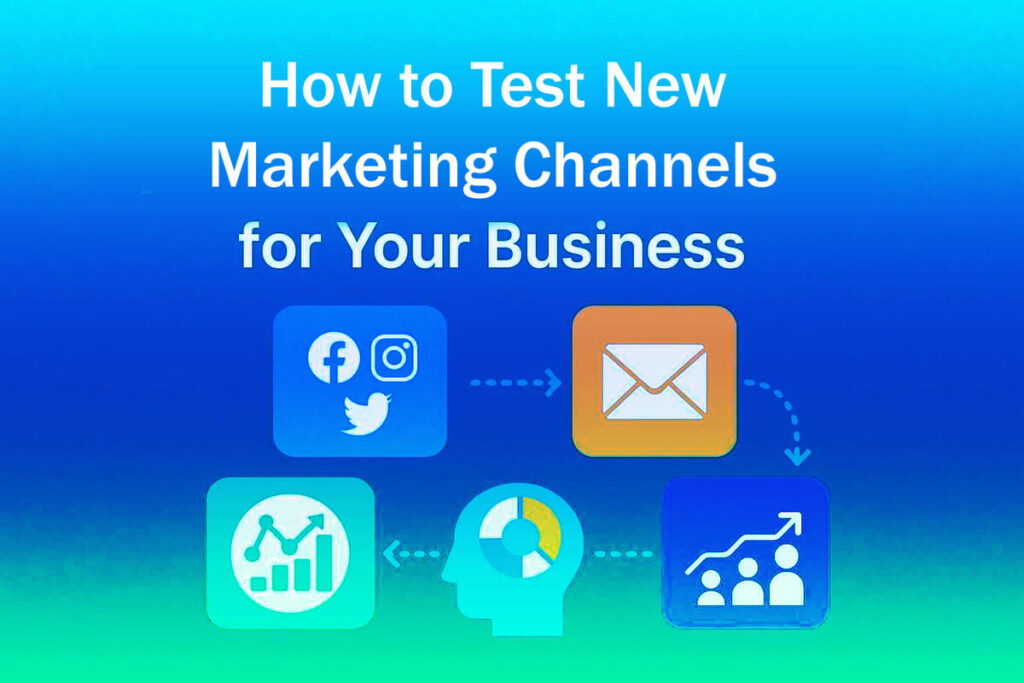
Get more insights by researching social media with tools like BuzzSumo, Hootsuite, and each platform’s own analytics.
Look up your competitors’ websites or topics to find their best content and see which channels get the most shares.
Compare this data with Similarweb analytics to see how different content performs across platforms. Notice how Facebook often stands out for viral content.
Look closely at each social media platform.
Check out trending hashtags, leading organizations, and key influencers who connect with your target audience.
This research will show you what content your audience finds most interesting right now.
In the end, pick two or three strategies that fit well with your main marketing goals.
Making the Right Choice
When choosing your marketing strategy, pick options that fit your resources and are affordable to test at first.
Choose strategies that let you learn quickly so you can see what works.
After you decide, make a clear plan with measurable goals, and start your strategy with confidence.
In Conclusion
Picking the right marketing channel is important and deserves careful thought and planning.
Before you commit fully, make sure you have a solid way to check that your time and money are well spent.
The best approach is to quickly test channels and carefully measure results to protect your return on investment (ROI).
Put your resources into what works, and quickly drop what doesn’t.
Being open to trying new things and adapting will help you succeed in today’s fast-moving market.
Many marketers don’t realize how important it is to keep testing and validating their strategies.
By continually refining your strategies based on real results, you’ll stay ahead of the competition and turn your efforts into tangible success.
12 Powerful Key Insights Eye Tracking Research and Studies
7 Easy Steps: How to Increase Revenue Without New Customers
8 Easy Essentials To Reputation Management for Celebrities
NetReputation Review: Pros and Cons, Easy Overview
13 Ways to Improve Your Calls to Action: Follow Easy Steps