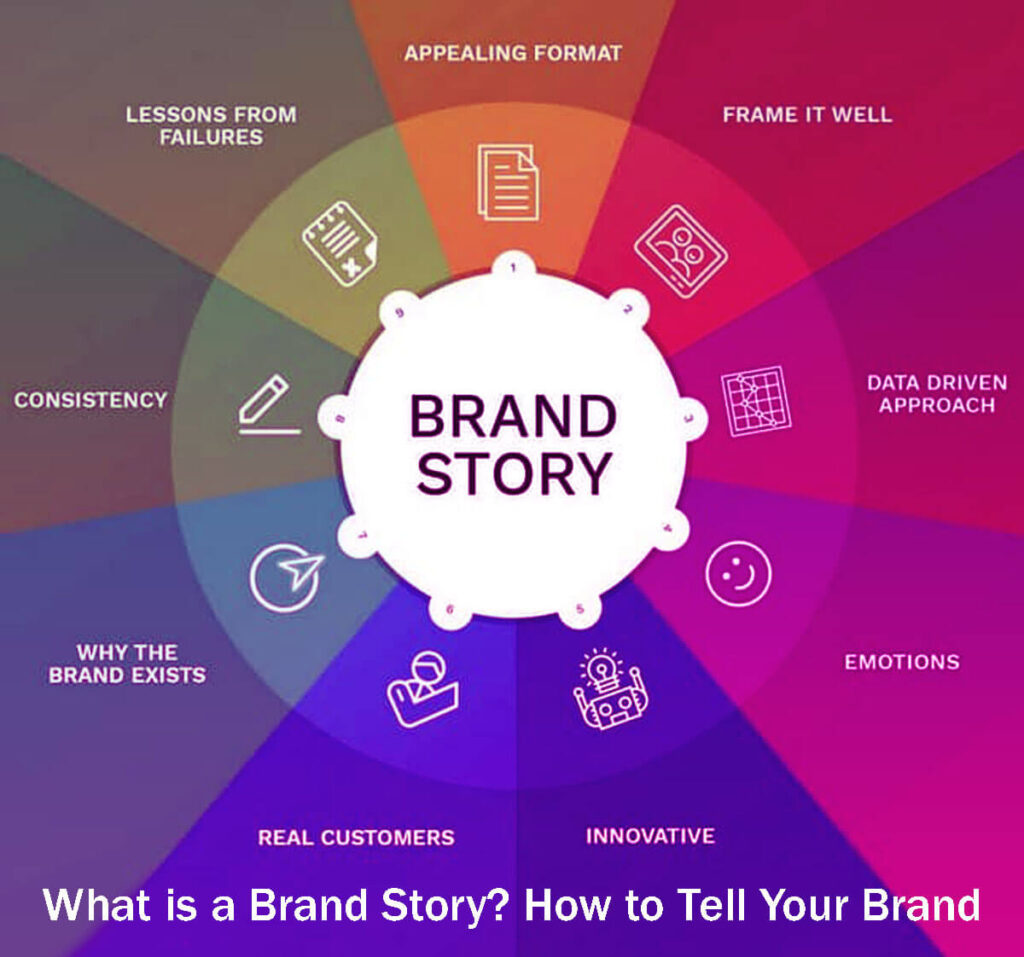





What is a Brand Story? How to Tell Your Brand Story: 12 Easy Steps. You’ll learn about brand storytelling, see real examples, and pick up key steps along the way. We’ll cover how to use storytelling in marketing, build trust, and understand your brand identity.
You’ll also discover how message architecture and customer success stories can strengthen your brand. Plus, get tips on creating a consistent brand voice, building your marketing strategy, and using checklists to help you tell a great story.
Real connections between people are at the heart of every successful business.
Your organization is more than just a business structure; it exists to solve problems for others.
You are here to face challenges, help your customers, and create experiences they truly enjoy.
When you focus on building strong relationships, financial success often follows from positive interactions.
Storytelling is one of the best ways to build and maintain these important relationships.
This timeless approach brings people together, grabs their attention, and works no matter where they are or how big their company is.
For small businesses, strong stories help them stand out in a busy market. That’s why it’s important to develop a clear and consistent way to tell your brand’s story from the beginning.
Storytelling and marketing go hand in hand.
No matter if you’re making an infographic, writing ads for Instagram, Facebook, or LinkedIn, creating a TikTok or YouTube Short, or sharing a helpful guide like this, your main goal is to grab and keep your audience’s attention in a busy world.
Today, we’re all surrounded by a flood of information from every direction, making it feel overwhelming at times.
Marketers are always competing for attention, and brands that don’t stand out often get lost among dull and generic messages.
So how can your brand stand out? The key is storytelling.
This guide will show you why storytelling should lead your brand strategy and give you practical steps to get started.
It’s important to note that storytelling isn’t just empty talk. It’s a practical strategy you can use right away to build stronger connections with your audience.
Ready to see what’s possible? Let’s get started.
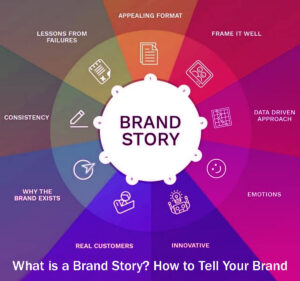
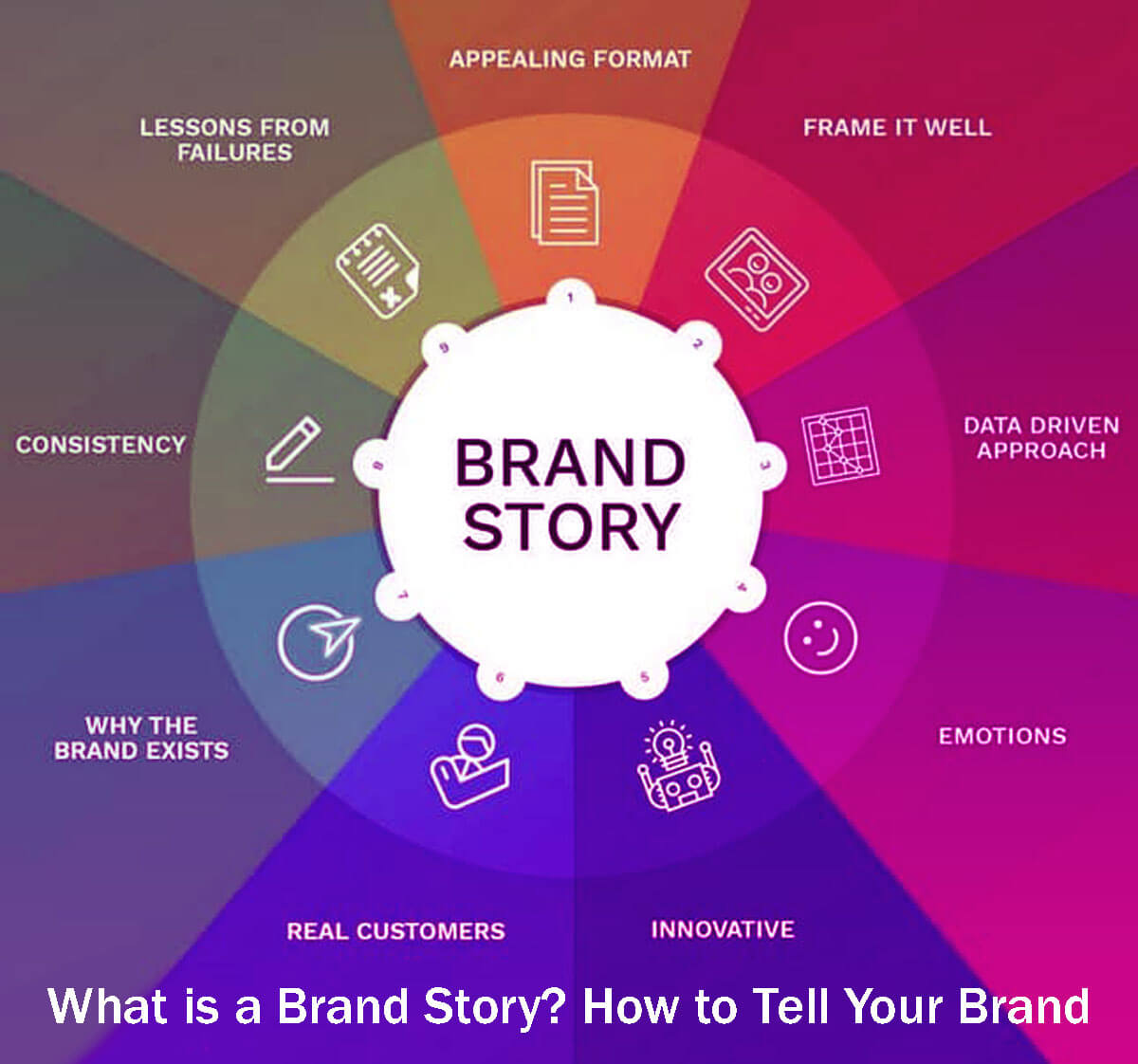
What is a Brand Story? How to Tell Your Brand Story: 12 Easy Steps
What is Brand Storytelling?
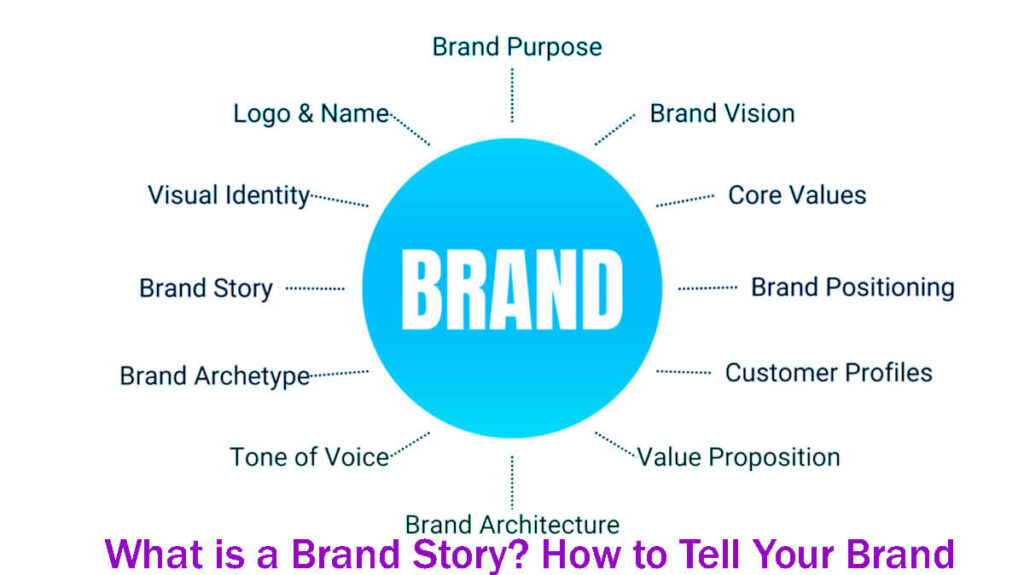
Brand storytelling includes several key parts that together shape your message and give it purpose:
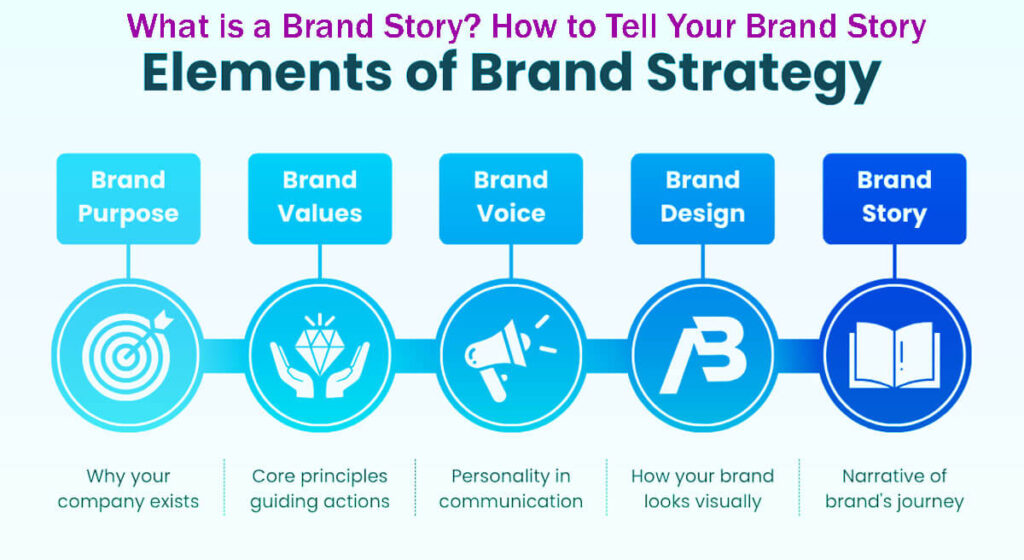
Foundation of Purpose: This is the reason your company exists and the main problems it aims to solve. It’s the base of your brand.
Passion and Motivation: This shows what drives your team every day and highlights your shared commitment to your brand’s mission and goals.
Product Journey: This tells the story of how your product or service came to be, the challenges you faced, and what makes it unique.
Customer Insight: This explains who benefits most from your offerings and how your solutions help them, fostering understanding and empathy.
Behind-the-Scenes Access: This gives people a real look inside your company and shows the people who make your mission possible, making your brand feel more human.
Trust Building: Storytelling helps you build trust and strong relationships, leading to loyal customers who share your brand’s values.
Integrated Messaging: Storytelling is more than just a catchy slogan. It should be part of everything you communicate, creating a consistent message across the board.
Foundational Concept: Storytelling shapes your whole online image and affects every part of your marketing, not just one page.
Collective Engagement: Everyone in your company should be involved in storytelling, not just the marketing team. A unified approach is key.
Identity and Values: Storytelling provides a clear view of your brand’s identity and values, guiding your choices and interactions with customers.
Clarity and Accessibility: Your story should be simple, honest, and easy for people to understand so that they can connect with your message.
It’s also important to know what brand storytelling is not:
Lengthy Essays: It’s not a long, complicated essay that only talks about your company without offering value to your audience.
Limited Formats: Storytelling isn’t just for blog posts or your “About” page. It should be part of all your content.
Isolated component: Storytelling should not be viewed as a separate element in your marketing strategies. Instead, it needs to be smoothly integrated into every part of your activities.
Inconsistent Portrayal: Your brand story should always be consistent. Consistency builds trust.
Marketing-Exclusive: Storytelling isn’t just for marketing. Insights from across your company can enrich your story.
Fleeting Stunts: Storytelling isn’t about quick PR stunts. It’s about making a lasting impact.
Viral Without Context: It’s not just about making a viral video. Your story needs to be thoughtful and make sense.
Manipulative: Storytelling should never be used to trick people. Honest stories build trust.
Boring or Jargon-Laden: Avoid making your story dull or full of jargon. Focus on being clear and engaging.
Artistic for Arts’ Sake: Storytelling isn’t just about being creative for its own sake. It should have a clear purpose and connect with your audience.
By better understanding brand storytelling, you can use it as a powerful way to connect with your audience and improve your marketing.
Many people think brand storytelling is just about telling your company’s story.
But real brand storytelling is about your customers and the value they get from your brand.
The best brand stories make your customers the heroes and show your company as the helpful guide, offering solutions and advice along the way.
Focusing on your customers is key to building a brand strategy that truly connects with people.
Even though brand storytelling matters, many teams struggle to put it into practice.
Teams often feel pressure to get the message just right and determine who should handle storytelling in the company.
For example, they might wonder whether they need an expert or whether storytelling falls under the corporate communications team.
People in technical roles might worry about whether they’ll get to share their perspective in the storytelling process.
Try not to overthink it. Storytelling comes naturally to most people, even if they don’t always notice how powerful it can be.
Still, creating good online content isn’t always easy. Sometimes stories lose their impact or don’t feel personal, which is important for building your brand.
When that happens, your brand’s story can feel less real and lose its meaning.
If you’re having trouble explaining your brand’s purpose, remember that your customers can tell your story best.
Share recent customer stories on platforms like LinkedIn, YouTube Shorts, and TikTok.
You can also add these stories to your product itself. Each story should show a customer’s challenge, the moment your product made a difference, and the real results, like saving time, making more money, or cutting costs.
Always get permission and include any needed disclosures before sharing these stories.
This trend isn’t limited to startups; large companies also share customer success stories on platforms like LinkedIn, YouTube, and their own podcasts.
You can turn these stories into short quotes or highlights for sales, onboarding, and customer support.
Brand storytelling is more than just writing. It’s at the heart of how you communicate and show your values.
Your stories and values should come through in everything you write, every customer service chat, every sales talk, and every product demo.
You might be wondering what good brand storytelling looks like in real life.
Writing great web copy and ads can feel tough. Here’s a simple guide to help you get started:
Forget About Marketing: How You View Marketing
To create strong marketing, you need to stop focusing only on selling.
Focus on building real human interest instead.
Ask yourself why someone should care about your message right now.
You want to persuade, but do it by showing empathy and connecting emotionally.
Avoid bland language that hides the real people behind your company.
Go beyond just showing your products. Share insights, lessons, challenges, and experiences that helped you grow.
Be part of the storytelling process. As you gather customer stories and case studies, think about sharing your own experiences with your partners and tools. Just make sure you have the right permissions and disclosures in place.
Use a Conversational Tone
Being authentic is crucial in brand storytelling. If you sound too formal or stiff, people may not trust you.
People can spot insincerity, whether it’s from cheesy stock photos or big claims with no proof.
Be real and relatable. Write like you’re chatting with a smart friend over coffee, not giving a boring lecture.
Don’t talk down to your audience or ignore their intelligence, or they’ll tune out.
Don’t worry about perfect grammar in your first draft. Focus on getting your main message across.
You can polish your writing later, either by editing yourself or hiring a copy editor. For now, make sure your ideas are clear.
Writing in a conversational style means being concise. Say what you mean, then trim it down.
Long, complicated stories can overwhelm readers and hide your main point. Always choose clarity over cleverness.
When you build a great product and share your ideas openly, people will see your skills and the value you offer.
Develop Your Message Architecture Carefully
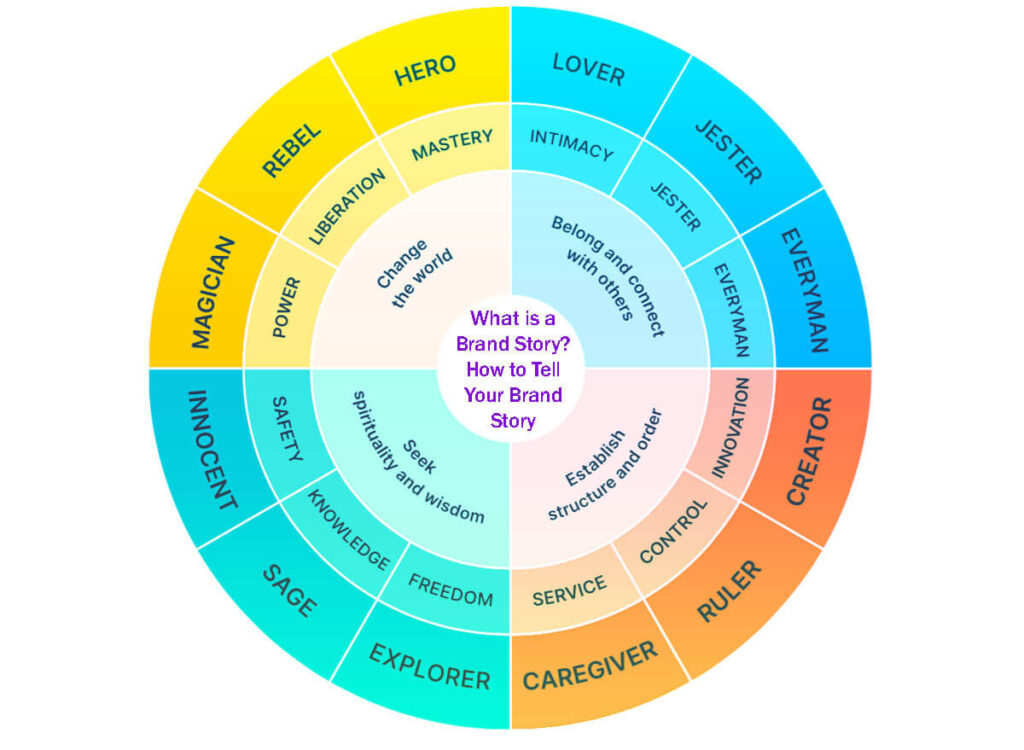
Brand storytelling is more than just making content. It’s about how you share your message, the way you use language, and the steady voice that shapes your brand.
To truly connect with your audience, look to top content creators who clearly define their brand’s voice, tone, and style.
Make sure these elements match across all teams and channels, so your message really connects with your audience.
Your message architecture should come from careful planning, not by accident.
Building a clear, unified brand position takes thoughtful planning and organization.
Strong stories don’t happen by chance. They need a solid framework to keep their message clear and consistent.
That’s why a well-structured message architecture matters. It helps everyone—writers, designers, customer service, and sales—work together smoothly.
To see this framework clearly, try making a simple one-page table with tools like Miro, FigJam, or Notion.
Put the most important elements at the top of your table and mark the less essential ones.
Key parts might be sample phrases that show your brand’s voice, words to avoid, tone guidelines for consistency, and proof points to back up your claims.
Set up your message architecture before you start building your brand persona.
Information architect Margot Bloomstein describes message architecture as a way to turn unclear goals into clear, actionable ideas with the right context and priorities.
Your message architecture can include several key parts:
Audience Promise: A clear statement that addresses what your audience wants and needs.
Value Pillars: The main principles that show what your brand stands for and what makes it special.
Proof Library: A collection of evidence, like testimonials, data, or case studies that support your claims.
Tone Guidelines: Clear rules on what to include and what to avoid to keep your communication consistent.
Illustrative Examples: Real examples of how to use product microcopy to improve the user experience.
After you draft your message architecture, it’s important to use these choices in all your materials.
Think about where your brand voice will appear, including help articles, onboarding emails, sales materials, and product interfaces.
This approach keeps your brand story consistent, no matter who creates each piece.
Choosing the right words for your message architecture is key.
Brand strategists often use a card-sorting exercise, which works well even for remote teams:
Keyword Compilation: Begin by gathering a list of keywords and phrases your customers actually use when talking about your brand.
You can find this information in customer interviews, online reviews, sales rep chats, community forums, and team brainstorming sessions.
Digital Card Creation: Create a digital card for each keyword or phrase using tools such as Miro, FigJam, or OptimalSort.
Collaborative Sorting: As a group, sort the cards into two groups: “fits us” and “doesn’t fit us.” Talk through any unclear cases to make sure everyone agrees.
Prioritization of Cards: Once sorted, rank the cards by importance. Write short, clear statements that sum up the top ideas for your messaging.
Final Assembly: Put together your message architecture with a clear list of top attributes, example dos and don’ts, sample phrases, and links to helpful resources.
Involve your customers in this process whenever you can.
Do case-study interviews, pay attention to the exact words customers use, and review support tickets and product feedback.
This careful work will reveal patterns that can guide and inspire your messaging strategy.
Let your customers help shape your brand voice. Their insights should guide the story you tell.
Integrate Your On-site and Off-site Presence
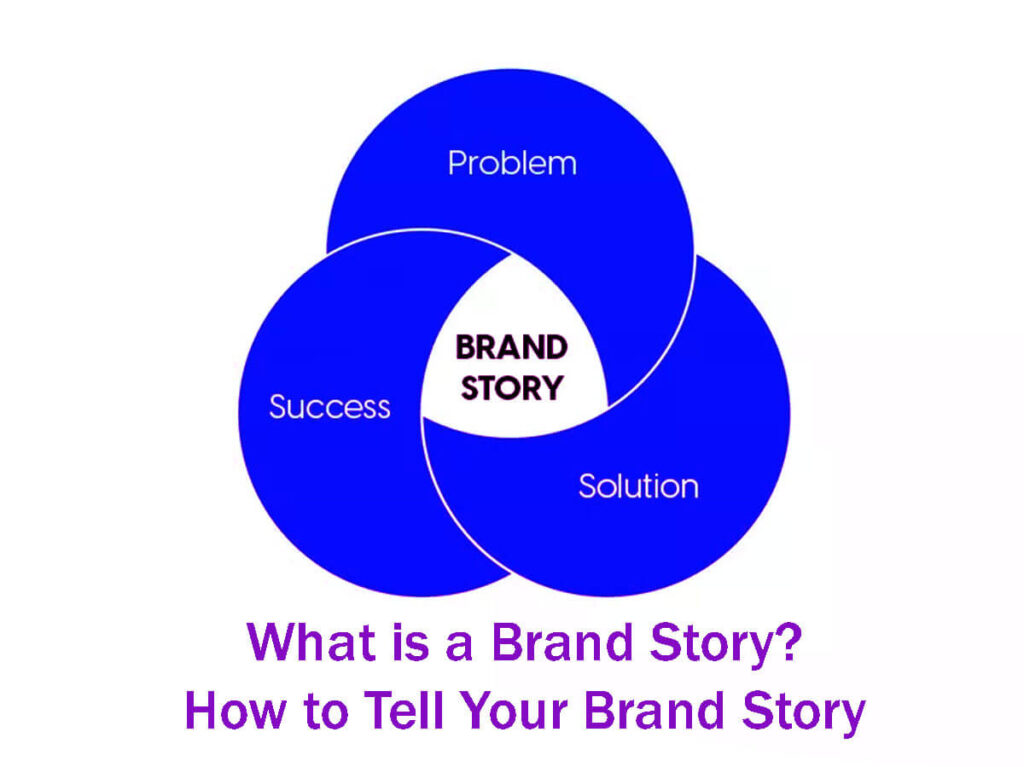
To build a strong bond with your audience, keep your story, message architecture, and brand identity consistent throughout.
This means being consistent across your website, product, sales presentations, customer support, community spaces, and PR.
Make sure your audience always sees a brand identity that feels real, open, and easy to recognize.
This kind of consistency builds trust and helps you connect with your audience, which boosts loyalty and your brand’s reputation.
Choose Your Words Carefully
Language is powerful. It shares information, shapes how people see things, and affects how they feel.
Good communication depends on matching your tone, voice, and formality to what your audience expects and prefers.
Being flexible in your approach helps you connect better with your audience and leads to more successful conversations.
Choosing the Correct Approach
To find the best way to communicate with your audience, start by researching them carefully.
You can conduct this research through interviews, surveys, focus groups, or by closely examining real conversations in support chats, sales calls, and community forums.
Using this information helps you make choices that align with your audience’s wants and needs.
If your audience is mostly Gen Z or Gen Alpha, try using a relaxed style with lots of visuals.
Generally involves collaborating with content creators to produce videos and other media that appeal to them, rather than relying on formal writing.
For traditional B2B buyers, use a bit more formal language while keeping your message clear and easy to understand.
Voice, tone, and style can sometimes seem unclear or hard to define.
To make these ideas clearer, create a simple style guide with clear definitions and examples.
Using a Style Guide Template
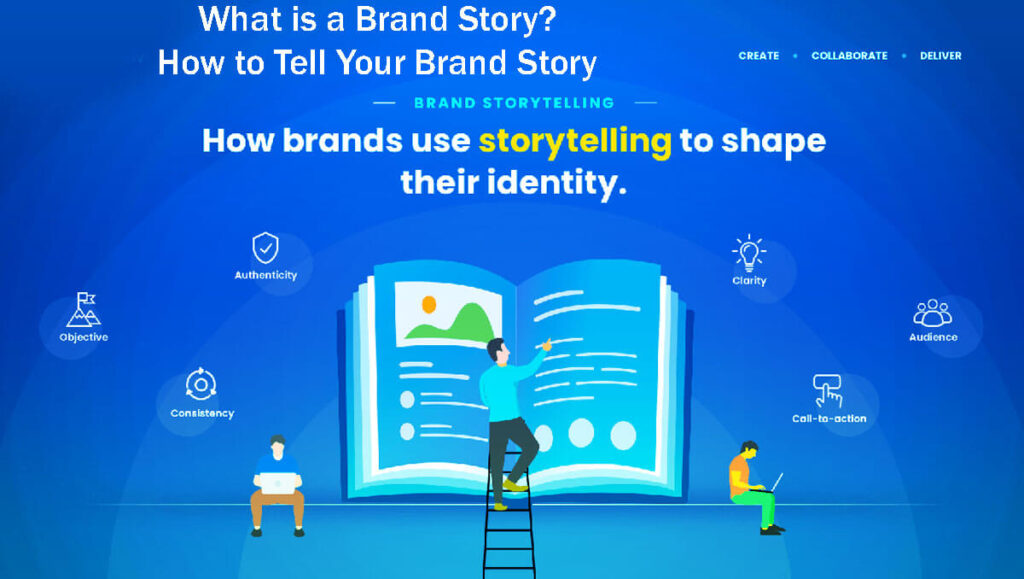
Use this template to help your teams stay consistent:
Website Goal: Clearly define what you want visitors to achieve, understand, or feel as they navigate this page or section.
Is it to educate them, drive engagement, or encourage a specific action?
Audience: Clearly define your content’s intended readership. Consider their circumstances, needs, challenges, and motivations.
Core Concepts to Reinforce: Decide what main ideas and feelings you want readers to remember after they read your content.
What emotional response do you aim to evoke?
Tone: Think about what emotions you want your words to create. For example, you might want to sound reassuring, energetic, honest, or inspiring.
Perspective: Choose whether to write in first, second, or third person. Decide who is speaking and how they relate to the audience.
Voice: Decide how casual or formal your writing should be.
Provide example phrases and list any words to avoid to ensure your message is clear and welcoming.
These principles should extend beyond written communication alone.
Use your style guide for all types of content, like infographics, product copy, videos, ebooks, podcasts, social media posts, and community guidelines.
Remember, writing is only one way to reach people. Keep your voice and message consistent across all channels to build trust and recognition.
Create a Customer Story Pipeline
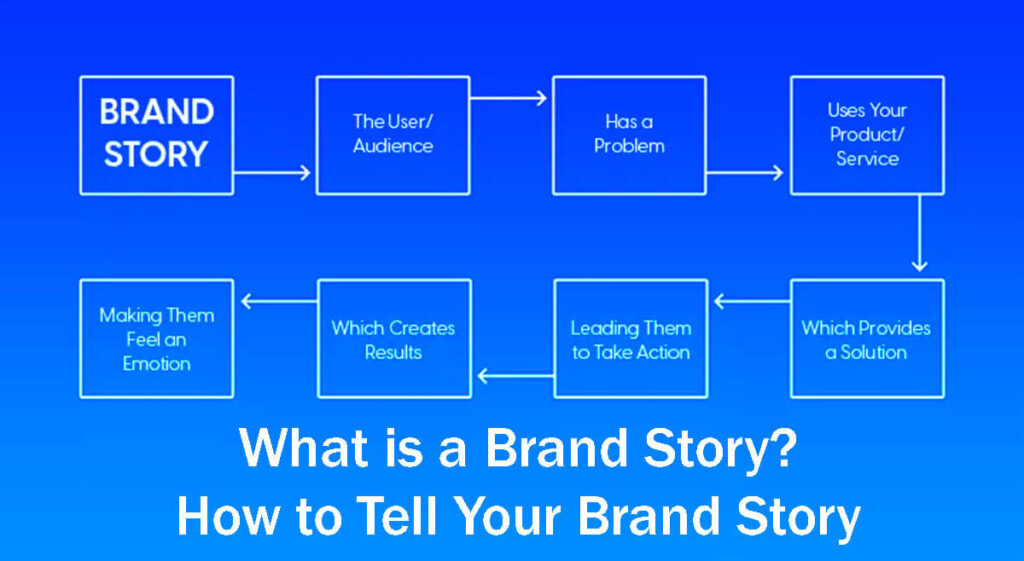
Don’t wait for great customer stories to appear on their own. Establish a clear process for finding and collecting them.
Identify key moments of value throughout the customer journey.
May include successful onboarding experiences, first wins, significant renewals, or notable feature adoptions.
These moments are great chances to tell stories that will connect with future clients.
Create an easy, opt-in way for customers to share interviews and testimonials.
Integrate this process into your app, emails, or surveys, ensuring you include clear consent options and strictly adhere to FTC-compliant disclosures regarding the use of customer stories.
Give people different ways to share their stories, so everyone can choose what feels right for them.
Options might include quick quotes, short videos, or thoroughly structured case studies.
Help customers share their experiences however is easiest for them.
Collect real proof of success, like metrics, timelines, before-and-after examples, and screenshots that show the customer experience. Always make sure you have permission to use these materials.
After collecting and publishing these stories, create a feedback loop by sharing the finished pieces with the participants and your sales team.
Shows customers you value their input and gives your sales team real examples to use when reaching out to others.
Measure and Improve Through Data Analysis

Treat storytelling like product development: launch your stories, measure how they do, and keep improving them.
Use GA4 (Google Analytics 4) to track key engagement metrics, including event-based analytics, engaged sessions, content groups, and page clicks that drive sales.
Don’t just look at surface-level metrics like scroll depth. Focus on actions that show genuine interest, such as demo requests or trial sign-ups.
Keep your attribution strong by using clean UTMs, making the most of CRM fields, setting up server-side tagging, and using Consent Mode v2.
Think carefully about how you track conversions. Ask users questions like “How did you first hear about us?” to get useful feedback about their journey.
Pay attention to the words people use when they talk to your brand.
Notice which phrases your audience repeats to your sales team. Keep the words that connect with them and drop any that might confuse people.
Run A/B tests on important parts like headlines, main stories, and proof points. Change only one thing at a time so you get clear results.
For larger questions that require more data, consider uplift testing or Marketing Mix Modelling (MMM), if it fits your needs.
Avoid Common Mistakes
Be aware of common mistakes that can damage your communication.
Jargon Overload: If people outside your field don’t understand your message, it’s a sign you need to use simpler language.
Feature Dumping: Start by showing results and proof, then explain how your features help achieve them. Don’t overwhelm your audience with technical details right away.
Inconsistency: Keep good records of every decision you make in your style guide.
Review your main materials at least every few months to ensure your message and look remain consistent.
Stock-Photo Syndrome: Use real people, actual user screenshots, and proven results in your visuals instead of generic stock photos.
Being authentic builds trust and helps your audience relate to your brand.
Non-Compliant Testimonials: It is crucial to obtain explicit permission from individuals before featuring their testimonials in any marketing or promotional material.
Also, never make claims without proof. Back up everything you say to keep your credibility and trust.
It’s also essential to ensure that any testimonials provided adhere to Federal Trade Commission (FTC) guidelines, which require clear disclosures about the nature of the relationship with the person giving the testimonial, as well as any potential incentives they may have received for their endorsement.
One-and-Done: Remember, stories, data, and examples in your content won’t stay fresh forever.
To keep your content useful and relevant, set up a regular schedule to update and refresh it.
Might mean updating case studies, adding new stats, or sharing new stories that match what your audience cares about now.
Doing this will make your content more valuable and keep your audience interested and informed.
Brand Storytelling Checklist
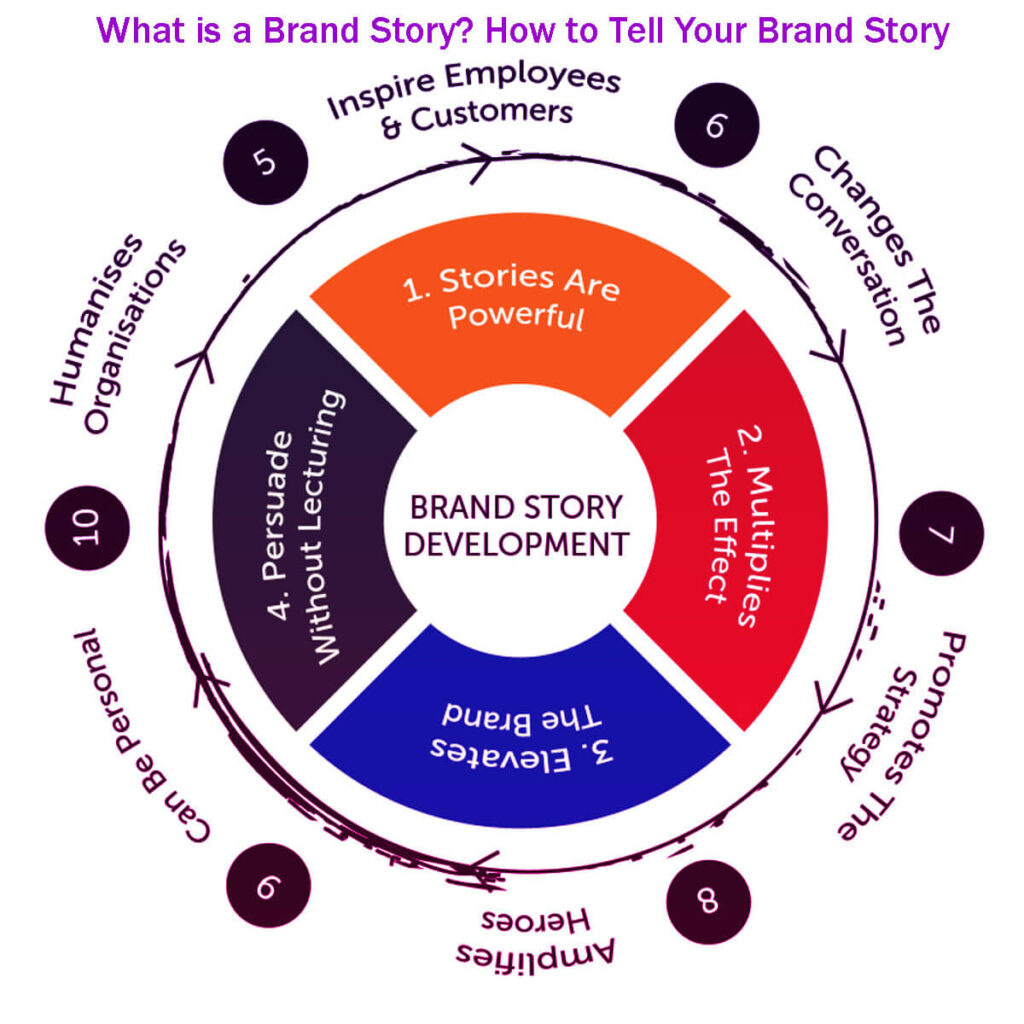
Telling your brand’s story well means blending good storytelling with smart marketing.
Use this checklist to help craft a compelling brand story that engages your audience and encourages their participation.
Define the Essential Elements
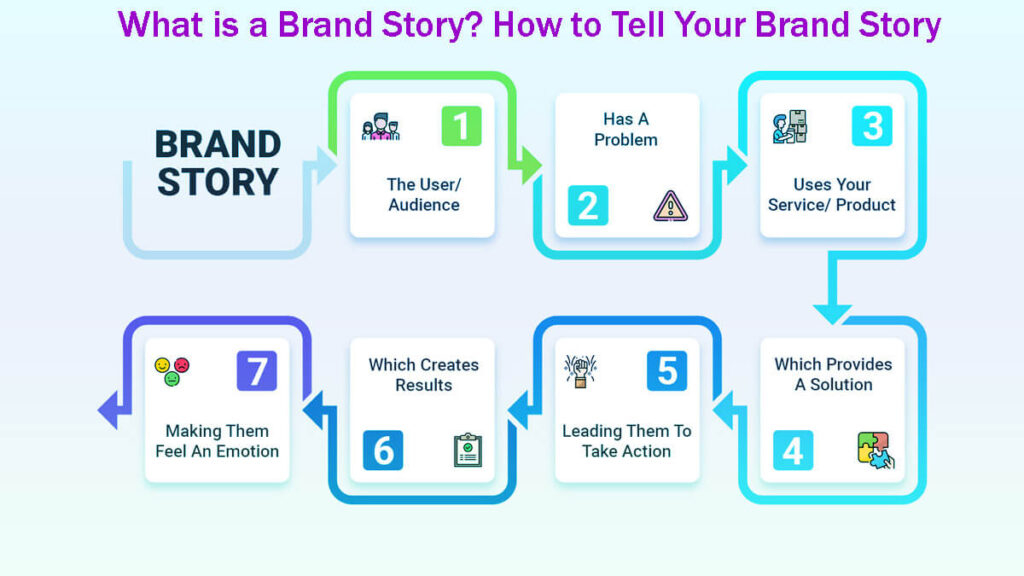
Identify the Hero:
Start by figuring out who the hero of your story is. This hero should reflect your ideal customer—your ideal customer’s goals, dreams, and struggles.
Take time to really understand their experiences and feelings. These insights will shape your story.
Establish Your Brand as the Guide:
Show your brand as more than just a business. Be the reliable guide in your customer’s journey by showing empathy, expertise, and trust.
Share testimonials, success stories, or examples that highlight how your brand supports customers through their challenges.
Pinpoint the Conflict or Challenge:
Find the main problem or challenge your hero faces. It might be a specific issue, a goal, or something they’re missing.
When you clearly describe this struggle, you show customers you understand them and build a stronger connection with them.
Formulate the Resolution:
Describe the positive change that happens when your customer connects with your brand.
Show how your product or service helps the hero overcome their challenge or meet their needs.
Make this transformation inspiring by showing the real value and impact your brand provides.
Create a One-Page Message Architecture
Create a simple visual document that summarises your brand’s main message.
Highlight the main qualities, values, and tone that define your brand and support your story.
Add sample phrases and taglines that connect with your audience. Also, make a list of words or phrases to avoid to keep your message strong.
Doing this helps you communicate about your brand clearly and consistently.
Create a Three-Store Proof Set
Compelling Quote:
Write a short, powerful quote that sums up your brand story.
Make sure this quote connects with your audience and captures your main message.
Three-Paragraph Case Study:
Create a case study that shows how your brand helped a customer solve a real problem.
Briefly explain the challenge, what you did, and the positive results for the customer.
Captivating 60-Second Video:
Create a short, eye-catching video that clearly tells your brand story.
Make sure you have the right permissions and disclosures, and clearly show the customer’s journey and how your brand helps.
Align Your Touchpoints
Review your customer journey and make sure every touchpoint, like your homepage, pricing page, emails, and product descriptions, tells a consistent story.
Keeping everything aligned helps create a smooth experience and reinforces your brand story at every step.
Implement Essential Measurement Tools
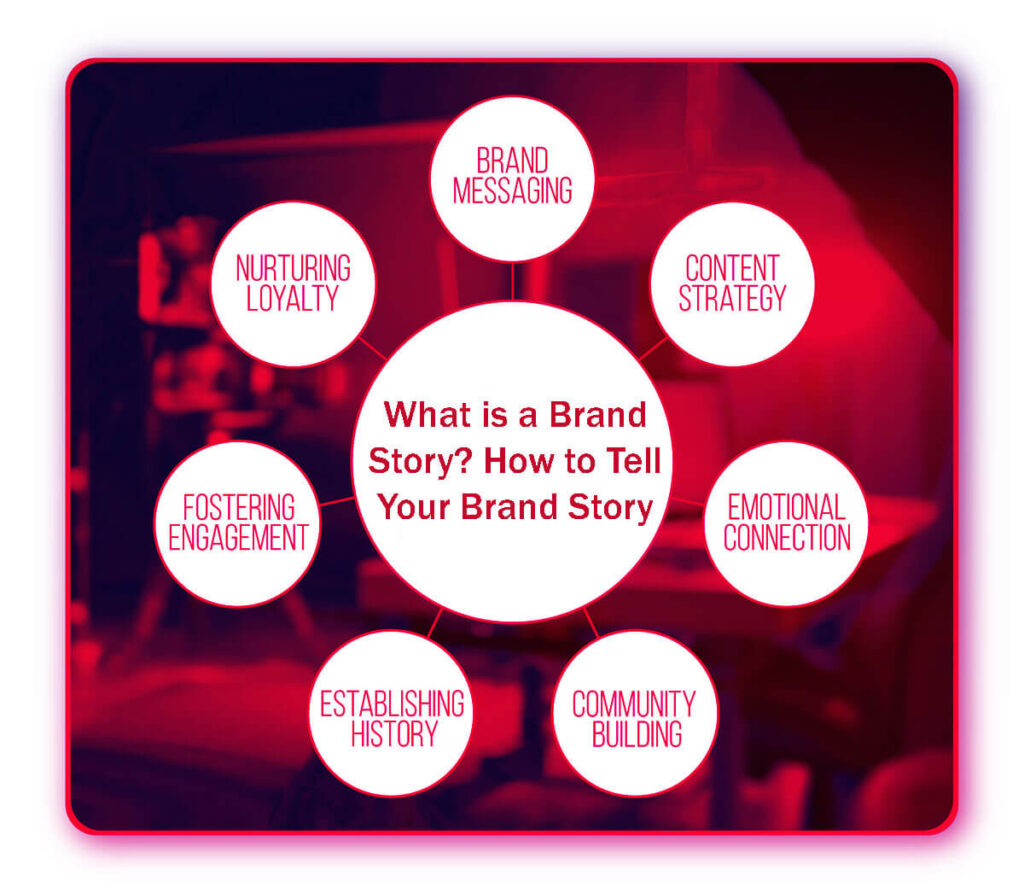
Use analytics tools like GA4 events and server-side tagging to track how people interact with your key storytelling content.
Check regularly to see how your stories are affecting your sales pipeline.
Be ready to update your storytelling each month based on what you learn from your data. Will strengthen your messaging.
When Everything Else Fails, Hire Someone to Assist You
Keep in mind that building a great brand story can take time and effort.
That’s why many businesses work with agencies that are experts at finding and telling brand stories.
Brand experts know how to build and market stories that grab attention and foster strong emotional connections with your audience.
They take time to understand your mission, values, customers, and competitors to find what makes your brand unique. Helps them create a real story that connects with your audience.
Great agencies combine creativity with detailed analysis, staying current on market trends and prioritizing what your audience prefers.
They turn this analysis into clear, visual language that connects with your target market right away.
These professionals also ensure your story is told the same way everywhere—on your website, social media, packaging, sales, and ads—so your customers always have a consistent experience.
Working with experts can speed up your storytelling process, so you can focus on running and growing your business without extra hassle.
Key Insights
Building real connections is key to good marketing. Telling your brand’s story helps you form a stronger bond with your audience.
When you use storytelling, your brand develops a strong voice that speaks to businesses of all sizes.
Remember, storytelling works in many ways. Share your story through blog posts, help articles, about pages, videos, social media, community chats, and product descriptions.
Make your story clear and consistent so it helps you connect with people on your platform and through PR, community events, and outreach.
Keep in mind, your story is more than words. It’s about how you connect and build relationships with your audience in every interaction.
Use practical tools like remote card sorting, message architecture, and style guides to turn big storytelling ideas into real, useful strategies.
See brand storytelling as a team effort. Bring in people from sales, engineering, product, leadership, and even new team members to help shape your story.
Let your customers be part of how your story evolves.
Regularly look at customer feedback from interviews, reviews, and support chats to spot common themes. Helps your message stay relevant to their needs.
How To Improve SEO Rankings: Boost SEO Performance in 15 Easy Steps
15 Best Call Centre Software for Your Business: Compare Prices & Top Sellers
Review Your Products, Get Customers, and Generate Social Proof in 10 Easy Steps
12 Best Telemarketing Services for Your Business: An Effective Marketing Tool
Free Keyword Research Tool: Google Keyword Planner and Analysis in 8 Easy Steps