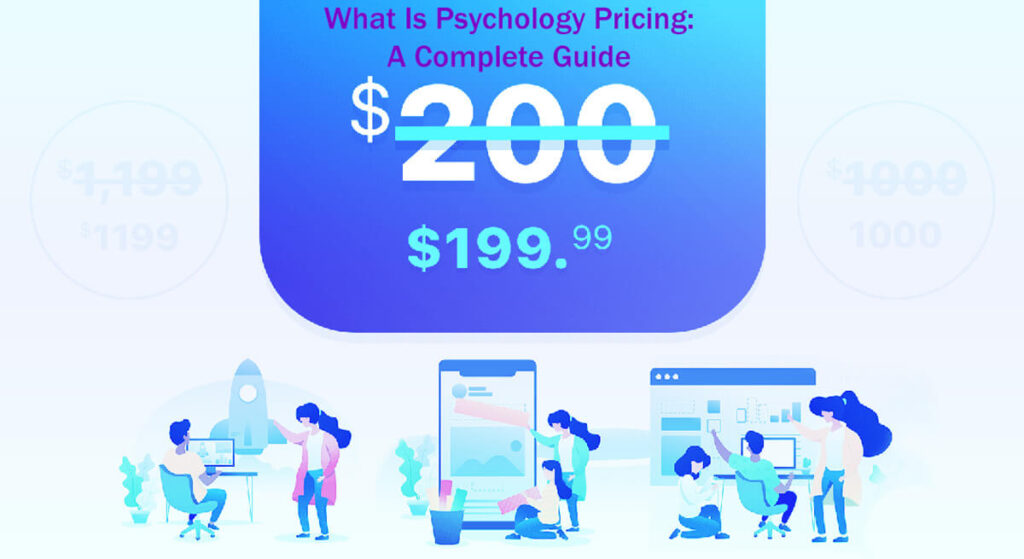





What Is Psychology Pricing: A Complete Guide in 8 Easy Steps. In this guide, you’ll learn about psychology pricing strategies, see real-life examples, find out what psychological pricing means, and discover how it’s used in marketing.
We’ll also cover different methods and tactics. Whether you’re just starting or want to learn more, this guide will support you throughout the process.
When you manage a company or lead a marketing
The main goal is to increase profits while keeping expenses as low as possible.
Achieving this usually means working closely with a finance leader who sets the company’s growth targets.
However, reaching these goals often starts not with spreadsheets or budgets, but with understanding how customers think and make decisions.
Many business executives see pricing as simple and based mostly on practical factors.
They usually set prices that cover their costs, making sure the business can keep running and everyone gets paid.
But it’s important to remember that a business’s success depends more on how customers see and choose your product than on your own calculations.
This understanding pushes companies to keep competing in a fast-changing market.
One thing people often miss about pricing is how much buyer psychology matters.
Pricing isn’t just about profit margins. It’s also a strong marketing tool that can speed up buying decisions and boost sales.
Instead of just covering costs, good pricing should make customers feel confident and encourage them to buy.
What Is Psychology Pricing: A Complete Guide in 8 Easy Steps
Emphasizing ROI and Value Over Cost
To get your audience’s attention, start by showing them the benefits or savings they’ll get, not just what they’ll spend.
As a marketer, you understand that costs and outcomes are interconnected.
Instead of concentrating only on the lowest price, show customers that your product or service delivers clear, measurable results.
A good example of this idea is Bidsketch, a company that offers proposal templates for agencies and freelancers.
Their software lets users create professional proposals in minutes, saving hours or even days.
Bidsketch’s main message is about Return on Investment (ROI), highlighting both the time and money saved by creating proposals more efficiently.
This focus on results connects with buyers, especially business owners who know that time can be even more valuable than money.
One customer shared that they cut their proposal prep time from three hours to just 45 minutes.
Bidsketch markets its product as a way to cut proposal time in half, using clear language that focuses on real benefits.
So far, Bidsketch users have made over $2 billion through the platform, showing how well it helps them win more business faster.
This impressive result highlights the value Bidsketch offers.
The Cost-Benefit Analysis
At this point, you might ask: How much does this valuable tool cost?
Bidsketch’s website clearly explains its benefits and value, and the starting price is just $29 per month, which is surprisingly low considering the possible returns.
A smart business owner will likely weigh the costs and benefits before deciding to invest.
If it usually takes three hours to finish a proposal, a business owner can figure out their hourly rate.
For example, if the hourly rate is $100, Bidsketch cuts labor costs from $300 to $150 and reduces proposal time from 3 hours to 1.5 hours.
Means each proposal is worth $121 more because of the tool’s efficiency.
So, is paying $29 a month a smart investment?
The answer is definitely yes. It’s an easy choice when you look at the savings and efficiency you get.
Subjective Nature of Cost
Here, cost is more about perception. Before talking about price details, it’s better to focus on ROI.
When you clearly explain the real results, your price feels lower because of the value you provide.
Imagine if Bidsketch used a different marketing approach that focused on cost instead of value.
If the focus is only on price, customers might miss out on seeing the real benefits the product offers.
“Miller Time” and the Value of Time
A classic example of a strong marketing strategy is the slogan “Miller Time” from a famous beer brand.
At first, it might seem odd to promote “time” instead of “price,” but research shows that focusing on time’s value can be very effective.
When businesses talk about saving time, they connect better with customers who want to be efficient and avoid wasting time.
In short, knowing how pricing affects people and focusing on ROI and value can change how customers see your product and influence their buying decisions.
When you highlight the benefits and efficiency of your product, you make your price more attractive and help build customer satisfaction and loyalty.
By focusing on time in consumer behavior, we can create a more positive outlook and achieve higher purchase rates.
Happens because when people have experiences with products, they form stronger emotional connections and build lasting relationships with brands.
Jennifer Aaker, a marketing professor at Stanford, explores how time and consumer engagement are connected.
A key question is why focusing on the experience of using a product, especially the time spent with it, has a bigger impact than just talking about its price.
Aaker noticed that time is often a main focus in ads. In fact, almost half of the ads she studied highlight time, showing that marketers see how important it is to consumers.
Until recently, there was little research to support these ideas.
But Aaker and her co-author, Cassie Mogilner, set up an experiment at a lemonade stand run by two six-year-olds.
This creative setup made their research feel more real and relatable.
They tested three different signs and let customers choose to pay between $1 and $3 for the lemonade. Each sign had a different message:
1. Please enjoy C&D’s lemonade for a brief period.
2. Spend some money and enjoy C&D’s lemonade.
3. “Enjoy C&D’s lemonade” (a neutral, straightforward approach).
The results of their experiment were impressive.
The sign that focused on the experience and time brought in almost twice as many customers, who also paid about twice as much as those who saw the other signs.
The researchers explained their findings clearly.
People feel a closer and more personal connection to time than to money.
As Mogilner eloquently expressed, “time is ultimately a more limited resource—once it’s gone, it’s gone—and therefore holds greater significance for us.”
Also, how people spend their time can say more about their personalities than how they spend their money.
To back up their findings, they conducted another study examining how people felt about attending a free concert.
In this case, the main cost was the time people spent waiting in line for a good seat.
Participants were asked two questions:
1. “How long will it take you to witness today’s concert?”
2. “How much will it cost you to attend today’s concert?”
They found that just asking about time made people feel more positive about the concert, even though time was the only thing they spent.
People who waited longer, and so paid more in time, later said they were more satisfied.
Aaker succinctly summarized this phenomenon, stating, “Even though waiting might seem unpleasant, it somehow encouraged people to focus on the overall experience.”
The main lesson for marketers is to focus on the meaningful experiences products offer, not just their price.
Whenever possible, marketers should aim to “sell the experience of time” instead of just the price.
However, there is an important exception to this idea, especially with luxury items.
Prestige goods like custom clothing or luxury cars show that the appeal of status can sometimes matter more than time.
As Mogilner notes, “with such ‘prestige’ purchases, consumers feel that owning these products reflects important aspects of their identities, leading to greater satisfaction with possession than with the time spent engaging with them.”
To sum up, businesses should remember that time is a valuable resource for consumers when pricing their products.
Often, highlighting the time saved and the benefits of using a product is more appealing than just offering a big discount.
By understanding the value of time to people, marketers can develop stronger relationships, enhance loyalty, and drive sales.
Be Cautious of Comparative Pricing
Watch Out for the Pitfalls of Comparing Prices
Imagine walking into a pharmacy, looking for Ibuprofen to help with a headache.
You notice two choices on the shelf: a generic brand that costs 30% less than the popular name brand.
Saving money right away sounds tempting, doesn’t it?
But before deciding, it helps to think about how price comparisons can be more complicated than they seem.
Comparing prices might seem like an easy way to decide, but it’s actually more complicated.
Marketing expert Itamar Simonson found that people don’t always pick the cheapest option.
Many shoppers actually prefer brands they see as more reliable or higher quality, even if that means paying more.
Sometimes, comparing prices can overwhelm buyers to the point that they decide not to buy anything.
A Stanford University study examined price comparisons and found that encouraging people to compare prices can have surprising effects.
The researchers identified two types of comparisons: implicit and explicit.
Implicit comparisons happen naturally when people look at options on their own, without being prompted.
Marketers create explicit comparisons by using ads to compare products directly.
To study this further, Simonson and his colleague Eesha Dholakia conducted two experiments on eBay CD auctions.
They chose several popular albums, such as Pink Floyd’s “The Wall,” and set the starting bid at $1.99 per album.
They changed the auction setup to show price comparisons in different ways.
In one version, the $1.99 CD was placed next to two identical $0.99 CDs.
In another setup, the same CD was displayed next to two copies priced at $6.99 each.
The results were clear: CDs next to the $0.99 bids sold for much less than those next to the $6.99 ones.
Showed how items can strongly change how valuable people think they are.
Simonson commented on this, saying, “We didn’t instruct participants to make a comparison; they naturally did so on their own.”
He noticed that people compare themselves to others, which can lead to unexpected choices when buying.
To see what happens with explicit comparisons, the researchers ran another round of the auction experiment.
This time, they directly asked people to compare the $1.99 CD to the others nearby.
The results were interesting: asking people to compare directly changed how they acted.
Bidding on the middle CD was no longer linked to the prices of the CDs on either side.
In this case, buyers became more careful and less willing to take risks.
Simonson explained, “They seemed apprehensive, as if they feared being deceived because we had prompted them to compare.”
Because of this hesitation, people were less likely to bid in several auctions, placed fewer bids, and waited longer before making their first bid.
This research offers marketers an important lesson: comparing products can boost sales, but it also carries real risks.
Before you launch a comparative ad campaign, I ask that you please keep this warning in mind.
The main goal should be to make comparisons that help people understand, not confuse them.
Marketers may get better results by focusing on how their products save time, highlighting unique benefits, and showing real results, rather than just comparing prices.
This thoughtful approach can help build stronger connections with customers and lead to better buying choices.
Avoiding Option Overload in Pricing Strategies
Effective pricing is both an art and a science. It is more than just setting a number; it is a key strategy that shapes customer behavior.
To create a better buying experience, provide customers with the information they need, offer flexible options, and include attractive premium packages.
But in pricing strategy, the saying “less is often more” is especially true.
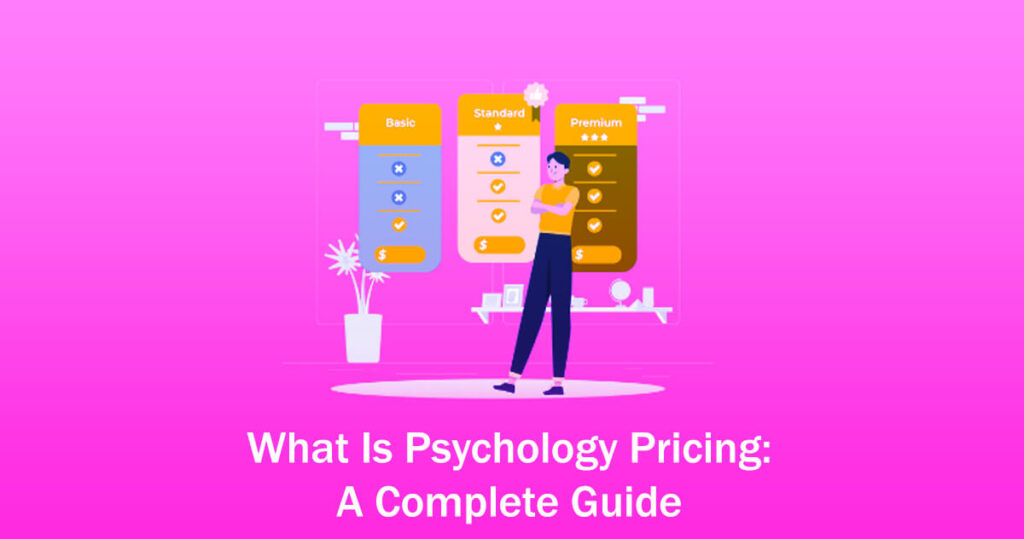
Oli Gardner from Unbounce talks about “analysis paralysis,” where too many choices overwhelm customers and make it hard for them to decide, sometimes leading them to choose nothing.
He compares this to the “Toothpaste Trance,” where shoppers face so many similar products on the shelves that it becomes overwhelming.
When there are too many choices, customers start to see the products as all the same and miss what makes each one special.
As a result, too many options can make people rush their decisions or avoid making a choice altogether.
Research by Sheena Iyengar and Mark R. Lepper provides empirical support for this phenomenon.
Their research at supermarket jam sampling stations showed a significant difference in buying behavior depending on the number of options offered.
When shoppers saw 24 jam flavors, only 3% bought something. But when there were just six flavors, 30% made a purchase.
Shows that offering fewer choices can encourage people to buy, while too many options may only catch their eye without leading to sales.
Keep these findings in mind when you design your pricing tables and strategies.
Focus on highlighting three to five main services your business does best, and group features under each of these main options.
After that, think about offering three simple pricing bundles.
In this setup, make sure to highlight a “recommended” option that matches what your main customers want and need.
How you present these packages can strongly affect how customers see them and what they choose, making it just as important as the prices themselves.
For example, Visual Website Optimizer conducted a case study with BaseKit, a website builder that wanted to improve its pricing page.
They measured success by how many people moved from the “Plans and Pricing” page to the “Buy Now” page. Many visitors came from paid ads, showing strong interest.
BaseKit redesigned its pricing page by adding customer testimonials, making currency selection easier, and using bolder, more colorful pricing displays.
This new approach led to a 25% increase in conversions, achieving statistical significance at the 95% level in just one day.
This steady and significant improvement demonstrates the power of strategic presentation and pricing to influence customer behavior.
The Relationship Between Value and Price
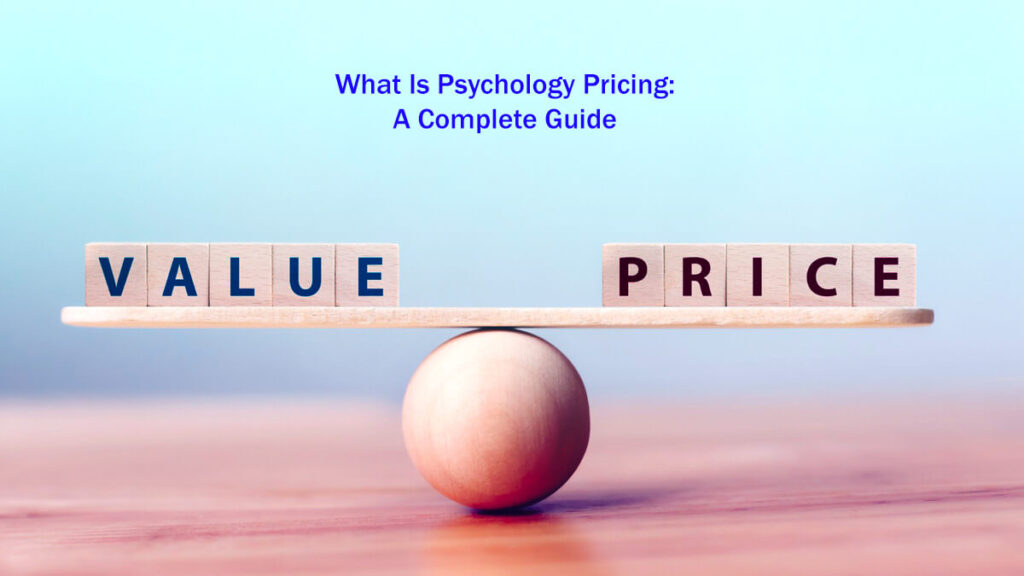
A key question is: Does price really show value?
Research by Goldstein and others shows that people do not enjoy expensive wine more if they do not know its price.
But other studies find that when people know a wine costs more, they are more likely to rate it as better.
Brain research adds even more to our understanding of this effect.
Brain scans show that areas linked to pleasure are more active when people think a wine is expensive. Means that what we believe about price can shape our experience, even before we notice any real quality differences.
Research by Dan Ariely, a behavioral economist, shows that people who pay more for cold medicine feel more satisfied and better than those who buy the same medicine for less.
These findings show that what people think a product is worth can really affect how satisfied they feel.
But it is important to remember that a high price does not always mean better quality.
Real-life budgets shape what people buy, so they usually prioritize basic needs over luxury items.
Even if people know that more expensive options might be better, those with less money tend to focus on basics like clothes, food, and shelter before thinking about buying luxury cars or designer brands.
Shows the economic idea of “need vs. luxury,” meaning people spend on essentials first before thinking about premium products or services.
Finally, some people carefully compare prices, but not everyone does.
Knowing that price comparisons can sometimes yield unexpected results is important for building an effective pricing strategy.
Finding the right balance between the number of options you offer and the clarity of your prices can help customers feel more confident and satisfied when they buy.
Comparison Shopping: Understanding Its Impact on Consumer Perception
Today, comparison shopping is a common habit among people who want to get the best value when buying something.
This habit lets shoppers easily compare different stores and products, but it can also make it harder to judge products fairly.
Products that work the same way can look worse when compared directly.
Often happens because of how people think. When shoppers see two similar products with different prices, they might wonder why one costs less.
These questions can make people suspicious, as they start to think about what they might be giving up by picking the cheaper option.
This doubt can make shoppers believe the more expensive product has hidden advantages or better quality that they would miss out on if they choose the cheaper one.
The main point here is that there isn’t a single best way to price your products. Deciding whether to raise or lower prices depends on many factors.
Different customer groups respond to prices differently.
That’s why it’s important to know exactly who your product is for.
Your pricing and packaging should match what your audience cares about most to make your product more appealing.
To really understand what your customers want, it helps to do some in-depth research.
It could mean running focus groups, talking to people one-on-one, or collecting feedback with surveys.
These conversations can give you valuable insights that help you set prices and offer products that really matter to your customers.
It’s important to remember that trying to please everyone can weaken your brand’s message and what makes it special.
Focusing on your ideal customers sometimes means saying no to others, but this can help you build a stronger bond with your main audience.
Techniques of the Trade: Effective Pricing Strategies
CBS News looked at several pricing tactics that encourage people to buy.
Here are some effective strategies:
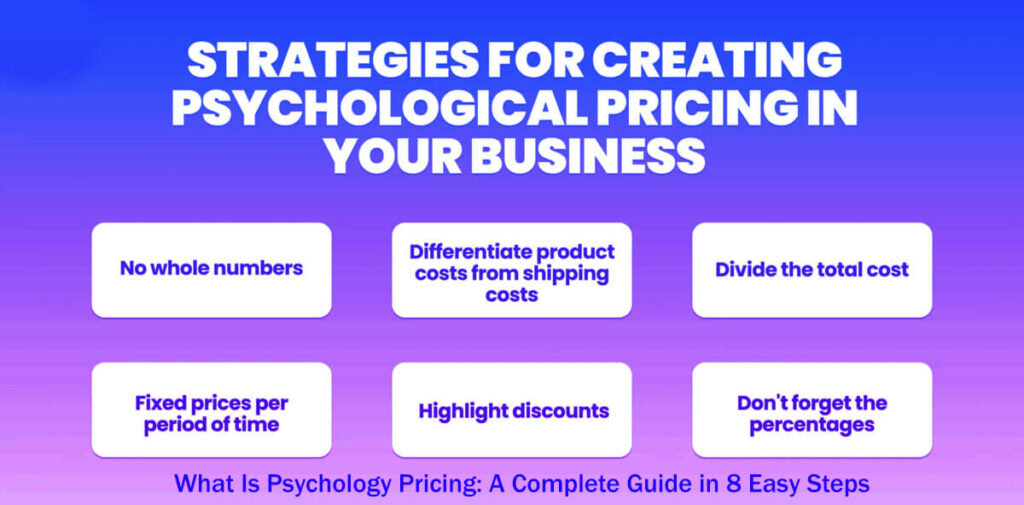
Removing Dollar Signs
Eliminating Dollar Signs: A 2009 Cornell University study found that menus without dollar signs often lead people to spend more.
When fancy restaurant menus used the word “dollars” or the dollar sign, people usually spent less.
Happens because these symbols make people focus on the price, which can feel overwhelming.
A simple approach, like showing “24” instead of “$24,” keeps attention on the food and the overall experience.
10 For $10
“10 for $10” Deals: This common pricing method is used in many pharmacies and supermarkets.
When stores use “10 for $10,” it makes people think they need to buy all 10 items to get the deal, so they often end up buying more than they intended.
But actually, customers can usually buy just one item for $1, even though the “10 for $10” sign encourages them to buy more.
Every Customer Limits
Limits Per Customer: Using scarcity cues can strongly influence how people shop.
Phrases like “Limit 3 per customer” make people feel they need to act fast, so they often end up buying more than they planned.
This tactic is less about real shortages and more about making people want the product because it seems limited.
The Power Of 9
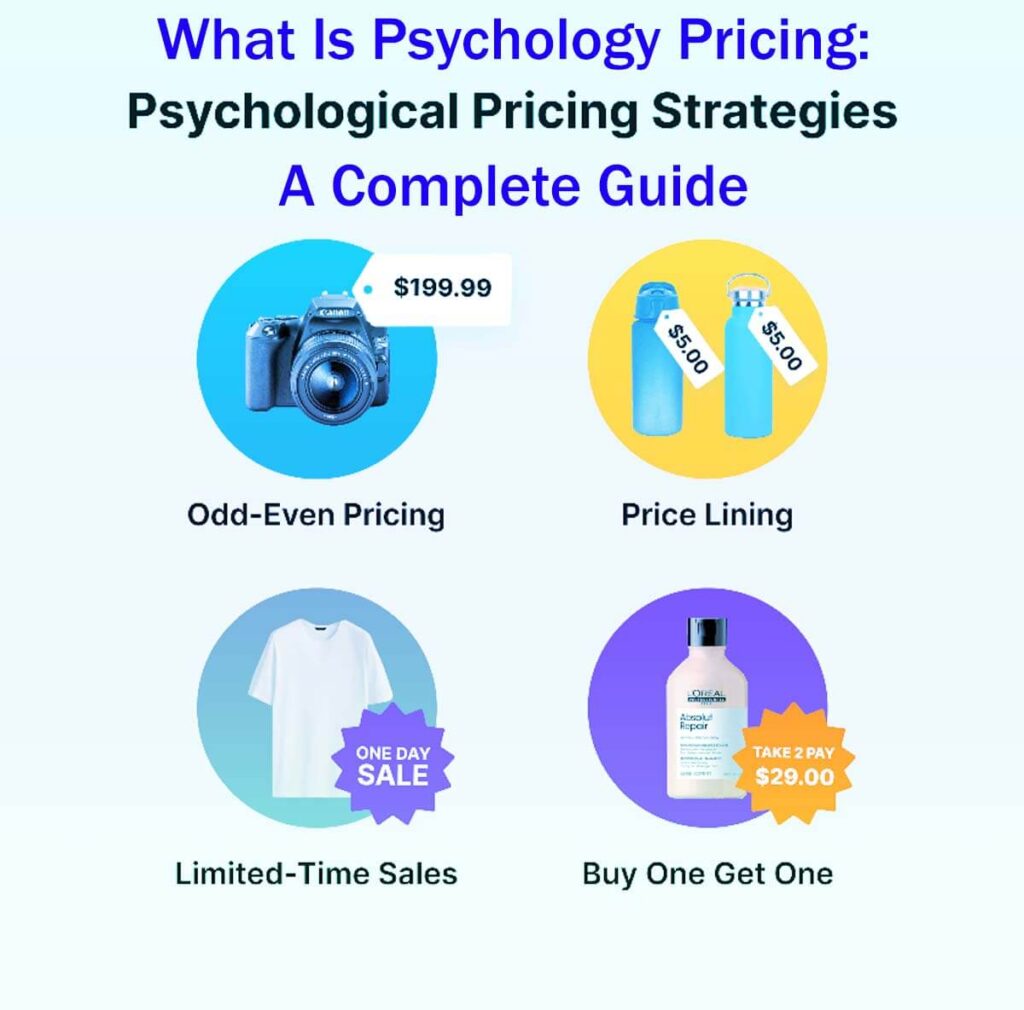
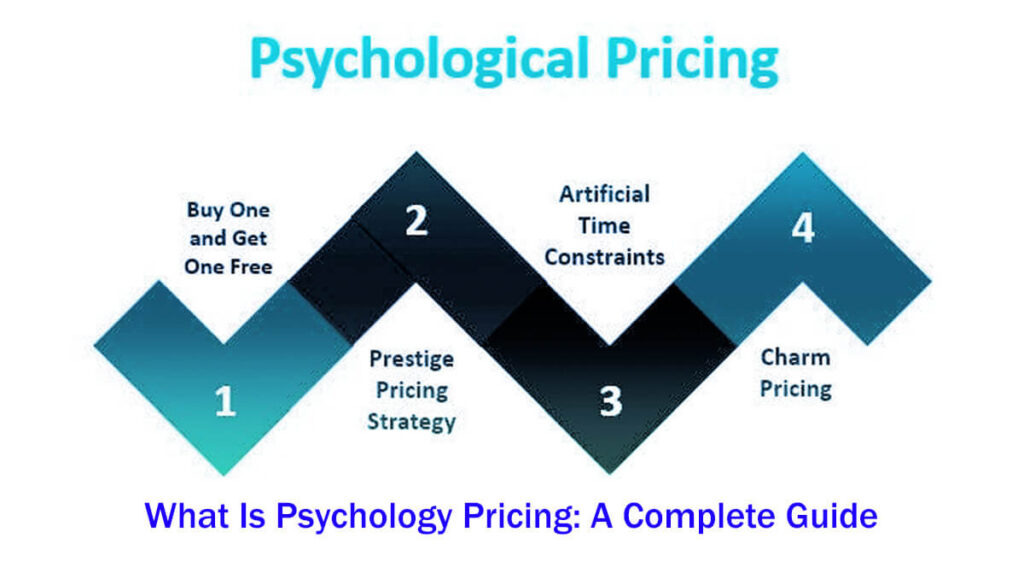
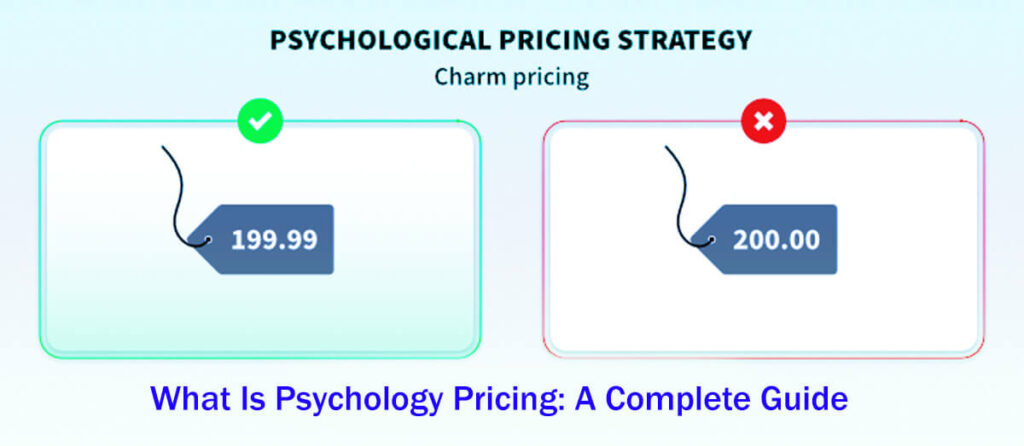
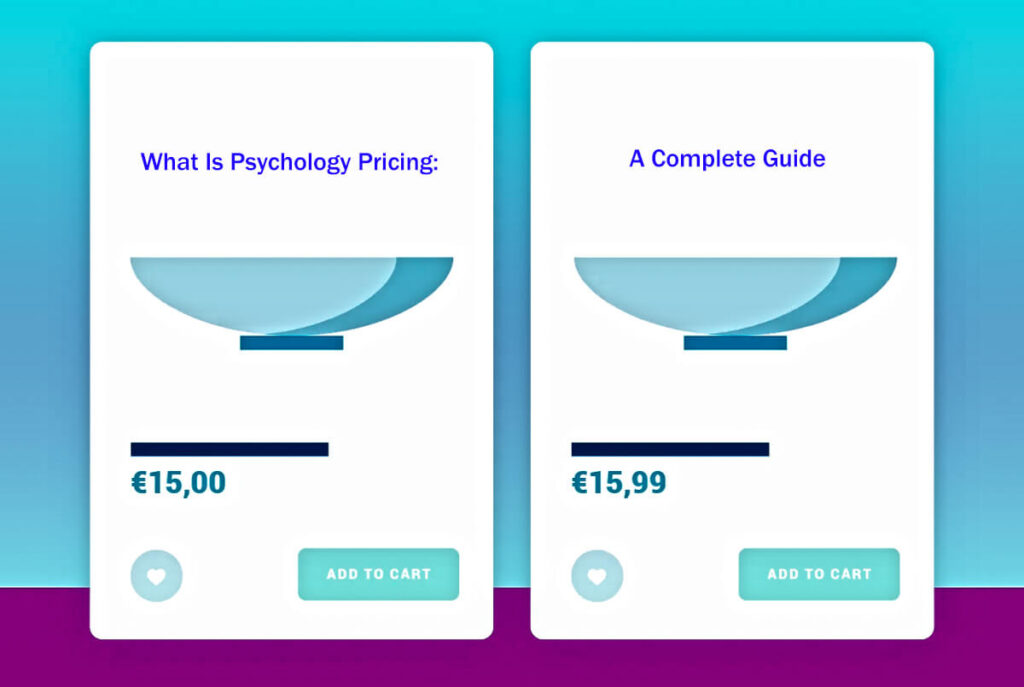
The Influence of “9”: Prices ending in 9, 99, or 95, known as “charm prices,” have a big effect on what people buy.
People are used to seeing prices ending in 9 as better deals and more appealing.
For example, when people see $7.99, they often think of it as $7 because we read numbers from left to right.
This mental shortcut, called the “left-digit effect,” is important in how people see prices.
Both physical stores and online shops often use this pricing trick.
It’s common to make prices look lower, but this raises a question:
Is $99 really better than $100?
The answer depends on understanding how people think about prices and the small details that affect their choices.
By using these ideas, businesses can create pricing strategies that connect with their customers and boost sales.
Charm pricing has become popular in retail and marketing because it is known to help increase sales.
This strategy usually sets prices ending in “.99” or similar numbers.
Studies show it can boost sales by about 24% compared to using whole numbers.
In his book *Priceless*, William Poundstone highlights eight key studies that show how charm pricing works.
For example, a study by MIT and the University of Chicago found that a woman’s clothing item sold best at $39, compared to $34 or $44.
The $39 price even beat the lower $34 price, showing that shoppers may be attracted to prices that seem like a better value.
Looking closer at pricing psychology, the number nine plays a powerful role in these strategies.
Simple Math
Research using A/B tests shows that showing discounts next to the original price can work even better than charm pricing, especially when the discount is clear and easy to understand.
For example, telling customers that an item was $10 and is now $8 often makes the savings feel more obvious than pricing it at $7.97.
Customers often respond better to the clear message of “$10 is now $8,” which shows a big discount, than to a price like “$7.97,” even though it is technically lower.
Decrease Font Size
Researchers at the University of Connecticut and Clark University have also found interesting results about how prices are shown.
Their research shows that people often see sale prices in smaller fonts as better deals than prices shown in big, bold text.
Happens because people often associate the size of a number with its value, so smaller prices can make customers feel they are getting a better deal.
When creating a pricing strategy, it’s important to balance psychological tricks with making prices easy to read.
Using smaller fonts can suggest savings, but it’s important not to make them too small.
Main Highlights
If the text is hard to read, especially on signs, it can be a problem.
Rather than using big, flashy fonts that might seem expensive, choose clear and easy-to-read text.
Helps customers see value and feel confident in their choices.
The main point is that pricing is about more than just numbers. It is closely tied to how customers think and feel.
Shoppers are always looking for products that solve their problems and meet their needs.
To find the best price, businesses need to understand what their customers value and offer solutions that matter to them.
If a business clearly explains the value of its product or service, customers may care less about the actual price and focus more on the benefits.
To make buying easier, it helps to simplify the choices customers have.
Offering three clear pricing options can prevent customers from feeling overwhelmed and make it easier for them to decide.
Avoid complex math, extra commas, or too many decimal places when showing discounts. This helps customers make decisions faster.
Finally, remember that pricing strategies should change based on the situation and customer type.
Some customers care most about speed and quick results, while others focus on price changes.
Talking directly with customers through discussions, surveys, or tests can give valuable insights into what they want.
It may not be possible to meet every customer’s wish, but aligning your prices and products with what your main audience values can lead to happier, more loyal customers.
5 Easy Steps: How Color Psychology Affects Mood and Emotions
9 Easy Steps: How to Guide People’s Emotions to Boost Sales
How to Write a Newsletter that People Will Easily Read: 10 Easy Steps
How to Boost Your Brand Visibility Using Public Relations: 10 Easy Steps