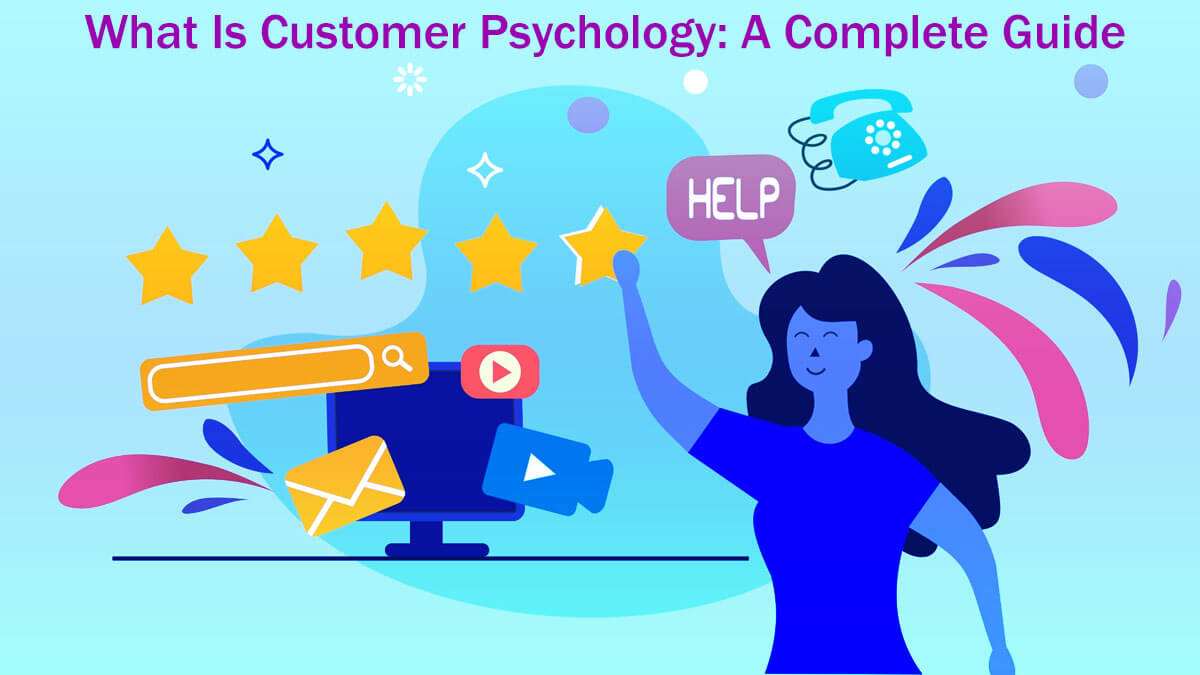





What is customer psychology? A Complete Guide: 5 Easy Steps. It examines key topics such as the buyer’s journey, user research, and consumer behavior to help you understand the factors that influence people’s decisions.
You’ll find out about emotional and logical motivators, building trust, and the importance of personalization.
The guide also explains how to create customer personas, develop a clear value proposition, and use social proof to boost brand awareness.
It guides you through the sales funnel, methods to increase customer lifetime value, and how to use tools like Google Analytics 4 and CRM.
Finally, it highlights why a strong content strategy and ongoing customer engagement are important.
Some links in this post may earn me a commission, since This Online Web is supported by its readers.
That said, my opinions and recommendations are always honest and not influenced by these commissions.
When internet marketing first started, it was full of questionable tactics that often left people feeling overwhelmed.
People were bombarded with intrusive ads, from endless spam in their inboxes to wild “free iPod” offers and flashy banner ads that interrupted their browsing.
Surprisingly, some of these questionable marketing tactics actually worked back then.
At that time, internet users were less experienced, so many people clicked on flashy banners out of curiosity and the hope of a reward. Today, the marketing world looks very different.
Modern consumers are more skeptical and careful about what they see online.
Even with spam filters, ad blockers, and a sharp eye for honesty, people still face a flood of marketing messages that can feel overwhelming.
The days of pushy and misleading marketing are over. Now, it’s time to focus on being respectful and helpful to customers.
Today, the goal is to give people the information they need to make confident, informed choices. This post shares some practical ways to do that.
What Is Customer Psychology: A Complete Guide
Prioritizing User Research: Driven By Research
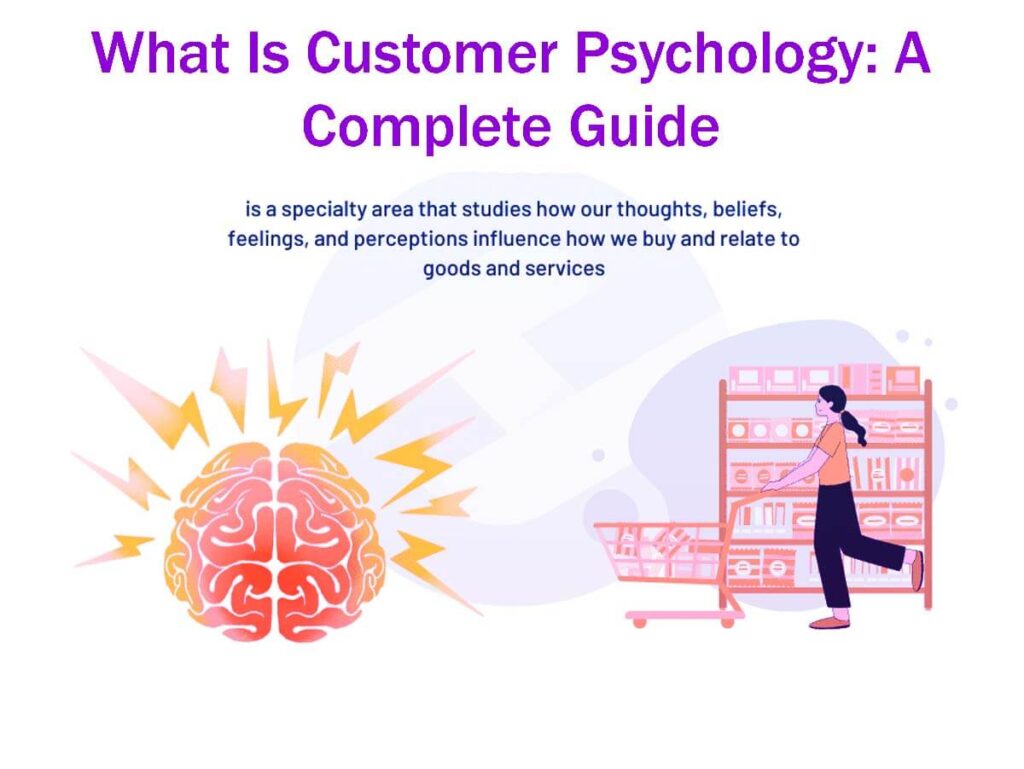
Most buyers start by doing their own research before they even think about buying or talking to a salesperson.
Long before they fill out a contact form or call, people look at their options, read reviews, watch demos, and ask friends for advice.
With the internet, people can easily find tons of information, from detailed reviews and blog posts to competitor sites and product comparisons, all from anywhere.
A shopper can pull out their phone, compare prices, and place an order in seconds—even while standing in your store.
Businesses face a choice: resist this trend and risk upsetting customers, or fully embrace it.
If customers want information but can’t find it, they’ll get frustrated.
But if you give them clear, easy-to-compare information, they’ll feel confident and more likely to choose your business.
The main idea is simple: people don’t like being left in the dark.
They want to explore and learn at their own pace, so it’s important to make their experience smooth, clear, and enjoyable.
But just putting content online isn’t enough anymore.
Online, people have endless choices and expect to find answers right away.
To keep up, brands need to make sure their content is easy to find and available exactly when people need it.
Here are two key ways to do this:
Match your content to each stage of the buyer’s journey: awareness, consideration, and decision.
Think ahead about what information people need at each step.
Create content that addresses these needs so people find the right information at the right time.
Become the primary source for answers by creating content aligned with what users search for, actively participating in social media and Q&A site discussions, and optimizing your website for better visibility in search engines.
Your guides, articles, and resources should show up when people look for answers online.
Your content should attract people and help them find exactly what they need, right when they need it.
Most importantly, focus on sharing knowledge that truly solves real problems.
If you only offer surface-level content on topics your audience already knows, and skip the details they want, you won’t meet their needs.
Make sure your content fits what your audience really needs.
The guide was created because readers like you asked for it, and it’s designed to give you the key insights you need.
You likely already have a good sense of what your customers want and need.
But if you think there’s still more to learn, let’s look at some valuable insights you can tap into:
Data Analysis for Customer Understanding
Start by taking a close look at your Google Analytics 4 (GA4) and Google Search Console data.
These tools show you which search queries bring people to your website and which landing pages get the most visits.
Also, pay attention to how users move through your site after they arrive.
It can tell you a lot about what your customers are interested in and what they need.
This basic data is key to understanding your customers’ behavior and what motivates them.
Direct Client Engagement
Talking directly with your clients through interviews can give you valuable new insights.
Ask open-ended questions about their goals, the challenges they face, and what would make your product truly useful to them.
For example, consider asking questions like, “What specific results do you want to see from our product?” or “What do you find most frustrating about the existing solutions?”
These conversations often reveal insights that data alone can’t, giving you a deeper understanding of what your customers like and want.
Collaboration with Internal Teams
Don’t forget that your sales, customer success, and support teams have a lot of useful information.
They talk to clients every day and can share helpful feedback about common questions and concerns.
By gathering this feedback, you can create a helpful knowledge base with articles that answer your customers’ specific questions.
It will improve your customer support and help build stronger trust and engagement with your clients.
Identifying Patterns in Feedback
When you talk to clients, try to spot patterns in their feedback rather than get overwhelmed by all the details.
Watch for common themes and trends that show what really motivates your audience.
For example, if multiple customers express a desire for more user-friendly features, this insight can guide your product development efforts.
When you understand these patterns, it becomes much easier to create content and marketing that truly connects with your audience.
The Concept of Strong Filtration Systems
People today are used to sorting through a lot of information and have developed ways to filter out most marketing messages.
Most consumers are naturally skeptical and can quickly spot anything that doesn’t feel genuine.
With so many ads out there, people are always looking for real value, whether it’s to learn something, enjoy themselves, or take a break from daily life.
Brands that keep their promises and offer real benefits make a lasting impression.
Even with all the marketing messages they see, customers are surprisingly resilient.
If customers decide an offer isn’t genuine, they’re unlikely to give it a second chance.
The Dual Nature of Customer Decision-Making
Top Motivations
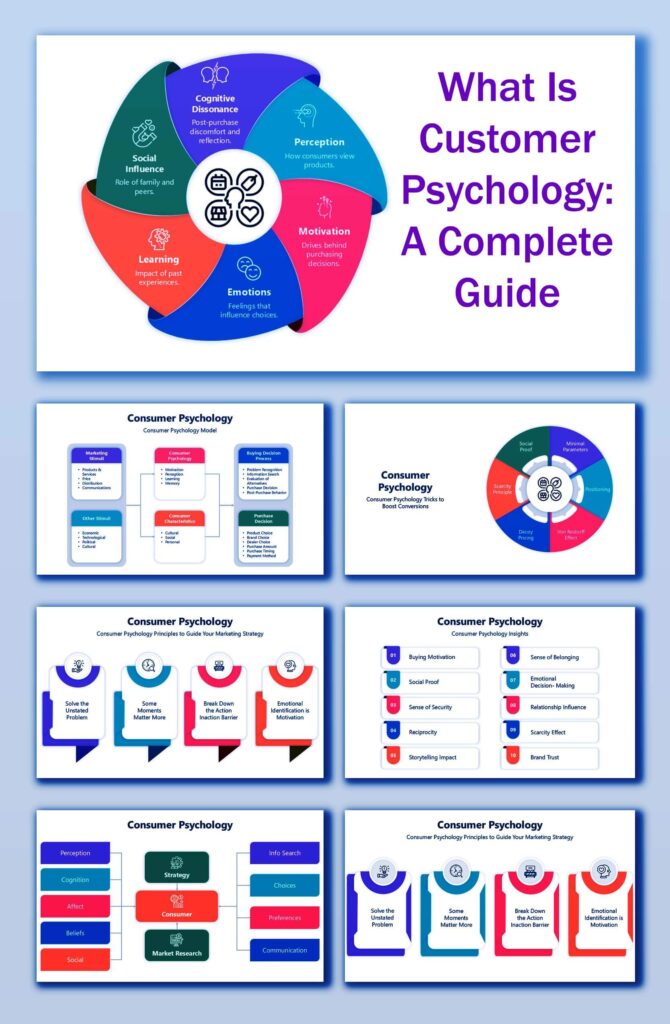
Customers use both their emotions and logic when deciding what to buy.
The best brands know how to connect with both sides.
Figuring out what truly excites and inspires your audience is the first step toward building a strong, engaging brand story.
Key Factors Influencing Customer Decisions
This guide is for both consumers and marketers, and it recognizes that great marketing is an art that can create strong connections when done well.
Still, many readers may not be experienced marketers, but small business owners, medical professionals, or students learning to navigate the digital world.
Here are the main things that influence customer decisions today:
Individual Benefit: Personal Gain
Products and services that clearly make customers’ lives better help build strong connections.
People have limited time and money, so they won’t spend either unless they see clear value.
Think about the questions they might be asking themselves:
- “What personal advantages does this offer me?”
- “What tangible benefits can I anticipate from using your product?”
- “Given my investment of time and money, which option provides the best return?”
For example, ModCloth, a women’s clothing boutique, connects with its customers by offering products and marketing that really matter to them.
Pleasure: Delight
Life moves fast and is full of responsibilities, from family to work.
In the middle of all this, people look for moments of joy, even if they’re brief.
They reflect on thoughts such as:
- “Do I really have to return to work now?”
- “How did I get so fortunate?”
- “Is there a way to hold onto this feeling?”
Social Impact: Social Influence
Friends, family, and community have a big influence on what people buy.
Trust and recommendations from people they know are especially important, especially for independent shoppers.
They may contemplate:
- “What do my friends endorse?”
- “How is this brand perceived among my trusted confidants?”
- “Would this be well-received by my family?”
Personal Connection (The Power of “You”)
Using the word “you” in marketing is powerful because it shows customers that you care about their experience, not just your own goals.
Questions that often surface include:
- “Does this company actually care about my needs?”
- “Is my perspective valued in their marketing strategies?”
- “Am I viewed as a priority by this business?”
Past experiences shape how people buy in the future, making them feel safer with what they already know.
When people keep seeing good offers for things they want, they’re much more likely to buy.
When consumers consistently encounter appealing offers for items they desire, their likelihood of purchasing rises significantly.
In short, understanding what truly motivates your customers lets you shape your marketing to connect with them in a real and meaningful way.
Concerns Raised by Customers: Familiarity
When people shop, they often have many questions running through their minds.
They may ponder:
Have I truly desired this product, or is it simply a fleeting whim?
Is this investment something I’ve been deliberating over for a significant period, or am I reacting spontaneously?
Where else have I encountered this item or brand, and what impressions did I glean from those experiences?
Safety and Trust
In today’s busy online marketplace, building trust is not just a goal but a must.
People are often skeptical online and may hesitate before taking action.
Even well-known businesses can face doubt, as customers often approach online shopping with caution and expect clear reassurances before trusting a site.
They grapple with pressing inquiries, such as:
How can I be confident that this website is legitimate and will not misappropriate my funds or personal information?
What is the company’s history? Have they been in business long enough to demonstrate reliability?
Is my personal information adequately protected from breaches within their system?
Can I feel at ease entering my credit card details in this environment?
To address these worries and build trust, companies should clearly show security guarantees and well-known certifications on their checkout pages.
These straightforward reassurances can make a real difference at this important stage of the customer journey.
The Conversion Process: Conversion Funnel
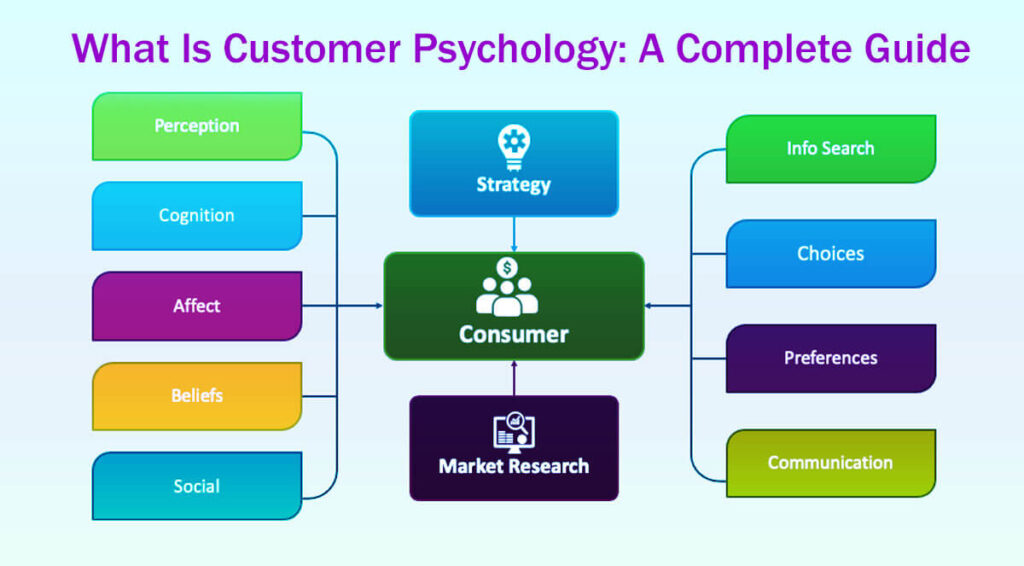
You might already know about sales funnels or conversion funnels.
If not, consider it as the entire journey a customer experiences before making a purchase.
Most visitors are not ready to make immediate purchases.
It can be frustrating, particularly for businesses seeking rapid sales.
Direct response campaigns often aim to move customers from their first visit straight to a purchase, but this can skip the important step of building trust and a relationship.
But in reality, the path to purchase is rarely straightforward. It can be complex and unpredictable.
The funnel serves as a guide, helping businesses adjust their offerings, create engaging content, and track success at every stage, not just at the end.
Brand Awareness at the Top of the Funnel
At the top of the funnel, potential customers are exploring and gathering information.
They are not ready to commit yet. This stage is like the start of a relationship, where they get to know your brand, read your content, and consider their options.
It’s important to remember that most people at the top of the funnel won’t buy right away.
So, your main goal should be to educate and engage them, aiming to grab their attention.
Use a variety of resources that speak to your audience’s needs and concerns.
It may include:
Informative blog posts that address their interests
Easy-to-follow guides and checklists that help with decision-making
Webinars that provide helpful insights
Useful tools that make the experience better
Attractive offers, such as free trials or exclusive content, are used to encourage people to interact
Your Objectives and Success Indicators:
Bringing in website visitors who match your target audience
Getting more people to sign up for your emails and newsletters so you can communicate with them directly
Inviting visitors to spend more time on your website shows that they’re genuinely interested and engaged. It’s a wonderful way to build a stronger connection and make them feel welcomed.
Middle Funnel: Consideration
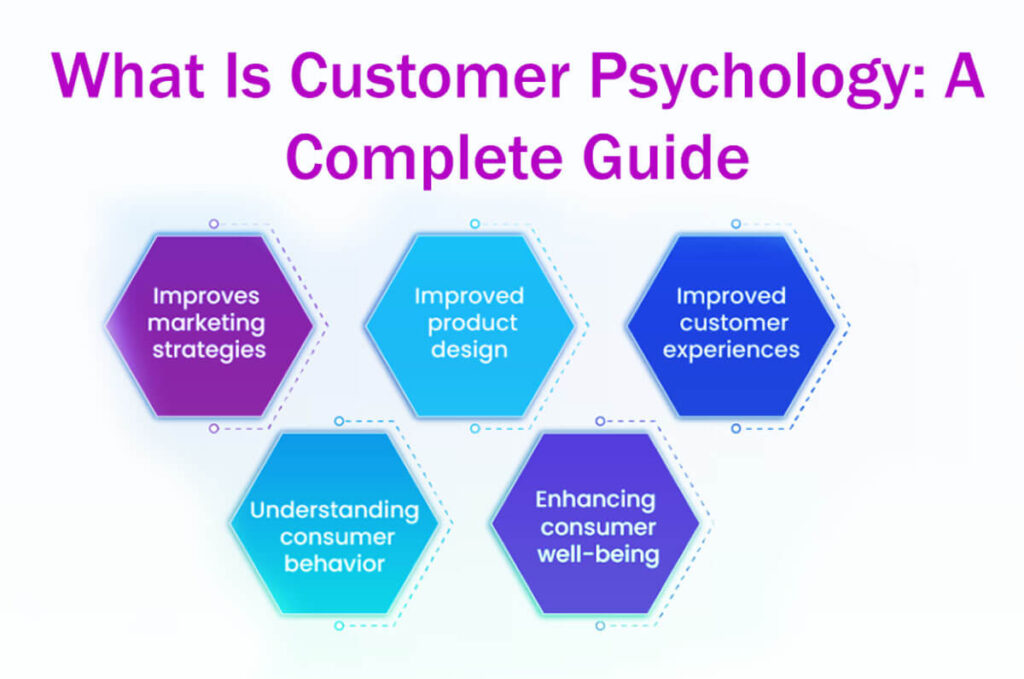
As prospects progress further down the funnel, it’s crucial to understand that not every lead will be an ideal match for your products or services.
It’s normal for only a small number of leads to move forward.
At this point, prospects begin to seriously weigh the pros and cons of your product or service.
They look for results, real proof, detailed comparisons, and clear pricing information.
Your Objectives and Success Indicators:
Supporting leads who are interested in talking to your marketing and sales teams
Setting up personal calls or product demos to show value
Encouraging real, one-on-one conversations to build trust
Offering free trials or freemium options to make it easier for people to try your product
Conversion at the Bottom Funnel
A smaller group of leads will reach the point where they’re ready to buy.
They’re not just ready to buy—they’re also willing to sign contracts and clearly prefer your products over others.
The time it takes to convert a lead can vary widely.
E-commerce sales usually happen quickly, while B2B deals often take longer and involve more people.
Your Objectives and Success Indicators:
Looking at how many transactions and conversions you have to see how well you’re doing
Checking your average contract value (ACV) or average order value (AOV) to make sure your business is profitable
Understanding your customer acquisition cost (CAC) and the time needed to recover that investment
Tracking how many trial users become paying customers and how often deals close
Following Conversion: Post-Conversion
After a customer buys from you, it’s important to keep building that relationship.
Encouraging repeat purchases and renewals is often the best way to grow your business.
Building a community, making it easy for customers to share, and offering simple returns can really boost loyalty.
Keep customers engaged by sharing helpful updates, useful content, and occasional special offers to maintain a positive experience with your brand.
Your Objectives and Success Indicators
Key Metrics:
- Rates of repeat purchases and renewals
- Net revenue retention and lifetime customer value (LTV)
The Power of Customization: The Value of Personalization
With so many businesses competing for attention, generic mass messages don’t stand out to potential customers.
People get so many messages that it’s hard for them to figure out what really matters.
To stand out, you need a strategy that focuses on each customer’s personal relevance.
This approach encourages real action and helps you build genuine connections with your audience.
Effective Strategies for Personalized Engagement: Create Customer Personas
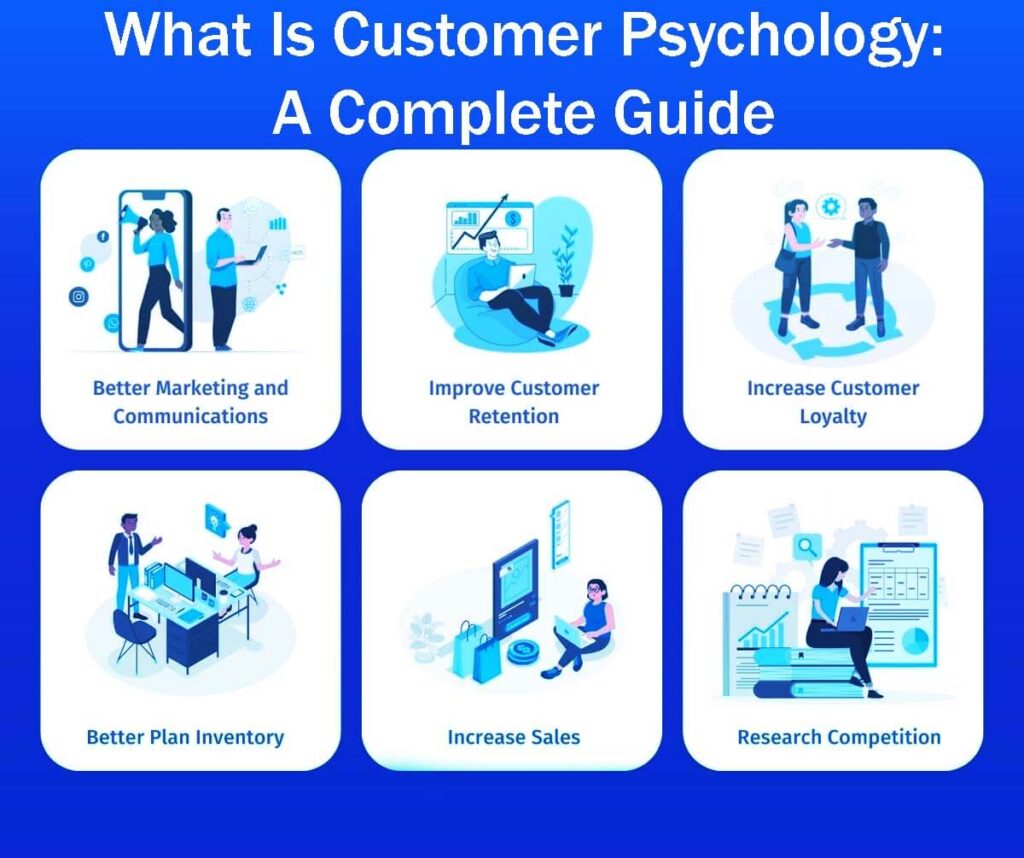
Create Distinct Identities for Your Customers
Instead of focusing solely on basic demographics, create detailed personas that reflect your users’ unique personalities, motivations, and behaviors.
Group your users by their goals, what they want to achieve, their challenges, and what motivates their decisions.
Begin by selecting a specific buyer group, such as young professionals or creative designers. Give this group a memorable name and a visual that fits their identity.
Dig Deep with Thoughtful Inquiry
Get to know these personas by asking important questions like:
Discovery Methods: How do potential customers first encounter your brand? Is it through search engines, trusted recommendations, or organic word-of-mouth?
Initial Queries: What specific questions do they pose when they begin to explore your offerings?
Decision-Making Influencers: What factors affect their decision-making process?
What objections might arise during their consideration, and who are the key decision-makers involved in the journey?
Journey Length: How long does it usually take them to decide? Think about the time needed for each step they take.
Potential Roadblocks: What might slow down the sales process, like pricing, product fit, timing, or other priorities?
Speak Directly to Your Audience
When you write to your audience, speak directly to them.
Personalizing your message makes it more relatable and helps you focus on what matters most to your audience.
Target your messaging: Activities on Your Website that Drive Conversions
Employ Website Behavior Insights
Look at how users behave on your website to see what affects your conversion rates.
Use tools and platforms that show you how users interact with your site.
For example, Clarity connects experts with people who need help and engages users right when they need guidance.
Their simple business model lets users easily schedule calls with specialists.
If users hesitate while scheduling, Clarity sends personalized reminders as gentle nudges at just the right moment.
Follow Up with Targeted Communication
Improve your sales strategy by sending tailored follow-up emails that reinforce your main message.
Keeps your brand top of mind and helps answer any remaining questions.
Use a Casual, Conversational Tone
To build real relationships, move past the formalities that are common in corporate settings.
A stiff, formal tone can push away both B2B and B2C customers.
On the other hand, casual conversations are more engaging and help build stronger connections.
Marketers often focus too much on perfect grammar and legal language, which can water down their message.
Embrace Authenticity: Focus on the Details
Let your team’s real voices come through in every message.
Talk to customers like you would to a knowledgeable friend. Skip the stiff sales pitch and aim for a friendly, approachable, and down-to-earth style.
Being authentic can make a big difference in how people respond to your message.
Mind the Nuances: Reciprocal Altruism
Remember that the way you deliver your message is just as important as what you say.
For example, the visuals you choose can significantly shape how people perceive your brand.
Stock photos might look polished, but they often don’t feel authentic.
People might not always say why something feels fake, but they can definitely sense when it’s not genuine.
Use real, authentic images and content that connect with your audience and help build a stronger emotional bond.
Harnessing the Power of Client Testimonials
Use real client testimonials and screenshots that show actual experiences.
Make sure to include clear alt text so everyone can access your content.
Keep in mind that being authentic is always more effective than just making things look perfect.
Today, building real connections helps create stronger relationships.
Content that looks too polished can sometimes seem fake or distant.
Mutual Altruism in Marketing
Effective marketing is built on the idea of giving value first, a concept known as reciprocal altruism, which comes from understanding consumer psychology.
When organizations focus on delivering value without expecting anything in return, they often attract more attention, build lasting loyalty, and earn trust. These efforts pay off in the long run.
By regularly sharing helpful insights through blog posts, videos, tools, or e-books, you help build trust with your audience.
This strategy is about keeping your content open and helpful, without paywalls or other barriers that might stop people from engaging or learning.
Measuring Success: The Power of Analytics
One of the best parts of this approach is that you can measure its results.
With tools like Google Analytics 4 (GA4) and your CRM, you can track how your content leads to conversions and helps build your sales pipeline.
Let’s show you how your content strategies actually lead to real revenue.
Understanding Customer Bond: A Key Metric
How To Measure A Customer Bond?
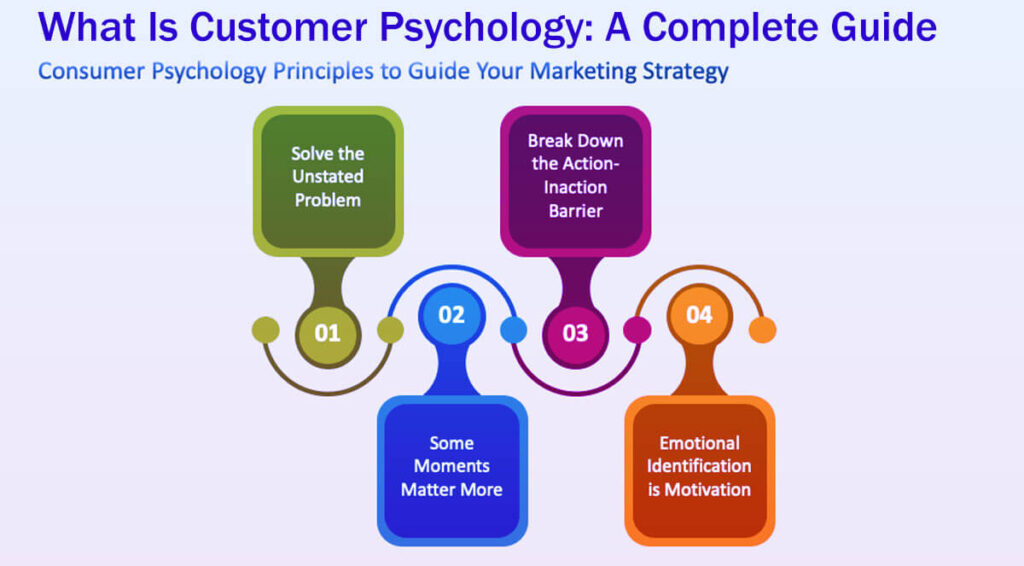
Smart marketers use real consumer psychology principles to improve their sales strategies.
They focus on measurable results, especially Lifetime Customer Value (LTV), which shows how much profit a customer brings over time.
Teams that look ahead focus on increasing LTV rather than just going after quick wins. Focusing only on immediate results can limit long-term growth.
For example, a campaign might lose $1,000 at first but, over time, generate $5,000 in LTV.
If you only focus on short-term gains, you might miss out on important long-term opportunities that could boost your success.
Creating Value While Maximizing LTV
To get the most out of LTV compared to quick revenue, set aside a financial cushion. Let’s you invest now for bigger rewards later.
This approach helps you take smart risks that pay off as you build stronger relationships with your customers.
In Conclusion: Embracing Customer-Centric Strategies
Today’s consumers are less likely to respond to pushy sales tactics.
They prefer real conversations and helpful support.
Most buyers now do extensive research before they ever talk to a sales rep.
That’s why it’s important to answer their questions early and give them clear, useful information at every step.
Always remember your audience is made up of real people with unique needs, not just data points.
Analytics are important for planning, but it’s people’s motivations and feelings that drive real action.
Clients today can easily spot insincerity. That’s why you need to share content that truly connects with their real experiences, since just being ‘good’ isn’t enough anymore.
Conversion funnels might look simple in theory, but in practice, they’re often much more complex.
Every customer’s journey is different, and the steps they take aren’t always in a straight line.
Having a solid plan for each stage of the journey will help you succeed.
Show empathy and be real in your approach. Aim to give more value than you expect in return, and build relationships that go beyond simple transactions.
In the end, focus on what really counts: LTV. By weighing short-term results against long-term benefits like LTV, you can make better decisions for lasting success.
10 Best Tools to Track Your Brand With AI Overview & Chat Assistant
8 Easy Steps: How to Remove Personal Information From Google
How to Remove Google Search Results: Follow 9 Easy Steps
6 Easy Steps: How to Test New Marketing Channels Find More
20 Ways To Social Proof Your Brand For Marketing Success