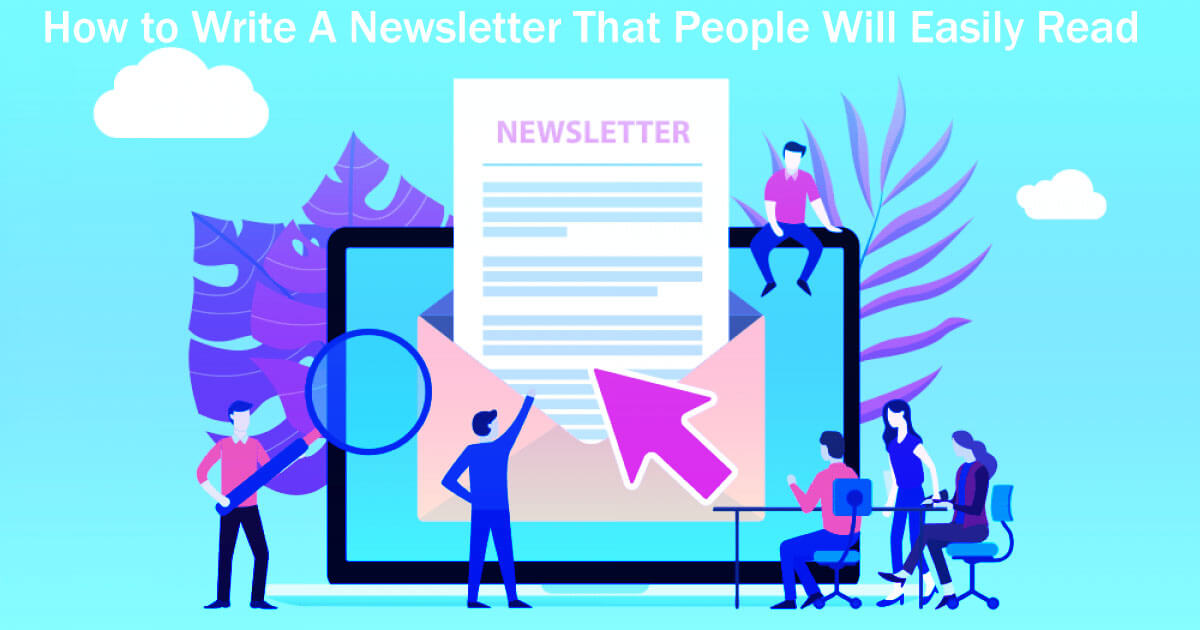





This guide will help you: How to Write a Newsletter that People Will Easily Read. Create newsletters. Try these 10 easy steps to make your emails more engaging and enjoyable. You’ll find tips on writing strong subject lines and designing layouts that look great.
These ideas can help you get more people to open your emails and interact with your content.
A good newsletter can turn subscribers into loyal followers, so take your time and enjoy making content that matters to them.
Let’s start making your newsletters better and more welcoming.
I may earn commissions from links in this post, as This Online Web operates on a reader-supported model.
Still, my opinions and recommendations are always independent and objective.
Email marketing remains one of the best ways to connect with audiences online, offering a strong return on investment.
When done well, email marketing helps you connect personally with your audience. It’s also easy to scale and measure.
To get the most out of email marketing, it helps to understand what makes people want to open, read, and interact with your emails.
It’s important to write emails that grab attention and build trust with your audience.
Industry benchmarks can be helpful, but they only tell part of the story.
What really matters is whether your emails give real value to your subscribers and help you reach your goals.
Just sending out a generic newsletter on a set schedule won’t get you good results.
With careful planning, testing, and regular updates, your newsletter can become a powerful marketing tool.
If you respect your readers’ preferences and time, a good email strategy can bring great results.
Getting people to open your emails, respond, and make purchases can be tough, but it’s possible with a clear and repeatable process.
One key part of a great newsletter is using an email autoresponder.
Let’s look at some practical and creative ways to design email newsletters your subscribers will enjoy.
How to Write a Newsletter that People Will Easily Read
10 Steps: How to Write a Newsletter
I use a simple formula to write email newsletters that get noticed and encourage readers to take action.
Provide an Incentive for Participation
Take a moment to think about the basics of your email list.
If you want conversions, you need an active email list built on trust and real value.
The best way to do this is to offer something valuable in return.
Just saying, “Subscribe to our newsletter,” isn’t enough to attract people.
Instead, try to solve a problem, help your audience save money, or offer ways to save time.
Step 1: Give People a Reason to Opt In
Always put value first. Discounts work, but so do features like checklists, templates, early access to new products, and exclusive content.
For example, Lands’ End invites people to “Sign up for a free e-newsletter sample from Lands’ End Newsletters.”
They offer a 30% instant discount, which makes signing up appealing and adds long-term value with exclusive offers.
You can also offer experiences, such as members-only webinars, early access to events, bonus classes, or invitations to community gatherings.
Match your incentives to what your audience cares about most for the best results.
Get creative with your offers. For example, an airline could offer priority boarding, a SaaS tool could offer a premium trial, or a local business could offer free parking or VIP event entry.
Be clear about what subscribers will get and how often you’ll email them.
To keep your emails reaching inboxes and your list high-quality, get clear consent and use a double opt-in process.
When your readers are engaged, and your subscribers are well-qualified, your conversion rates will improve significantly.
Step 2: Stay Focused on Your Goal
Before you start writing, take a moment to think about what you want your email to accomplish.
Your readers will notice if your message isn’t clear.
Set one clear goal and make sure every part of your email supports it.
Common objectives for newsletters may include:
- Increasing online sales
- Enhancing social media presence and engagement
- Driving traffic to a specific e-book or downloadable resource
- Directing visitors to a designated landing page
- Promoting a brand-new product or service launch
There are many possible goals, but it’s important to start with one that’s specific and measurable, then work toward it.
Pick one main focus and stick to it. Mixing different calls to action in one email can lower your click-through rates and confuse your audience.
Here’s an improved version of the text with more detail and clarity.
A previous Litmus example highlights the ongoing debate about double opt-in versus single opt-in for email subscriptions.
The main question is which approach is better for increasing subscriber engagement and growth.
This email strategy sets up a clear choice: each click sends to personalized content.
The content is designed not only to inform but also to boost engagement and increase click-through rates.
This streamlined approach is effective and delivers real results.
You don’t need to use split call-to-actions, but a similar strategy can still work well.
Start by stating your main goal in the headline or at the beginning of your email.
Repeat this message once or twice in the email to make it clear.
End with a strong call to action that clearly guides your audience on what to do next.
Make sure your desired action is clear. If readers are unsure, they may not engage.
Step 3: Crafting an Effective Subject Line
Your email’s success depends a lot on its open rate.
The most important parts of your email’s advertising are the subject line and the preview text, also known as the preheader.
Learning to write great subject lines is key to getting more engagement and better conversion rates.
Go beyond just adding your reader’s first name for personalization.
Try mentioning their recent activities, product interests, location, or work-related challenges.
Use insights from up-to-date guidelines and data from platforms like Mailchimp.
Let these insights inspire you, but test your own ideas to see what works best for your audience.
Focus on being authentic, timely, and urgent when writing your messages.
You can grab your reader’s attention by adding deadlines, highlighting limited availability, or sharing breaking news. Just don’t overuse these tactics, or they’ll lose their effect.
Find a specific problem your audience has and promise something they’ll want, like a solution, a helpful tip, or a shortcut.
Try to spark curiosity and create a small information gap that makes readers want to learn more.
For example, a subject like “Double demo conversions in just 30 minutes” can be a strong hook for B2B emails.
One of my best open rates came from an email where I honestly asked for help with a real problem.
Being genuine made people curious and encouraged them to open the email.
Jayson DeMers shares a great example of a subject line that grabs attention by being relevant and interesting.
Even simple emojis can make your subject lines more appealing if they fit your brand’s style.
Buffer, for example, uses direct, benefit-focused subject lines that match what their audience cares about, such as:
[Insert an example of an eye-catching email subject line.]
If you use them carefully, power words can make your messages much stronger.
Add these words to your preheader and subject line, but make sure they really add value for your audience.
Here are some powerful words you can use:
- Incredible
- Amazing
- Joyful
- Blissful
Phrases that create urgency or immediacy can also encourage readers to act quickly.
Use Mailchimp’s latest subject line guidelines as a helpful resource.
You get the idea. For more inspiration, check out a list of over 801 power words.
Use these words wisely to strengthen your content, but avoid sensationalism.
Important Note on Deliverability
To effectively send bulk emails to Gmail and Yahoo users, it is advisable to implement a robust DMARC policy.
You should authenticate your emails with SPF and DKIM, provide a simple one-click unsubscribe for all messages, and handle unsubscribe requests within two days.
Also, keep your spam rates below 0.3%, and aim for less than 0.1%.
Utilize Google Postmaster Tools to monitor and control your spam rates. These tools offer useful insights to enhance your email strategy.
This improved version adds more detail while staying clear and easy to follow, making it more helpful for readers.
How to Increase Email Open Rates
How to Get More Emails Opened
Getting your prospects to notice and open your emails is only the first step in building a strong email marketing strategy.
The real challenge is giving people good reasons to keep coming back to your emails.
To succeed in email marketing, focus on building lasting relationships with your audience.
When you review your email results, compare your numbers to those of others in your industry rather than relying on general averages.
Research indicates that open and click-through rates can vary significantly by industry and organization size.
Companies like Mailchimp often share updated industry standards you can use as helpful benchmarks for your email campaigns.
At first, these benchmarks might not seem impressive, but remember that real improvement takes time and steady effort.
If you keep improving your email list, make your content relevant and interesting, and work on deliverability, you’ll see real long-term results.
To boost your open rates, focus on sending emails to your most engaged audience segments and ensure your sending domain is verified with security protocols such as SPF, DKIM, and DMARC.
Choose a sender name that combines a real person’s name with your brand. Makes your emails feel more personal and trustworthy.
You can also use Brand Indicators for Message Identification (BIMI) with Verified Mark Certificates (VMC) or Contemporary Mark Certificates (CMC) on platforms like Gmail.
Let’s you display your brand’s logo right in your recipients’ inboxes, helping build recognition and trust.
Focusing on sender identity matters because people are more likely to open emails from sources they know and trust.
Who the sender is can make a big difference in whether someone reads your email.
Think about your own habits:
What prompts you to open an email?
Is the sender familiar?
Are you anticipating valuable insights?
Do the emails align with your interests?
When you keep sending useful and interesting content, you slowly build trust with your audience.
Keep in mind that new privacy features, like Apple’s Mail Privacy Protection, can affect your open rates.
Sometimes, images in emails load automatically, which can make open rates look higher than they really are.
Instead of using open rates as your main success metric, treat them as a general guide.
Focus on improving conversions, click-through rates, and replies, as these metrics give you a better sense of real engagement.
When people know they’ll get valuable content from you, it helps build a strong and loyal connection.
Picture a tidy inbox where people can quickly spot the newsletters they signed up for. Shows why adding a personal touch matters.
When a real person from your company sends emails, it sets clear expectations for tone and content, making the experience feel more human and relatable.
Step 4: Create an Engaging Introduction
After someone opens your email, your next goal is to make sure the first lines grab their attention.
Your first sentence and preheader should give readers a reason to keep reading, match the topic, and set the scene.
You might not realize how important this part is, so take a moment to think about its impact.
Matters because many inboxes show your opening line right next to the subject, and sometimes it gets even more attention.
You’ve probably heard that the subject line is key for grabbing attention.
That’s true, but the first lines of your email often decide if someone keeps reading.
Most email apps show a preview of 30 to 90 characters from the top of your message, so it’s important to make those characters count.
On mobile devices, where space is tight, and people often scan, your opening lines matter even more.
Start with something specific and valuable instead of generic phrases.
It is especially important because most mobile email apps show your opening line clearly, shaping the reader’s first impression.
So, what should you write first? Make your opening relevant and personal by speaking directly to the reader.
Mention something recent they did or an interest they have.
Adding this personal touch helps you connect with readers and makes it more likely they’ll keep reading and take action.
Avoid Formal Introductions
Rather than starting with the usual “Hello, my name is,” use an opening that grabs attention right away.
For instance, you might say, “I saw you’re comparing [X vs. Y]. Here’s a quick shortcut that could save you time,” or “I have a brief suggestion regarding your [goal] that might be helpful.”
These approaches grab attention and create a sense of urgency, encouraging readers to keep reading.
Research shows that readers form a judgment in mere seconds about whether your communication is worth their time.
Get Straight to the Point
Since your audience’s time is valuable, make sure your message gets to the main point quickly.
Clever or witty remarks can catch attention, but they might distract from your main message.
Look to experts who keep their emails clear and to the point.
This style shows that omitting extraneous details makes your message clearer and respects the reader’s time.
This approach builds your credibility and shares important information quickly, so your audience can get on with their day.
Step 5: Build a Personal Connection
In your message, focus on offering real value that encourages action.
Explain clearly how your product or idea can improve the reader’s life or career.
Keep things brief and simple. Use bullet points, short paragraphs, and clear subheadings when you can.
Make sure each email sticks to one main idea so you don’t overwhelm your readers.
Rather than giving too much information at once, encourage your readers to take the next step.
Once you’ve shared a helpful tip or insight, invite your readers to check out more resources or information.
Scannable and Engaging Content
Break your content into small, easy-to-read sections to make it more appealing and simple to follow.
This setup helps readers scan your message and better understand the main point.
Use “you” in your writing and ask questions that connect with your readers’ goals and challenges.
For example, you could ask, “Do you still have questions about [topic]?” or “How would you like to elevate your strategy to achieve your goals?” These questions turn your message into a conversation and make it feel more personal.
If you need help writing engaging messages, free tools like HubSpot’s AI email writing assistant can be useful.
Step 6: Maintain Consistency Without Irritating Your Subscribers
Set clear expectations in your emails and stick to them to build trust.
For example, if people signed up for weekly updates, keep that schedule and avoid sending daily emails that might overwhelm them.
When you stay consistent, you build trust and loyalty and help your domain’s reputation.
On the other hand, sending more emails than promised can cause people to unsubscribe or complain, which hurts your deliverability.
To comply with industry guidelines, always provide a straightforward one-click unsubscribe option for marketing communications.
Promptly handle unsubscribe requests within two days, aiming for a user-reported spam rate of less than 0.3%—ideally under 0.1%.
Offering “opt-down” choices and preference centers can reduce subscriber fatigue and help you follow regulations.
Step 7: Remain Relevant and Consistent with Your Brand
Discuss Relevant Content
Sending content that doesn’t match your subscribers’ interests is a fast way to lose their attention.
Stay true to your brand and make sure your messages match why people signed up in the first place.
For example, if you focus on home goods, talking about politics or sports might turn off your audience unless those topics relate to your niche.
Stay away from controversial topics unless they are truly important to your audience and your goals.
Let subscribers choose their preferences and content themes when they sign up to give them a more personalized experience.
By default, new subscribers should receive a variety of content, but offering options like monthly digests can help retain loyal readers and prevent fatigue.
Ensures that someone interested in music won’t get unrelated tips about web design.
Although segmenting and customizing content takes more work at first, the long-term gains in engagement and conversions make it worth it.
Step 8: Visually Enhance Your Content for Greater Impact
With so much information out there, getting the attention of busy readers takes more than just words.
Using the right visuals can make your message clearer and more appealing.
Adding visuals like high-quality images, helpful graphs, short GIFs, and quick video clips can make a big difference in how people see your content.
Most people will skim rather than read every word. Strong visuals help them quickly decide whether to keep reading.
In brand emails, people notice visuals in just a few seconds. Pairing short text with good-looking images is important.
These elements grab attention and help your message stick.
Videos usually get more engagement, but you should make sure they work well on all devices.
For example, you can use a still image or a small GIF that links to a landing page. Works well on different platforms.
Accessibility matters too. Make sure your call-to-action buttons use real HTML, not just images, so that everyone can use them easily.
Don’t send emails made up of only images. Can lower engagement and make things harder for people using screen readers.
Also, use enough color contrast for easy reading and add helpful alt text so people using assistive tools can access your content. Visuals also help organize your message.
Long blocks of text can sometimes feel daunting and make readers hesitant. Breaking them up can make your content more inviting and easier to enjoy.
Using whitespace and placing graphics thoughtfully can guide readers to your main calls to action and make your content easier to read.
Weave a Powerful Story
Tell a Story
Storytelling is one of the best ways to grab and keep your audience’s attention.
A well-told story draws readers in and helps them connect with your message.
Stories stick with people because they often reflect what your audience has experienced.
Sharing relatable experiences—like short case studies, behind-the-scenes looks, or client success stories—makes your message both memorable and convincing.
Keep your stories short and make sure they always relate to your main message.
Creativity is important, but being genuine matters more. Stories that feel real work better than ones that seem too dramatic.
This storytelling approach works for both B2B and B2C. Connecting themes such as struggle, resolution, and success helps keep your audience engaged.
You don’t need a full story every time, but adding storytelling often makes your content more relatable and keeps people engaged.
Create a Sense of Urgency
Many readers put things off, planning to respond later but often forgetting to do so.
Your job is to help them see that acting now is the best choice.
With so many distractions, if someone leaves your content, they’re unlikely to come back.
Adding real urgency to your message can encourage people to act right away.
Try offering limited-time deals, pointing out low stock, or setting clear deadlines to motivate action.
Good deadlines are both urgent and clear. Phrases like “Offer ends tomorrow,” “Only 10 spots available,” or “Closes at midnight” can push readers to act fast.
But be careful when using urgency.
If you exaggerate scarcity, you can lose trust and hurt your credibility. Always be honest when creating urgency.
Step 9: Seamlessly Guide to Action
The most important part of your email is turning interest into action.
At this key moment, readers decide whether to keep going with you or move on.
Make sure your call to action (CTA) fits your main goal and flows naturally from your message.
Be clear about what you want your audience to do, like visiting a landing page, signing up for a course, downloading a manual, or starting a trial. Pick one main action to keep things clear.
Your CTA should be clear and convincing. Use an action word, offer a reward, and make it easy for people to take action.
Make sure your button is easy to see and click, so it stands out in your content.
Don’t hide your request. Use one main button and add a text link to help skimmers find it easily.
In the end, your email’s main focus is the call to action. Make it bold, clear, and connected to the value you’ve already shown.
Assess Your Performance
Monitoring your results is crucial for sustained success in content and email marketing.
If you don’t track your results, you’ll miss chances to get better.
Keep good records of every email you send and use the data to improve your strategies.
Your email platform should provide robust analytics to show how users interact and engage.
To get the full picture, combine these results with your main analytics tools and use UTM tracking to see how your efforts work across different channels.
By regularly checking your results, you can keep improving and adjust your approach to what your audience likes best.
Step 10: Measure Your Results
To understand how your emails are performing, you need to look at several key indicators that show how effective your campaigns are.
Open Rates: These numbers give you an initial idea of engagement, but you should interpret them carefully.
Recent privacy changes from major email providers often limit access to user data, which can make open rates less reliable.
It’s better to look at trends over time instead of single data points to get useful insights.
Spam Complaints and Bounce Rates: These are important for keeping your emails delivered and protecting your sender reputation.
If your spam complaint rate is high, it can hurt both your current campaign and your future inbox reach.
Also, checking both soft (temporary) and hard (permanent) bounce rates helps you spot problems with your email list and keep it healthy and active.
Click-Through Rates and Click Maps: Examining these metrics helps you see which links your audience finds most interesting.
Click maps let you see how people interact with your emails and show which content gets attention and encourages action.
You can use this data to improve your content strategy and better match your audience’s needs.
Unsubscribes and Preference Changes: Monitoring unsubscribe rates and how subscribers update their preferences provides valuable insights into how relevant and satisfying your content is.
If you see a sudden increase in unsubscribes, it may mean your content isn’t meeting expectations or interests. It is a good time to review your content strategy and audience targeting.
Beyond Basic Metrics: Real success is about more than just open or click rates.
Focus on real results that demonstrate true engagement, such as conversions, revenue, replies, and forwards.
Notice which offers, formats, and themes get the best responses, and try to use them more often in your strategy.
Identifying Bottlenecks: If some segments aren’t performing well, it’s important to find out what’s holding them back.
Check whether your campaign goal is strong, whether your call to action is clear and convincing, whether your content matches what your audience wants, or whether there are issues with your email list quality.
Once you find the issues, fix them one by one and test again to see if things improve.
A/B Testing for Optimization: Test every part of your emails, like subject lines, preheaders, send times, and CTA wording, using A/B testing.
To see the true impact of your changes, use holdout groups to control for other factors.
Monitoring Deliverability KPIs: One key metric to watch is the spam rate reported by users.
If this number goes over 0.3% according to Google Postmaster Tools, you need to act right away.
For example, Gmail won’t fix deliverability issues until your spam rate stays below this level, so it’s important to keep a good sender reputation.
Cohort Participation Trends: Keep an eye on how different subscriber groups engage over time.
Successful email programs usually have low complaint rates and a growing number of engaged subscribers, which helps build long-term success.
The Valued Role of Email: In summary, email is still a key part of successful digital marketing.
When you handle email management thoughtfully and strategically, it enhances other channels such as social media, content marketing, and paid advertisements. This creates a cohesive strategy that increases engagement and improves results.
In Conclusion
It’s tempting to focus on the newest platforms and trends, but ignoring proven channels like email is a mistake.
Every channel has its own strengths, and testing them thoughtfully helps you get the most out of each one.
In the end, email works best when it’s targeted and valuable for the recipient.
If you understand your audience well, set clear goals, and deliver on your promises, you’ll see good results.
Begin with an opt-in process that grabs attention from the start.
Set one clear goal for each campaign, and ensure your preheaders and subject lines are clear and appealing.
Start with an attention-grabbing opening, then provide concise content that adds value, and end with a clear call to action.
Consistency is important. Let subscribers choose how often they hear from you and what topics they get.
Make your emails stand out with strong visuals and interesting stories, and keep tracking the metrics that matter most.
Doing this will help you improve your approach and get better results from every email.
By following these strategies, you’ll likely see higher engagement and conversion rates, while still respecting your audience’s preferences and limits.
8 Easy Ways to Create Content That Google Wants to Rank Higher
13 Steps: How to Improve Your Online Reputation: Important?
How to Write Emails Your Subscribers Will Open Quickly: 8 Easy Steps to Follow
What Is Customer Psychology: A Complete Guide 5 Easy Steps
Guaranteed Removals Review: Simple Pros and Cons 12 Steps