




Find out how to remove news articles from the internet with easy steps, like searching for yourself on Google, using incognito mode, and keeping an eye out for negative content.
We’ll walk you through each part so you can manage your online presence with confidence.
Negative news stories online can seriously harm your brand or personal reputation.
This risk is even greater when these stories come from popular, trusted publications and appear on the first page of Google search results.
If you don’t address these negative stories quickly, the effects can go beyond public opinion.
They might affect investors, hiring, business partnerships, and even the safety of people connected to your brand.
If you want to take action, you can start the process of removing or deindexing these stories by following a clear set of steps.
This guide will show you effective strategies and point out common mistakes to avoid.
The goal is to help you focus on actions that can truly improve your situation, instead of making things worse by accident.
Keep in mind that fully removing news articles is rare.
Editors usually won’t take down factual content just because it’s unflattering.
The best approach is to combine polite, well-explained requests for removal with a plan to push negative content down in search results.
This plan helps lower the visibility of negative stories in search results while you create stronger, more positive content to draw attention.
If handling your online reputation on your own isn’t enough, hiring a specialized reputation management firm can make a big difference.
You can also work with a defamation or expungement attorney, but this option usually costs more.
Working with professionals lets you share the workload and stay up to date on the different rules of publishers and search engines.
These experts can try to remove the unwanted content or run a campaign to push it lower in search results.
How to Remove News Articles from the Internet
8 Steps to Remove a News Article from the Internet

Removing a news article is possible, but it usually takes time.
Some steps are simple, but others require patience and careful record-keeping.
Here’s a step-by-step guide for what to do if the article has been shared on multiple sites, including both quick actions and long-term strategies:
Make a complete list of articles you want removed. For each one, note the URL and publication date.
Ask the news publisher to remove the article. Send a clear, brief request explaining your reasons, and include any legal details if needed.
If the publisher won’t remove the content, send a request to Google. Explain your case and include links to the articles.
Take steps to lower the article’s visibility. Create new positive content, use SEO, and share on social media to help push the negative story down.
Work with a reputation management expert who can guide you and implement strategies tailored to your needs.
If you need help right away, you can reach out to companies like BetterReputation, Erase.com, NetReputation, or Reputation Defense Network.
These companies are known for working quickly and providing strong customer service.
Reputation Defense Network usually costs more because of its wide range of services.
Erase.com focuses on removals and ongoing monitoring, while BetterReputation is praised for its clarity and affordability.
If you need legal documents, these companies can work with your legal team to make sure everything is handled properly.
Simplified Steps for Eliminating Online News Articles
The Simple Steps to Removing News Articles from the Internet
In the best case, the publisher will update or remove the article.
If it’s taken down, it will eventually drop out of search results, either by being deindexed or showing a 404 or 410 error.
If full removal isn’t possible, publishers might still be able to edit or remove sensitive details like your name or photos, or add corrections to update the facts or legal outcomes.
A polite, well-written request often gets good results.
Sending a clear, formal email with your request, including dates, docket numbers (if needed), and links to important documents, can lead to edits, updates, or notes on resolved legal issues.
Make it easy for editors to check your claims by including all the needed links and PDF attachments.
If reaching out feels overwhelming, hiring an online reputation management (ORM) service can take that stress off your plate.
Letting ORM experts handle the outreach lets you focus on approving actions and sharing any needed documents.
They also work with editors to ensure that all correction policies are followed across different publications.
Set up an automated monitoring system to make sure you don’t miss any important details.
Reputation and media monitoring tools can alert you whenever your name, brand, or key terms are mentioned online.
By staying proactive, you can respond quickly and better manage any sudden increases in attention.
Navigating the Challenges of Removing News Articles from the Internet
In reality, many media outlets keep articles online if they were accurate when published and continue to attract readers or links.
Editors are usually cautious about making decisions that could limit future reporting.
Many publications have strict, complex procedures for changing or removing articles.
Some organizations might reject removal requests right away if they don’t have clear rules for handling them.
Still, the process can seem confusing and slow, with short deadlines for appeals and long waits for responses.
Even if the original article is changed or deleted, it might have already been shared, quoted, saved, or spread on social media.
So, taking down one article might not be enough, since new coverage and rewrites can quickly make the story more visible online.
Copies can also remain on mirror sites and in web archives, prolonging the problem.
Usually, Google needs a strong reason to step in, such as legal problems, privacy concerns, or policy violations.
To strengthen your case, it helps to get legal advice and collect any relevant government documents.
But be ready for a process that can take a long time and cost money, especially if you have to deal with different laws or privacy rules.
Even with these challenges, people do manage to remove or hide negative content fairly often.
If you don’t want to hire a specialist like BetterReputation, NetReputation, or Reputation Defense Network, follow the steps below and keep careful records of every time you reach out.
Step 1: List Every Article You Want to Remove
Dealing with a single negative article can feel overwhelming, and handling several at once requires extra care and attention to detail.
Start by making a complete list of every URL you need to check, including image pages, social media posts that link to the article, rewrites, sources, and syndicated versions.
Keeping good records helps you avoid missing important copies or working on the same item more than once. It also lets you plan your next steps more easily.
Search for Yourself on Google
Open an incognito window so your browsing history or logged-in accounts don’t affect your search results.
For even more accurate results, try searching from a different network or device.
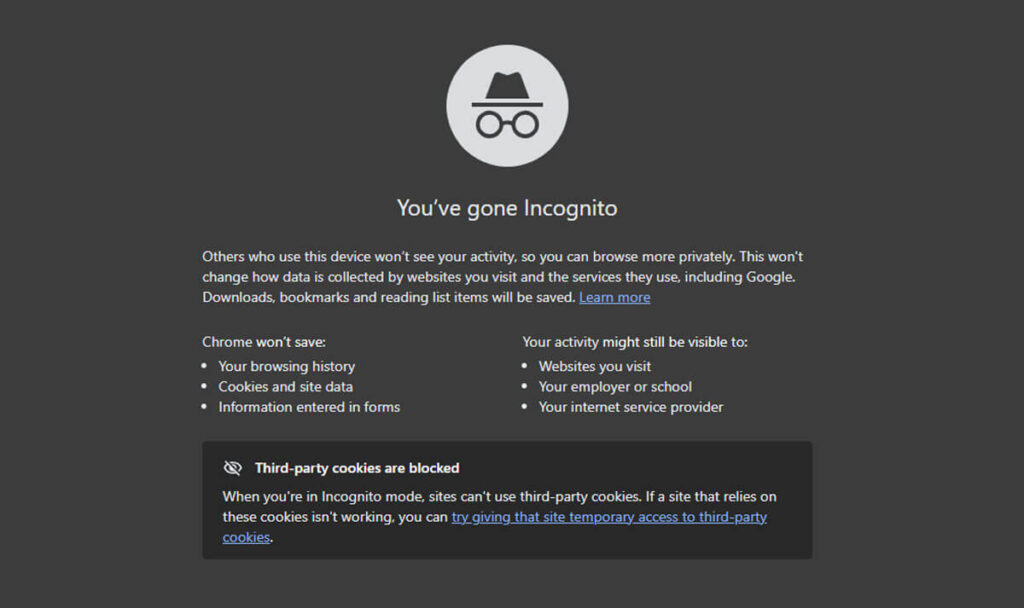
The Google Incognito Page
To find copies and rewrites, search for the article’s exact headline in quotes.
Also, search for different versions of your name, your brand, key executives, and unique details like your address or phone number.
Use advanced search tools like ‘site:’ to look at certain websites, quotes for exact matches, the minus sign to leave out words, and ‘intitle:’ or ‘inurl:’ to find more specific content.
You can also search for your brand or name together with keywords related to the article’s topic.
To find images or new content that might not appear in regular searches, try searching again in Google News and Google Images.
If images are part of the issue, use reverse-image search to find reposts and captions that might show new ways the content is being shared.
Stay Alert for New Negative Content on Google Monitor
As you go through this process, keep in mind that new negative stories might appear, especially if the original story gets more attention.
Google Alerts is very useful for getting quick notifications when your name, brand, or related keywords are mentioned.
You can pause or adjust how often you receive alerts, and quickly check recent mentions in the dashboard.
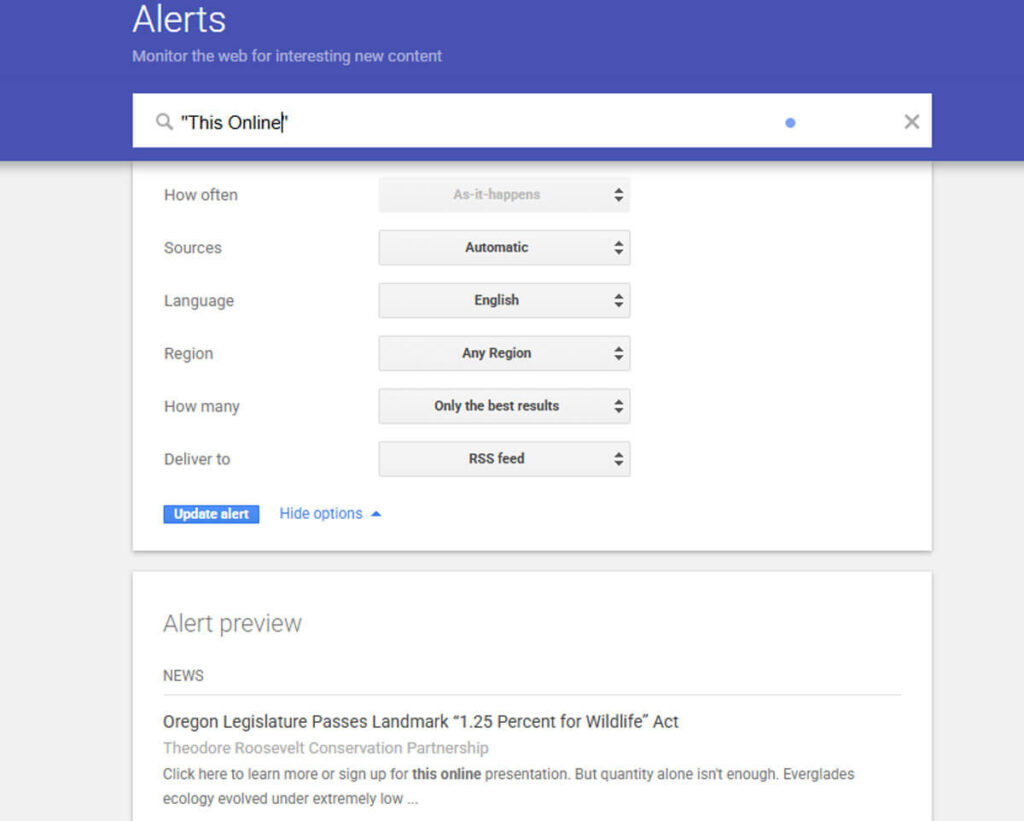
Visual of a Google Alert
Set up alerts for both common and exact versions of your name.
As you follow these steps, watch your Alerts dashboard and adjust how often and where you get alerts so the information stays manageable.
To keep things organized, use the same naming style for your alerts and sort them into folders for easy reference later.
Consolidate Essential Information in One Centralized Repository
To keep track of ongoing communications and handle any legal issues, gather all important headlines, URLs, publication names, and screenshots in one well-organized place.
Keeping everything together makes follow-up easier and also provides important evidence if you face ongoing harm, such as harassment or safety issues.
With all your information in one place, you can quickly find what you need when it matters most.
Explore Article Mentions on Social Media Channels
Search engines like Google are helpful, but don’t forget that social media platforms also offer a lot of useful information.
You can often find articles and helpful comments on platforms like X (formerly Twitter) and Facebook that you might miss elsewhere.
People often share news articles on these platforms, and writers announce their latest work there, making them good places to find relevant content.
YouTube has many independent opinions that might not show up in regular searches, and LinkedIn offers industry-specific insights you might otherwise miss.
Use each platform’s advanced filters to narrow your search by date, account, or media type after entering the right keywords or hashtags.
This approach helps you find discussions, shares, and different versions of the original story that might be getting more attention or reaching new people.
Harness Advanced Search Features on X
The advanced search on X lets you focus on exactly what you need, helping you find the most relevant and important posts.
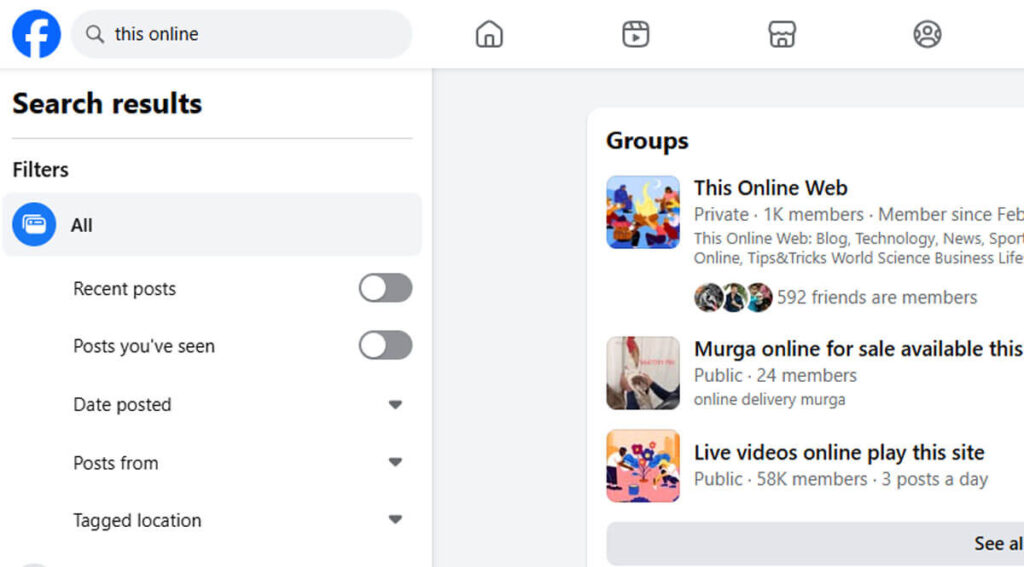
Facebook’s search bar and filters also help you find posts, groups, and pages about your topic.
Sorting posts by most recent helps you find new conversations that may need your attention.
Follow Industry Publications and Reporters Closely
To stay updated on possible mentions, follow the social media accounts of important publications in your field.
When possible, set up alerts for certain reporters or sections that often share relevant stories.
Taking these steps helps you stay informed and ready for any changes.
If keeping up with monitoring is too much, working with an Online Reputation Management (ORM) company can be very helpful.
They can help you track your social media presence, alert you to new trends, and manage requests to remove content that breaks platform rules.
Make a List: Maintain a Comprehensive List of all the Articles
If you only have a few articles, a simple checklist might be enough.
But if you have many URLs, using a spreadsheet like Google Sheets or Excel is very useful.
This way, everyone has one reliable place to check, so nothing gets missed.
Once you add the URLs and key details, you can improve your spreadsheet by adding columns to track each article’s status and next steps.
This ongoing document can serve as your main resource, especially if legal counsel or outside agencies get involved. It helps keep everyone on the same page.
Key Columns to Consider:
Name, email address, and phone number of the webmaster or editor
Dates of contact and follow-up
Notes, ownership of next steps, and final decisions (such as removal, update, or decline)
Staying organized like this helps you avoid missing deadlines, sending the same email twice, or forgetting important updates.
Being thorough is especially helpful if lawyers are involved.
Spending a few minutes to organize now can save you a lot of frustration later and show you are acting in good faith.
Step 2: Request to Remove Content from an Online News Publication
This step works best when you are dealing with just one or two stories.
But if you have a long list of URLs on different platforms, letting an ORM partner handle outreach can make a big difference.
Still, sending a clear, polite request can work well, especially if you include supporting documents and offer helpful solutions.
For example, instead of asking for full removal, suggest editing or updating the content.
Be clear about what change you want and why, as this can help you achieve better results.
Identify the Right Contact Within the Publication
Find the Publication’s Contact Information
Start by finding the right person to contact, usually the author’s editor, the managing editor, or the editor on duty.
Navigate the publication’s website, particularly the header or Contact page, to locate role-specific email addresses.
Reaching out to these specific contacts is much more effective than sending requests to general inboxes like contact@ or support@, which are often ignored.
If the publication maintains a documented policy regarding edits or content modifications, ensure that your request adheres to those guidelines.
In the absence of such a policy, email the editor with a concise synopsis to inquire about the correct procedure for submitting your request.
Staying polite and friendly during this process increases the likelihood you’ll get a quick, positive reply.
Present Your Argument
Newsrooms have important moral and legal responsibilities to report the truth.
Several common defenses help protect this principle:
Newsworthiness defense: This means an article covers topics that serve the public interest and could have a big impact on society.
This defense highlights the need for transparency about issues that affect the entire community, such as government actions and social justice concerns.
Substantial Truth Doctrine: This rule says that small mistakes in a report do not change its main message or core truth.
As long as the main facts are correct, minor details can be overlooked without making the report defamatory.
Wire Service Defense: News organizations can use this defense when they rely on information from trusted wire services.
This defense points to the reliability of the source and protects the news outlet by using information from established, credible journalism organizations.
Fair Report Privilege: Journalists are protected by this rule when they accurately report on official events or proceedings.
This legal protection allows journalists to share information from public records, such as court documents or government statements, without fear of consequences.
It helps keep the public informed about important government actions and legal matters.
Incremental harm Doctrine: This principle says that when journalists update or clarify earlier reports, any extra impact on a person’s reputation or well-being is usually small.
This recognizes that news evolves over time and that it’s important to update earlier information as new facts emerge.
Opinion and Fair Comment Privilege: This defense allows journalists to share opinions or commentary about public figures or events, provided it’s clear the opinions are not facts.
Making this distinction is important to balance free speech with protecting people from defamation.
Statute of Limitations: Many places have strict deadlines for filing defamation claims.
If the deadline has passed, news outlets are usually not responsible for the original publication.
Knowing these deadlines is important for anyone trying to challenge harmful articles.
For advice specific to your situation, it’s best to talk to a lawyer who knows media law.
In many states, the deadline for defamation claims is short.
If it has passed, news outlets are unlikely to remove the content.
A skilled attorney can help you document ongoing harm and explain whether actions such as expungements, sealed records, or court orders can support your request for updates or removal.
If the fair report privilege applies, especially to articles based on official records, you should request a revision rather than a full removal.
This way, new facts, legal results, or positive changes can be added, making the reporting more accurate.
When requesting updates, providing certified copies of key documents can strengthen your request.
Send in Your Request for Content Removal
Submit Your Content Removal Request

When you contact a news outlet about your concerns, stay calm and professional.
Don’t use insulting language or make accusations you can’t prove. Focus on the facts, point out any mistakes, and explain the real harm the article has caused, such as harassment, job loss, or threats to your safety.
Write a short, clear summary of your concerns in order, include links to evidence, and clearly suggest what you want—such as a redaction, update, or full removal of the content.
If it makes sense, you can add a personal note about how the article affects your family or ongoing harassment.
Also, suggest practical solutions. If full removal isn’t likely, ask for certain names or images to be removed, or suggest an update that adds new information and changes the context of the article.
If there are legal issues, it can help to have your lawyer send the removal request, along with documents like court rulings, expungements, dismissals, or identity theft reports.
Because several media outlets might review your request, make sure it is clear and complete for the best chance of success.
Have Perseverance
If your initial attempts are ignored or rejected, it’s important to follow up and escalate your request respectfully.
Make sure you’re reaching out to the right person. If you started with the article’s author, try contacting the section editor next.
If you still don’t get a response, reach out to the managing editor or ombudsperson. Mention your previous messages to keep things clear.
Try different ways to contact them. Sometimes, a phone call can show urgency better than an email.
Keep a clear record of your efforts to show you’re acting in good faith. Take notes, schedule follow-ups, and track responses in a spreadsheet.
Stay professional and persistent throughout the process.
If you make your request with clear structure, facts, respect, and supporting documents, media outlets are usually more willing to help.
Step 3: Request that Google Take Down the News Article
Ask Google to Remove the News Article
Remember, Google can’t remove articles from the internet because it doesn’t own the content.
However, in some cases, Google may limit search results.
If the content breaks Google’s rules, violates legal rights, or includes sensitive personal information, Google may take action.
If the article stays online despite your efforts, it can get harder to have it removed or changed.
Do Your Research
In these cases, keep standing up for your rights and explore every available option.
Old information that is no longer useful can be hard to find or access online, leading to confusion and frustration for users.
This problem often comes up when people accidentally find private or sensitive information, like bank account numbers, government IDs, or cases of doxxing, where someone’s personal details are shared publicly without their consent.
Clear violations of intellectual property rights, such as trademark or copyright infringement, can also create serious legal problems.
Content that breaks current laws can make things even more complicated and may lead to serious consequences.
Before you try to fix these problems, it’s wise to talk to an expert in Online Reputation Management (ORM) or a legal professional.
Their advice will help you decide if your situation needs action.
If you’re unsure about what to do, make sure to gather strong supporting materials for your case.
This could mean collecting evidence like screenshots, relevant links, dates, and any records showing how the outdated content has affected you.
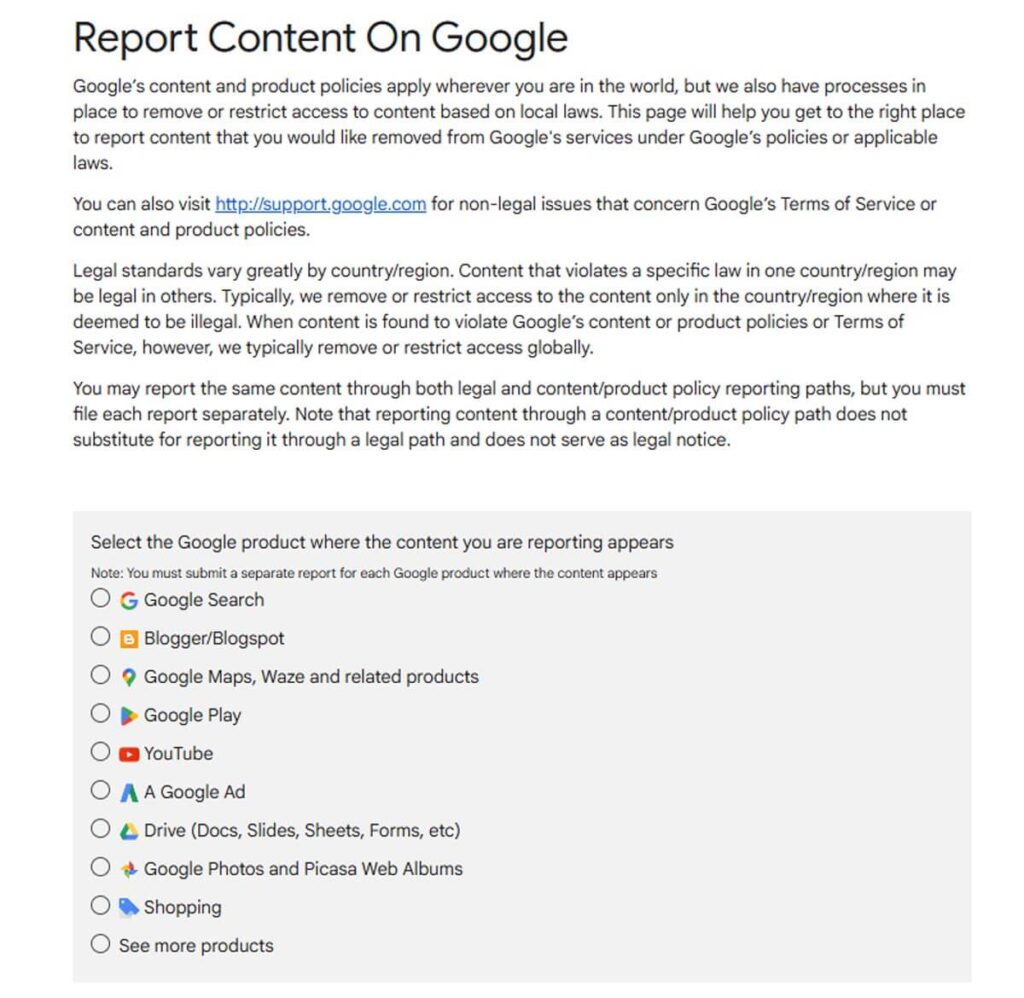
Submit Your Removal Request
When you’re ready, you can submit a formal removal request through Google’s legal support site. Be sure to choose the right product, like Google Search.
Follow the guidelines carefully and give clear, detailed information about the URLs you want removed.
If possible, add screenshots to strengthen your request.
Be clear about where and what personal information is shown.
Even if publishers change or remove content, Google might still show old images or text that no longer match the current page.
This can leave people with an unwanted online presence.
Remove Outdated Content That Is Still Indexed
If this happens to you, you can use Google’s outdated content removal tool to ask for an update.
To start, click “New Request” and follow the instructions on the screen.
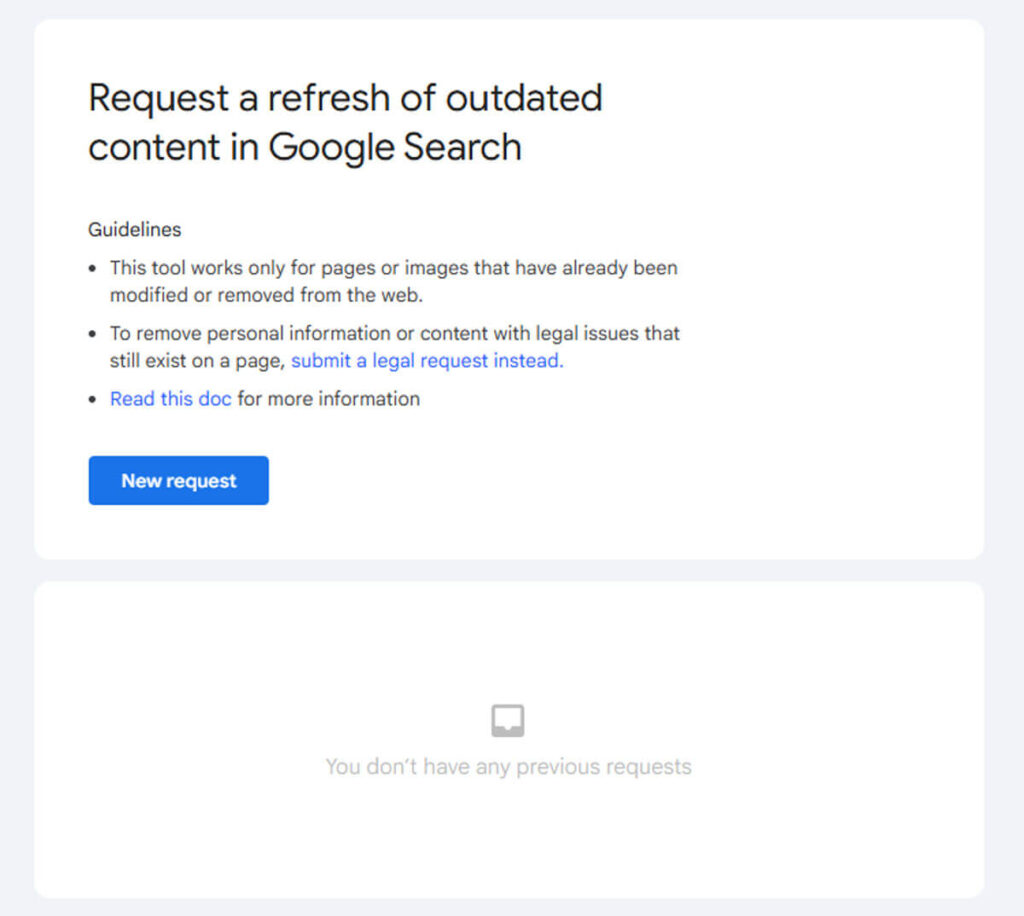
You’ll need to give the correct URL or image link during this process.
If the page is still online, explain what has changed to help Google review your request.
Remember, this tool is only for pages you don’t control and for content that has been removed or changed a lot.
If you own the page, update it yourself and then ask Google Search Console to reindex it.
Once you’ve sent your removal request, you can check its status in the removal tool.
The status might show as Pending, Approved, Denied, Expired, or Cancelled.
Even after your request is approved, it can take a few days for Google to update its search results and images with the latest information.
Step 4: Remove News Article
If you can’t remove negative content, focus on making it less visible.
This means creating better and more relevant content to push down the negative results.
Usually, this involves building and improving positive content that attracts visitors and links.
Hence, the unwanted content moves further down in search results, ideally to the second page or beyond, especially for main keywords.
Be ready to put in steady effort over several months for this to work.
If you’re new to keyword research or short on time, working with a trusted online reputation management company can help.
These experts combine technical SEO skills with strong content creation and digital PR strategies to get the best results.
Identify Keywords in the Negative Article
To track keywords linked to the negative article, find out which search terms make it appear in results.
This might include searches for your full name, your brand, a news topic, or an executive’s name with their city.
This list of keywords will be your main focus for ongoing optimization and content creation.
Check your rankings each week to see which content is getting more visible and where you need to improve.
If you’re new to keyword research, begin with the basics and use tools to check how often keywords are searched and how competitive they are.
Google Keyword Planner is a great free tool to start with.
Add branded modifiers like locations, job titles, or product names to your keywords to better target your search rankings.
Focus on the keywords that are most visible and relevant to the negative result.
Optimize Your Existing Content
Improving your current content usually leads to faster ranking gains than creating new pages from scratch.
By updating and expanding your most trusted content, you can better match what people are searching for and answer any follow-up questions.
Use different strategies to improve your current content and build a better online presence.
When creating headings and subheadings, ensure they align with your audience’s needs and answer their main questions.
Use simple and direct language to make your content easy to understand and accessible to everyone.
Expand key sections to fully answer what people are searching for.
Fill in any missing information with clear explanations, timelines of key events, and a helpful list of FAQs that cover common questions.
To make your content more accessible and relevant, add or update photos that catch the viewer’s eye. Use descriptive filenames and alt text to help with search engine rankings.
Also, use clear, interesting anchor text for your internal links, especially on important pages. This helps users find what they need and understand key information more easily.
Create New Content
When creating content, aim to regularly publish new, helpful resources that rank well for searches related to your brand.
This can include press releases, detailed product explainers, case studies showing real results, FAQs for common questions, thought leadership articles, engaging bios, and multimedia content like well-made YouTube videos.
Build trust by adding author bylines to your content and including clear publishing dates.
Share your resources on different platforms to get more backlinks and engage your audience.
Over time, newer, more relevant articles often replace older ones, especially if the new content is more useful and demonstrates greater expertise.
Older stories are not completely removed, but they may be ignored if they appear beyond the first page of search results.
Keeping your brand’s search results well-managed is important for shaping how people see your brand or business.
Step 5: Use Legal Channels
If an article contains damaging or defamatory statements or violates your privacy, it’s important to consult a lawyer who specializes in media law or defamation.
A legal expert can guide you through the process and explain your rights and options.
One helpful step is to draft and send a cease-and-desist letter.
This formal letter requests that the harmful content be removed.
It should clearly state which statements or actions are harmful and explain how they have affected your reputation or well-being.
This letter officially shares your concerns and is an important step in protecting your rights and reputation.
Sending this letter can also prepare you for further legal action if the other party does not respond.
Taking these steps shows you are serious and helps protect your personal and professional reputation.
Step 6: File a Complaint

If the publisher ignores your efforts or refuses to remove the article, you may need to take things further.
This could mean sending a formal complaint to the regulatory bodies or industry authorities that oversee media practices.
When you file a complaint, keep records of your prior efforts, including dates, messages, and any replies.
These records support your claims and show you tried to resolve the issue fairly.
The right regulatory body depends on where you live, but often includes media commissions, press councils, or industry watchdogs that set ethical standards.
By raising your concerns through these channels, you help your own case and also support better publishing practices overall.
These organizations can investigate complaints and enforce rules to ensure compliance with standards.
Taking these steps can help solve your problem and encourage accountability in the publishing industry.
Step 7: Monitor and Follow Up
Staying alert and involved throughout the process is key to getting results.
Keep detailed records of all your communications, including emails, phone calls, letters, requests, and responses.
These records create a clear timeline, show your persistence, and can help if any disputes come up.
Follow up regularly, staying persistent but professional.
Use a polite but firm tone in your messages to remind others that your case matters.
Be clear about what you are following up on and refer to earlier messages to show your commitment.
Staying proactive keeps your case in focus and shows your dedication to finding a solution.
You may face challenges that need patience and resilience, but staying involved is important.
Your steady efforts will help you address and reduce the impact of unwanted content, moving you toward a solution.
Step 8: Work Partner With a Reputation Expert
If you feel stuck or need quick, reliable help, working with a reputation management expert can make a big difference.
These experts use outreach, legal help, technical SEO, content planning, and link building to remove or reduce negative content effectively.
Companies like BetterReputation, Erase.com, NetReputation, or the Reputation Defense Network will look at your situation and the publication’s policies to set a realistic timeline and create a plan that fits your needs.
These professionals know how to find the right contacts at publishers, handle the paperwork for content removal or correction, and run campaigns that can greatly improve your online presence.
They use digital PR strategies to get your positive content noticed and earn strong backlinks that boost your credibility.
In short, by combining content removal, Google requests, and ongoing suppression, you can reduce the visibility of negative news over time.
This process helps you replace negative impressions with pages that show you or your business in a better light, improving your reputation and building trust with your audience.
10 Best Tools to Track Your Brand With AI Overview & Chat Assistant
8 Easy Steps: How to Remove Personal Information From Google
6 Easy Steps: How to Test New Marketing Channels Find More
How to Remove Google Search Results: Follow 9 Easy Steps
20 Ways To Social Proof Your Brand For Marketing Success