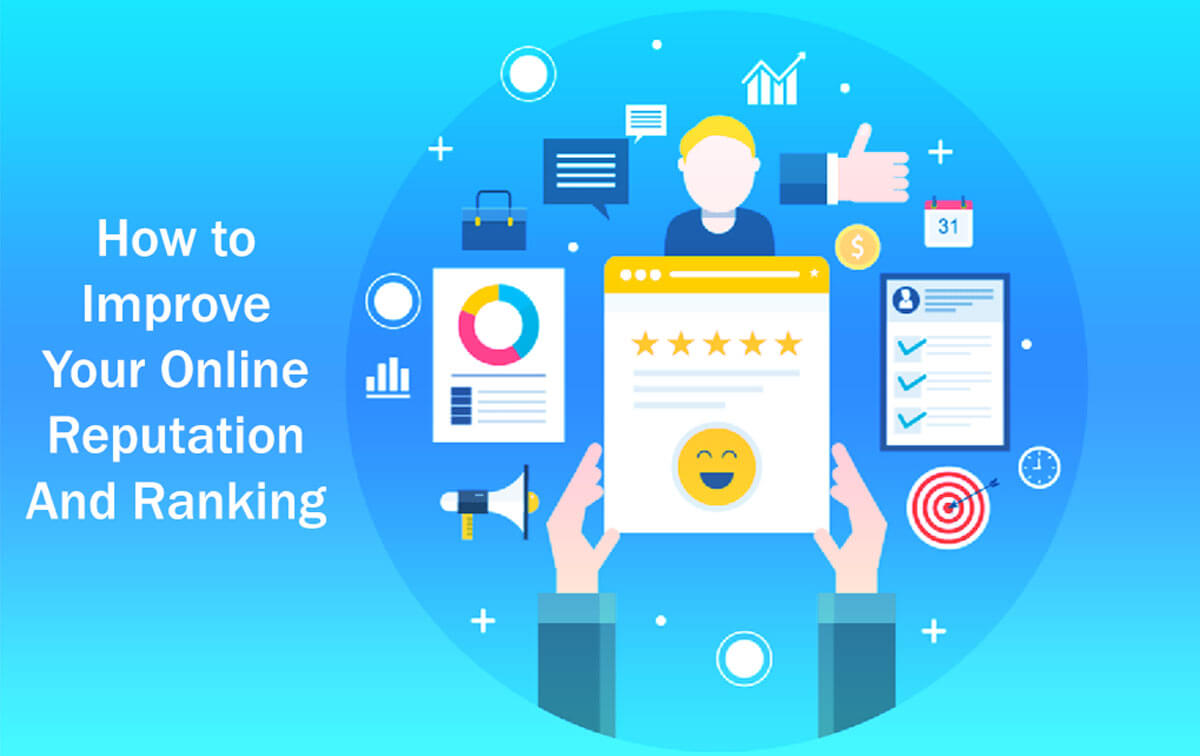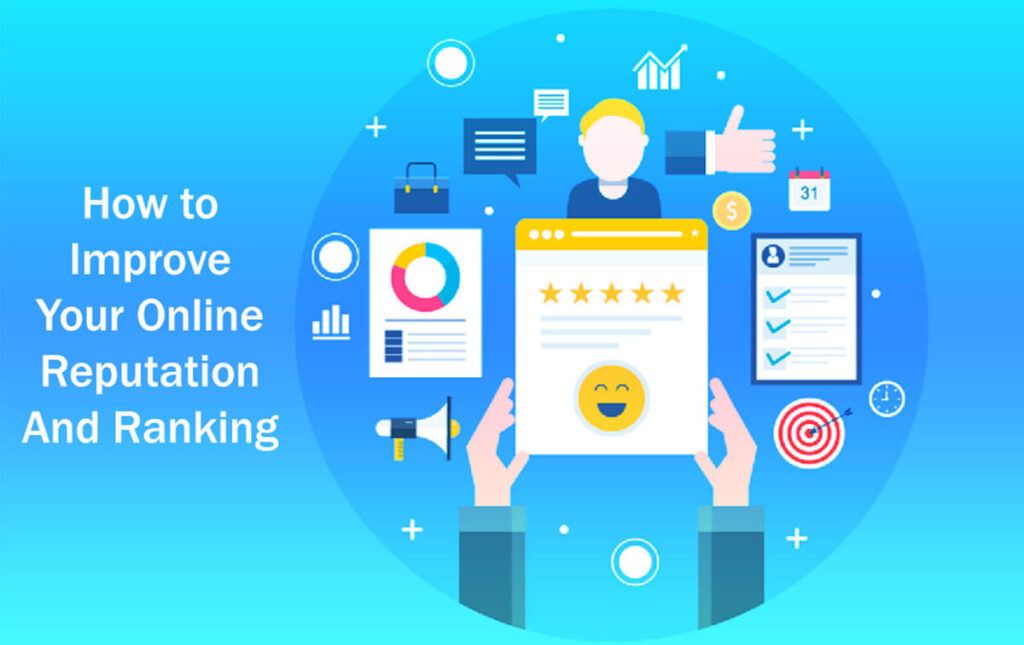





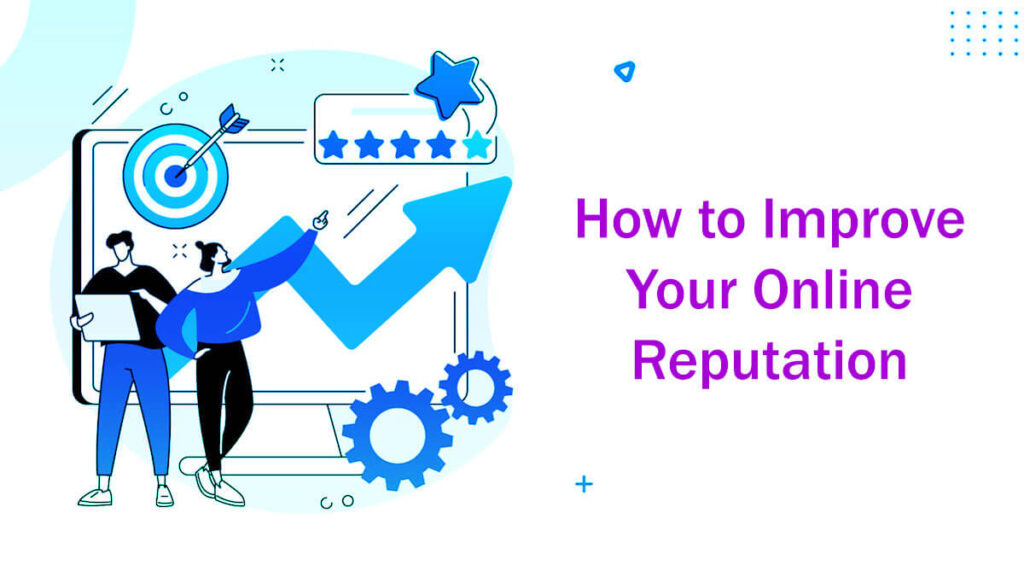
Here are 13 easy steps on how to improve your online reputation and earn your audience’s trust. You’ll find practical ways to manage your reputation, strengthen your online presence, and handle reviews thoughtfully.
These tips cover everything from responding to customer complaints and managing reviews to encouraging positive feedback and monitoring your brand’s reputation.
With the right tools and techniques, you can build social proof and use user-generated content to help your business stand out online.
Some links in this post may earn me a commission, as This Online Web relies on reader support.
Still, my opinions and recommendations are always honest and unbiased.
Your online reputation is really important for building trust, welcoming more visitors, and encouraging them to make a purchase.
The first step is understanding just how important it is.
It can be tempting to sit back and hope for the best, but with a clear plan and a few consistent actions each month, you can quickly start rebuilding and improving your reputation.
Here’s a step-by-step guide to help you boost your online presence.
This guide covers quick actions you can take now, long-term strategies, and tips for keeping up your progress while following the rules of different review sites.
Top 13 Steps: How to Improve Your Online Reputation?
Work with a Reputation Management Expert
Working with a reputation management expert can help you reach your goals much faster.
Many trusted firms serve clients of all kinds, from big companies to local businesses and personal brands.
A good partner can help you create custom response guides for different situations, fix wrong business listings, build positive online content that shows up in search results, and run review campaigns that follow each platform’s rules.
A strong agency will focus on your goals and comfort level, so you don’t have to hire someone full-time or spend time learning everything yourself.
This teamwork helps whether you run a personal brand, a local store, or a business with many locations.
Build or Improve Your Website
Create (Or Optimize) Your Website
Think of your website as your digital headquarters, a space where you have complete control.
Social media is great for connecting with people, but you can’t control their changing rules and algorithms.
Your website brings together your brand story, proof of value, how you work, and ways for people to contact you.
Today’s website builders make it easy to set up a fast, secure site.
Start by checking your website’s Core Web Vitals, like how fast it loads, how it responds, and how stable it looks. Fix any issues that could undermine visitor trust or sales.
A simple site structure is a great place to start. Organize your site into main sections such as Home, About, Services or Products, Reviews or Testimonials, and Contact.
As you go, add helpful resources, detailed service pages, and a strong FAQ section to your site.
A professional portfolio or personal website that shows your achievements, media mentions, speaking events, and clear contact details can really boost your credibility, whether you’re a business or an individual.
To build trust, use real photos, clearly state your value at the top of your homepage, ensure your site loads quickly, use HTTPS for security, and offer easy ways for people to contact you, such as phone, email, or live chat.
Also, add a section for reviews and testimonials right on your site. Even if these reviews don’t show up as rich snippets in search results, they still help show your audience that others trust you.
In short, if you actively manage your reputation and improve your website, you’ll build a strong online presence that earns trust, encourages engagement, and helps your business grow.
Boost Your Online Presence
In today’s fast-changing digital world, people need ways to confirm who you are and what you do. When your information is easy to find and matches across different sites, it builds your reputation and helps customers trust you.
If you only use one review site, your business can easily get overlooked by your audience.
People now research businesses on many devices and websites, looking for a complete picture of what you offer.
Having a well-made Facebook profile is a good first step, but it’s not enough on its own.
Customers often check several review sites that fit their industry and location. No single site is the top choice for everyone.
A helpful infographic from BrightLocal shows which review sites matter most to users.
Even though the popularity of these sites can change, one thing stays the same: customers find and judge your business on many different platforms, such as:
Yelp: Popular for detailed business reviews, especially for restaurants and service businesses.
Facebook: A key social platform where businesses can interact directly with customers and get feedback.
Google (Google Business Profile): Essential for local businesses to be found by customers searching for nearby services.
TripAdvisor: Important for travel and hospitality businesses, as customers use it to find reviews and recommendations.
Better Business Bureau: Helps build trust by showing your business is transparent and reliable.
Yellow Pages: Still useful for local listings, especially to reach older customers.
Apple Maps (via Apple Business Connect): Important for reaching iOS users looking for local businesses on their phones.
Bing Locations: Used by Windows users to find local businesses, giving you another way to reach customers.
G2, Capterra, Trustpilot: Key sites for software and B2B reviews, which help attract business clients.
Indeed and Glassdoor: Important for building your employer reputation and attracting new hires.
To strengthen your online presence, set up or claim your profile on every review site that matters to your business and fill in all the details.
Consistency is key. Use the same name, address, and phone number (NAP) on every profile and your website.
Make your profiles better by adding good photos, choosing the right categories, and writing clear descriptions that speak to your audience.
Don’t forget about unclaimed listings. Customers can leave reviews even if you haven’t set up an account.
When you claim these listings, you can update your info, add photos, and quickly reply to customer comments. Helps you connect better with your audience.
Check important details regularly, such as your phone number, address, hours, service areas, website link, and holiday hours.
Wrong information can hurt how people see your business and make you seem less trustworthy.
When your information is consistent everywhere, it shows search engines and customers that your business is trustworthy.
If a potential customer contacts you after seeing a negative review, you don’t want them to find the wrong phone number or incorrect business hours.
It’s important to manage your basic information so you don’t miss out on second chances with customers.
Also, don’t forget about Apple Business Connect and Bing Places.
Many people, especially those using Windows or mobile devices, use Apple Maps and Bing to find businesses.
Apple Business Connect lets you manage your business listing, add photos, run promotions, and see useful data from Apple Maps.
Encourage Your Clients to Leave Reviews
Ask Customers to Leave Reviews
Negative reviews are inevitable, but they shouldn’t overshadow your positive feedback.
Having lots of positive reviews helps balance out any negative ones.
When many customers are happy and leave good reviews, it lessens the effect of any bad experiences.
That’s why it’s important to have a simple, steady way to ask for reviews and follow each site’s rules.
Find your happiest customers—people who just bought from you, got great support, or had a good experience—and ask them for feedback.
Reach out while their experience is still fresh. Make your request personal, clear, and friendly.
Make sure it’s easy for customers to leave feedback on their phones, with direct links to the review sites that matter most to you.
Don’t use “review gating,” which means only asking happy customers for feedback.
Also, don’t offer rewards for reviews on sites that ban them, like Google and Trustpilot.
For example, Yelp doesn’t allow you to ask for reviews at all.
Instead, focus on giving great service and keeping your profile up to date to attract good feedback naturally.
You can take inspiration from companies like Sleefs, which emailed customers to ask for reviews and boost engagement.
They encouraged people to take part without directly asking for high ratings.
Still, make sure you know the review rules for each site, since many don’t allow incentives or review gating.
If you’re unsure, keep your review process simple and open, rather than offering rewards or asking for only great reviews.
Let customers choose how they want to leave feedback—on Google, industry sites, or even your own website.
When you make it easy for people to share their thoughts, you build trust and strengthen your online presence.
Customers gain a lot from social proof when they share their experiences with others.
When people write reviews, a few negative experiences matter less overall.
Reviews act as testimonials and show how customers generally feel.
Using emojis and friendly language in emails and texts can boost click-through rates by helping people feel more connected.
Always show real gratitude and sincerity to customers, and avoid being pushy to build a strong relationship.
Having a mix of neutral, positive, and even some negative reviews makes your feedback seem more trustworthy.
Potential customers value honesty, and trying to look perfect can actually seem fake.
So, make it easy, honest, and consistent when asking for reviews.
Your business’s real quality will show up in your ratings and how easily people find you online.
Showcase Client Testimonials
Customer Testimonials
Testimonials from happy clients are powerful and can really boost your business’s credibility.
Showcasing strong quotes and stories on your website helps attract potential customers.
Reach out to your most enthusiastic clients and ask them to share their experiences as testimonials.
Encourage them to mention the challenges they faced, how you helped solve them, and the good results they saw.
Ask for permission to use their name, title, company, and photo to make their testimonial feel more real.
This approach helps different audiences relate to one another and builds trust.
Whenever you can, highlight testimonials from well-known companies, respected professionals, or recognized experts.
Their endorsements can sway even hesitant buyers. For example, if you sell musical instruments, a quote from a famous guitarist or respected music professor will mean more than a generic testimonial.
Address Customer Complaints Publicly
Publicly Respond to Customer Complaints
Dealing with negative reviews can be tough and may put your team in a tricky spot.
You might want to defend your team, but arguing in public rarely helps.
Remember, potential customers are observing how you manage these situations.
Begin by recognizing the customer’s experience and assuming they mean well.
Respond with empathy, apologize if needed, and explain what you’re doing to fix the problem.
Ignoring complaints can hurt your reputation, as silence may make people think you don’t care.
If you reply quickly and thoughtfully, you can often turn unhappy customers into loyal fans.
Always treat every customer with respect and make sure they feel heard.
Focus on solving the problem, not on winning the argument, even if the criticism is harsh. Keep your replies short, thoughtful, and focused on action.
Best Buy is a good example—they handled a Facebook complaint about one of their stores very well.
They admitted the problem without getting defensive, asked for details, and took steps to fix it.
In their follow-up, they kept the customer’s identity private.
They showed the right way to handle things: admit the issue, explain what you’ll do next, and never share private details in public, all while staying calm.
Expert Tip: Create templates for common situations, such as billing questions, delivery delays, or service issues. Helps you respond quickly and consistently.
Give your frontline employees the power to solve simple problems on their own. Makes things run more smoothly and avoids sending too many issues to managers.
Streamline Your Website by Removing Advertisements
Remove Ads From Your Website
How your website looks and feels can have a big impact on whether visitors trust you.
Busy pages, annoying pop-ups, and unrelated ads can slow down your site and make you seem less trustworthy.
For a better user experience, use clean layouts, easy-to-read fonts, and clear headings.
Make sure your site works well on phones and is easy to navigate so visitors can contact you easily.
Clearly explain your policies, like privacy, warranties, and refunds, in a place that’s easy to find. Builds trust.
Figure out what makes your website more trustworthy, then see how your current site measures up.
If possible, remove third-party ads that don’t generate much revenue.
Ads that are too aggressive or off-topic can take attention away from your main message and products.
A simpler website design makes your site more welcoming and helps build trust with visitors.
Ad revenue can bring in extra income, but it’s important to balance these benefits with the long-term value of gaining new clients and the risk of cluttering your site with too many outside ads.
If your primary objective is selling products or services, prioritize crafting a seamless and engaging user experience.
Try to minimize disruptions from third-party ads so they can enjoy browsing without interruptions.
To keep users happy, avoid heavy scripts or pop-up ads that can disrupt browsing on mobile devices.
Fast-loading, well-organized pages help users feel confident and make their experience more enjoyable.
If you use popups, make sure they’re easy to close, don’t show up too often, and appear after a short delay. These steps help keep the user experience smooth.
Ask Your Clients to Share Their Photos
Prompt Customers to Upload Their Photos
Reviews with real customer photos can be very powerful.
These photos give potential buyers a real look at your product, helping them know what to expect and building trust.
Many people trust photos from other customers more than the polished images brands create.
So, it’s important to give customers reasons to share their photos with their reviews.
Using customer photos shows real experiences with your product and highlights its authenticity, while marketing images can sometimes look too perfect.
When it comes to trust, real photos matter more than perfect ones.
When these photos are accompanied by honest reviews, even basic smartphone photos can encourage more people to make a purchase.
To encourage more photo reviews, try running a prize draw for customers who include photos with their feedback.
This approach can greatly increase the number of photo reviews you get.
However, always check the rules of each review platform, since some don’t allow these kinds of incentives.
Never ask directly for positive reviews. Instead, use neutral language when asking for feedback.
If a platform has strict rules, provide clear instructions for uploading a photo.
For example, always respect policies like Trustpilot’s ban on incentives or Yelp’s discouragement of direct requests.
This method works even better when it’s part of a larger giveaway campaign.
Get customers to share photos with their reviews by using easy prompts like “Show how you’re using it” or “Before/After” to inspire creativity.
Highlight User-Generated Content
Share User-Generated Content
Reviews with customer photos are valuable, but you can make a greater impact by sharing user-generated content on your social media.
Not everyone adds a photo, so pick the best customer posts, get their permission, thank them, and give them credit when you share.
User-generated content lets you share real, relatable photos that connect with your audience and fit current trends or seasons.
Real photos of everyday people using your products offer strong social proof, often more convincing than studio shots.
Always thank and tag the people who created the content, and make sure you have their permission before reposting.
When customers see others using your products, it builds trust in your brand.
This connection increases engagement and can lead to more sales, thanks to the trust user-generated content creates.
To get the most out of user content, make a unique brand hashtag, share these posts often, and get permission to use customer photos in your emails and on your website.
Make your repost approval process simple so you can share content quickly and keep it on-brand.
Monitor Your Online Presence and Reputation:
Use Tools That Track Your Reputation

Do you know how your brand looks online? If you haven’t had a major issue, you might not see the full picture.
A few reviews or comments don’t always show what people really think about your brand overall.
Stay proactive by using monitoring tools to track your brand’s mentions across social media, news outlets, blogs, review sites, and forums.
Set up Google Alerts for your brand name, common misspellings, executive names, and product categories to get quick updates on what people are saying.
For deeper reputation management, try tools like Rankur or similar platforms that gather reviews and analyze sentiment. Pick the one that fits your reporting needs.
If you use Apple Maps for your business, Apple Business Connect provides built-in analytics, including search metrics, views, and user actions. Check these each month to see how you’re doing.
By keeping track of all this information, you can make smart decisions to improve your online presence and reputation.
I encourage you to explore different strategies creatively and thoroughly to improve your approach.
Begin by creating a weekly summary to track your activities and progress, ensuring you don’t miss any important details.
Your summary should include key performance indicators, trends, and insights from the week.
Keep an eye on the number of reviews and average ratings across platforms, and set up alerts to notify you of a sudden increase in negative feedback.
By monitoring in real time, you can respond quickly to any issues and protect your brand’s reputation.
If you use several review sites, try combining your reports to see your overall performance more clearly.
Think of this as setting up a radar system. It helps you spot anything unusual and take action when needed.
Keep in mind that if you don’t measure your progress, it’s almost impossible to make real improvements.
The first step is to make sure you can see and track your performance metrics.
Next, use the insights you’ve gathered to take clear, data-driven actions.
Make Your Blog a Top Priority:
Start Prioritizing Your Blog
Your blog is a strong tool for building your website’s authority and your industry reputation.
When you regularly share valuable and trustworthy content, you build credibility and make it more likely that both customers and search engines see you as a reliable source.
Blogging remains one of the top ways to demonstrate your expertise, earn backlinks, and rank for the keywords your audience is searching for.
If you’ve read my advice before, you know I’m passionate about creating content.
High-quality blog posts not only attract organic traffic to your site, but they can also generate leads that are more likely to convert.
Follow a steady posting schedule to keep your audience engaged and coming back.
Use different types of content, like case studies to show real-world examples, analogies to explain tough ideas, FAQs for common questions, and how-to guides with clear steps on your main topics.
Be sure to add clear next steps and internal links that guide readers to your main guides and the products or services you offer.
Use visual content such as infographics, charts, and images to clarify complex ideas in an easy-to-understand and shareable way.
When others reference your work, it increases your visibility and supports your reputation as a field authority.
To foster trust with both readers and search engines, provide detailed author profiles, cite trustworthy sources, reveal any conflicts of interest, and ensure your older content remains up-to-date and valuable.
Collaborate With Social Media Influencers:
Partner With Social Influencers

Influencers can help you reach more people and build real peer-to-peer trust, which traditional ads often can’t do.
Studies show that people’s buying decisions are strongly influenced by recommendations from peers and content creators, especially in the visual industries.
The real advantage of influencer marketing is that it can build credibility on a large scale.
Working with an influencer introduces your brand to an engaged audience that already trusts them, making people more open to what you offer.
It’s important to find influencers whose audiences, values, and content styles align with your brand’s mission.
Micro-influencers often get great engagement at a much lower cost than bigger influencers.
Make sure you have permission to use content and always disclose sponsorships to stay transparent and ethical.
Avoid deceptive practices or fake reviews, especially on platforms like Meta.
A broad, unfocused marketing campaign can be less effective than working closely with a few well-matched influencers.
In these partnerships, quality is always more important than quantity.
Try using unique discount codes or trackable links to measure results, so you can focus on what works best.
Improve Your Online Profiles
Take the time to complete your social media and networking profiles fully. Make sure they highlight what makes your brand unique.
Start by choosing clear, high-quality images that showcase your professional side and align with your brand’s style.
It might mean using a professional headshot or custom graphics that reflect your brand’s message.
Ensure uniform branding across all platforms by consistently using identical logos, colors, and fonts.
This consistency helps strengthen brand recognition and recall.
Also, update your profile descriptions to show your unique skills, values, and experiences.
Add keywords from your industry to help people find you and show you understand your field.
A strong, well-made profile is more than just an online resume. It’s often the first thing new contacts or clients see, and it can encourage them to learn more about you and your work.
Every detail counts because it shapes how others see you online.
Engage with Your Communities
Look for and join online groups or forums where your target audience spends time.
These might be LinkedIn groups, Facebook communities, or industry forums like Reddit or Quora.
Spend some time reading the discussions to learn what members need and what challenges they face.
Participate in discussions by sharing your expertise, answering questions, and offering helpful tips to help others solve problems.
For example, if you know a lot about digital marketing, share case studies or practical tips that show what works best.
Doing this shows others you’re a helpful expert and builds your credibility in your field.
When you engage honestly in these groups, people feel more connected and are more likely to value what you share.
As you build trust, you can form real relationships that lead to collaborations, mentorship, or client referrals.
These connections can broaden your professional network and create new projects, partnerships, and career opportunities.
Use public relations Strategies

With the digital world changing quickly, it’s important to be ready for unexpected challenges to your online reputation.
If something goes wrong, reach out to an experienced PR professional who knows how to handle crises.
Their expertise can help you manage tough situations quickly and protect your brand’s reputation.
Being proactive not only lowers the risk of bad publicity but can also boost your brand’s presence online.
A skilled PR professional can help you create messages that connect with your audience and share them across different platforms.
Not only does it make your brand more visible, but it also builds trust and a stronger connection with your audience.
A good PR strategy also means keeping an eye on what people and the media are saying, so you can respond quickly and show your commitment to your values and customers.
Have You Tried Everything and Still Not Seen Results? It Might Be Time to Get Professional Help
Tried Everything but Still Having No Luck?
Reputation management is an ongoing process that demands constant vigilance, quick responses, strategic publishing, and continuous enhancements.
If these tasks start to feel overwhelming, consider seeking help from professionals who know this field well.
Trying to handle everything yourself can end up costing more than hiring a qualified partner. Remember, your time matters.
A good partner will give you clear, useful reports, stick to high ethical standards, and let you focus on your own growth.
For more help, you can find all my recommendations and insights here.
How to Write Emails Your Subscribers Will Open Quickly: 8 Easy Steps to Follow
What Is Customer Psychology: A Complete Guide 5 Easy Steps
Guaranteed Removals Review: Simple Pros and Cons 12 Steps
8 Easy Ways: How to Remove News Articles from the Internet
10 Best Tools to Track Your Brand With AI Overview & Chat Assistant