




Here’s a helpful guide to building an audience before launching your business. Focus on creating engaging content and understanding your community through market research, niche selection, and audience insights.
Use strategies such as content marketing, community building, and email list growth through lead magnets and guest posting.
Keep connecting with your audience through feedback, surveys, and consistent engagement, and you’ll be well on your way to turning readers into loyal customers.
Remember, growing your audience is a step-by-step journey, and every effort counts toward your success!
Some of the links on this page may earn me a commission, since This Online Web is supported by its readers.
That said, these commissions do not affect my opinions or the advice I share.
Building an Audience Before Starting Your Business
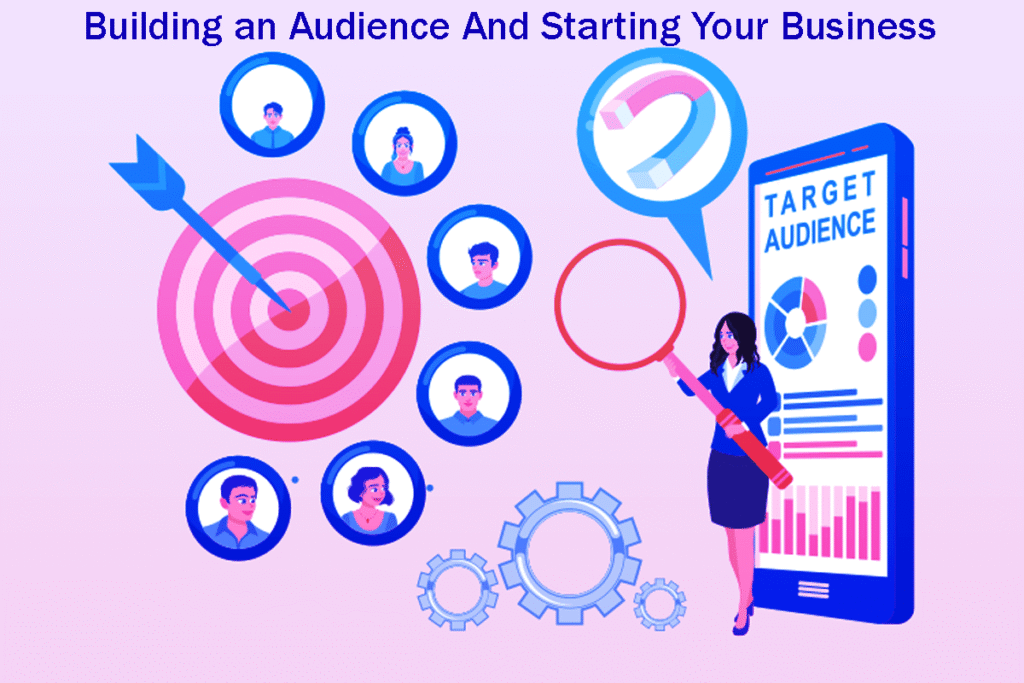
The big question is: How do you build a successful business?
There are many ways to succeed, but most fall into two main business models.
The traditional way is to create a product first, then look for people who want to buy it.
This product-first model has helped many businesses succeed and offers a clear way to start making money.
Entrepreneurs spend time and money building a product, hoping there’s a market for it.
This method can bring quick profits, but there’s a real risk that the product won’t match what the market wants.
Another approach that’s becoming more popular is the audience-first model.
This newer method focuses on building a community and getting to know its members before making a product.
It’s about finding real people, understanding their problems, and creating solutions that fit their needs.
This model relies on building relationships and trust with your audience before you offer them anything.
Each strategy has its own pros and cons.
The product-first model might bring in money quickly, but if you misjudge what people want, you could end up with unsold products and wasted money.
On the other hand, the audience-first approach builds trust and loyalty by using content to connect with people.
Entrepreneurs who become trusted experts in their field help their audience see their challenges more clearly and build trust along the way.
Once this trust is built, entrepreneurs can offer products or services that truly meet their audience’s needs.
This often means more people buy, since the products feel made just for them.
But keep in mind, building these relationships takes time, and it might be months or even years before you see real profits.
So, which model is best?
The truth is, neither one is always better than the other.
Both models have helped many big companies succeed in different industries.
Your choice depends on factors such as your timeline, skills, budget, and the level of risk you’re comfortable with.
If you can wait for income while you grow your audience and reputation, the audience-first strategy might help you avoid product risk. Still, like any business, there are no guarantees.
If the audience-first approach aligns with your goals, you’re starting an exciting journey with significant potential.
Next, I’ll share seven practical ways to use content to grow your audience and eventually create a product they’ll really want to buy.
Step 1: Find a Profitable Audience in Markets with Real Demand
Building a strong audience doesn’t happen by accident. It takes careful planning and real commitment.
First, choose an audience that truly interests and excites you.
Building a loyal following takes time. You’ll likely spend months creating valuable content before you see real results.
Your motivation should come from a genuine desire to help the people you want to help.
For example, I focus my writing on marketing advice for founders, small business owners, and marketers because I’m truly passionate about marketing.
Even when I don’t see quick financial rewards, I keep creating content because I really want to help my readers grow.
Write down all the audiences you’d be happy to support for months, even if you don’t see quick results.
You might find a few good options, but pick one and research it well.
Look for a specific niche where you can become an expert and build strong relationships.
For example, if you’re good at marketing, don’t just target all marketers.
Instead, focus on helping new small business owners with content marketing.
Specializing in this manner enables you to address genuine issues more effectively and enhances the utility of your advice. You may always broaden your focus as you accumulate additional experience.
But be careful not to build an audience made up mostly of people who aren’t likely to buy anything.
For example, strict minimalists focus on buying less, so they’re unlikely to respond to product marketing.
On the other hand, people who love home decor are always looking for new products and ideas.
If you offer something great that fits their needs, they’re much more likely to buy.
How do you know if your audience is a good fit for business?
One sign is if they’ve bought similar products before.
Do some market research, look at what people are buying, and check out forums or social media groups to see if there’s real demand for what you want to offer.
Checking for real market demand is an important part of finding profitable opportunities.
A useful way to assess demand is to examine the competition in your target market.
If there are many competitors in a market, it usually means there is a good opportunity there.
Competitors show that there are already customers willing to buy, which can be promising for new sellers.
Also, many products in different areas do not meet quality standards.
Providing a significantly improved product distinguishes you from competitors and draws in customers who prioritize quality.
On the other hand, if there are few or no competitors, it might mean that customers are not interested or are not buying.
In that case, you may want to look at a different audience or market.
Make sure to carefully check demand for the three product categories below.
This will help you see if your idea has a good chance of success.
Product Category #1: Physical Products
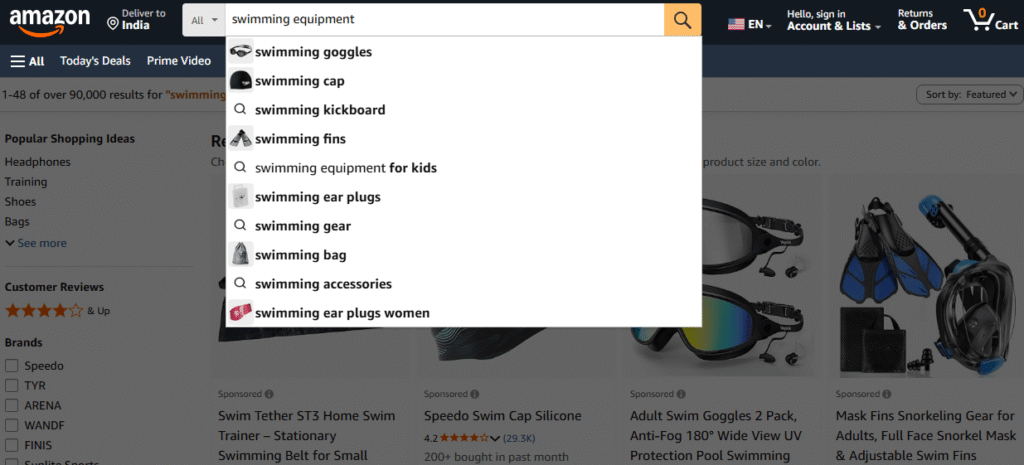
Physical products are especially popular with certain groups, such as hobbyists and enthusiasts, who prefer hands-on items.
For example, if you want to serve swimmers, they need easy access to equipment that helps them enjoy swimming more.
To check demand for these kinds of products, websites like Amazon are very useful.
Begin by typing keywords that match what your audience needs, such as “swimming equipment,” into the Amazon search bar.
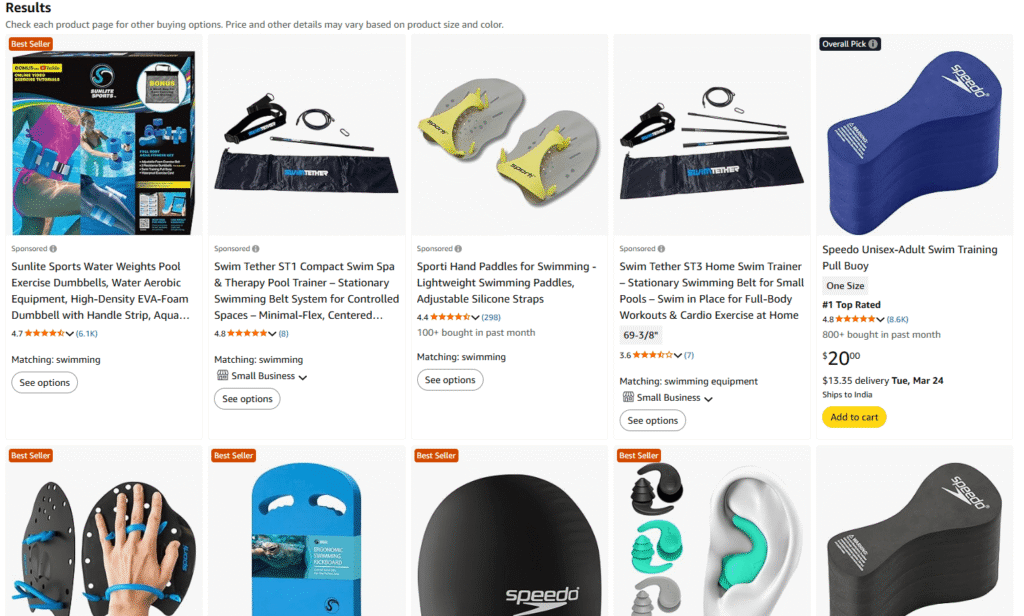
After you get the search results, look closely at the top products.
Check for two main things: clear signs of demand, such as high sales and visibility, and a good price range.
It’s best to see products that start at about $10 and go higher.
This shows that buyers are willing to pay for quality, not just the cheapest choice.
Also, check how many reviews popular products have. Usually, 100 or more reviews mean the product sells well.
If there are few reviews because the product is very niche, use your own judgment to determine whether there is real demand, rather than focusing only on numbers.
For example, looking at Amazon search results might show strong demand for swimming gear if you see hundreds of customer reviews on top products.
Also, if you see products starting at about $10 and others that cost more, it suggests that buyers are willing to spend more for better swimming gear.
Product Category #2: Educational Products
Many people are interested in buying digital learning tools like e-books, online courses, and guides.
Amazon is also a good place to check if there is demand for educational products.
You can browse the Kindle Store by category or search for keywords that match your interests.
For example, searching for “swimming” may show many book titles with different numbers of reviews. These reviews are helpful because books usually get fewer reviews than physical products.
Try to find at least a few well-known sellers to help you understand this market.
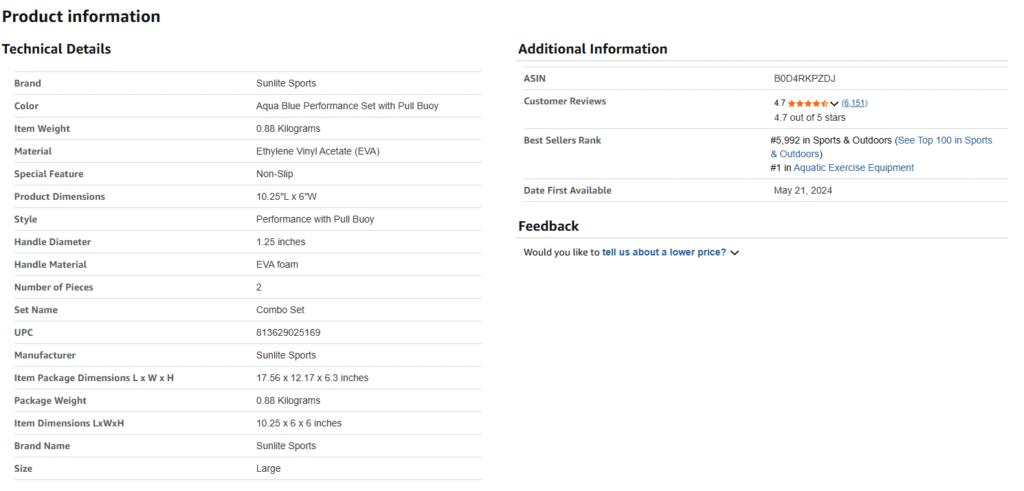
To learn more, look at individual product pages and check things like their Kindle Best Sellers Rank. This can show you how popular they are.
However, remember that the Kindle marketplace does not represent the entire audience, so its results may not reflect the full demand.
For certain keywords, you can use tools like KDSpy to get sales estimates and learn more about demand.
If you see little sign of demand for informational products, it might mean your audience is not very interested in digital learning.
For example, in the swimming market, there may be some demand for educational materials, but it is not very strong.
Product Category #3: Software Products
Today, many people online, including marketers, freelancers, designers, and DJs, look for web tools and apps to help them work more effectively.
These users want to work efficiently, so they invest in software that makes their tasks easier.
To learn about the software your audience uses, try searching Google with specific keywords.
If you do not see many ads or software tools in your search results, there may not be much business interest in that area.
But if you search for keywords that marketers use, like tracking solutions, you will often find many comparison sites, ads, and well-known brands.
This strong presence shows that the market is well developed and that buyers are very interested.
To better understand demand, try searching for other related terms your audience might use.
After you check demand across all three product categories, you can start focusing on the best option.
If none of the categories look promising, you may need to look for different audiences.
If only one category seems promising, think about whether you would enjoy working on that kind of product for a long time.
When people start something new, they usually choose from a few clear options.
Some people prefer physical products or in-depth courses that promise results.
Others are excited by Software as a Service (SaaS), which can grow and adapt easily.
There’s no single right answer for everyone in this situation.
In a perfect world, physical products, courses, and SaaS would all be in high demand simultaneously.
But as you get ready to move forward, it’s important to decide what to make by doing solid research and checking your ideas.
As you explore different audiences and test your ideas, notice which groups don’t fit with your goals or interests.
Focus on the audience that excites you and sparks your creativity.
Step 2: Start With ‘Put Your Audience First’ Before the Main Content
At this point, understanding your audience matters more than your product or first blog post.
You need to research your audience’s demographics and interests, unless you already know them well.
Start with Demographics:
Demographics are measurable traits that describe your audience.
These can include things like:
Geographic Location: Where your audience lives can shape what they want and need.
Age Range: People of different ages may care about or engage with topics in different ways.
Gender Identity: Knowing your audience’s gender can be important, especially in areas like fashion or health.
Income Levels: This tells you how much your audience might spend and what they can afford.
Educational Attainment: Education level can affect how people understand information and what they value.
Religious Affiliations: Religion can matter, depending on your topic.
Ethnic Backgrounds: Culture can shape what people like and how they respond to your message.
Marital Status and Number of Dependents: These details can affect people’s choices and priorities.
Figure out which demographic details matter most for your niche.
For example, gender is key for a blog about high heels, but less important for topics like cooking or business marketing.
Focus on the demographic details that matter to your audience and ignore the rest.
Tools such as Google Analytics are highly beneficial for uncovering demographic information, especially if you already possess a website.
They provide an invaluable method to better understand your audience and tailor your endeavors accordingly.
Google Analytics 4 gives you detailed reports on your audience’s age, location, language, gender, and interests.
You can also use Google Ads’ Audience Insights, Meta Business Suite, or other trusted tools to get more information about your audience.
Your goal is to build a clear picture of your reader. This will help you decide how to structure your content, choose your tone, and pick topics.
Next: Psychographics
Psychographics look at your audience’s beliefs, attitudes, and preferences.
Ask yourself these questions:
What makes them curious or interested in your topic?
How important is your topic to them?
Is it their job, a serious hobby, or just something casual?
How do they like to get information?
Do they prefer videos, articles, podcasts, or interactive content?
What common questions or problems do they have in your niche?
What are their concerns or goals?
Are they beginners, people looking to learn more, or experts who want advanced tips?
Answer these questions clearly to build a good picture of how your readers think and what they like.
This detailed profile will set you up for your next step.
Step 3: Positioning: You as the Top Choice and the Clearly Preferred Option
By now, you’ve found a possible audience, which means you’ll face some competition.
But don’t let competition stop you.
There are smart ways to stand out.
What Is Positioning?
Positioning involves selecting the angle or perspective that effectively connects your audience with your brand and aligns with their interests.
For example, if you want to reach social media marketers, you’re entering a crowded and competitive field.
If you only share general “social media tips,” you might get lost among big names like This Online Web and Social Media Examiner, who are already trusted in this space.
People usually turn to brands they know for basic advice.
Still, even top websites and creators have gaps.
They serve many different people and can’t meet everyone’s unique needs.
Some people want quick, practical tips.
Others want deep dives into platforms like Pinterest or TikTok.
Broad content often misses these special interests.
This gives you a great chance.
If you can serve a specific group better than others, you’ll create your own space in the market.
Aim to offer content that truly connects with your audience and meets needs they can’t find anywhere else.
For example, you could become the go-to expert for fast, strategic Pinterest marketing tips.
When people look for quick, focused Pinterest strategies, you want them to think of you, not just another marketing blog.
The Reward: Loyalty
People are much more likely to engage, share, and stay loyal if your content feels made just for them.
Find Your Position with a Positioning Matrix:
To see your unique angle, make a positioning matrix.
This simple tool lets you plot key factors on two axes, so you can see where competitors are and where you can stand out.
This will help you see how to set yourself apart and attract the right audience.
Step 1: Identify Differentiators
Start by carefully figuring out which qualities matter most to your target audience.
These are the unique traits they value most.
Differentiators can include many factors that readers either like or dislike.
For example, some readers want simple, beginner-friendly advice, while others prefer more detailed and complex content.
Here, the level of difficulty is an important way to set your content apart.
Common differentiators include:
Level of Difficulty: This can range from easy (good for beginners) to hard (meant for advanced learners), so you can match your content to different skill levels.
Detail Orientation: Content can range from short overviews to detailed step-by-step guides that delve into the topic. The amount of detail you include can affect how satisfied your readers are.
Content Type: Different formats can appeal to different parts of your audience. Videos, graphics, image-heavy posts, or text articles can all shape how your content is received.
Experience Level: Ensure your content speaks to everyone, from beginners who need the basics to experts seeking advanced tips.
Cost Considerations: Offer pricing options such as free, budget, or premium to fit your audience’s needs and budgets.
Content Length: The length of your content significantly impacts reader engagement. Whether you create brief pieces for quick consumption or extensive, detailed guides, consider carefully how much content to include.
Add any other differentiators that matter for your specific niche.
Step 2: Identify Competitors
Next, make a list of 8 to 12 websites your target audience visits often.
If you’re new to this field, start by doing a quick Google search to find possible competitors.
Look at the top blogs in areas like social media marketing as a first step.
A clear visual, like a screenshot of Google search results, can help with this process.
Pay attention to site names and favicons that stand out in Google searches to find well-known publishers.
You can also add to your list by checking out niche platforms your audience talks about in forums, comments, newsletters, and other community spaces.
Aim to end up with a list of about ten competitors.
Google searches will show you some top options.
You can also look at industry roundups and resources your readers already follow.
Step 3: Plot Your Competition
Pick two differentiators from your list and use them to make a matrix that maps out your competition.
You can do this with pen and paper, a spreadsheet, or any drawing tool you like.
Here’s one way to set up your matrix:
An illustration of a blank matrix diagram.
Next, look at each competitor and place them in the right spot on your matrix.
For example, competitors with long, advanced articles go in the ‘Long’ and ‘Hard’ sections, while those with short, beginner guides go in the ‘Short’ and ‘Easy’ sections.
As you fill in your matrix, look for any gaps in the market:
A graphic depiction of a matrix diagram featuring several content platform examples.
Try to find at least one open spot that shows a chance for niche growth.
Maybe there’s a need for quick, professional tips or for long, detailed guides for beginners.
After you spot these gaps, pick two different differentiators and repeat the mapping process.
Most big niches have some gaps—you just need the right way to find them.
Step 4: Build an Audience First to Attract Followers (Before Regularly Posting Blogs)
Now that you know where you stand, you might want to start blogging right away, but it’s important to wait a moment.
Even great content can go unnoticed if you don’t have an audience yet.
Promotion works much better when you already have some followers.
So what should you do first?
Connect with your audience where they already hang out online and encourage them to visit your website.
You have two main goals to start with:
Once you’ve published a few great blog posts, ask readers to join your email list so you can connect with them directly.
Or, use a strong lead magnet to bring people to a landing page where they can get valuable content in exchange for their contact info.
Your main objective is to establish a strong foundation of a few hundred loyal readers before you begin publishing regularly.
Once you have this foundation, your growth can take off as your community shares your new posts and content.
In this important early stage, focus on strategies that quickly bring in the right audience. Here are two effective methods:
High-Growth Strategy #1: Guest Posting.
Find popular sites that your target readers visit and write quality articles for them.
Suggest topics that align with your overall content plan so the audience you want sees real value in what you share.
High-Growth Strategy #2: Sponsored Acquisition.
If you have a marketing budget and want fast results, use sponsored ads to promote your best blog post or lead magnet.
Depending on your audience, marketing channel, and offers, you might see subscriber costs from $1 to $3 or more after a few tries.
Keep optimizing your spending.
Step #5: Grow Your Audience by 5–15% Each Month with Consistent Publishing
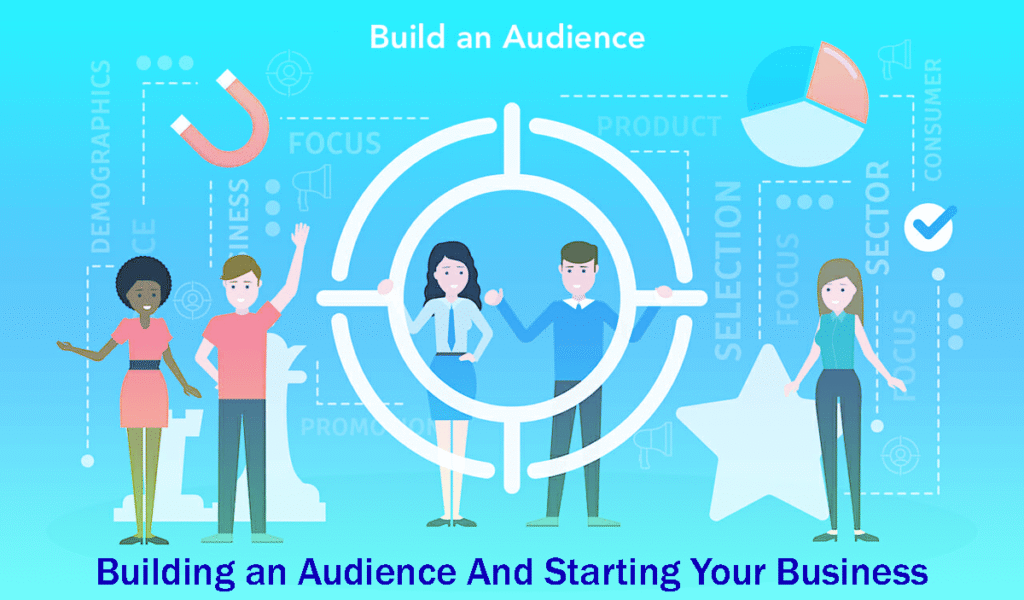
After you’ve built a foundation for your audience, posting quality content on your website regularly can help you grow by 5–15% each month.
This growth rate might not seem impressive at first, but its real power comes from compounding over time.
For example, imagine starting with 500 readers and aiming for steady 10% growth each month for two years.
If you chart this growth, you’ll see you could reach about 5,000 loyal readers in 24 months.
That’s a big achievement for any online publisher.
In reality, you might even surpass this number since these estimates are on the cautious side.
So, it’s important to focus on the strategies that enable this growth and aim for the 5–15% range.
How to Achieve This Growth?
You can break this growth process into three key parts:
Part 1: Create a Content Idea Bank
Start by gathering a wide range of ideas that resonate with your audience. This will help you keep publishing regularly.
Hold regular brainstorming sessions to generate topics that fit your niche and remain interesting to your readers.
By planning ahead, you can create connected content, link your posts strategically, and always have ideas ready—so you’re not scrambling at the last minute.
Try to gather enough topics to last you two or three months of publishing.
If you’re running low on ideas, check out resources like “Where to Find Inspiration for Your Upcoming Blog Post” or “Create Clickable Content Ideas” to get inspired.
Part 2: Establish a Sustainable Publishing Calendar
Once you have your list of ideas, set up a publishing schedule you know you can stick to.
From my own experience, I post several times a week, but that pace might be too much for some people.
Pick a schedule that fits your current workload, whether that’s weekly, every other week, or monthly.
The main point is that being consistent matters more than posting often.
It’s better to publish regularly than to burn out on a schedule you can’t keep up with.
To stay organized, use a simple content calendar to map out your publishing timeline.
You don’t need fancy tools—a basic spreadsheet is enough to keep track of your upcoming posts.
Part 3: Foster Direct Communication with Readers
To build a real connection with your audience, you need a clear plan for engaging with them.
If you don’t reach out regularly, even your best content can be forgotten.
Email is still the best way to connect, so start building your mailing list early and take good care of it.
You can also use one social media platform to reach more people, but treat it as a backup, not your main way to connect with readers.
Step #6: Let Your Audience Help Shape the Products They Want

After you’ve built a loyal group of a few thousand engaged readers, you’re in a great spot to come up with product ideas that really fit your market.
Knowing your audience well gives you an edge. Because you’ve built trust, they’re more likely to try your products and give you helpful feedback.
Here are three practical ways to find product ideas that could succeed:
Option 1: Present Your List of Product Ideas
You probably already have five to ten good product ideas in mind.
To test these ideas, try sending small batches of pitches to your subscribers.
This helps you see what people are interested in and lets you collect pre-orders, so you know there’s real demand before you launch.
For example, Bryan Harris from Growth Tools (formerly VideoFruit) shared how he does this.
He started by making a clear course proposal, including a mockup that showed the main features and benefits.
Next, he chose 50 subscribers to try it out. By picking a small group, he could manage feedback without overwhelming his whole audience.
He kept his outreach short and to the point, which led to real conversations:
(Include a visual of the email illustrating the sales funnel template utilized by Bryan Harris.)
He repeated this process with different ideas, slowly increasing the group size as more pre-orders came in.
Bryan started with groups of fifty, then moved up to seventy-five and finally one hundred people, which led to strong engagement.
Out of 225 people he reached out to, 39 placed pre-orders. That’s a great sign of interest and demand.
(Accompany this section with an image showcasing Bryan Harris’s course pre-orders.)
Once he saw there was real demand, he shared the news with his whole mailing list. The results matched his hopes, with lots of positive feedback.
By using these focused methods, you can meet your audience’s needs and set your products up for a strong launch and steady growth.
Option #2: Engage with Your Audience Through Surveys
Surveys help you learn about the challenges your audience faces and determine whether they are ready to invest in potential solutions.
When you create effective surveys, you can learn what problems your audience faces, what they like, and how they make buying decisions.
After you review your survey results, you can use what you learn to create targeted pitches or set up detailed interviews.
This method helps you pinpoint the best ways to develop products and marketing strategies that truly meet your customers’ authentic needs.
Option #3: Tune Into Feedback and Conversations
People often talk about what they want or need, especially when they feel something is missing from the market.
For example, someone might say they really want a complete guide to making high-quality videos without expensive studio equipment.
Saving this kind of feedback, like taking a screenshot, can give you great ideas for new products.
If you see the same request come up five or more times, especially if people say they are willing to pay, that is a strong sign you should act.
Creating a solution to this demand can yield significant results and help your business stand out in the market.
Step #7: Convert Loyal Readers into Content Buyers
Once you know there is real demand for your product, focus on showing it to your target audience in the best way.
You do not need to use a hard-sell approach now, since you have already built strong relationships with your audience.
Instead, try sending a well-planned email series that matches your audience’s interests and needs.
You can also use webinars to promote higher-priced products, since they are a great way to connect with potential customers.
If you need ideas, check out platforms like Adweek.
They have many webinars that can help you with both the format and content of your presentation.
Conclude your sessions with a clear, low-pressure offer.
After you share useful information about your product and connect with your audience, you might be surprised at how many people buy—sometimes as many as 10% to 20%.
In Conclusion
You have two choices: develop your product first and then look for buyers, or build your audience before you start selling.
But focusing on building your audience first has big advantages.
This way, you build trust in the market, identify the problems your customers really have, and create products they actually want.
You lower your risk and increase your sales, which helps you reach success faster.
In short, your audience is the foundation of your seven-step business development plan.
Next, choose a specific niche, verify demand, and get ready to publish your first article this week.
Taking these steps now will help you build lasting growth and success.
NetReputation Review: Pros and Cons, Easy Overview
13 Ways to Improve Your Calls to Action: Follow Easy Steps
Top 15 Best Digital Marketing Agencies: Easy Steps
Top 10 Best AI SEO Tools: Follow Easy Steps
Top 15 Best CRM Software: Follow Easy Steps