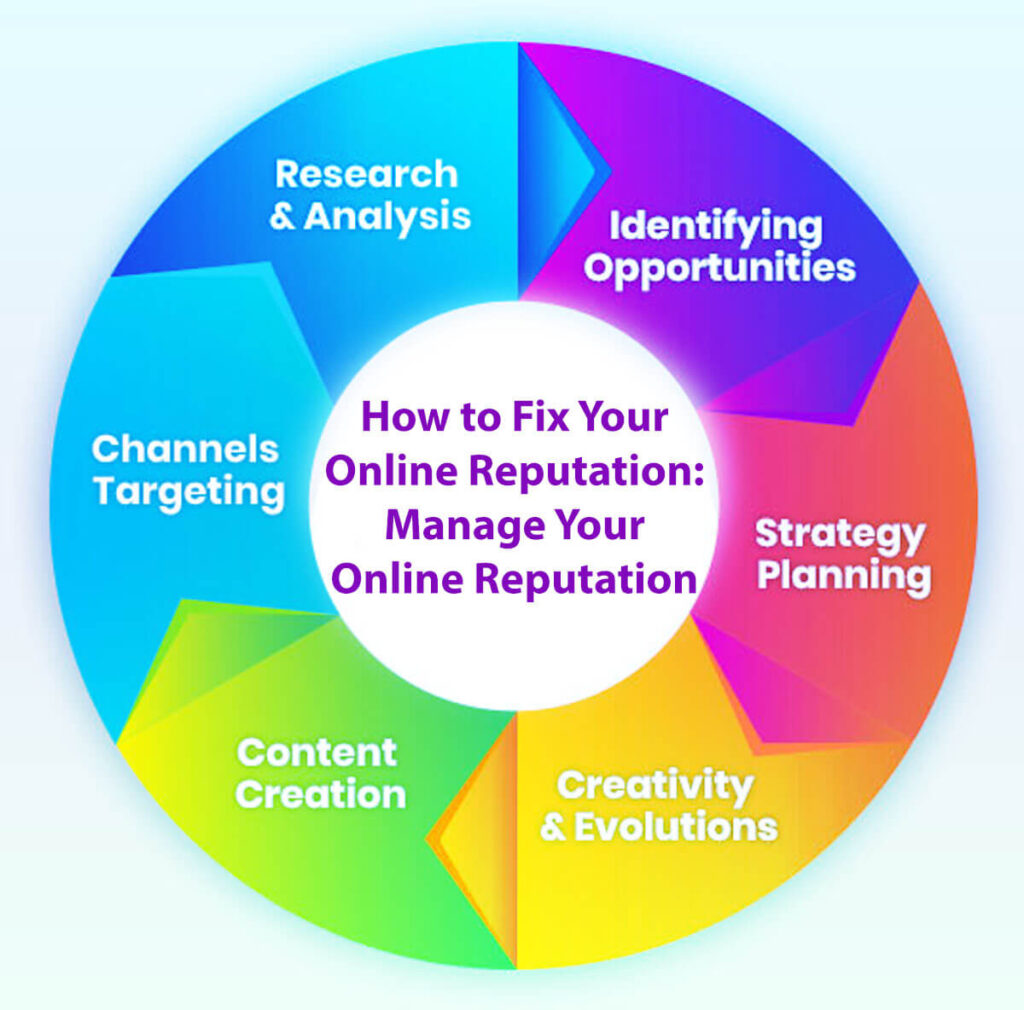





How to Fix Your Online Reputation: Manage Your Online Reputation in 8 Easy Steps. Start by managing your online presence, removing negative content, and monitoring your digital footprint. Claim your online profiles and respond to reviews to help build a stronger reputation.
These tips are useful whether you run a small business or want to improve your personal online image. They can help you protect and grow your digital brand.
Today, most consumers do their homework online before deciding what to buy.
They search for information, check out brands and products on search engines, read reviews from other users, and look at social media to see what customers
It’s not just regular shoppers—hiring managers and potential clients also check a company’s online reputation before making decisions.
If they find negative comments, bad press, or poor reviews, they might choose a competitor instead.
If your online reputation isn’t where you want it to be, this guide will help you fix it and build a trustworthy presence for the future.
How to Fix Your Online Reputation: Manage Your Online Reputation in 8 Easy Steps
8 Steps to Fix Your Online Reputation
You might not be able to remove every negative mention, but ignoring them can make things worse and lead to unexpected costs.
Even if you can’t remove all negative content, you can use smart strategies to highlight your brand’s strengths, push down the bad stuff, and make it easier to handle future problems.
The main goal is to create positive, trustworthy content that shows up above negative results in search engines.
Here’s a clear action plan you can follow:
Claim All Your Online Profiles: Start by making sure you control all your social media accounts and business listings.
This step is crucial for building a strong online presence. Sign up on platforms such as Google Business Profile, Yelp, and TripAdvisor if they are relevant to your business, since they can boost your visibility.
Monitor What Is Being Said About You: Monitor online conversations about your brand by setting up alerts for your name, business, and key keywords.
Use tools like Google Alerts or social listening platforms to monitor your online reputation effectively.
Request Deletion of Negative Information: If you find negative content, contact the website or platform and ask them to remove it.
Many sites have rules for removing harmful or false material, so taking action early can help limit the damage.
Harness the Power of SEO: Use search engine optimization (SEO) to make your positive content easier to find.
Concentrate on selecting the appropriate keywords, producing high-quality content, and configuring your web pages to achieve better rankings in search results.
Helps your positive content show up before any negative mentions.
Engage with Your Audience: One of the most important things you can do is interact with your audience.
Respond promptly to comments and messages. Encourage customer feedback and create a friendly community around your brand to build trust and show you value their input.
Builds goodwill and trust with both current and future customers.
These steps might seem simple, but fixing your reputation takes time. It usually takes weeks or even months, not just a few days.
If you feel discouraged or don’t want to handle this alone, you might consider hiring a professional reputation management company.
A reliable partner can help restore your online reputation, allowing you to focus on managing your business.
Two companies often recommended for this are BetterReputation and Reputation Defense Network.
BetterReputation is known for being clear, fast, and affordable, with services designed for small businesses.
Reputation Defense Network offers additional services, such as content removal and legal assistance, but these services usually cost more.
The Simple Aspects of Fixing Your Online Reputation
There’s no quick fix for your online reputation, but some basic steps can give you fast results:
Claim Your Profiles: Begin by claiming all your business and social media profiles, like Google Business Profile, Yelp, and TripAdvisor, especially if you’re in hospitality.
Even posting once in a while can help show your brand is trustworthy.
Set Up Alerts: Use Google Alerts to keep an eye on your name, brand, key people, products, and even common misspellings.
Choose the “as-it-happens” setting to get instant updates about your brand, so you can deal with problems before they grow.
Also, turn on Google’s “Results about you” dashboard to keep track of your personal info and make it easier to ask for removals.
Implement a Reputation Management Strategy: Set up a simple plan to ensure you consistently respond to all mentions, good or bad, promptly.
Create a process for handling customer feedback and ensure your responses remain professional.
Challenge in Online Reputation Repair
Claiming your online profiles is easy, but managing them well is much harder.
Managing social media takes steady effort and sometimes a dedicated team. Just claiming your profiles isn’t enough to fix a damaged reputation.
You need to keep creating high-quality content, understand what your audience likes, and use SEO effectively to overcome stubborn negative results.
Be ready for a long process. It can take weeks of creating content and steady monitoring before you see real improvements in search rankings.
Checking negative search results often can be discouraging, so try to stick to your plan and keep a steady pace without getting overwhelmed.
If this all feels overwhelming, you’re not alone. Many organizations find it helpful to hire professionals who can guide them through reputation management.
You should consider BetterReputation or Reputation Defense Network, both of which are known to be effective in this area.
This way, you can take the pressure off yourself and focus on what you do best: running your business.
Secure All Your Online Profiles
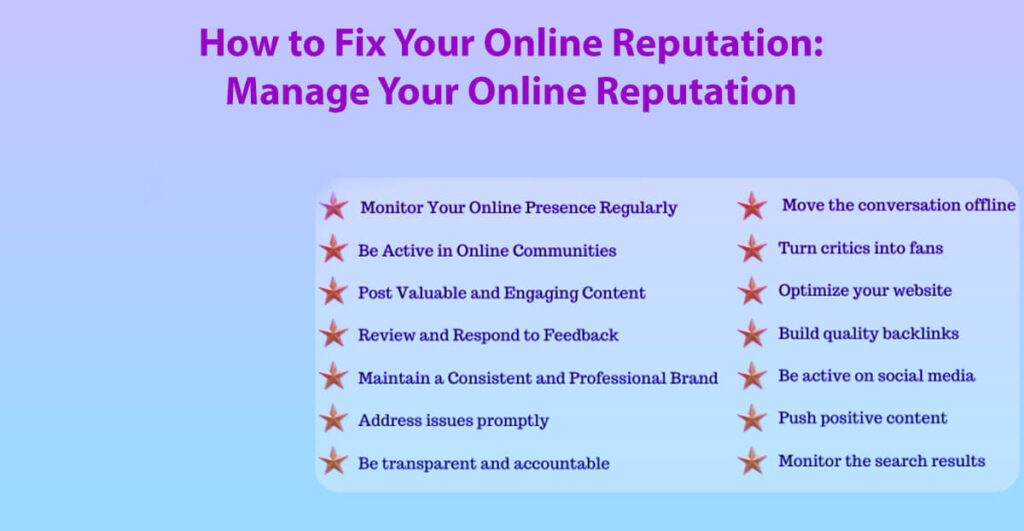
Begin by reviewing all your online profiles to build and manage your online presence effectively.
Make a list of all your profiles, including both personal accounts and those linked to your brand.
Also, look for any business-related profiles you haven’t claimed yet.
Claiming these profiles is important because it shows you are authentic online and helps attract leads, employers, partners, and journalists who might want to connect with your brand.
Social Media Channels:
Select the social media platforms most used by your target audience.
Make sure each profile is filled out, as this shows your brand is professional and trustworthy.
Important platforms to consider include:
Facebook Business Page: This is a key platform for connecting with your audience, showing your products, and running targeted ads.
X (formerly Twitter): Good for real-time updates and direct interaction with followers, letting you answer questions or concerns quickly.
LinkedIn Company Page: Best for B2B networking and sharing industry content to build your authority.
Instagram: Great for sharing visuals that show your brand’s personality, products, and behind-the-scenes moments.
Pinterest: Works well for brands that use visuals to inspire people and bring them to their websites.
TikTok: This fast-growing platform is great if your audience is younger and you can make engaging videos.
YouTube: Use this widely used platform to share tutorials, webinars, and videos that showcase your products or services.
After setting up your profiles, make sure your bios, contact details, and branding are consistent across all platforms.
Keeping things consistent helps people recognize your brand and trust you more.
There are big benefits to keeping these profiles up to date.
These profiles often show up high in search results, making your brand more visible. They also give you more ways to share your story directly with your audience.
Social media is also where customers can see what you’re doing each day and share their own experiences, good or bad.
On platforms like Facebook, customers can also leave reviews.
By staying active on these networks, you can connect with your audience, handle their concerns, and spot problems early before they grow.
Business and Review Sites:
Besides social media, remember to claim important business listings, such as Google Business Profile and Yelp.
These sites often show up high in search results and make your business look more legitimate.
They also facilitate easy review submissions from satisfied customers, helping to boost your reputation.
Keep in mind that on Yelp, people can write reviews about your business even if you haven’t claimed your listing yet.
If you don’t claim it, you won’t be able to reply to reviews or respond to feedback.
It’s important to claim your listing as soon as possible.
You should also claim industry-specific listings to get even more visibility. For example:
Restaurants, hotels, and attractions should prioritize TripAdvisor claims to reach a tourist audience.
B2B software companies might focus on platforms like G2 for relevant reviews and industry recognition.
Healthcare, legal, and home services sectors should seek out high-visibility directories tailored to their specific industries.
By following these steps, you can grow your online presence and strengthen your reputation in your market.
Assess the Damage
Start by thoroughly checking your name or brand across different online platforms.
Begin by utilizing search engines such as Google to collect initial information. Subsequently, explore social media platforms such as Facebook, Twitter, Instagram, and LinkedIn to stay informed about current trends. Remember to also consult review websites like Yelp and Trustpilot for further insights.
Collect as much information as you can about what people are saying about you.
Look out for any negative content, such as bad reviews, critical articles, or harsh posts on social media.
Think about how this content might affect your overall reputation and credibility.
It’s important to understand the context, such as whether the comments are isolated or part of a broader trend, and how widely the negative information has spread. It will help you plan your next steps.
Keep Track of What Is Being Said About You
After you’ve set up and claimed your profiles, it’s important to have a clear plan for monitoring your online reputation.
This way, you’ll be the first to know when your brand is mentioned online and can manage your image right away.
Responding quickly is important. The sooner you reply to new information, the better you can manage your reputation, fix mistakes, and stop problems before they get bigger.
Identify Past Mentions:
Begin by searching for your name, your business name, your products, and any key executives connected to your brand.
Helps you identify any negative information already available and provides a starting point for improving your reputation.
As you search, make sure to write down any negative results you find.
Keep a detailed log with the URL, the website, the source’s contact details, and any notes or context about the mention.
This record will be helpful if you want to remove negative articles or content from the internet.
Regularly update this list to monitor your outreach and responses. Staying organized and prompt enables you to manage your online presence more effectively.
Set Up Google Alerts for Future Mentions
Finding past mentions is important, but it’s just one part of a good monitoring plan.
To make monitoring easier, set up Google Alerts for your brand name, key executives, your products, and common misspellings.
Pick the “as-it-happens” setting to get updates right away and handle issues quickly.
Once you set up these alerts, you’ll get email notifications as often as you choose, with links to any new mentions of your brand.
If you’ve shared personal contact information like your phone number, email address, or home address, Google’s “Results about you” can monitor it and help you request removals from a single spot.
By staying proactive with monitoring and managing your online reputation, you can lower risks and build a positive image for yourself or your business.
Identify the Underlying Cause of the Issue
When facing negative feedback or fallout, it is important to identify the main problem clearly.
Sometimes this is easy if a specific event, such as a controversial incident or a negative article, is the cause.
Other times, the cause is less obvious and manifests as recurring themes in customer feedback or reviews across platforms.
Start by carefully reviewing all the feedback you have collected.
Look closely at comments, reviews, and other data to spot patterns that point to ongoing problems.
Ask yourself some key questions:
Is there a particular product that receives frequent complaints?
Does feedback suggest problems at a specific location?
Are negative sentiments linked to certain company policies or the behavior of particular employees?
By tackling these root causes, you can reduce the likelihood of similar issues and improve how you handle current negative feedback.
Take proactive steps within your organization.
Fixing operational problems addresses immediate concerns and also lays a stronger foundation for long-term reputation repair.
Take Charge of Your Accounts
Protecting your online presence is very important. Start by updating the passwords for all your social media and online accounts, and ensure each is strong and unique.
Enable two-factor authentication wherever possible to make your accounts more secure and prevent unauthorized access.
Check your content on these platforms regularly to ensure it aligns with your current message and values.
Remove or hide any outdated, inappropriate, or harmful content that could give people the wrong impression.
Maintaining a positive, professional online presence is key to shaping how others see you or your brand, and it can help reduce negative impressions.
Ask to Remove Negative Content
Request to Remove Negative Content Information
Negative content usually falls into three main types: URLs like articles and blog posts, customer reviews, and videos.
Each type needs its own approach for managing it online.
Handling Negative URLs
Negative URLs are usually articles or blog posts that share bad information about your brand.
The steps for requesting removal can vary widely depending on the website and the situation.
Negative URL Deletion Requests
If a Google search result shows personal content that is false, misleading, or illegal, such as doxxing or explicit images, you can ask for removal under Google’s personal content policies.
In some instances, this may require submitting a legal request, which can be initiated via Google’s removal forms or by accessing their Legal Help Center.
Remember, even if Google removes a search result, the content might still be available on the original website.
So, it is important to contact the site owner directly and ask them to delete the content.
People in the EU or UK can also use the “right to be forgotten” law to ask for certain search results to be removed if they hurt their reputation.
Keep a detailed tracking sheet during this process.
Write down every time you reach out, how you contacted them, who you spoke to, and the status of your requests. Helps you keep track of important follow-ups.
When possible, avoid using generic contact forms. Use personal email addresses for editors, web admins, or site owners to improve your chances of success.
Managing Requests to Delete Reviews
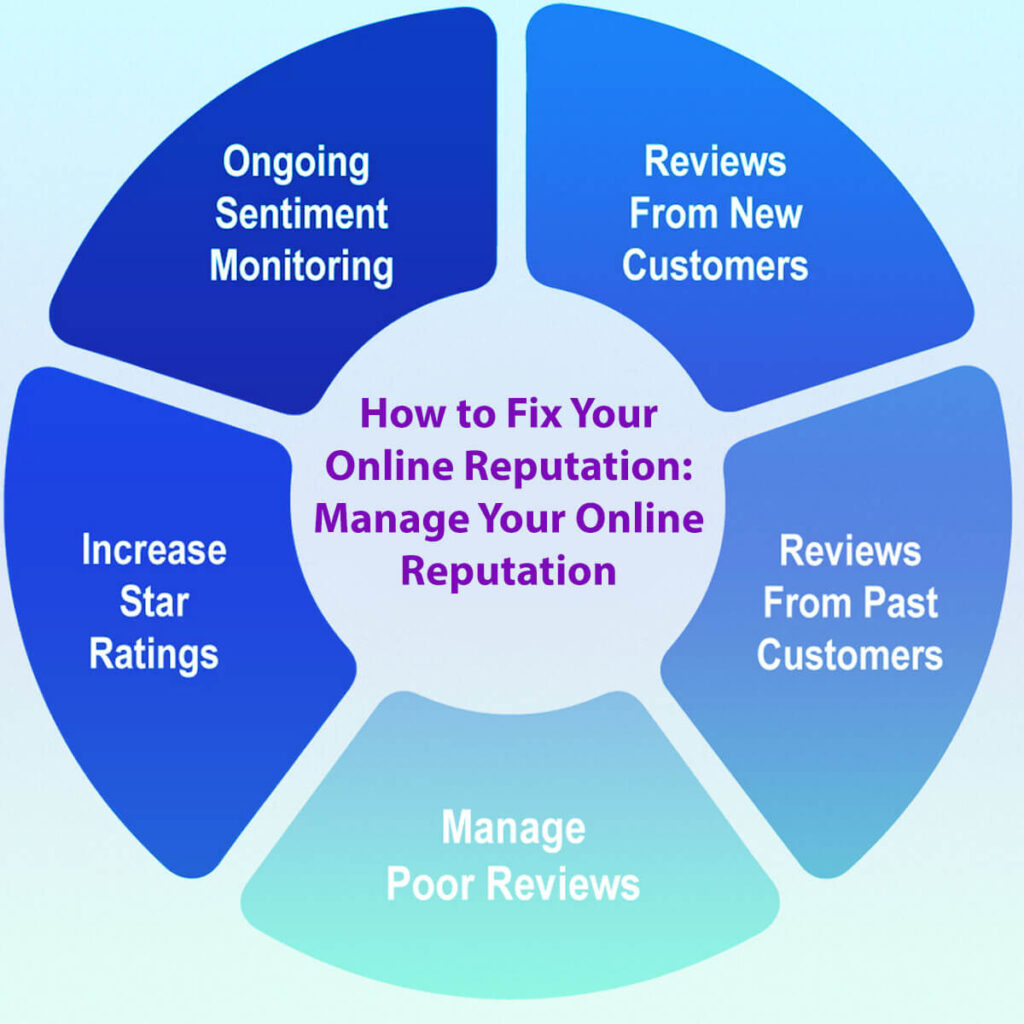
When reviewing sites like Google or Yelp, ensure you identify and flag any content that violates their guidelines.
Includes reviews that are spam, show a conflict of interest, or are off-topic.
You can report these issues through your Business Profile on Google or on Yelp. Provide as much detail as possible to help moderators verify your claims.
If a review is linked to a real transaction, see it as a chance to have a helpful conversation.
Respond to the reviewer by addressing their concerns, resolving any real issues, and demonstrating that you take responsibility.
It can help reduce negative feelings from the review and show that you care about customer satisfaction.
Addressing Video Content
Videos can be hard to handle and often require careful checking of their claims.
Begin by using tools like the Videos tab in Google to get an overview, then look further on sites like YouTube or Vimeo.
When thinking about removing a video, consider how many people have seen it and the risk of leaving it online.
If a video has few views, it might not be worth spending much time or resources to remove it.
But if a video reaches a large audience, you may need to take stronger action, such as filing a formal complaint or considering legal action.
Put your effort into dealing with content that could seriously harm your reputation or public image.
This way, you ensure your efforts have the greatest impact and that your reputation management is efficient.
Create Positive Content
To balance out any negative content, actively create and share positive, engaging materials that highlight your strengths and achievements.
It could mean writing blog posts that show your expertise, sharing articles about your business milestones or community work, or making videos about your projects.
Stay active on social media by posting positive updates, success stories, and content your audience will enjoy.
The goal is to give your audience plenty of positive content that builds a good public image and helps push negative publicity aside.
Respond to Negative Feedback
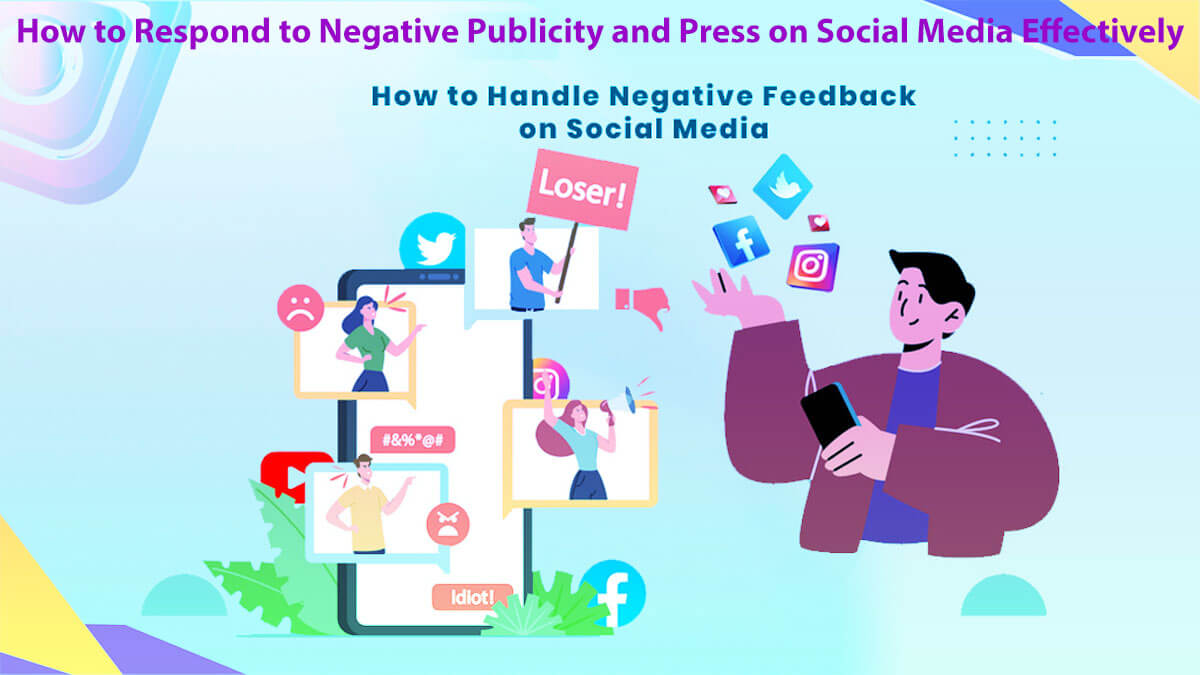
If you get negative reviews or comments, reply directly and stay professional. Always keep your replies calm and collected.
If you made a mistake, admit it and show you want to make things better.
Having a public conversation shows that you value feedback and are open to constructive criticism. It can often turn a negative situation into a positive one for future customers or followers.
If needed, apologize and explain what you’re doing to fix the problem.
Leverage the Power of SEO
Search Engine Optimization (SEO) is crucial for effectively managing your online reputation.
Using SEO to boost your positive content helps push less favorable information further down in search results.
Most people don’t look past the first page of search results, so it’s important to rank highly to keep negative stories about your brand out of sight.
To take control of your brand’s story, focus on creating content that is consistent, high-quality, and relevant.
The more credible and interesting your content is, and the better your SEO, the faster you can reduce the impact of negative online information.
Create a Strong SEO Plan
Building a strong SEO reputation management plan takes a few important steps:
Keyword Identification: Begin by researching which keywords and phrases you want your business to be known for in your industry.
Means understanding why people search for these keywords and how they connect to what your brand offers.
Website Structure: Create a website that’s easy to use and helps visitors find what they need quickly.
Make sure your site’s information is logically organized, and its navigation is simple so visitors can easily find what they’re looking for.
Adding sitemaps and linking between your pages can help search engines find and better understand your site.
Backlink Acquisition: Try to get links from trusted websites to key pages on your brand, such as product pages, service details, or testimonials.
Links from respected sites show search engines that your content is valuable, which can help your site rank higher.
Consistency in Efforts: Building a good SEO strategy takes time and ongoing effort.
If your team doesn’t have the right skills, you might want to hire an SEO expert or work with a trusted digital marketing agency that knows reputation management.
Sticking with your strategy and making regular improvements is the best way to get long-term results.
Create Outstanding Content
Careful keyword research helps you learn what topics, questions, and problems your audience cares about.
Your objective is to produce top-quality content that addresses these questions and fulfills your audience’s needs.
When writing blog posts or articles, use your target keywords naturally, demonstrate your expertise, and ensure your information is up to date and relevant.
Search engines like Google prefer fresh, interesting, high-quality content.
Starting a blog and consistently updating it is an excellent way to share insights, updates, FAQs, customer stories, and expert opinions.
Along with your blog, create evergreen pages that clearly explain your business, such as your mission, team, services, pricing, and policies.
Make sure these key pages are optimized so they show up in searches for your brand.
User experience is important for SEO, too. If people have trouble finding what they need on your site, they’ll probably leave, which can hurt your engagement.
A simple layout, fast loading times, and clear calls to action help keep visitors on your site and interested in your content.
If you’re short on time or resources, hiring a trusted reputation management firm can be a good option.
These professionals can help you build a strong website, create great content, and reach out to others to boost your brand’s online reputation.
Share your new content broadly through press releases and social media to attract more attention.
These steps help your positive content get noticed and linked to faster, which can gradually push negative results down.
Build Authority
Using external platforms to showcase your expertise helps ensure that searches for your name highlight your authority and leadership, not controversies.
Means sharing your knowledge in different formats and on different platforms.
Try guest blogging on respected sites, joining podcasts, making videos that show your expertise, or speaking at industry events.
These activities help shape what people find about your brand and also give you valuable backlinks, which can boost your search rankings.
As you keep using these strategies, you’ll start to see more high-authority mentions you control showing up in your branded search results.
Taking these steps helps you build a better online presence and slowly pushes down negative content, so your brand’s story stays positive and true to your values.
Use SEO Strategies
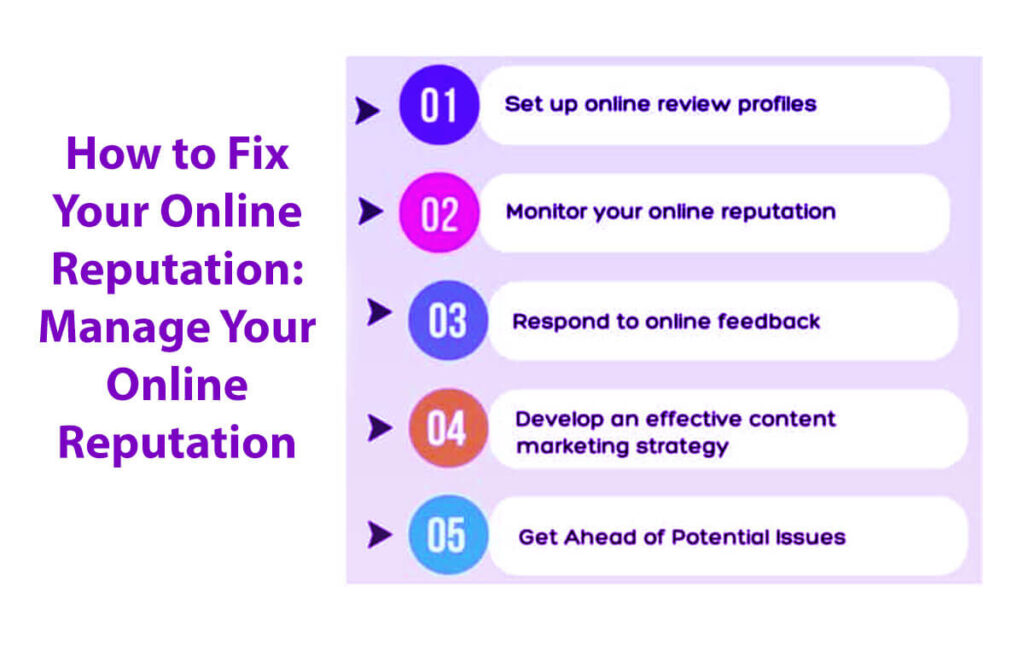
Applying effective search engine optimization (SEO) strategies can improve the ranking of your positive content in search results.
Start by choosing keywords that people might use when searching for you or your brand.
Use these keywords naturally in your content. Also, try to get links from trusted websites to boost your authority and search rankings.
Well-written meta tags are also important for making your content easier to find.
Together, these strategies help move negative content lower in search results, so potential clients are less likely to see it at the top.
Connect with Your Audience
Once your business has a strong foundation, focus on building goodwill by regularly connecting with your customers and followers in meaningful ways.
Engaging with your audience is more than a one-time task. It’s about consistently building a strong community around your brand.
Engage with Your Audience
Building a loyal online community means engaging with your audience regularly.
Reply quickly to comments, messages, and questions to help people feel connected and welcome.
Share useful content that your audience cares about, not just news about your own achievements.
Could include news articles, tips, educational resources, or fun content that aligns with their interests.
When you keep the conversation open and show you care about your audience’s experience, you build a positive, supportive online space that encourages loyalty and trust.
Consider Professional Help
If the negative content is serious and affects your life or business, consider getting help from reputation management professionals.
These experts have the tools and strategies to help improve your online image.
They can guide you on things like removing content, improving what’s already online, and repositioning your brand.
Working with professionals can help you take back control of your online story and build a better online presence, making sure your reputation is restored and stays strong over time.
Request Reviews
Many businesses notice that unhappy customers are quick to share complaints, while happy customers often need a little encouragement to share their good experiences.
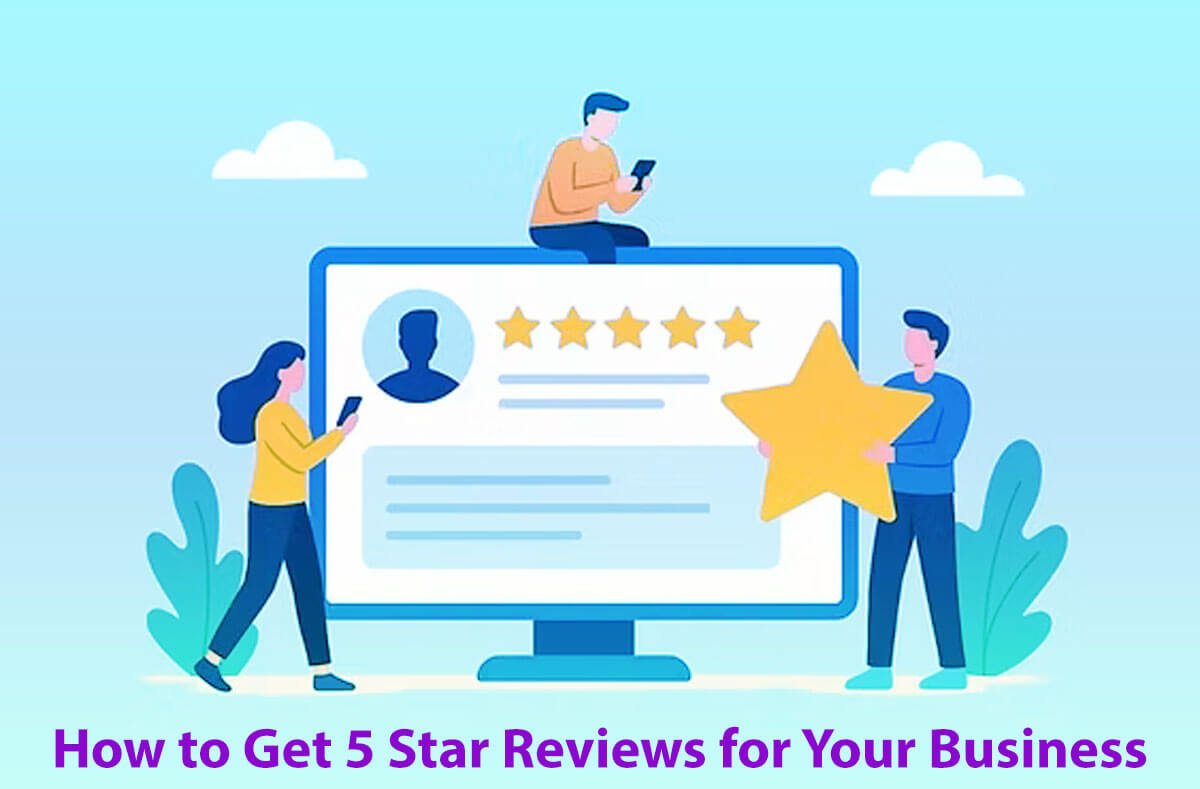
That’s why it’s important to reach out to satisfied customers and ask them to leave honest reviews on the platforms that matter most to your business, like Google, Yelp, or social media.
Try using different ways to ask for reviews to make your request more effective.
You can highlight the importance of customer feedback through social media posts, include reminders on your product packaging, display signs in your store, or send follow-up emails or texts after a purchase to encourage customers to share their thoughts.
The goal is to make leaving a review easy and natural, so it becomes a normal part of the shopping experience.
Collecting reviews should be a regular part of your customer journey.
However, avoid unethical tactics like buying reviews or offering rewards for positive feedback.
Apart from violating U.S. regulations—which now impose stringent penalties for fake or incentivized reviews—such practices can severely undermine your brand’s credibility.
Search engines and platforms like Google are watching closely for fake reviews, so it’s important to stay honest.
Respond to All Reviews
Responding quickly to reviews is important. Make sure to reply to every review, whether it’s positive or negative.
Thanking customers for positive feedback shows you appreciate them and encourages others to share their experiences too.
When you get a critical review, stay calm and professional.
Acknowledge the problem, apologize if needed, explain what you’ve done to fix it, and offer a way to make things right if possible.
If a review breaks community guidelines, don’t hesitate to flag it on platforms like Google Business Profile or report it on sites like Yelp.
If your team is short on time or resources, you should work with a company that specializes in online reputation management.
These experts can manage your reviews, keep your online profiles up to date, write responses, and highlight your best feedback to boost your business’s online presence.
Own Your Mistakes
A great way to handle negative publicity is to turn it into a chance to grow and improve.
When it makes sense, be open about past problems and explain what you’ve done to fix them.
Being transparent builds trust and strengthens your business’s credibility with both current and future customers.
For example, if your restaurant has received complaints about slow service that hurt your ratings, don’t be afraid to admit it.
Then share what you’ve done to improve, such as hiring more kitchen staff, updating your menu, or offering staff training.
You might also offer a guarantee or an incentive to make things right for customers affected.
When people see real progress, they’re more likely to go from critics to supporters of your brand.
Other Ways to Get Involved
Use social media to start conversations and connect with your audience.
Ask interesting questions, invite feedback, and reply quickly and thoughtfully.
This kind of engagement might not eliminate all negative comments, but it can build stronger customer relationships and help your positive messages stand out.
Additionally, requesting reviews or sharing news about new products or services tends to engage your audience more, increasing the likelihood they will respond positively and enhancing your online reputation.
Final Thoughts on Repairing Your Online Reputation
Fixing your online reputation takes time and a steady, thoughtful approach.
If you don’t have the time or expertise to handle this yourself, hiring a trusted reputation management firm can be a quick, low-stress way to regain control of your online presence.
If you want to learn more, check out my detailed reviews of top online reputation management companies.
If you need quick recommendations, I suggest BetterReputation and Reputation Defense Network as reliable and effective choices for managing your reputation.
How to Repair Your Online Reputation: FREQUENTLY ASKED QUESTIONS (FAQ)
What is online reputation management?
Online reputation management, or ORM, means tracking and shaping how you appear online. It involves managing what shows up in search results, your social media profiles, and online reviews to help you look your best.
Why is online reputation important?
A solid online reputation fosters trust with customers or employers, opening doors to more opportunities and increased sales. Conversely, a poor reputation can damage relationships and hinder your chances of success.
How can I monitor my online reputation?
Set up Google Alerts, use social media monitoring tools, and check review sites to see when your name or business is mentioned. It also helps to search for your name or brand online from time to time to see what comes up.
What if negative information shows up in search results?
If you find negative information, respond politely and professionally to reviews or comments. If something is untrue or harmful, try contacting the source or asking for it to be removed.
How can I encourage positive reviews?
Gently remind happy customers to share their experiences by sending a simple follow-up email with a direct review link. It’s a friendly nudge that can help your business grow!
Should I engage with negative comments or reviews?
Yes, you should respond carefully. Address concerns in negative reviews, apologize if needed, and offer a solution. Shows others that you value feedback and want to improve.
Can I remove negative content?
You might not be able to remove every negative comment, but you can push it down in search results by sharing positive reviews, articles, or blog posts that highlight what you do well.
What role does social media play in online reputation?
Social media plays a big role in your online reputation. Stay active by posting useful content, engaging with your followers, and addressing negative comments promptly.
Is hiring an expert in online reputation management worth it?
If managing your online reputation feels like too much, you can hire an expert. They have the right tools and experience to help improve and protect your reputation.
How long does it take to repair an online reputation?
Fixing your online reputation takes time. How long it takes depends on the problems and what steps you take. Staying consistent with positive posts and engagement is key to lasting results.
Keep in mind that fixing your online reputation is a continuous effort. It takes regular attention and care to maintain a positive image.
In Conclusion
To sum up, fixing your online reputation is important and takes steady effort with a clear plan.
Your online footprint can greatly affect your personal and career prospects, so managing your digital presence is essential.
Begin by consistently monitoring what people are saying about you on various websites and platforms.
This process includes monitoring social media platforms, reviewing websites, and searching for results on search engines. Utilize tools such as Google Alerts or reputation management software to keep track of mentions of your name or brand, ensuring you remain informed and maintain control.
By staying on top of things, you can address negative feedback or incorrect information before it becomes a bigger problem.
If you find negative reviews or comments, it’s important to reply quickly and politely.
A thoughtful reply can help mitigate the impact of negative feedback and show that you care about your customers and are open to feedback.
Make sure to recognize people’s concerns, show understanding, and offer helpful solutions.
This way, you can turn a tough situation into a chance to show how well you solve problems.
Getting happy customers to leave good reviews is another important way to improve your online image.
Engage your audience via email, social media, or direct messaging, and motivate them to share their positive experiences.
You might also offer rewards for reviews, like discounts or loyalty points, as long as you follow the rules.
It’s also important to create and share positive content to build a strong online identity.
You can do this by writing engaging blog posts that highlight your expertise, sharing heartfelt client testimonials, publishing insightful articles, or creating videos that beautifully showcase your skills and achievements.
Sharing this positive content on your website and social media helps shape how people see you online.
Some people handle their online reputation on their own, but getting help from an expert can make things easier.
Experts have the skills and tools to help repair your online reputation, so you can focus on what you’re best at.
In the end, keeping a good online reputation depends on staying involved and committed.
Being consistent matters because the online world is always changing.
If you keep working on your online presence, respond well to feedback, and show your strengths, you can shape how others see you.
With time, steady effort, and honesty, you can fix past problems, improve your reputation, and find new chances to grow.
AI Discovery Funnel: How AI-Driven Discovery and Guided Selling Visualization Work in 8 Easy Steps
The Ranking Factor Nobody Discusses: Hard Work in 8 Easy Steps: A Guide