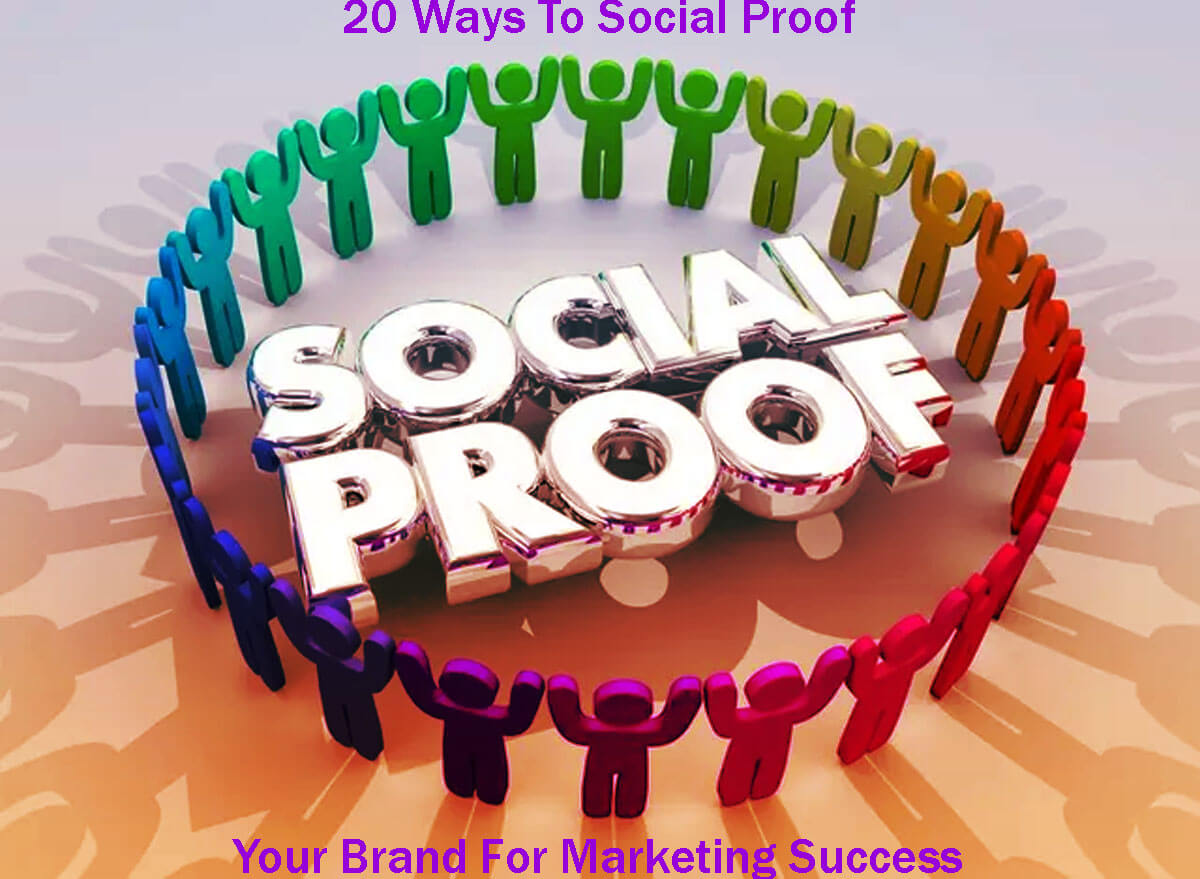





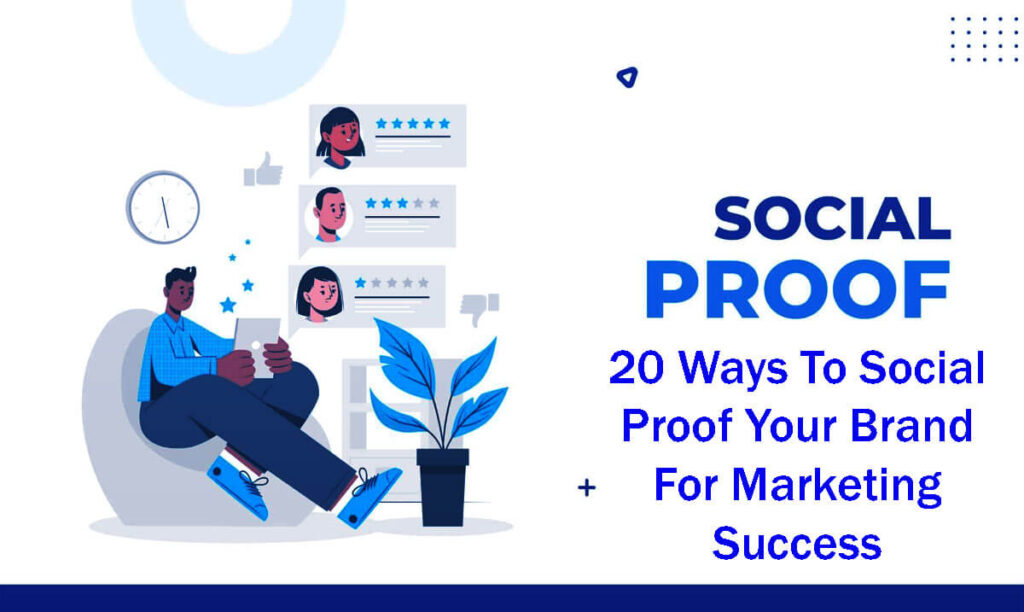
Discover 20 inspiring ways to showcase Social Proof Your Brand for marketing success! Whether you’re exploring what social proof is, seeking real-life examples, or considering influencer marketing, these strategies can help strengthen your presence.
Learn how social proof plays a vital role in digital marketing and business growth, and find practical examples to get started.
I might earn a commission from links on this page, since This Online Web relies on reader support.
This doesn’t affect my opinions or the way I review products.
Many things influence a customer’s decision to buy, especially how easy it is to purchase and whether they trust your business.
So, in a crowded market, how do you convince customers to choose your store? The key is to shape their opinions using clear, trustworthy evidence.
Social proof is one of your strongest tools, and you can use it on your website, ads, and social media.
Your goal is to foster a positive impression of your brand by illustrating that people feel more at ease making choices when others have already made them. This concept is known as “safety in numbers.”
Imagine a shopper looking online for something specific. They know what they want, but they’re not sure where to buy it.
When they have choices, what will help them decide? For example, Company A has over 500 recent customer reviews, but Company B has just seven.
Most people will see Company A as more trustworthy just because it has more recent feedback.
This makes Company A seem more reliable and attractive to buyers.
If hundreds of real customers rate your product, it makes your brand feel more authentic.
Trust signals and ease of finding matter, but the quality of your product is still very important.
Even if Company B’s product is better, people might ignore it if there isn’t enough proof to back it up.
Social proof can boost how people see your products, but it also shows the risks of selling something that doesn’t live up to its promises.
If you get lots of bad reviews, your sales can drop fast. That’s why it’s so important to focus on quality and customer support before you start selling.
Let’s look at how you can use social proof to boost your sales, no matter what people currently think of your business. We’ll start with the basics.
20 Ways To Social Proof Your Brand For Marketing Success
What is Social Proof?
When people are deciding what to buy, social proof works a bit like herd mentality today.
Shoppers often look at reviews, ratings, expert opinions, and community feedback to figure out what’s safe and worth buying.
When lots of people make the same choice, it feels more trustworthy.
Even though I try to think for myself, I still look at others’ experiences to avoid making mistakes.
Social proof has a big effect on business choices, but it doesn’t control everything we do.
Social proof helps customers make better decisions and feel less worried about making a purchase.
Strong proof can also make customers feel good about their purchase, leading to fewer returns and less customer churn.
But not all types of proof are equally convincing.
Some ways of showing proof work better than others, and even where you put it on your website can affect your sales.
Below Are 20 Effective Methods To Rapidly Enhance Your Social Proof Brand
Utilize Creator and Celebrity Endorsements:
You don’t need a world-famous celebrity to help your brand.
Most companies can’t afford A-listers like Tom Cruise or Jay-Z, since their fees can reach six figures for a single post.
Instead, look for content creators and niche influencers with loyal followings on platforms like Twitter, YouTube, Instagram, and TikTok.
For example, Bose worked with NFL quarterback Russell Wilson to produce a product demonstration video that gained hundreds of thousands of views.
When a trusted public figure supports your product, it helps buyers feel safer about choosing it.
Important: the Federal Trade Commission updated its Endorsement Guides to mandate clear disclosures that are easily noticeable, not just in captions but throughout the content itself.
This includes onscreen text or audio disclosures in videos when applicable.
Use straightforward phrases like “Paid partnership,” “Ad,” or “I received this product for free.”
Don’t overlook the impact of micro-influencers or local celebrities.
Look for creators with 10,000 to 100,000 followers and talk to them about working together long-term or becoming brand ambassadors.
Micro-influencers usually create more genuine content and achieve better engagement than larger accounts, since their smaller communities feel more connected.
To sum up, find creators who truly like your product, give them clear instructions, and let them share it in a natural, relatable way.
You don’t need a famous name. The right creators can do a lot to build trust in your brand.
Highlight Your Best Statistics:
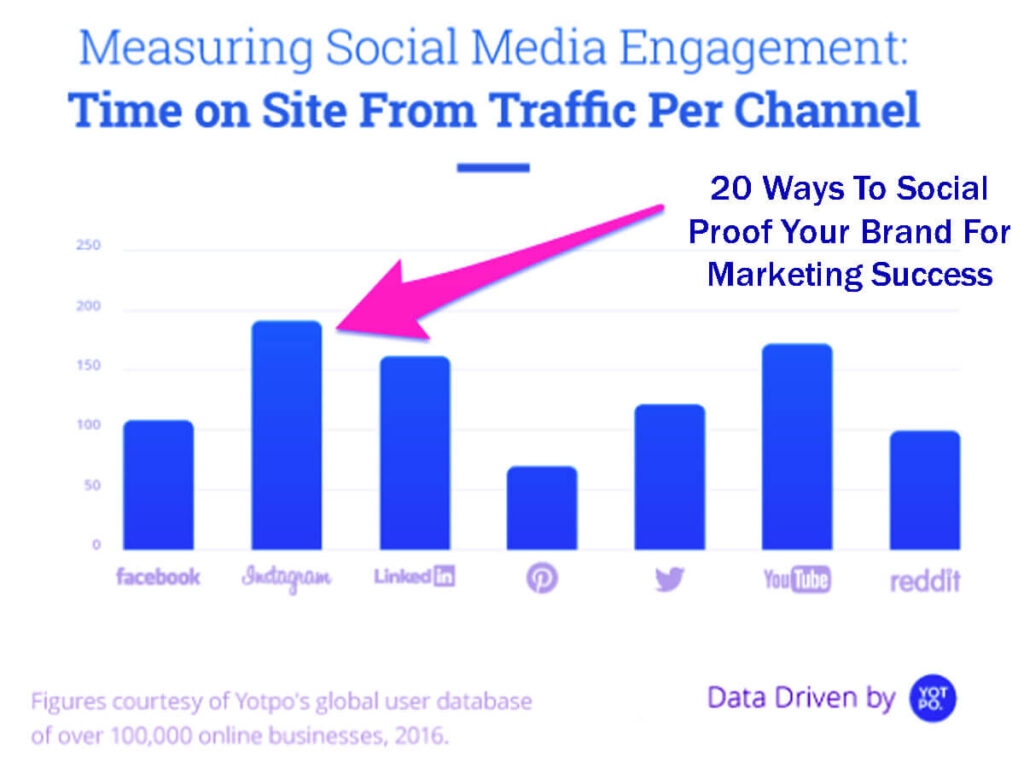
Let your numbers speak for you.
Show off stats like how many customers you’ve served, orders shipped, money saved, uptime, NPS, star ratings, and downloads.
Make sure these important stats are easy to find on your product pages, checkout pages, and homepage.
For example, look at how companies like Nosto use strong numbers to build credibility and attract new customers.
By using these strategies, you can quickly boost your brand’s social proof, build trust, and increase your sales.
Effective Strategies for Building Trust and Social Proof
Leverage Powerful Metrics:
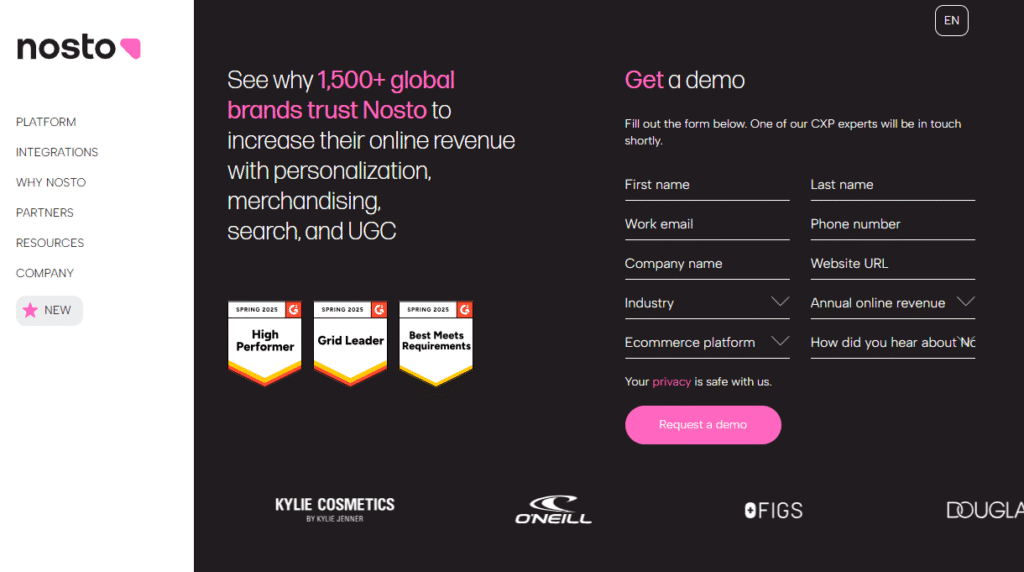
Using strong statistics in your messaging can help build consumer trust in your brand.
For example, sharing a number like “22 billion” grabs attention and shows your brand’s scale, which can make it seem more reliable and successful.
When sharing numbers, focus on these areas to make your story more convincing:
Total Customer Savings: Show the total amount your customers save with your product.
Explain clearly how you calculate these savings, whether they come from cost reductions, discounts, or other benefits.
Being open about your calculations builds trust and shows the real value of your product.
Community Size and Engagement: Share how big your community is, like the number of active users, engaged members, or loyal newsletter subscribers.
These numbers show your brand’s influence and reach, helping potential customers see that many people already trust you.
Customer Satisfaction Indicators: Share specific numbers, such as your five-star review rate or your average rating across platforms.
Showing positive feedback helps prove your product’s quality and that your customers are happy.
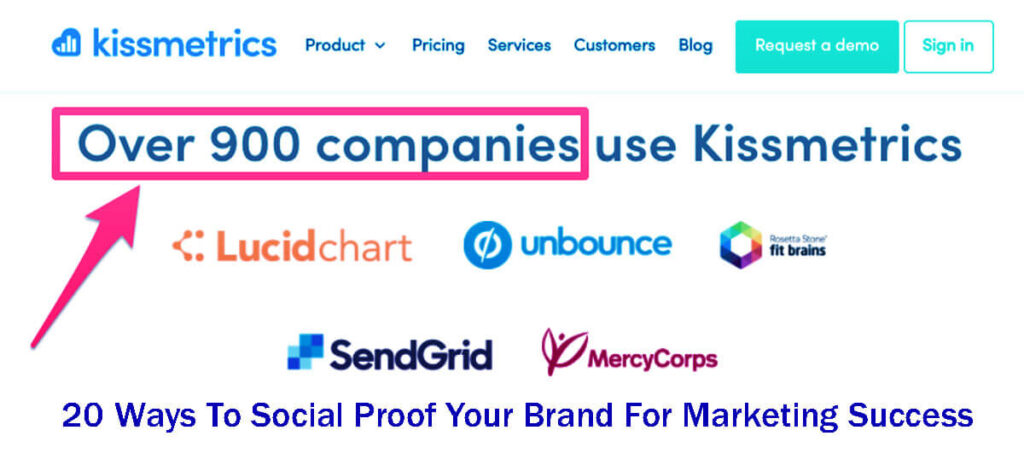
If a statistic doesn’t have much impact, focus on other things that make your product stand out.
For example, if you have “450 followers” on Instagram, focus on growing that number and highlight other strengths, such as fast shipping or a strong record of customer satisfaction.
On the other hand, if you have an impressive “30,000 followers on X (formerly Twitter),” be sure to share that milestone.
This shows your brand’s credibility and how well it connects with people.
Showcase Your Product in Action:
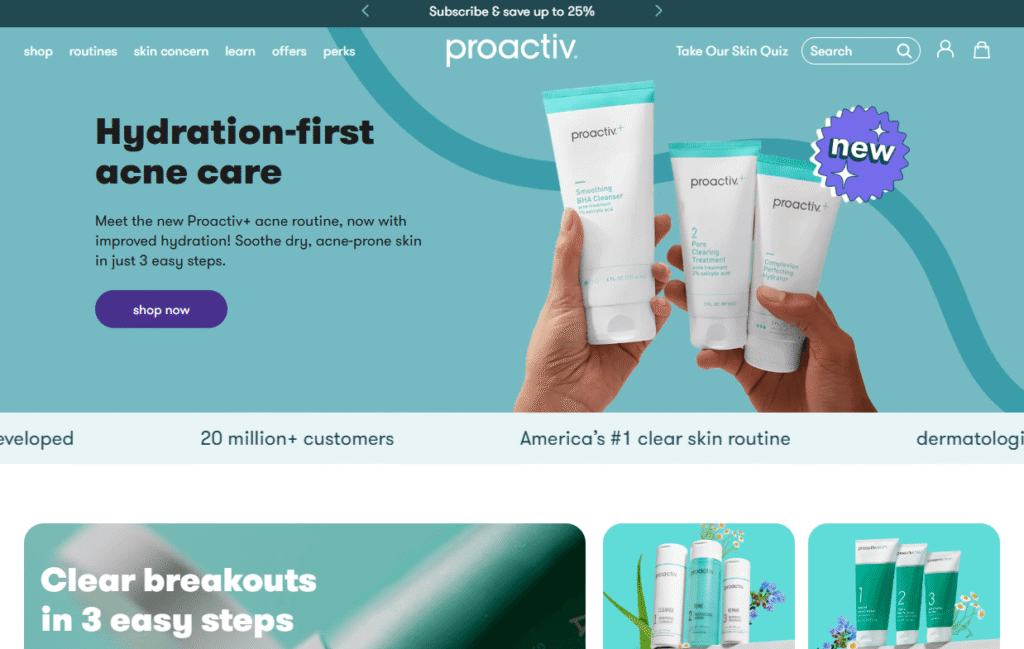
Use visual storytelling to show how well your product works clearly.
Videos and images can be strong social proof, often showing your product’s benefits better than words alone.
For example, Bose shows their speakers underwater to demonstrate that they are waterproof. This gets the message across right away.
Before-and-after photos work especially well for products that promise big changes.
Proactiv, for example, does this well by showing real results from actual customers over time.
Encourage your customers to happily share their stories and before-and-after photos, making them feel inspired and appreciated.

These real images connect with new buyers and help build trust.
Pair these images with short customer stories to engage people more and answer any questions new buyers might have.
Think about which visuals will help ease your customers’ doubts. For example:
Carpet Cleaners: Display dramatic comparisons of heavily soiled rugs alongside those restored to pristine condition.
SaaS Products: Share screenshots that show real results, such as improved performance metrics or user engagement stats.
Fitness Products: Show real progress with visuals, like graphs of weight loss or fitness achievements, along with personal stories.
Encourage the User Reviews:
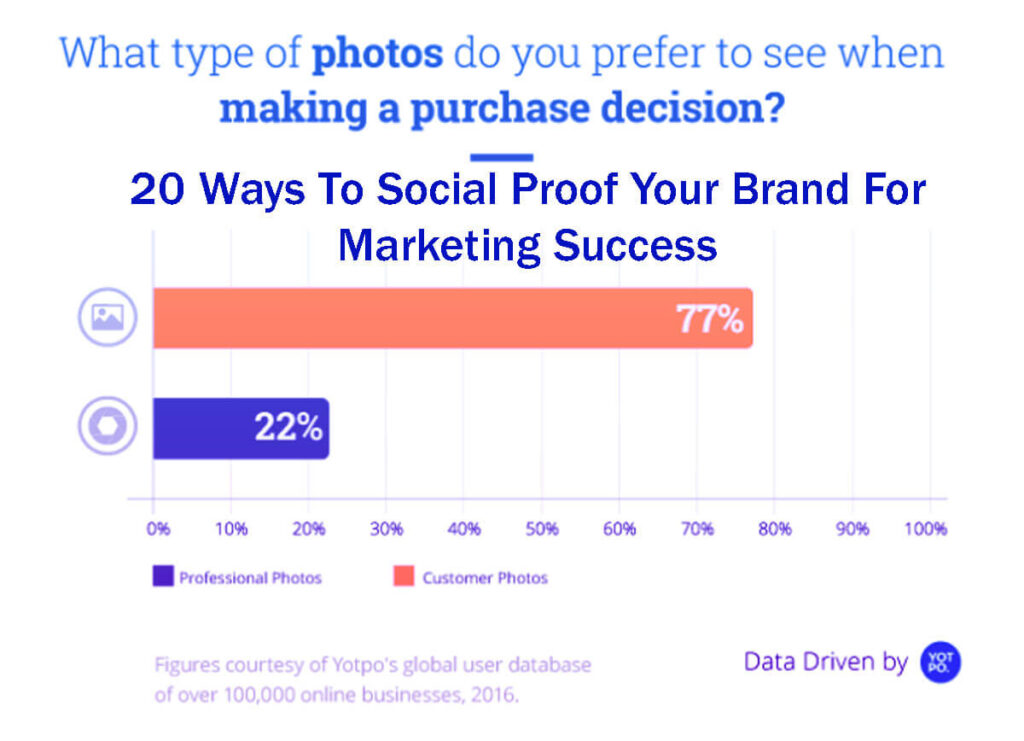
Make your visuals even stronger by including user-generated content and ratings in your marketing.
Some customers leave short comments, but you can encourage longer reviews by offering incentives and asking good questions.
People often use sites like:
to find local businesses, so these platforms are important for building trust.
Set up profiles on these sites or claim your existing listings to strengthen your presence.
Remember, people trust different review sites, so it’s important to connect with your audience on the platforms they prefer.
Ask reviewers to add short videos or candid photos to their feedback.
Real user images are seen as more trustworthy than professional brand photos.
Official photos can look too staged, but content from real customers feels more genuine and relatable.
Make it easy for customers to leave reviews by using direct channels like SMS, post-purchase emails, receipts, or in-store signs.
Avoid “review gating,” which means only asking happy customers for feedback.
This goes against platform rules and FTC guidelines. Instead, ask everyone for honest feedback.
For physical stores, train your staff to thank customers and kindly request reviews, such as: “Thank you! A quick review on Google would mean so much to us!” For online shops, send follow-up emails that simplify the process for customers to upload photos and leave reviews.
Keep Review Requests Simple:
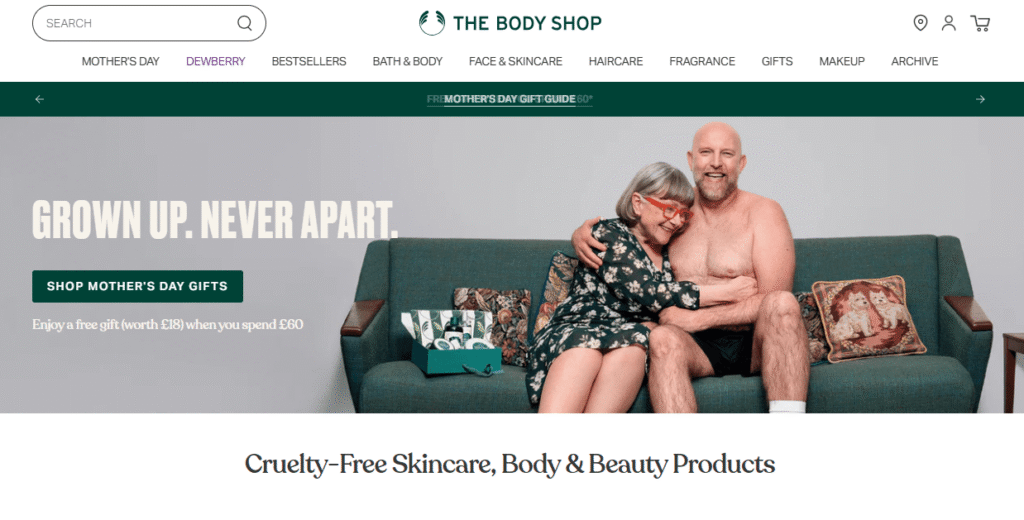
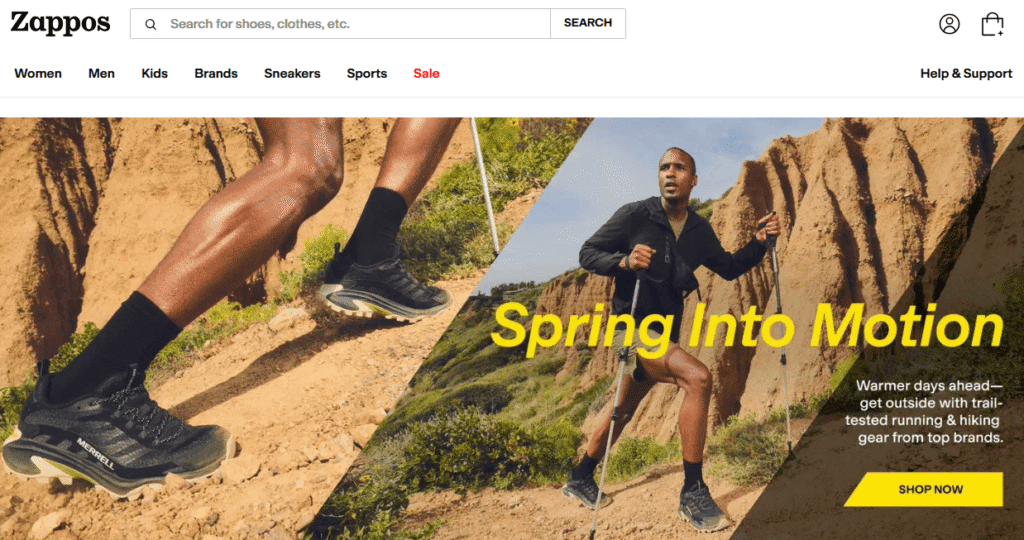
Zappos is a great example of how to keep review request emails simple and focused on action.
When it makes sense, offer incentives like loyalty points, small discounts, or a chance to win a monthly prize.
Always explain any incentives clearly when asking for reviews, but don’t suggest that you expect a positive rating.
This respectful approach shows you truly want honest feedback and helps keep communication open with your customers.
Offering ethical incentives for customer feedback can boost response rates and yield better insights, without compromising the honesty of the results.
Create Surveys and Share the Results
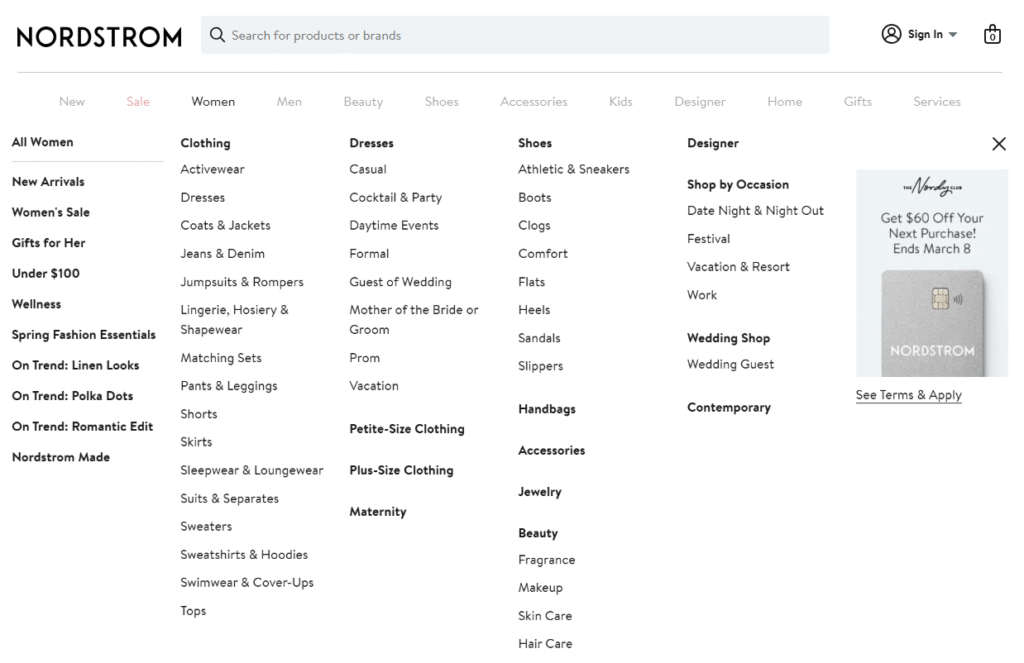
Most people don’t have time to write a long review of a product or service.
But by filling out short surveys, customers can share helpful feedback that makes future buying decisions easier.
These surveys can quickly gather important details like satisfaction scores, star ratings, and short testimonials, which you can share publicly if customers agree.
To make surveys easier to create, try these simple online tools:
SurveyMonkey: A popular choice that offers a wide range of customizable survey templates.
SurveyPlanet: Known for its intuitive interface and various question types.
Google Forms: A free tool that easily integrates with your Google account.
Sharing clear survey results on your website helps make your business more transparent to customers.

For example, 4Change Energy displays customer feedback in eye-catching ways that build interest and trust with new clients.
Surveys are an excellent method to gather customer feedback, particularly when obtaining regular reviews is challenging.
Highlight Customer Testimonials
Feel free to ask happy customers for a short testimonial that highlights a specific positive result.
For example, you could ask for a success story that shows how your product helped, making it relatable for future customers.
Instead of putting all your testimonials on one page, place them throughout your website, next to special offers or calls to action. Good spots include:
Adjacent to demo videos or contact forms.
Directly beneath a call-to-action button.
On checkout pages and order forms, to reinforce confidence during the buying decision.
On sales pages, follow detailed descriptions of your product features or pricing.
Opt-in forms for newsletters are especially beneficial when building your subscriber list.
Adding testimonials to your About page can help build trust and credibility.
I recently saw a website that displays testimonials on every page, rotating them in the sidebar.
This is a great way to make sure people see them.
Gather Testimonials From Industry Professionals
Customer feedback is important, but getting endorsements from respected professionals in your industry can make your brand even more credible.
Ask these professionals for short testimonials that mention specific positive results from using or recommending your product.
Choose professionals whose expertise aligns with your niche. For instance:
Interested in mattresses?
The opinion of a chiropractor can be invaluable.
Selling sports shoes?
A recommendation from a coach or physical therapist adds weight.
Offering tax software?
An endorsement from a certified accountant is particularly effective.
Potential categories of experts to consider include:
- Attorneys
- Physicians
- Fitness Instructors
- Physical Therapists
- Automotive Mechanics
Give them a simple template for their testimonial, including their full name, business, title, and a photo.
Ask them to mention real results, like “saved 6 hours a week,” “felt less back pain in two weeks,” or “saw a 30% increase in conversions.”
The more specific these endorsements are, the more convincing they become.
Embrace Strategic Boasting
Don’t be afraid to show off your achievements. This is important for building credibility.
However, focus on sharing meaningful achievements, not just numbers that look good.
Share accomplishments that build trust, such as being “featured in top publications,” “winning awards,” “hitting important milestones,” or “earning high rankings.”
Showing off well-known recognition can help new customers feel more confident about buying from you.
For example, if your product was mentioned in a major magazine like Forbes, make sure to show that clearly.
Put these quotes and logos on your homepage, About page, and main landing pages. This increases the impact of your social proof.
Launch a Customer Referral Program
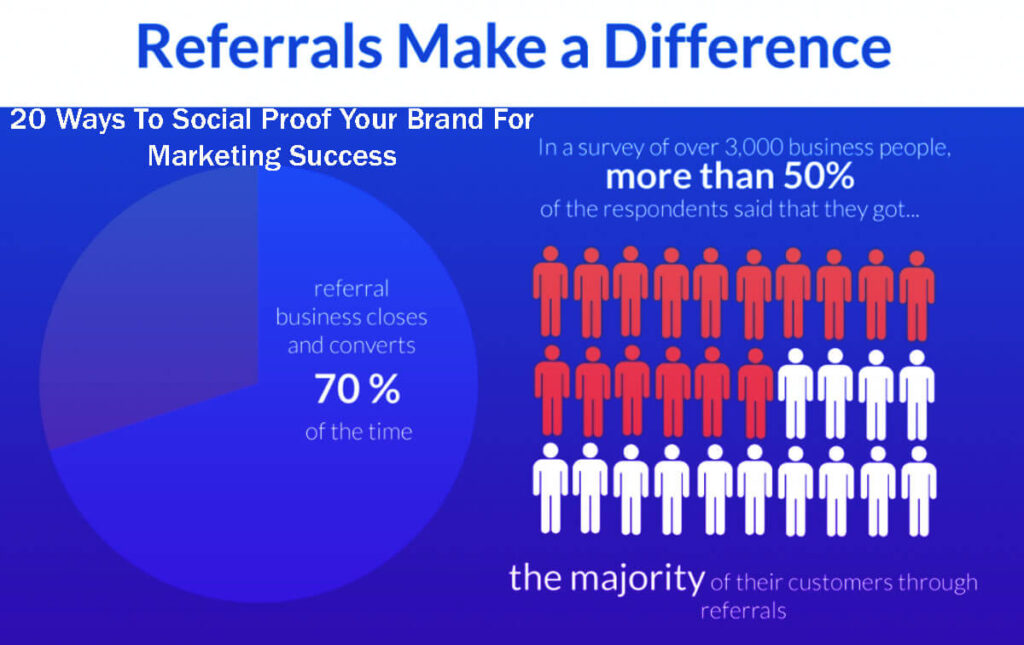
People usually trust recommendations from friends and family more than ads.
That’s why referrals can really help increase sales and act as strong social proof.
When someone recommends your business, it shows they had a good experience and helps your reputation.
To make the most of this, set up a referral program that’s easy to join and offers small rewards to both the referrer and the new customer.
Think along the lines of Airbnb’s approach:
Rewards could be discounts, store credit, or loyalty points.
The rewards don’t have to be big. The goal is to encourage sharing and keep things simple.
Utilize Facebook for Recommendations
Google, Instagram, and Yelp are important, but Facebook is a powerful tool as well.
Ask your customers to leave recommendations on your Facebook page.
Facebook now uses “Recommendations” instead of ” star Reviews,” which changes how feedback is shown.
Responding to these recommendations helps you reach more people and makes your business more visible to your customers’ friends.
When a customer leaves a recommendation, it can appear in many news feeds and significantly boost your brand’s exposure.
Recommendations and comments on your page work like small endorsements, making your brand more trustworthy.
To keep your page active and interesting, reply to comments, thank reviewers, and regularly post new content and stories to build social proof and community.
Participation Leads to More Engagement and Proof
Illustrative Case Examples
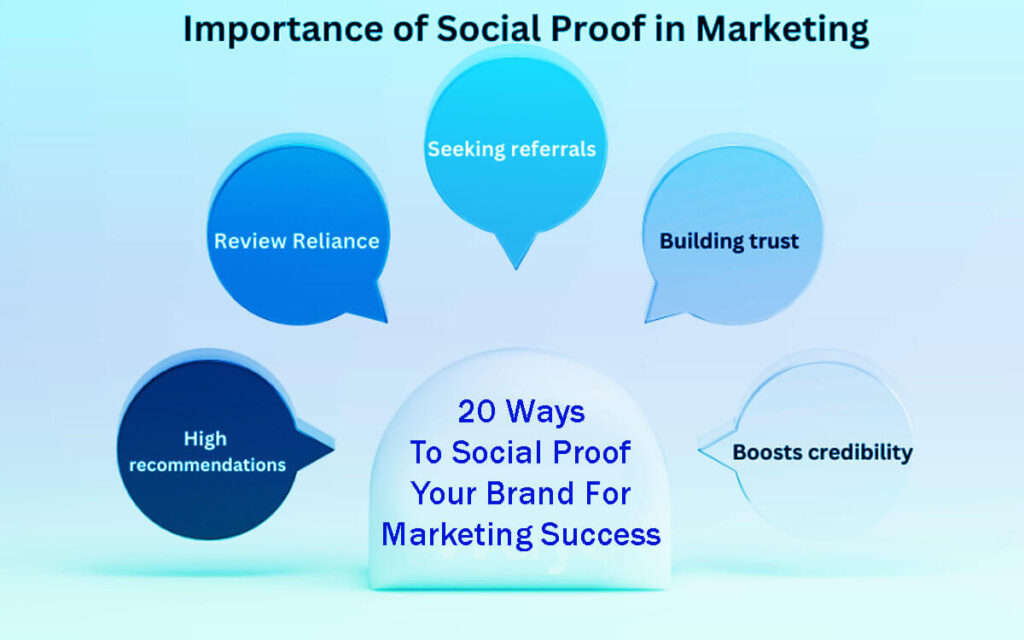
A detailed case study is among the strongest forms of social proof.
These stories do more than share testimonials. They give a clear, detailed look at how people or organizations have changed.
Great case studies focus on a few important parts:
Life Before Your Solution: Describe the problems or frustrations people had before using your product. Show what challenges they faced.
The Turning Point: Explain what made the person or company look for your solution. It might be an event, a new insight, or an urgent problem.
Challenges Faced: Talk about the obstacles they met along the way and how your help made a difference.
The Solution: Describe your product or service, its main features, how you used it, and how long it took to put in place.
The Results: Point out the key moment when things changed and share clear numbers or facts that show success.
Life After: Explain how things improved after using your solution, such as easier upkeep, better returns, or time saved.
Are all these parts needed for a strong case study? Yes, they are.
Specific details and real results make your story more believable and convincing. Compare that to a simple endorsement like this:
“Working with Jane was fantastic, and I wholeheartedly recommend her.”
While this kind of statement is positive, it lacks the detail or story that really persuades people.
Where Should You Share Case Studies?
Create a dedicated case studies page and include it in your main menu for quick access.
Also, add short, focused case studies to each product’s sales page.
Here are some good places to put them:
GrowthLab, led by Ramit Sethi, is a good example. They use social proof effectively by clearly showcasing their GrowthLab Success Stories on their site.
Share case studies throughout your website, not just on one page:
Sales Pages: Add interesting case studies and short video testimonials.
FAQ Sections: Use stories like “how a customer solved this problem” to answer common questions.
Feature Sections: Share short versions of success stories and link to the full stories for those who want more details.
Placing case studies in these spots helps turn curious visitors into confident customers.
The Power of Numbers
Show your social media numbers in key places, like how many users, shares, comments, subscribers, or app installs you have.
This works well because people often see high engagement as a sign of high value.
A common example is social sharing buttons that show how many times something has been shared.
The same idea works for comment sections. When there are many thoughtful comments, the content becomes more appealing.
However, be careful about showing low numbers, as this can backfire.
Many tools let you hide share or comment counts until they reach a certain number. This helps avoid making your content look unpopular at first.
Additional concepts reflecting “strength in numbers” include:
Counts of active users (frequently updated)
Totals for downloads of apps, tools, or resources
Number of email subscribers (when they are notably high and current)
The total number of installs and subscribers is powerful, especially when shown alongside ratings or recent growth.
Social Triggers in Internet Marketing Strategy
Influencer Recommendations and Endorsements
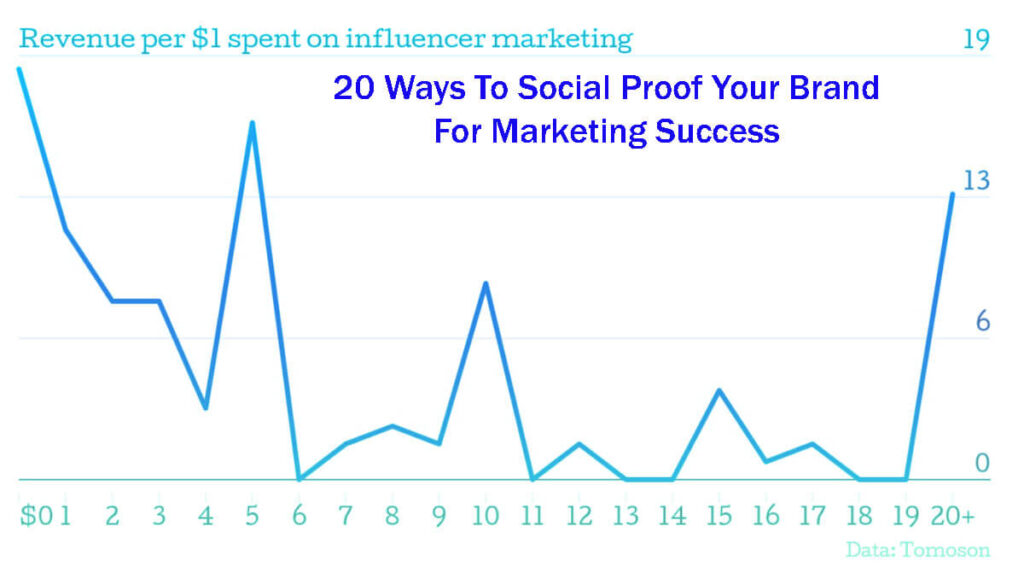
Influencers are trusted experts in their field, and their followers pay close attention to what they say.
A real recommendation from an influencer can quickly change how people see your brand.
To build real partnerships with influencers:
Find influencers who share your values and have a similar audience.
Regularly interact with their community and content to build a good relationship.
Send short, meaningful messages that focus on offering value.
Give them something special, like useful data, early product access, or expert help.
After you’ve shown your value, feel free to ask for a quote or recommendation.
Want a quicker option?
If it fits your goals and budget, you can hire influencers for sponsored reviews, tutorials, or “best of” videos. Make sure to follow the FTC’s rules and clearly say when something is sponsored.
When executed carefully, influencer marketing can deliver a significantly higher ROI than traditional advertising.
This approach leverages influencers’ trust and authority to connect with audiences in a meaningful way.
Study on Influencer Marketing
To get the most from your endorsements, place them on high-traffic pages like your Home and About sections.
These spots are key for showing off familiar phrases, brand logos, and content that appeals to potential customers.
Endorsements from well-known people can greatly boost your brand’s credibility.
For example, the phrase “People you trust trust us” shows how powerful influential endorsements can be.
If a well-known person has praised your brand, make sure to highlight their endorsement to leverage their authority.
Valuable Media Mentions
The influence of influencer marketing is evident in the numerous websites that showcase “As seen in” logos.
This tactic builds your brand’s credibility and helps attract new customers.
Getting featured in respected niche publications can be just as valuable as being on national TV, helping you reach more people.
For example, Videofruit uses media coverage to grow its email list and bring in more clients.
If you’ve been an interviewee, speaker, or contributor, make sure your logo appears clearly on a proof strip on your website.
The best spots for these placements are usually your homepage and main landing pages, where they get the most attention.
However, you can still get media attention by joining journalist request threads on platforms like X and LinkedIn, or by using services like Qwoted or Featured.com.
Building direct relationships with reporters can also help your media outreach.
Establishing Trust with Certifications and Seals
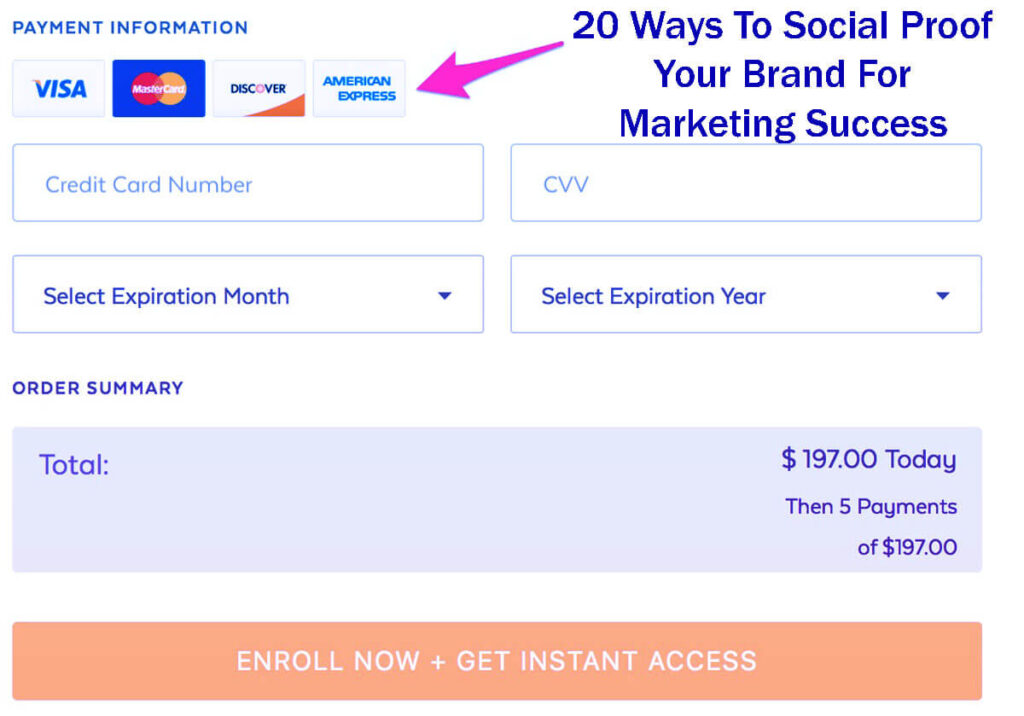
Trust icons like certifications and seals are important because they help ease customer worries by showing your business is competent and safe.
Today’s customers feel reassured by these credentials, which show you follow industry standards and best practices.
While trust indicators help reduce risk, remember they can’t replace actually delivering good results.
Add relevant certifications and seals next to your call-to-action buttons and on service pages to build customer confidence.
For example, freelance writer Kristi Hines displays her professional credentials clearly on her website to build trust in her expertise.
To help customers feel confident when buying, use trust seals on your pricing and checkout pages. Common trust indicators include:
SSL certifications for secure transactions
Clear privacy statements or recognized emblems
Money-back guarantees to ease concerns.
Familiar symbols associated with various payment methods, including credit cards
Every sales page should include some of these trust indicators.
It’s important to create a sense of security at the point where customers make payments.
Even well-known payment logos can help increase your conversion rates.
Research from CXL shows that PayPal is one of the most trusted checkout badges, and Visa and Mastercard are also top choices for familiar, reassuring options.
If possible, run A/B tests to find the best badges. If not, start with well-known logos.
The Impact of Popular Products and Posts
If your visitors don’t have much information to help them decide, try using popularity as a guide.
Highlighting your top-selling products or most-read blog posts helps customers make decisions more easily.
For example, Neil Patel’s blog, This Online Web, highlights its most popular posts in the sidebar to boost engagement and keep readers on the site.
Similarly, Blogging Wizard displays trending content in its footer, encouraging visitors to find useful blogging tips that appeal to a wide audience.
If you operate an online store, think about including a “Trending Now” or “Best Sellers” carousel.
Letting customers easily find your most popular items can guide them to products others like, improve their shopping experience, and increase your sales.
Amazon.com’s Top Sellers: Harnessing the Power of Social Proof
Client and Customer Lists: Elevating Trustworthiness
Using client logos is a simple and effective way to show your business is trustworthy and credible.
Seeing familiar brand names can have a stronger effect than even the best-written testimonials.
For example, Sleeknote highlights its partnerships by displaying client logos, which shows its experience in creating personalized lead forms.
This approach works for service businesses too, not just companies that sell products.
If you group logos by industry, like technology, healthcare, or finance, potential clients can quickly see how your services connect with trusted brands in their field.
This not only builds credibility but also helps people feel more comfortable and familiar with your business.
Jeremy Reeves, an experienced direct response copywriter, points out how effective it is to include well-known logos on your website.
This simple tactic quickly builds trust with visitors and helps them feel confident about what you offer.
Expert Endorsements
Reach out to well-known experts and thought leaders in your field to request endorsements.
Connecting with respected authors, experienced entrepreneurs, or well-known academics can boost your brand’s reputation.
Their support helps build your brand’s credibility and trust with your audience.
Showcasing these endorsements in your marketing helps position your brand as a trusted authority in your field and builds confidence with your target audience.
This approach can increase brand awareness and customer loyalty, since people are more likely to trust recommendations from experts they know and respect.
Community Involvement
Focus on participating in local events and supporting charities to demonstrate your commitment to social responsibility and community engagement.
For example, you could sponsor a community festival or volunteer your time and resources to local charities. These actions can improve your brand image.
Sharing your community works through stories or on social media shows your values and helps you connect more with the community.
Getting involved in the community builds goodwill and loyalty, and helps people see your brand as one that truly wants to make a difference.
Engagement With Customer Feedback
Make it a priority to solicit and respond to customer feedback, whether positive or negative.
Acknowledging and responding to feedback demonstrates that you value your customers’ experiences and opinions.
This helps build loyalty and trust because customers feel noticed and valued.
Encouraging open feedback creates an inclusive atmosphere and shows your brand is empathetic and responsive.
Carefully reviewing customer feedback can reveal insights that help you improve your products, marketing, and overall business to better meet customer needs.
Taking this proactive approach strengthens customer relationships and encourages ongoing improvement and innovation.
In Conclusion: The Essence of Social Proof
Social proof works because people naturally trust the opinions and choices of others.
When current customers or trusted sources share good experiences with your business, their support often means more than any ad.
These testimonials give strong support and help new customers feel confident about their choices.
When you talk about your achievements or skills, it’s important to back them up with real proof. Social proof isn’t just nice to have; it’s essential.
Both investors and customers want to feel sure about your abilities.
Give them different types of proof, such as customer ratings, detailed reviews, success stories, performance metrics, and well-known logos.
These elements make it easier for people to decide and make them more likely to support or invest in your business.
There are many ways to use social proof. I’ve listed 20 effective methods and the best places to use each one on your site.
These proven methods help turn interest into real action.
Whether your business is new or established, adding these techniques to your marketing and website can boost engagement and improve conversion rates.
Use social proof to help your brand become more trusted and successful.
Some Important Searches
Social proof your brand in marketing, Social proof your brand’s meaning, Social proof your brand examples, Social proof in marketing, What is social proof in digital marketing? Social proof examples, Social proof influencer marketing, Social proof in business.
13 Ways to Improve Your Calls to Action: Follow Easy Steps
Top 15 Best Digital Marketing Agencies: Easy Steps
Top 10 Best AI SEO Tools: Follow Easy Steps
Top 15 Best CRM Software: Follow Easy Steps
Top 11 Best Direct Mail Services: Follow Easy Steps